Look at each of the following situations and identify as CHEMICAL or PHYSICAL.
A bridge is rusting.

Look at each of the following situations and identify as CHEMICAL or PHYSICAL.
A bridge is rusting.
OBJECTIVE: To differentiate between chemical & physical changes
BACKGROUND:
When a physical change occurs, only the form of the substance changes. Chemical changes, however, result in the formation of new substances with different properties. Some general signs of a chemical change include a change of color or odor, the formation of a precipitate (solid), the formation of a gas, and a change in heat or light. In this lab, you will perform different activities and, based on your observations, determine whether a chemical or physical change has taken place.
SAFETY
Before lighting the match, tie back long hair and secure loose clothing. After extinguishing the match, thoroughly douse it with water before placing it in the designated waste beaker.
Do not ingest any chemicals.
Absolutely no goofing or horseplay off.
PROCEDURE
Perform each of the following activities and carefully observe what happens. After each activity, complete your data table.
Lighting a match – Light a single match (refer to safety precautions listed above).
Lighting a candle: Light a single candle. Observe the candle for 45 seconds.
Heating Sucrose: Take a pinch of sugar and place it on the foil. Using the tongs, hold the foil over the candle for approximately 1 minute.
Crushing chalk – Use a mortar and pestle to crush a piece of chalk.
Mixing crushed chalk with vinegar – In a test tube, mix a small amount of the crushed chalk from Procedure #4 with vinegar.
Mixing crushed chalk with water – In a test tube, mix a small amount of the crushed chalk from Procedure #4 with water.
Dissolving sucrose in water – In a test tube, dissolve a small amount of sucrose in water.
Mixing CaCl2 and Na2CO3 solutions – In a test tube, combine several drops each of the calcium chloride and sodium carbonate solutions.
Blowing bubbles in BTB—In a beaker, pour 25 mL of BTB in the beaker along with 25 mL of distilled water in a beaker. Using a straw, blow bubbles in the solution for 1 minute.
Burning Steel Wool—Obtain a small piece of steel wool. Using the Bunsen burner, hold the piece of steel wool over the flame.
Food coloring and water—Fill a beaker with 50 mL of water, place 3 drops of food coloring in the water.
Ammonia and Alka Seltzer—Fill a graduated cylinder with 25 mL of Ammonia. Place 3 drops of Universal Indicator in the graduated cylinder and stir the solution. Drop ½ an alka seltzer tablet in the graduated cylinder.
NaOH and water—Dissolve 2-3 pellets of NaOH in approximately 5 mL of water inside a test tube. (Use your five senses on the test tube)
Phenolphthalein in NaOH—Add 2-3 drops of phenolphthalein to NaOH solution(from previous activity #13).
HCL to NaOH mixture—Add several drops of HCl to NaOH solution until an observation is noticeable.
Zinc and HCl-Add 1 piece of zinc to 1/3 full test of 0.5M HCl. See instructor for chemical.
Gas Collection of Zinc and HCl—Use a test tube and invert over previous activity #16 to collect gases and use a candle to check for gases.
Record and collect all observations in the table provided.
Lighting a match(chemical/physical) change <In show your work, take a picture of your evidence>
Lighting a candle(chemical/physical) change <In show your work, take a picture of your evidence>
Heating Sucrose(chemical/physical) change <In show your work, take a picture of your evidence>
Crushing chalk(chemical/physical) change <In show your work, take a picture of your evidence>
Mixing crushed chalk with vinegar(chemical/physical) change <In show your work, take a picture of your evidence>
Mixing crushed chalk with water(chemical/physical) change <In show your work, take a picture of your evidence>
Dissolving sucrose in water(chemical/physical) change <In show your work, take a picture of your evidence>
Mixing CaCl2 and Na2CO3 solutions(chemical/physical) change <In show your work, take a picture of your evidence>
Blowing bubbles in BTB(chemical/physical) change <In show your work, take a picture of your evidence>
Burning Steel Wool(chemical/physical) change <In show your work, take a picture of your evidence>
Food coloring and water(chemical/physical) change <In show your work, take a picture of your evidence>
Ammonia and Alka Seltzer(chemical/physical) change <In show your work, take a picture of your evidence>
NaOH and water(chemical/physical) change <In show your work, take a picture of your evidence>
Phenolphthalein in NaOH(chemical/physical) change <In show your work, take a picture of your evidence>
HCl to NaOH mixture(chemical/physical) change <In show your work, take a picture of your evidence>
Zinc and HCl mixture(chemical/physical) change <In show your work, take a picture of your evidence>
Gas Collection of Zinc and HCl(chemical/physical) change <In show your work, take a picture of your evidence>
Look at each of the following situations and identify as CHEMICAL or PHYSICAL.
A bridge is rusting.
Look at each of the following situations and identify as CHEMICAL or PHYSICAL.
Ice cube melting.
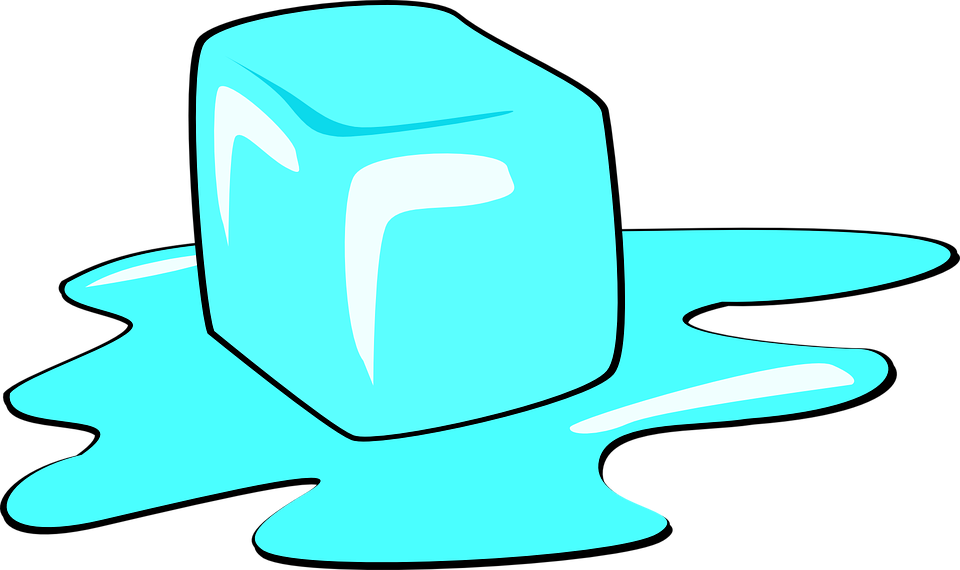
Look at each of the following situations and identify as CHEMICAL or PHYSICAL.
Mix baking soda and Vinegar.

Look at each of the following situations and identify as CHEMICAL or PHYSICAL.
Cooking a hamburger.

Look at each of the following situations and identify as CHEMICAL or PHYSICAL.
A pane of glass is shattered.
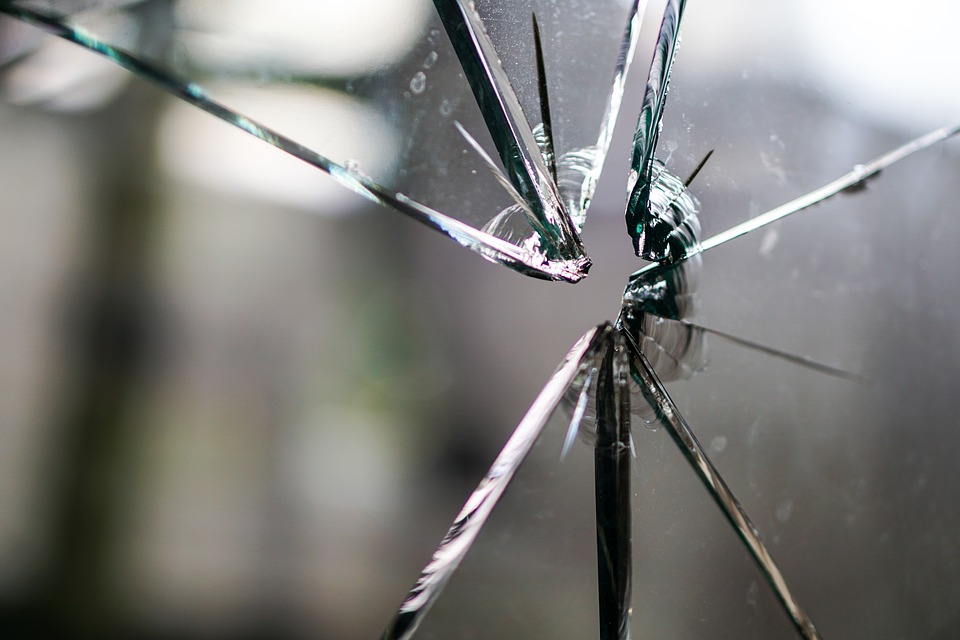
Look at each of the following situations and identify as CHEMICAL or PHYSICAL.
Spark plug igniting gasoline inside a car engine.

Explain what a chemical & physical change is and give examples of each. Your audience is third graders. Use complete sentences.