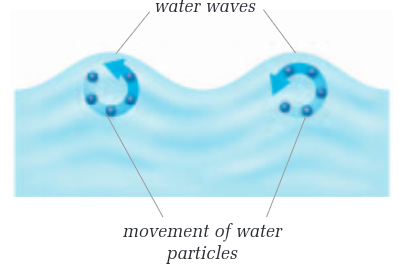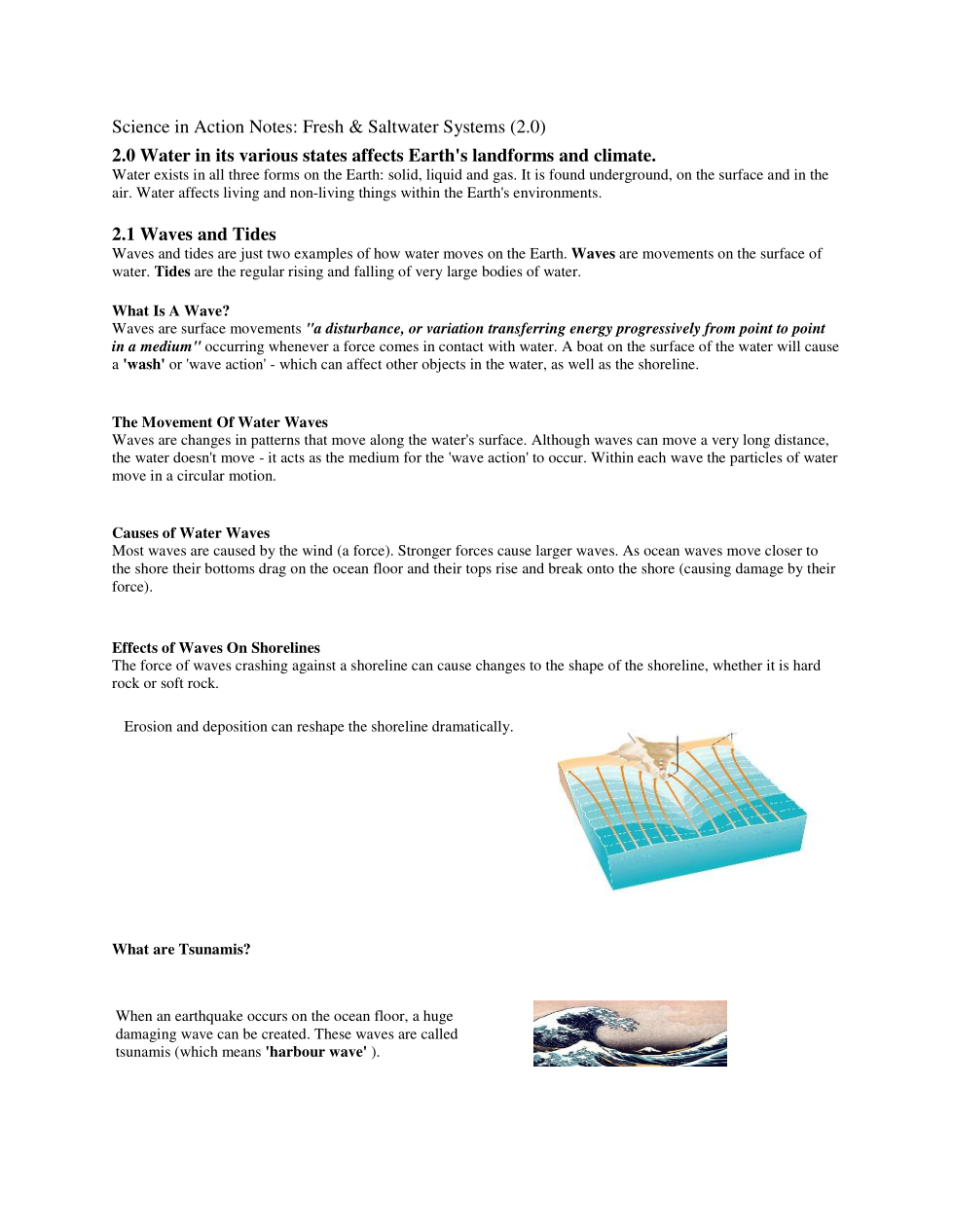
Waves moving across the surface of the water have changing patterns. The ripples can travel thousands of kilometers across the surface but the water itself ...
Sometimes, in order to understand a concept that is important, models are used to help us visualize it.
The movement of waves shown below can be modeled by using ...
Most waves are caused by the wind. The stronger the wind, the bigger the wave. The most damage caused by a wave comes from ...
While waiting for the lake to become calm enough for water skiing, you and your friend sit on the boat dock and watch the waves. Which of the following observations about waves would NOT be correct?
While visiting the ocean for the first time, you notice that the water's level is lower in the afternoon that it was when you fiorst arrived. This change in sea level is caused by...
Which of the following statements about tides is correct?
Hot springs are able to dissolve more minerals than ordinary surface water because as temperature increases the solubility (the ability to be dissolved, especially in water) of substances also increases. Once it reaches the surface, the hot springs cannot hold as much material in the water, so this happens ...
Which of the folowwing statements about hot springs is NOT correct?
Depostion and chemical weathering are terms used to describe forces that change Earth's surface. Which of the statements below would NOT describe these two forces?
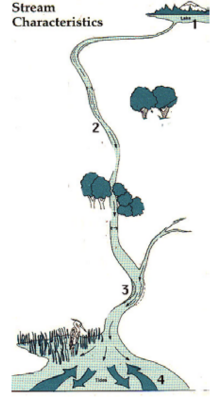
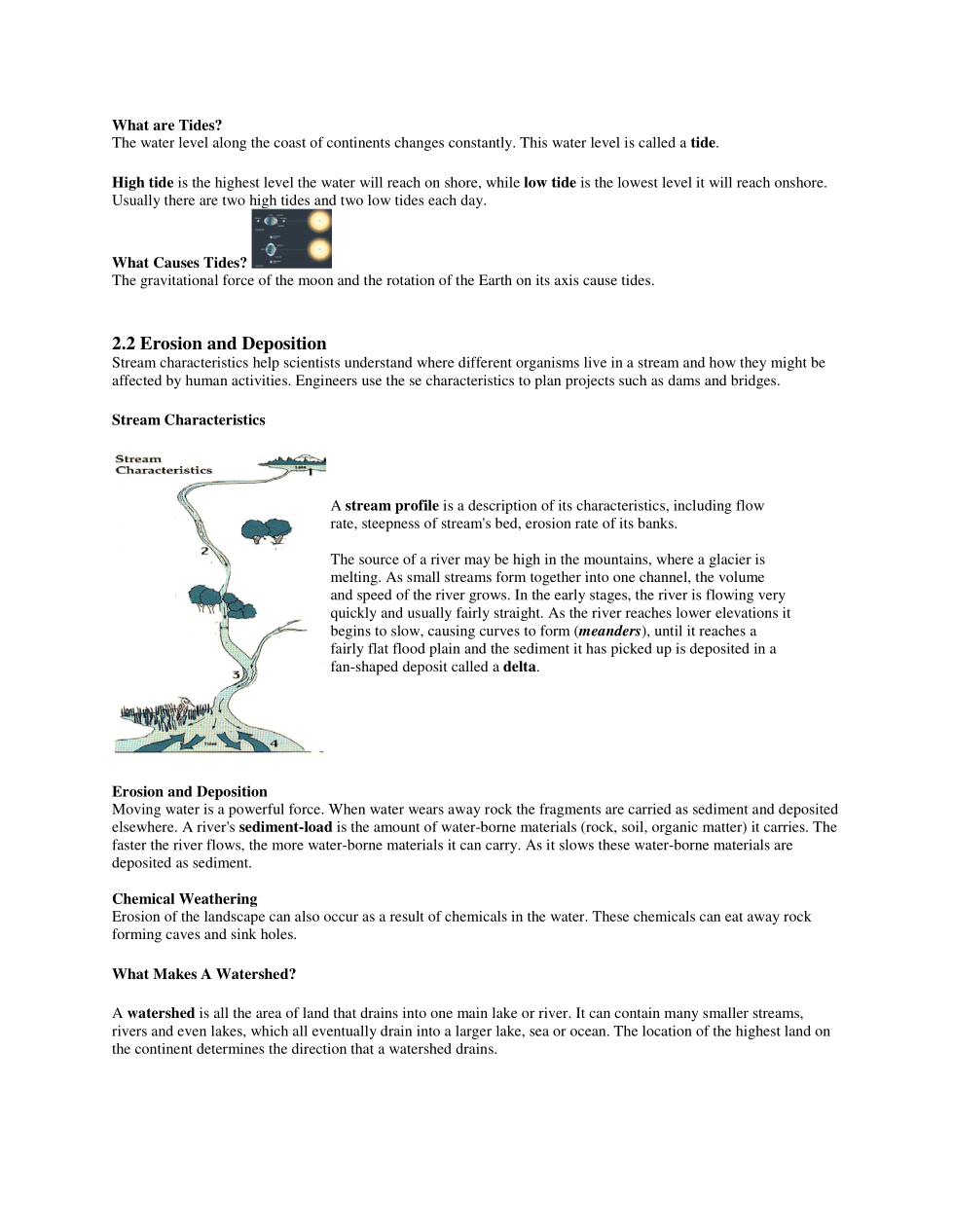
Use the illustration of Stream Characteristics to help you answer the question.
At which point would you most likely find the first signs of sediment being deposited and a meandering motion to the river.
(From the illustration above) A fan-shaped deposit, called a delta, is formed in ...
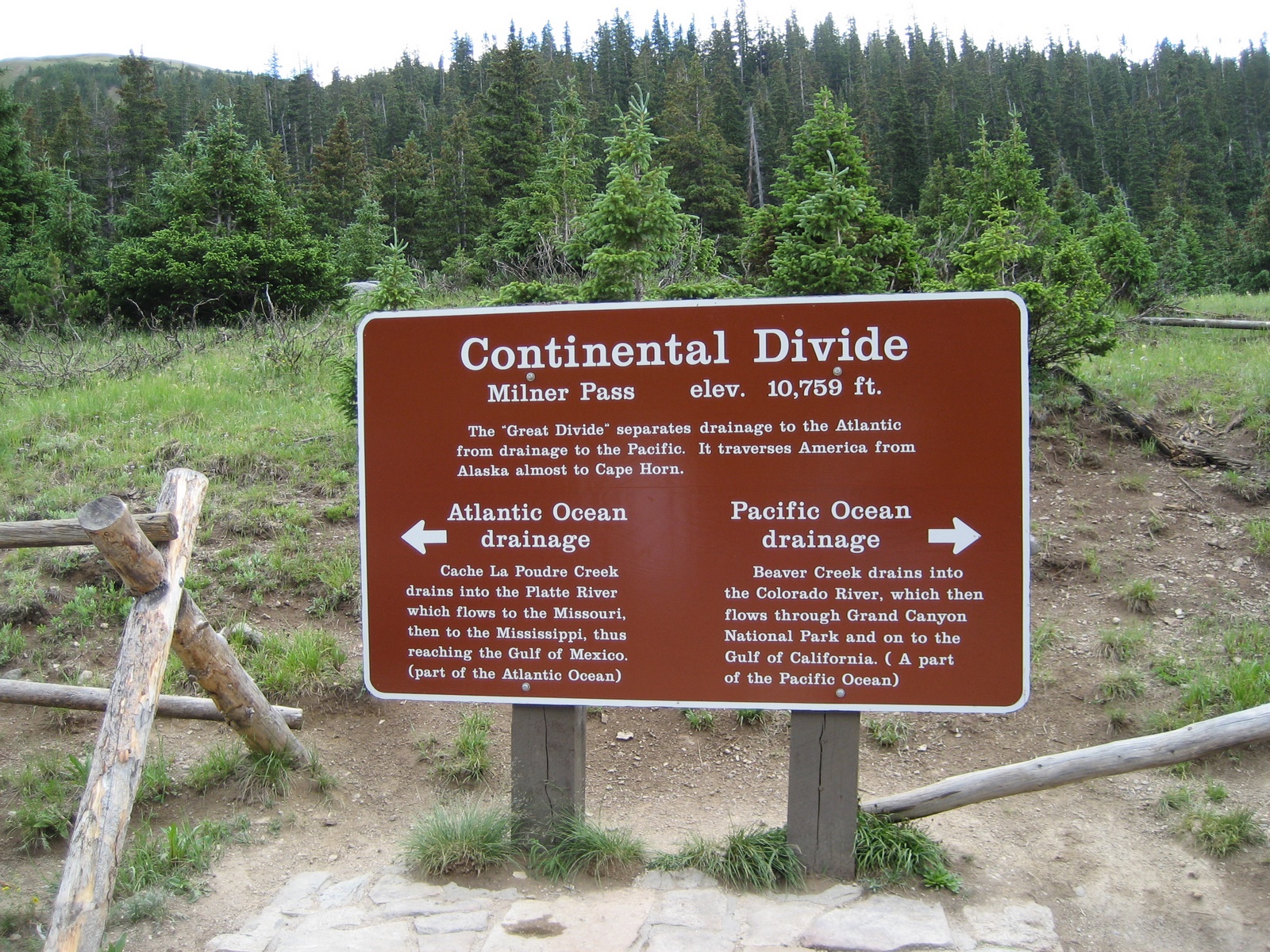
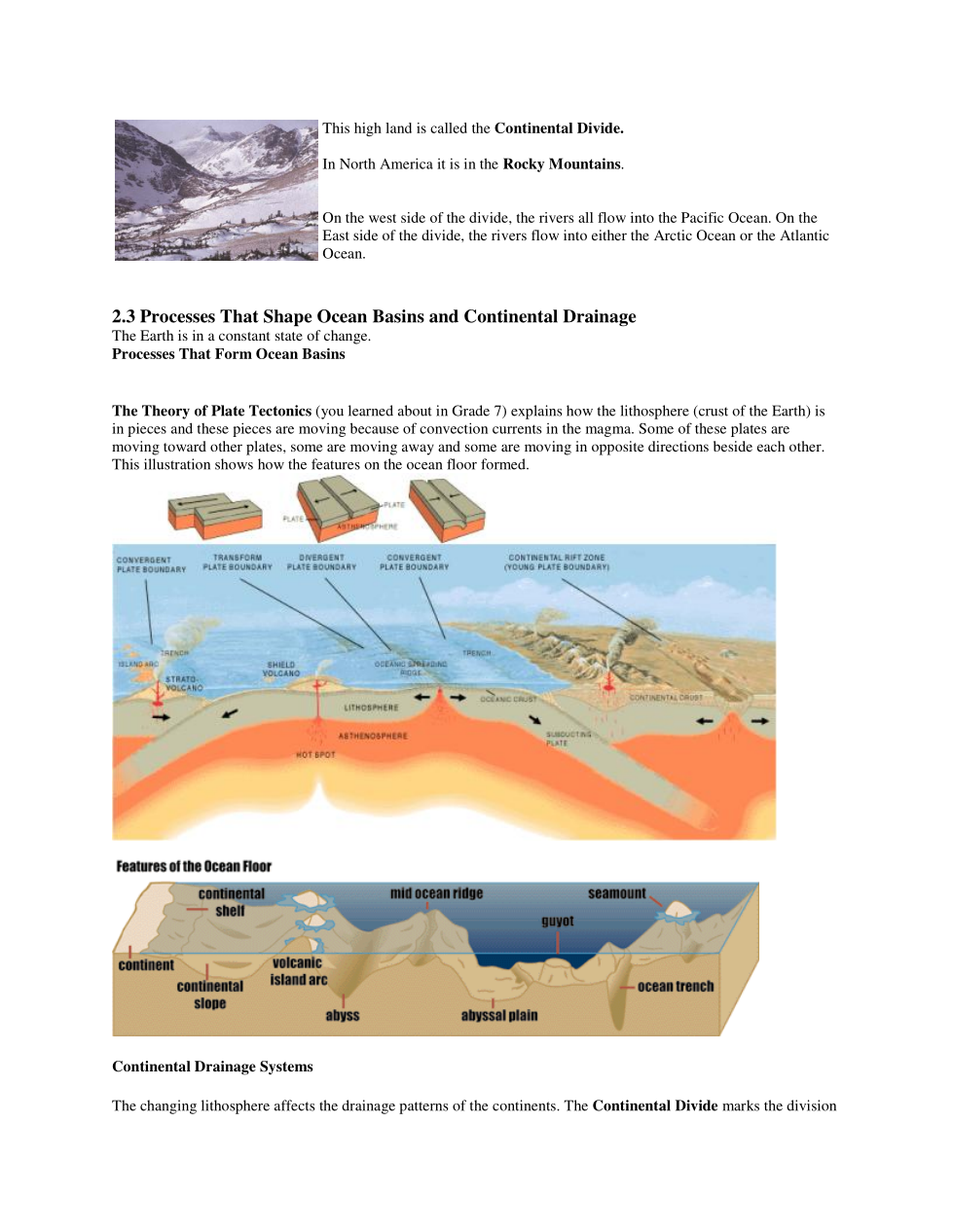
Major North American watersheds are determined by the Continental Divide. This is where you find the highest land and is located in the ...
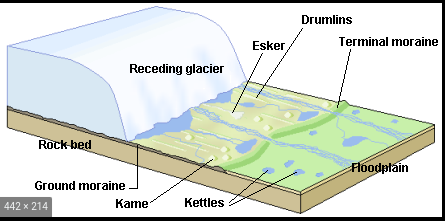
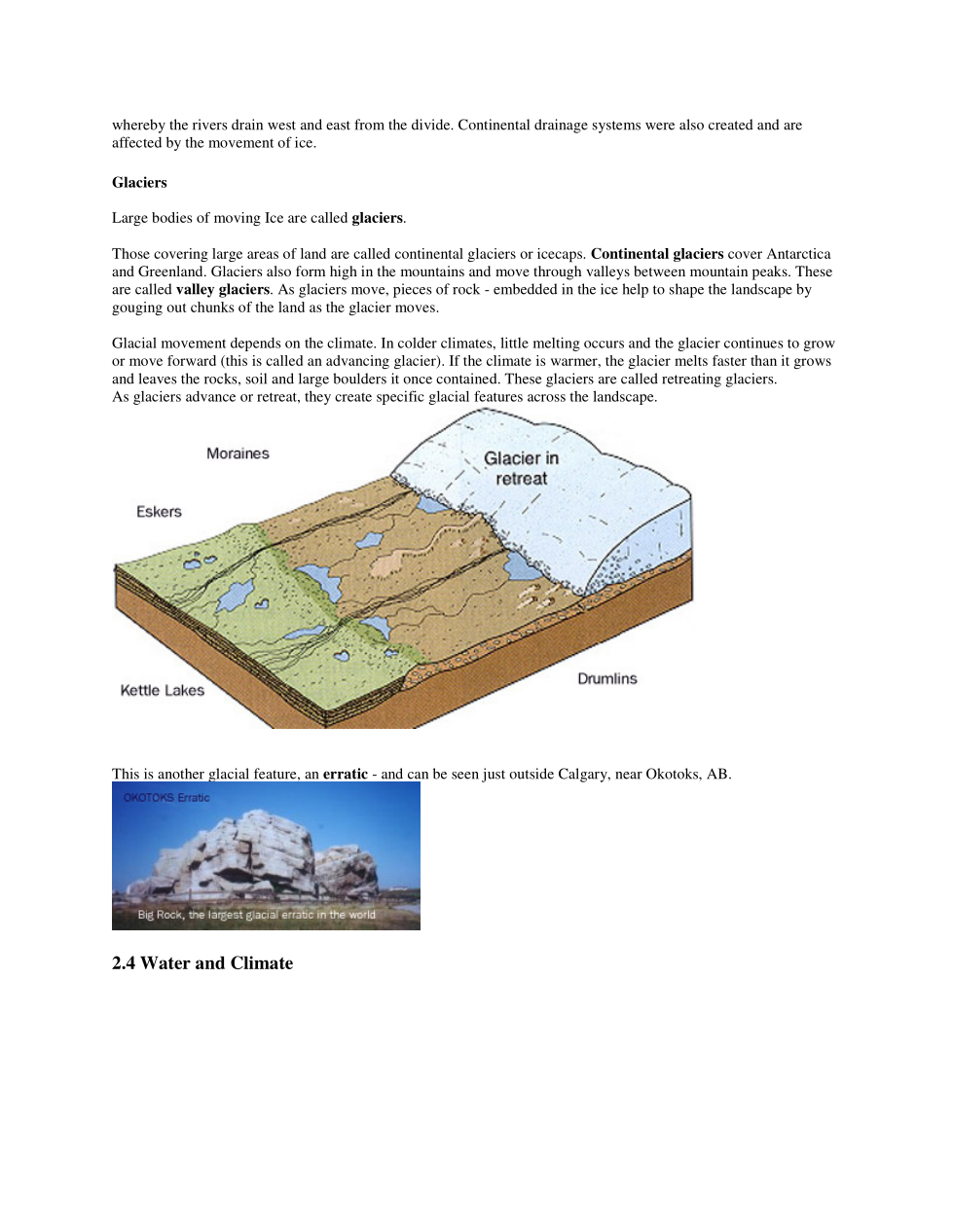
Glaciers gouge huge areas of the land and then reshape the land by the materials they collect. Some of the features include large inland lakes, where the glacier has dug a huge hole and filled it with water. These inland lakes are called ...
Glaciers move and change the landscape as they move. A glacier that is melting will leave rocks and debris it has picked up when it was growing. The melting glacier is called ...
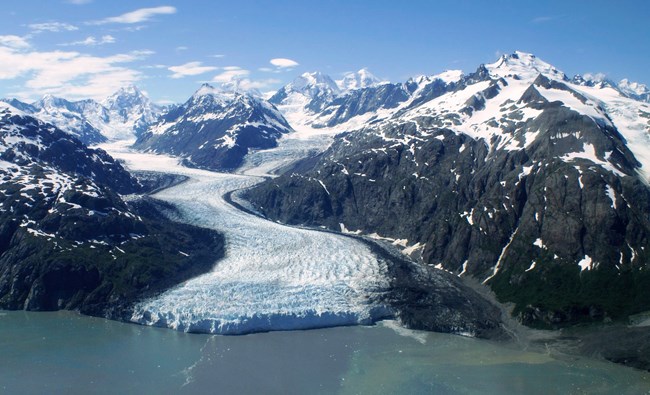
Alfred Wegener proposed that the Earth was divided into huge moving plates. His theory was called the Theory of...
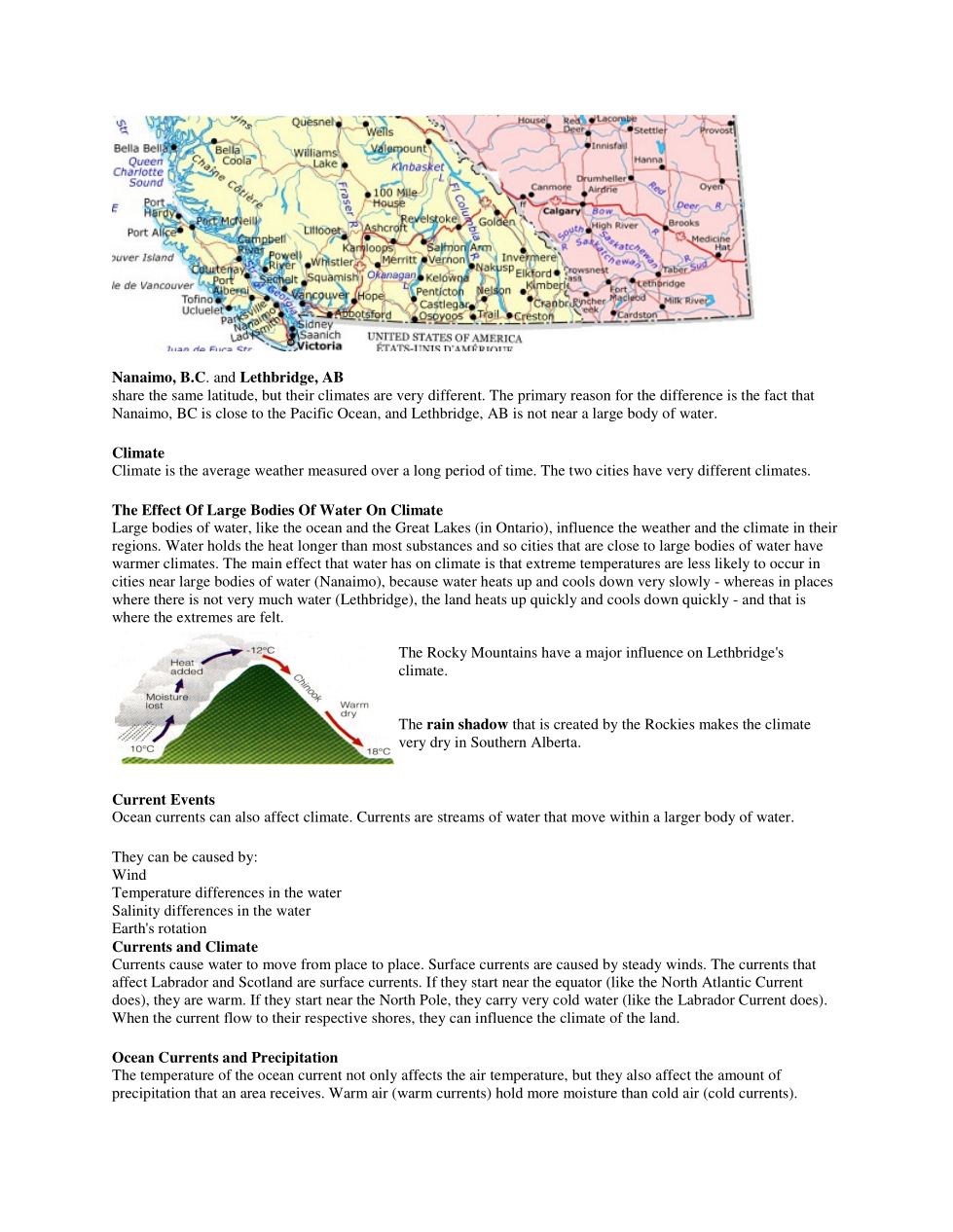
There are large bodies of water that can affect the climate of a particular area. The main effect that they have is to ...
The reason that the eastern side of the Rockies (Lethbridge and Calgary) receives a Chinook (warm dry wind) is because it is located in a ...
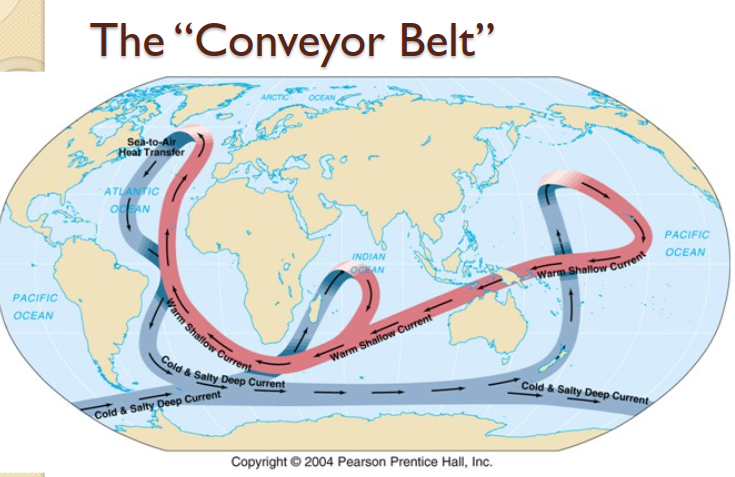
Currents can also affect climate. Surface currents can carry warm air or cold air depending on where the current is coming from. Currents coming from the Arctic region like the Labrador current carry cold air, and that is partly what can account for Labrador’s cold climate. Scotland gets warm air from the North Atlantic Current because it comes from ...
What organization does this symbol represent?

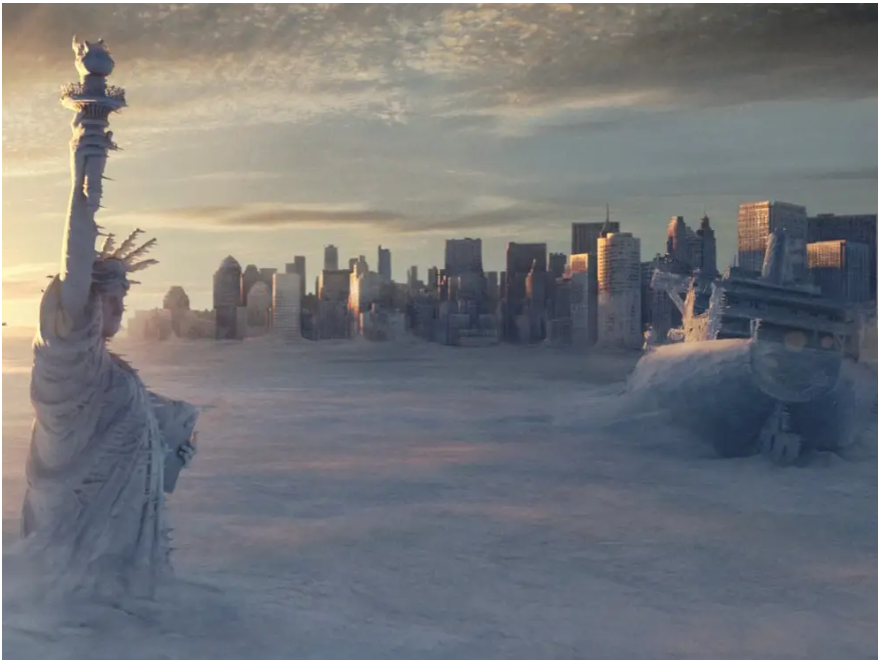
In the movie, "The Day after Tomorrow" a large chunk of the Larsen B Ice shelf was separated from the main ice shelf and was released into the Pacific Ocean and affected the North Atlantic Current. Explain why ice would affect the ocean in this way.