Twa kɔ nsɛm atitiriw so
Log in
Sign up for FREE
arrow_back
Laabri

Enzymes and digestion

star
star
star
star
star
Last updated 4 months ago
31 Nsɛmmisa
2
1
1
1
1
3
1
1
1
10
10
10
4
4
4
4
4
4
4
1
describe biological and chemical processes that maintain homeostasis;
1
describe biological and chemical processes that maintain homeostasis;
1
1
Asemmisa {{asɛmmisaAhyɛnsode}}
1.

This is the

1
1
1
1
1
1
Asemmisa {{asɛmmisaAhyɛnsode}}
7.

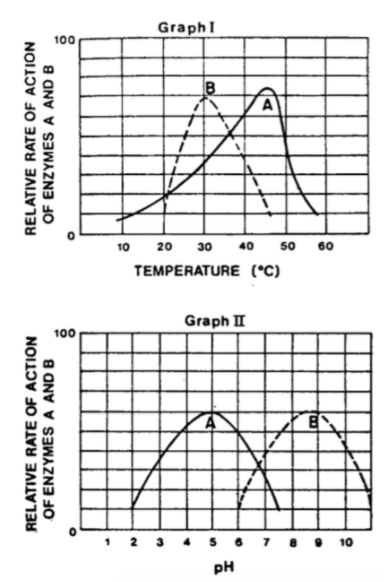
Which enzyme works best in an acidic environment (pH less than 7)

1
1
Asemmisa {{asɛmmisaAhyɛnsode}}
9.

What happens to the enzyme when the pH increases to high?

Asemmisa {{asɛmmisaAhyɛnsode}}
10.

Under which conditions is enzyme A most productive?

Asemmisa {{asɛmmisaAhyɛnsode}}
11.

Various enzymes in our bodies are:

Asemmisa {{asɛmmisaAhyɛnsode}}
12.

Enzymes only work with specific substrates because each enzyme:

Asemmisa {{asɛmmisaAhyɛnsode}}
13.

Structural changes in an enzyme can affect its ability to function correctly. This denaturation can occur as a result of _______________.

Asemmisa {{asɛmmisaAhyɛnsode}}
14.

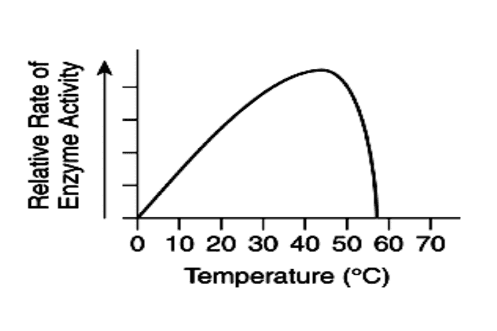
What is the optimal temperature for this enzyme?

Asemmisa {{asɛmmisaAhyɛnsode}}
15.

Label the parts of this diagram showing the catalyzed reaction breaking down hydrogen peroxide into water and oxygen using the terms (A) enzyme, (B) substrate, and (C) products.

Asemmisa {{asɛmmisaAhyɛnsode}}
16.

In the lock and key model of of enzyme function shown above, what is happening in step 2?

Asemmisa {{asɛmmisaAhyɛnsode}}
17.

Some bacteria live in hot springs. Their cells contain enzymes that function best at temperatures of 70 °C or higher. At the temperature of 50 °C, how will the enzymes in these bacterial cells most likely be affected?

Asemmisa {{asɛmmisaAhyɛnsode}}
18.

As food travels through the digestive system, it is exposed to a variety of pH levels. The stomach has a pH of 2 due to the presence of hydrochloric acid (HCl), and the small intestine has a pH ranging from 7 to 9. HCl converts pepsinogen into pepsin, an enzyme that digests proteins in the stomach. Which of the following most likely happens to pepsin as it enters the small intestine?

Asemmisa {{asɛmmisaAhyɛnsode}}
19.

You are analyzing a compound in the laboratory. You find that it is made up of carbon, hydrogen, and oxygen in a ratio of two hydrogen atoms for each carbon atom. How will you classify the compound?

Asemmisa {{asɛmmisaAhyɛnsode}}
20.

Fats, oils and cholesterol are all types of what?

Asemmisa {{asɛmmisaAhyɛnsode}}
21.

The enzyme lactase will break down the sugar lactose into which of the following components? (hint: look at the -ose ending of lactose)

Asemmisa {{asɛmmisaAhyɛnsode}}
22.

Which sequence shows the pathway that food takes in the digestive system?

Asemmisa {{asɛmmisaAhyɛnsode}}
23.

Which of the following system breaks food into nutrients that can be used by the body?

Asemmisa {{asɛmmisaAhyɛnsode}}
24.

The digestion process begins in which of the following?

Asemmisa {{asɛmmisaAhyɛnsode}}
25.

Which best describes the role of the esophagus in digestion?

Asemmisa {{asɛmmisaAhyɛnsode}}
26.

What does the stomach do for the body?

Asemmisa {{asɛmmisaAhyɛnsode}}
27.

What is the primary function of the large intestine?

Asemmisa {{asɛmmisaAhyɛnsode}}
28.

Look at the diagram above and answer the question below.

Asemmisa {{asɛmmisaAhyɛnsode}}
29.

The digestive deconstructs food both mechanically and chemicaly.

Asemmisa {{asɛmmisaAhyɛnsode}}
30.

The alimentary canal can also be referred to as the .......

Asemmisa {{asɛmmisaAhyɛnsode}}
31.

The process of digestion starts where?

Asemmisa {{asɛmmisaAhyɛnsode}}
2.

This is the

Asemmisa {{asɛmmisaAhyɛnsode}}
3.

This is the

Asemmisa {{asɛmmisaAhyɛnsode}}
4.
Asemmisa {{asɛmmisaAhyɛnsode}}
5.

At what temperature does this enzyme work the fastest?

Asemmisa {{asɛmmisaAhyɛnsode}}
6.
Asemmisa {{asɛmmisaAhyɛnsode}}
8.

Which enzyme works best in a neutral environment?