Log in
Sign up for FREE
arrow_back
Library
Gears and Torque Test
By Terri Henry
star
star
star
star
star
Share
share
Last updated over 4 years ago
33 questions
Add this activity
Note from the author:
PLTW mechanisms test for automation and robotics.
1
1
1
1
1
1
1
1
1
1
1
1
1
1
1
1
1
1
1
1
1
1
1
1
1
1
1
1
1
1
1
1
1
Question 1
1.
Mechanisms are used to . . .
D All of the above
A Change the direction of movement
B Changes the type of movement
C Change the speed/torque of movement
Question 2
2.
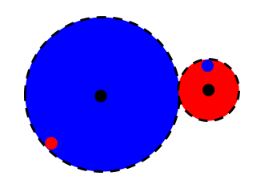
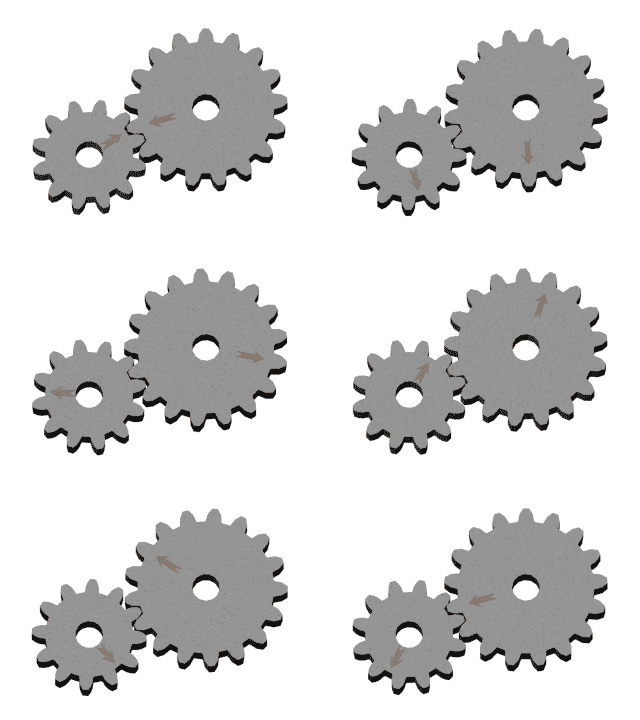
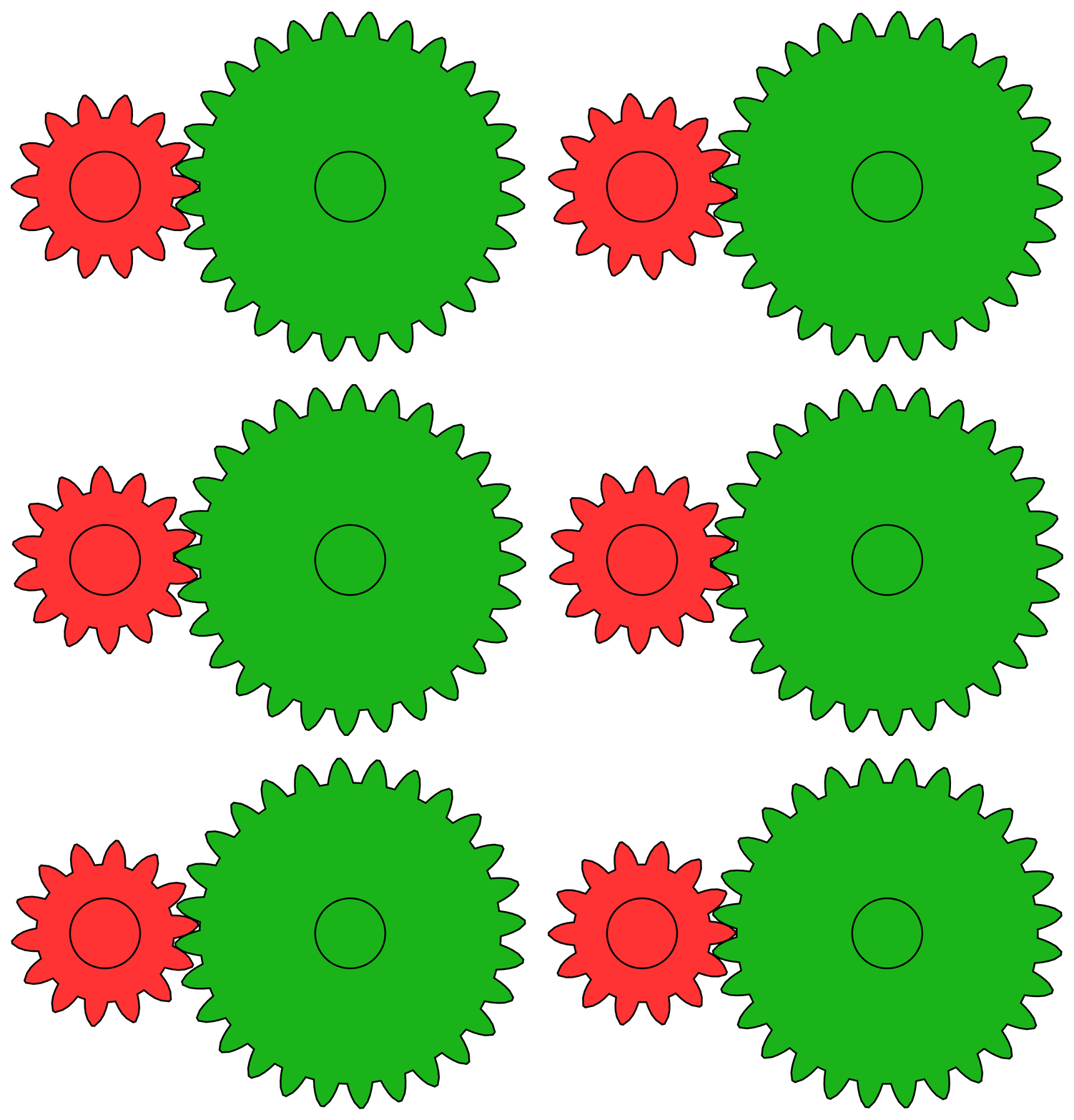
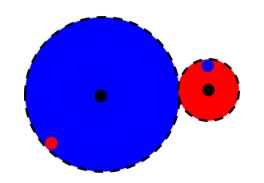
Two meshed gears, like the picture, are connected to each other. What could be done to make the gears spin in the same direction?
A Add a crank and slider
D Change the gears to sprockets
C Add and idler gear in between red and blue gear
B Change the input and output gears
Question 3
3.
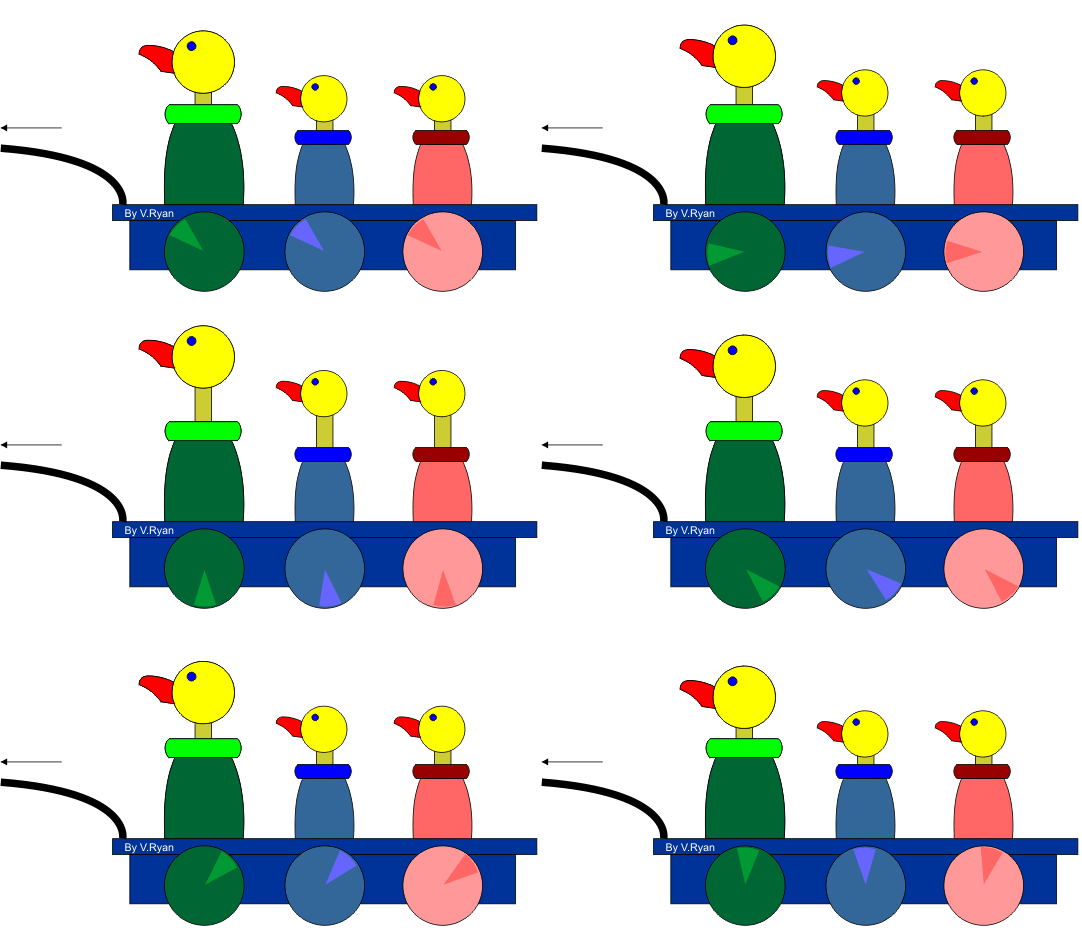
What is the type of output movement?
A Reciprocating
B Linear
D Rotary
C Oscillating
Question 4
4.
What are the four kinds of movement mechanisms can have?
A Rotary, Oscillating, Reciprocating, Linear
D Circular, Linear, Up, Down
B Up, Down, Left, Right
C Oscillating, Back and forth, Rotary, Circular
Question 5
5.
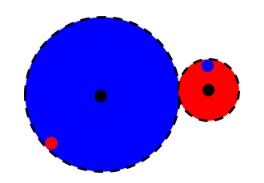
Use the picture to tell which gear would need to be the input for a higher torque gear ratio?
B The large gear
A The small gear
C You would need a motor
D You cannot increase the torque
Question 6
6.
Use the picture to tell which gear would need to be the input for a higher speed gear ratio?
A The large gear
C You would need a motor
D You cannot increase the speed
B The small gear
Question 7
7.
Is this gear ratio geared for torque or speed? Input gear 36 teeth, output gear 12 teeth
B Torque
A Speed
Question 8
8.
Is this gear ratio geared for torque or speed? Input gear 6 teeth, output gear 54 teeth
A Speed
B Torque
Question 9
9.
Which mechanisms change rotary motion to linear motion?
B Belt drive, cam and follower
D Leadscrew, crank and slider
C Rack and pinion, leadscrew
A Gear train, crank and slider
Question 10
10.
Which mechanisms change rotary motion to reciprocating motion?
C Crank and slider, cam and follower
D Rack and pinion, belt drive
A Gear train, crank and slider
B Worm wheel, crank and slider
Question 11
11.
Which mechanism can transfer power around a corner?
D Universal joint
B Chain drive
A Bevel gear
C Lead screw
Question 12
12.
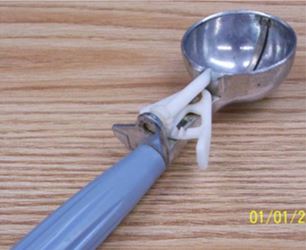
Which type of mechanism can be found in an ice cream scoop?
C Rack and pinion
D Cam and follower
A Worm Wheel
B Bevel gear
Question 13
13.
Which of the following mechanisms can be used to increase torque?
B Worm and wheel
A Universal Joint
C Crank and Slider
D None of the above
Question 14
14.
If the input and output gears of a gear train are the same size then what is the gear ratio?
C 1:2
D There is not enough information to tell
B 1:1
A 2:1
Question 15
15.
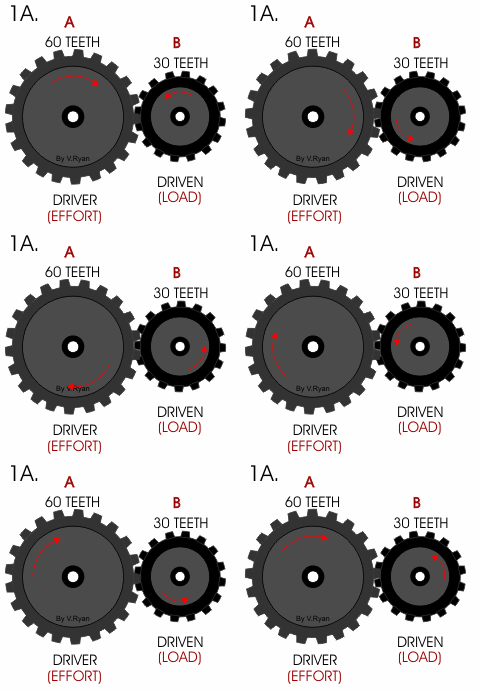
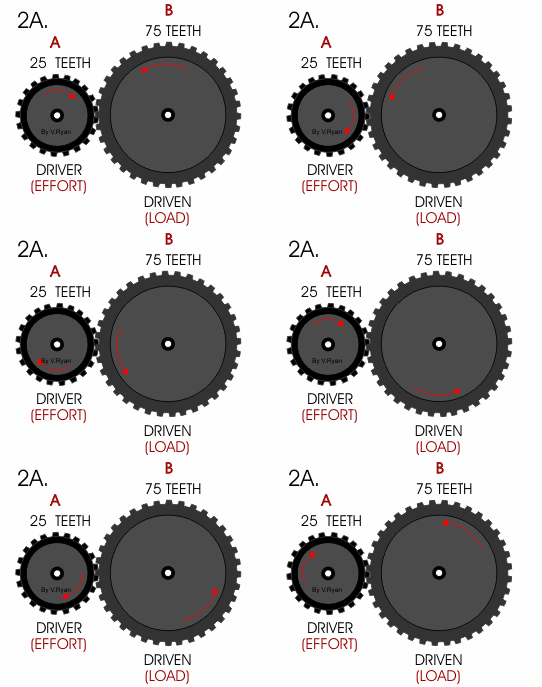
What is the gear ratio for the gear pictured. Do NOT Reduce. Use : to seperate the two numbers.
Question 16
16.
What is the gear ratio (smallest numbers) for the gear pictured.
Question 17
17.
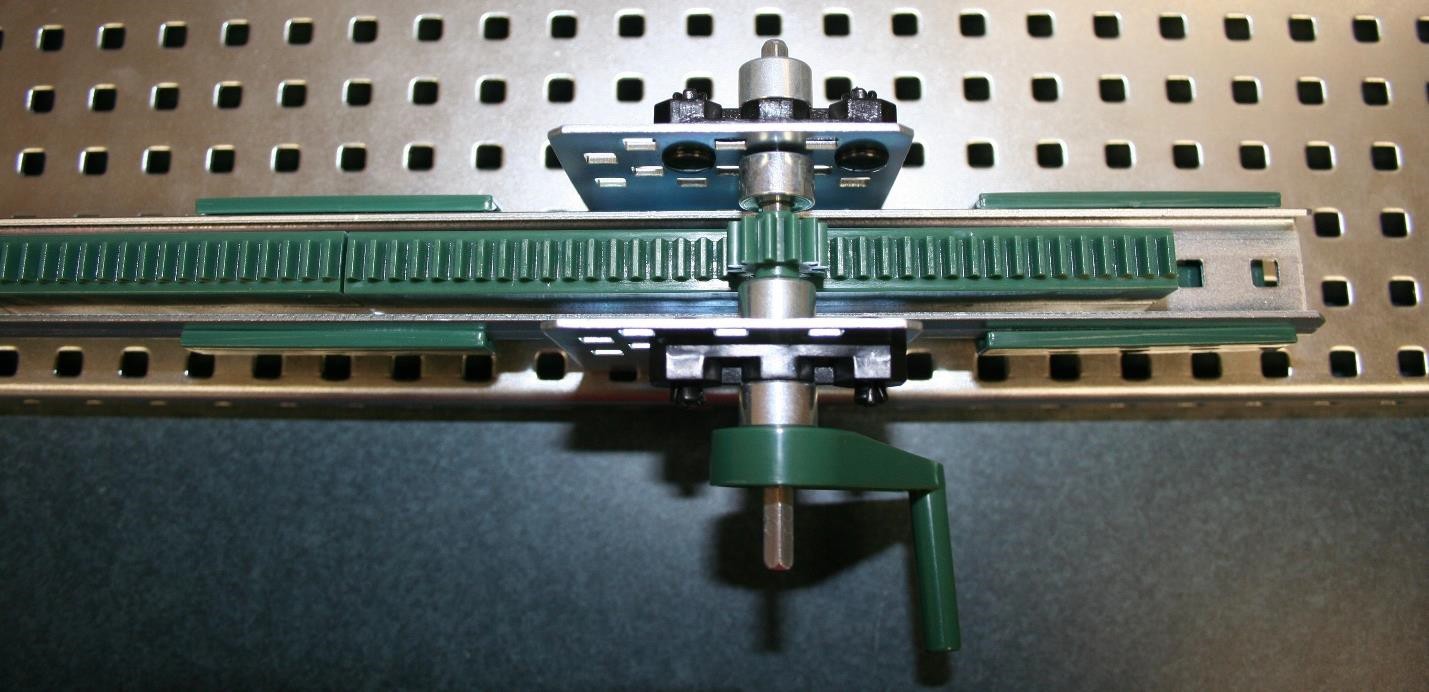
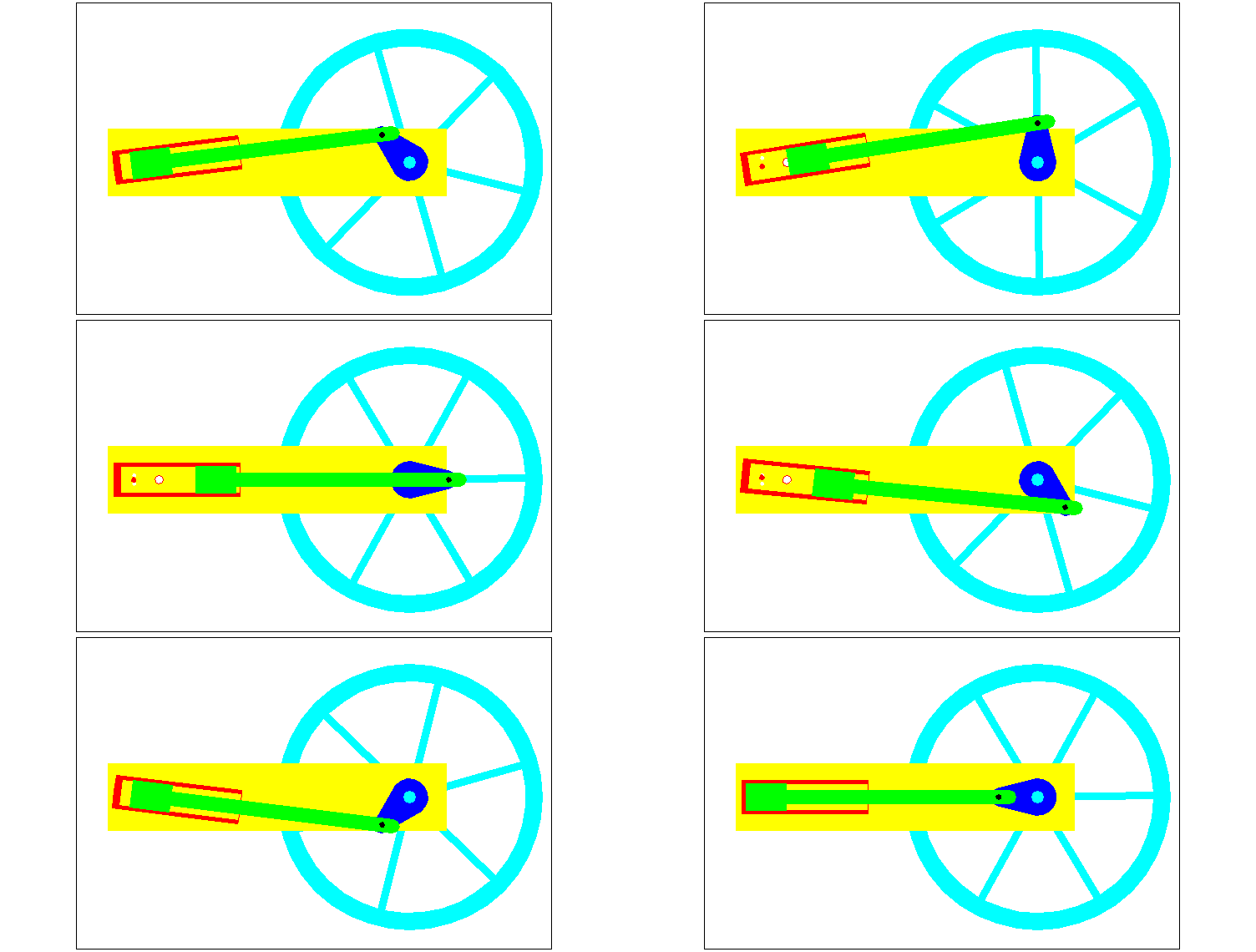
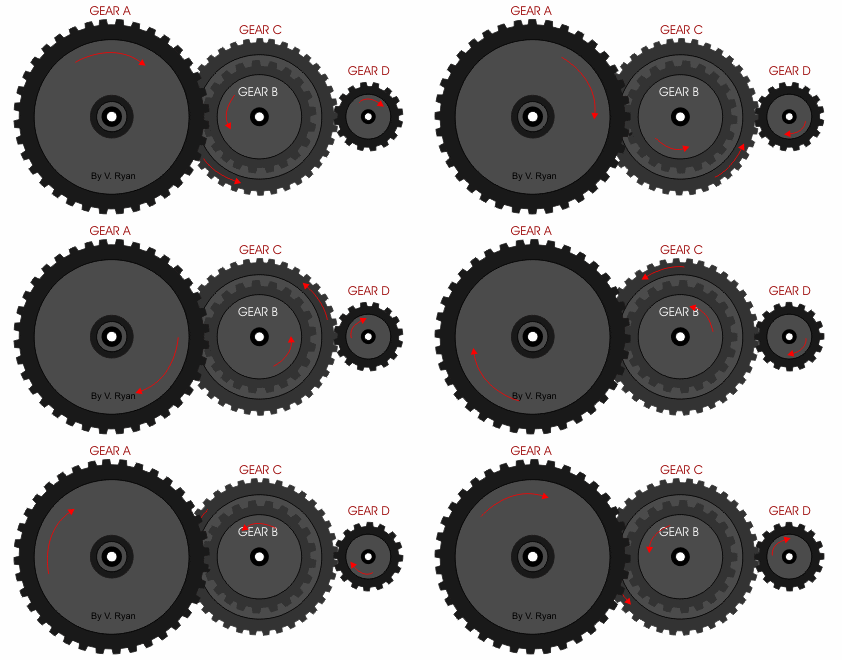
In the gears pictured, what type of motion is being transferred?
A Rotary to linear
C Rotary to rotary
B Linear to rotary
D Rotary to oscillating
Question 18
18.
In the gears pictured what type of motion is being transfered?
C Rotary to linear
B Rotary to oscillating
A Rotary to rotary
D Linear to rotary
Question 19
19.
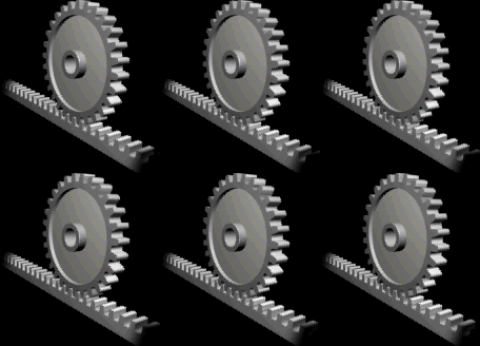
What type of gear is being used in this picture?
Question 20
20.
What type of gear does this picture represent?
Question 21
21.
What type of gear is pictured here?
Question 22
22.
What type of gear is represented in the picture?
Question 23
23.
Name the gear that transits power and motion to the rest of the system.
B Output gear
C Gear ratio
A Driven gear
D Input gear
Question 24
24.
What does the idler gear do for the input and output gears?
C Allow the input and output gears to flow in opposite directions.
A It increase the flow of energy.
D The ideler gear does not have any effect on the input and output gears.
B Allow the input and output gears to flow in the same direction.
Question 25
25.
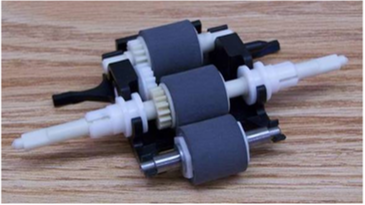
Which type of mechanism can be found in a print roller?
B Simple gear
C Lead screw
A Worm wheel
D Simple gear with idler
Question 26
26.
An increase in torque and a change in direction causes a decrease in speed. This is an example of
Gear change
Gear down
Gearing
Gear up
Question 27
27.
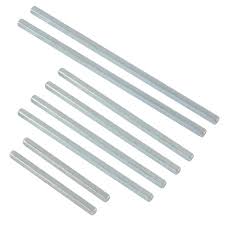
What is this part called?
Shafts
Sticks
Axels
Stabbing tools
Question 28
28.
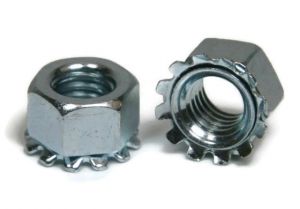
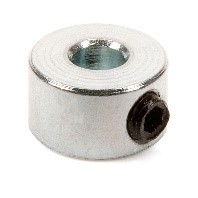
What is the name of this piece?
Nylock
Bearing
Shaft Collar
KEPS Nut
Question 29
29.
What is this piece used for?
Transmitting force
Mounting a gear
Keeping a shaft from moving around
Spacing things out, so they don't rub together.
Question 30
30.
There is only ONE correct way to attach these - which one is it?
Rivets go through the metal, into the bottom of the bearing.
Rivets go through the metal, into the top of the bearing
Rivets go through the bottom of the bearing, into the metal
Rivets go through the top of the bearing into the metal.
Question 31
31.
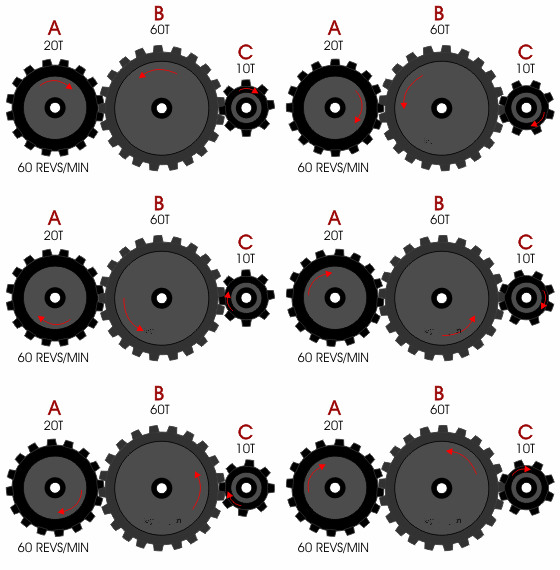
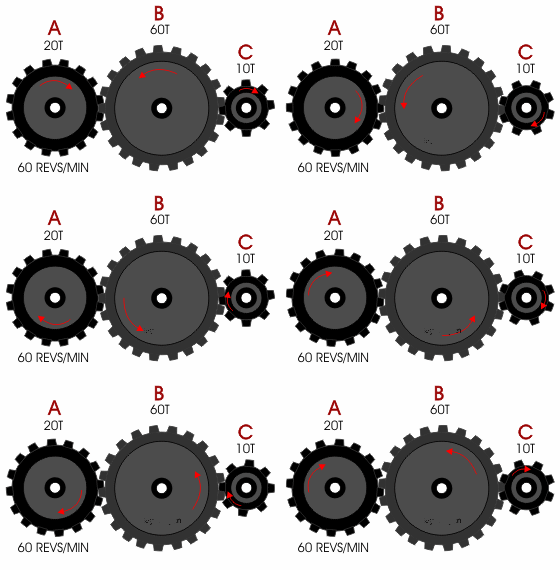
What is the gear ratio for this gear if A is the Driven gear? DO NOT REDUCE.
Question 32
32.
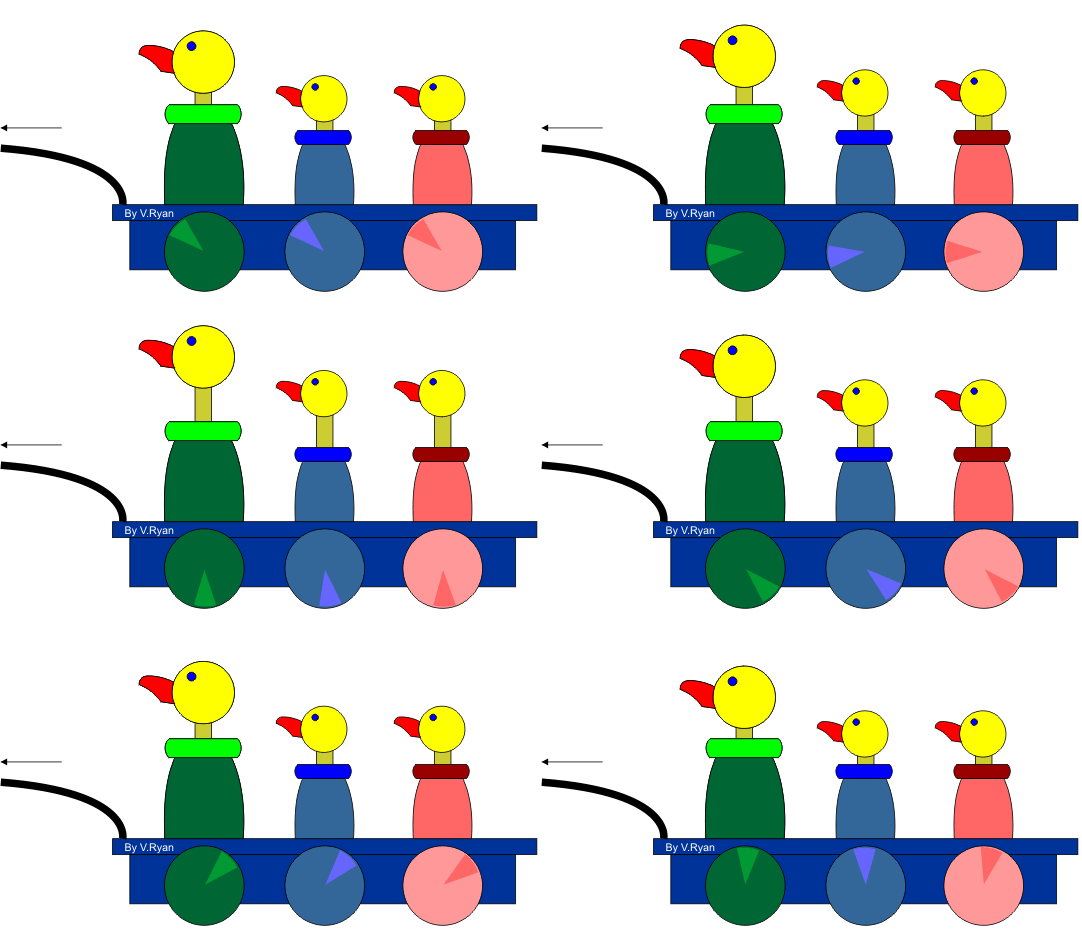
What type of movement is being generated by the OUTPUT gear?
Linear
Recipicating
Rotary
Oscillation
Question 33
33.
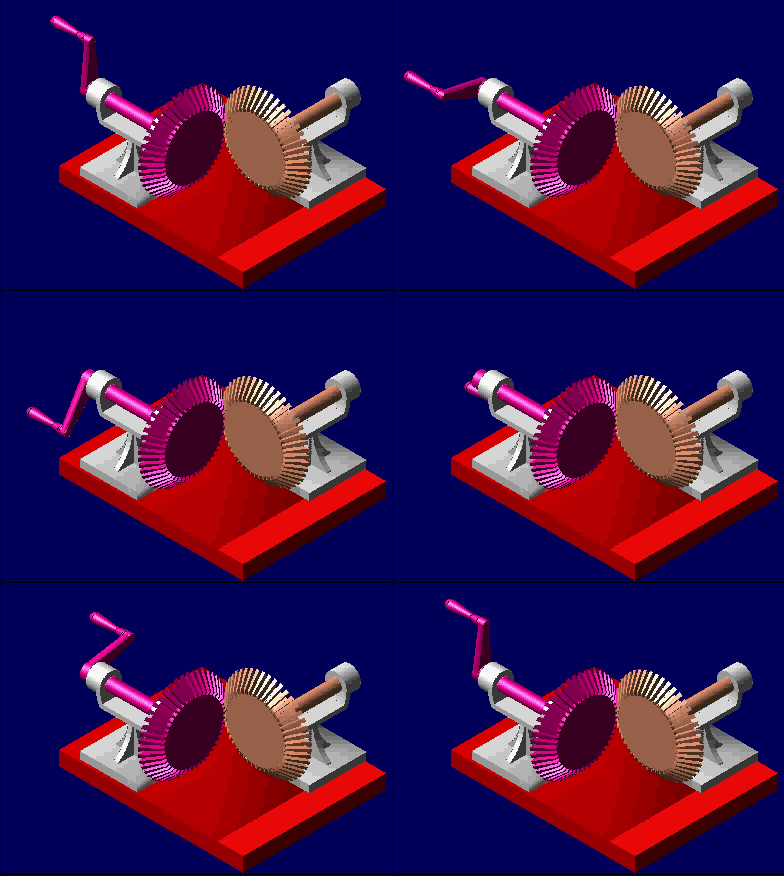
What is the angle of the input shaft to the output shaft?
360 degrees
Perpendicular
180 degrees
Parallel