2.4 Build an Atom Phet Simulation
star
star
star
star
star
Last updated almost 4 years ago
21 Nsɛmmisa
1
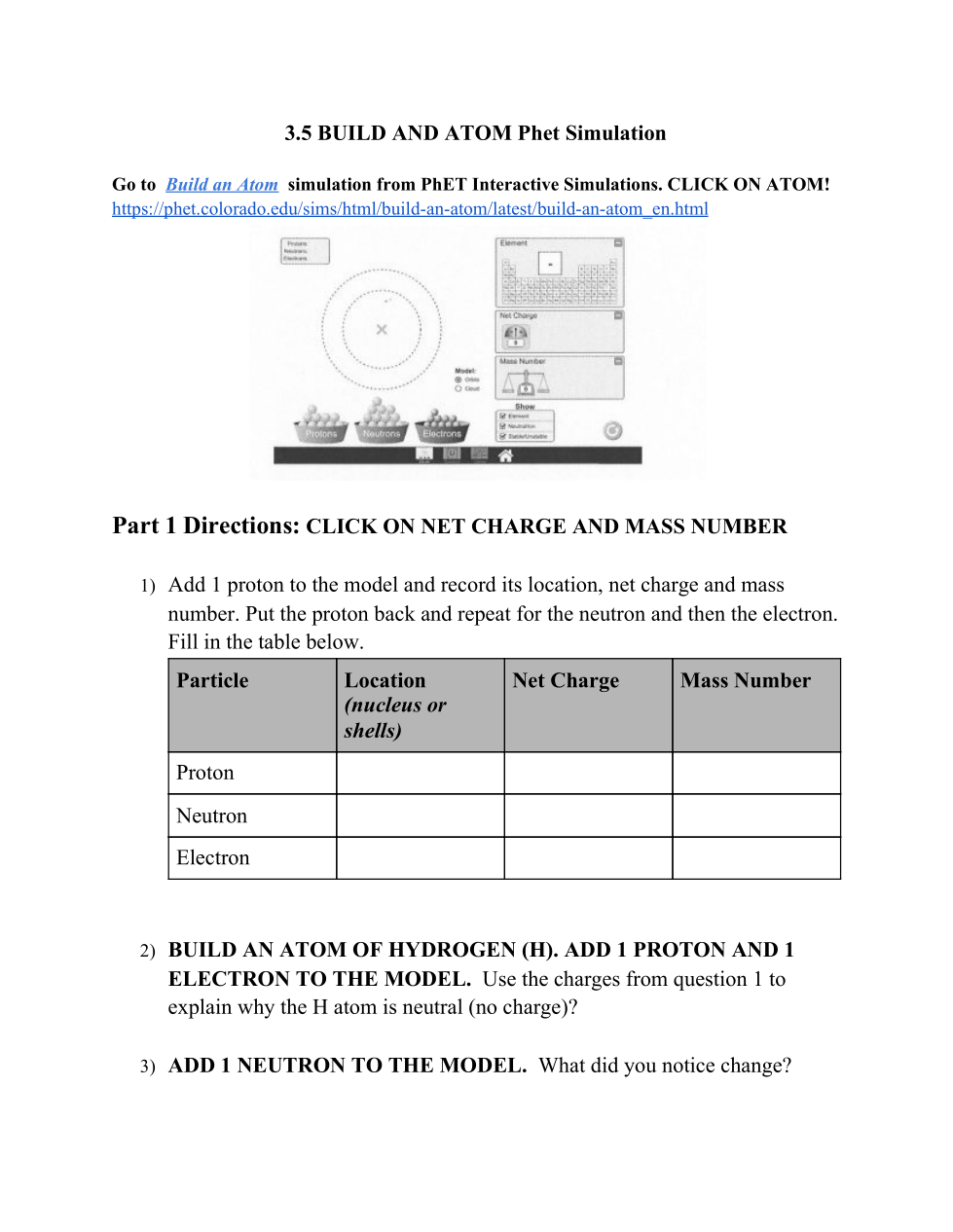
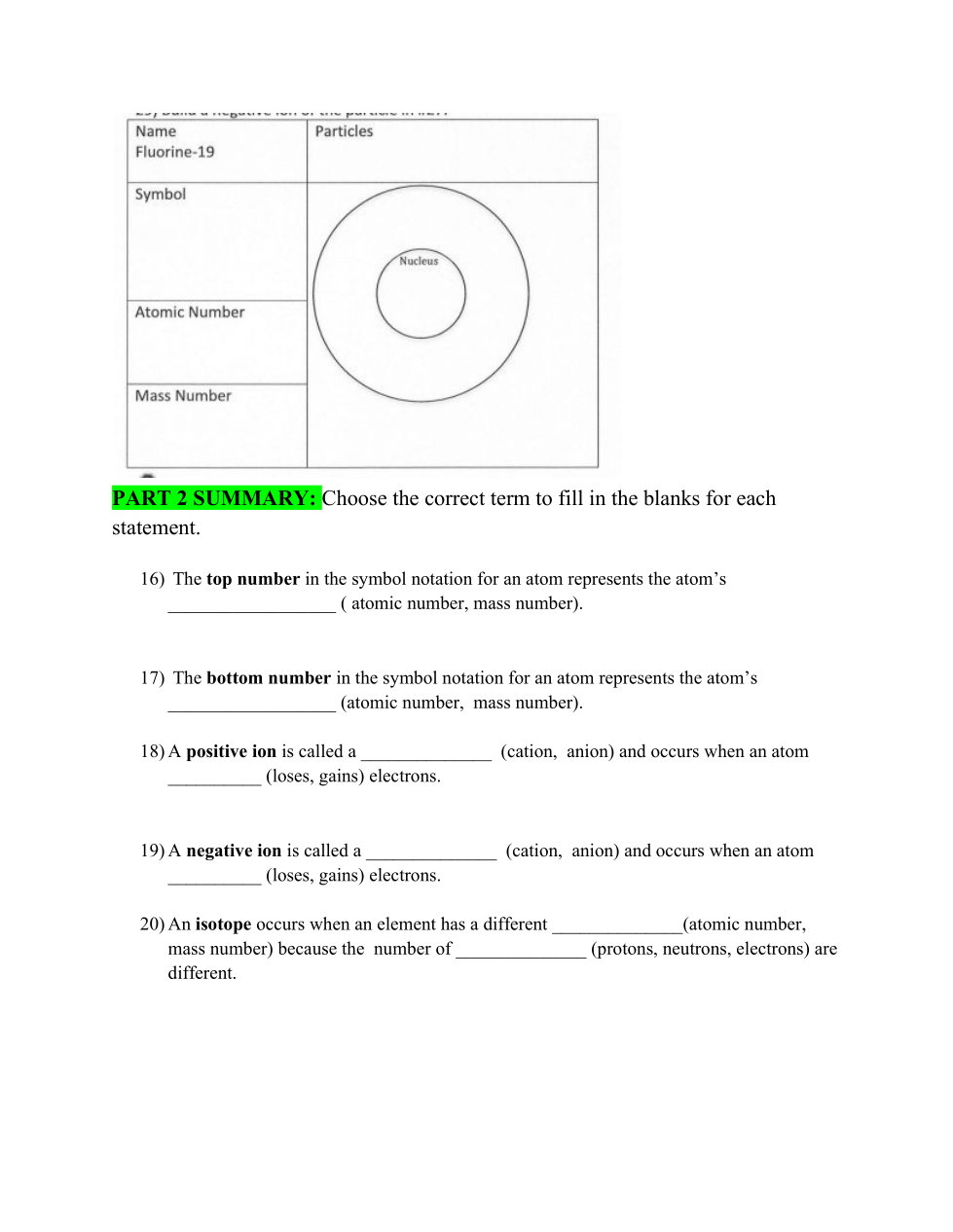
Fill out the Table- Some parts are filled in for you
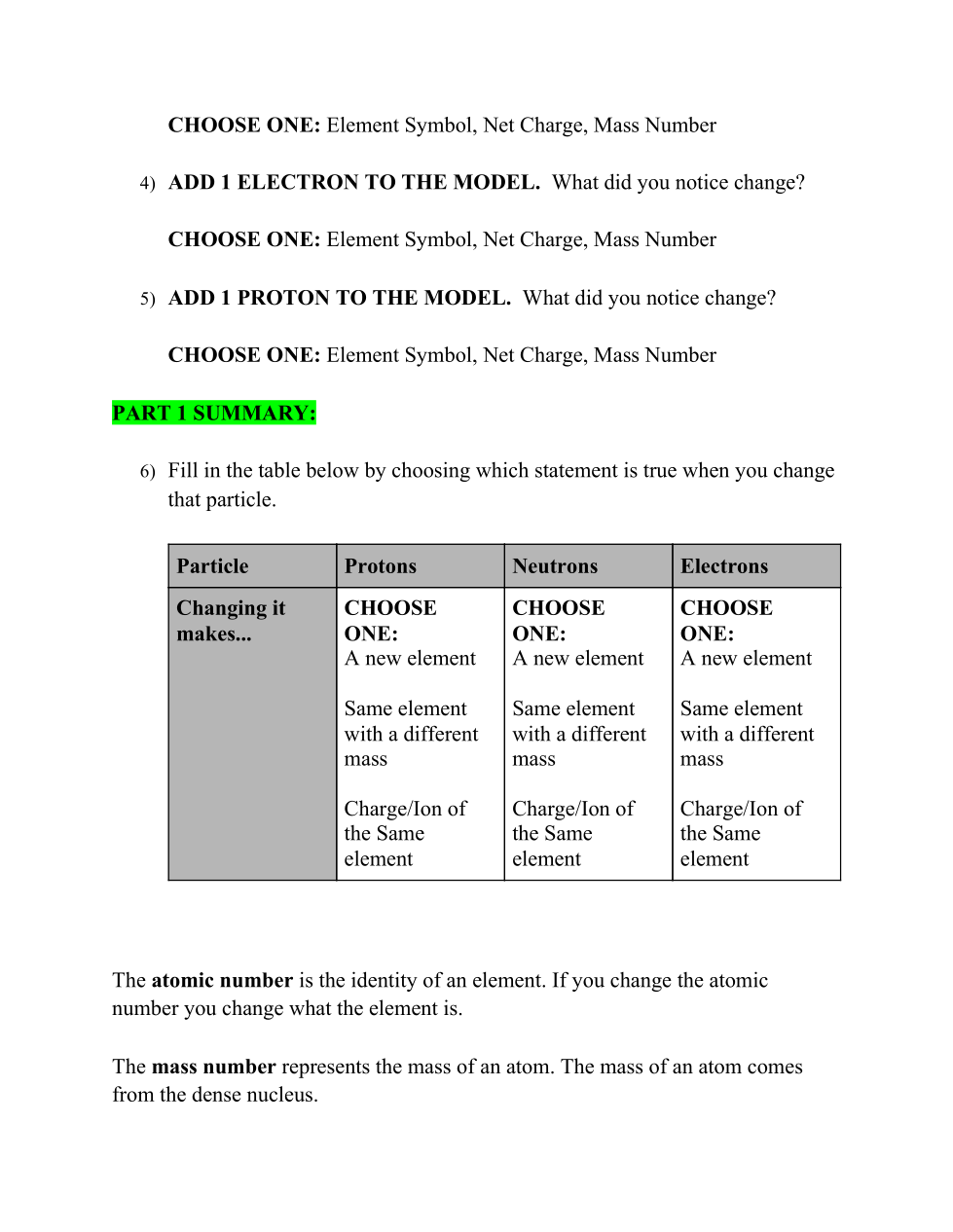
What changed when you added 1 more electron to the H atom model?

Move the choice to each category that makes the statement true
Protons
Electrons
Neutrons
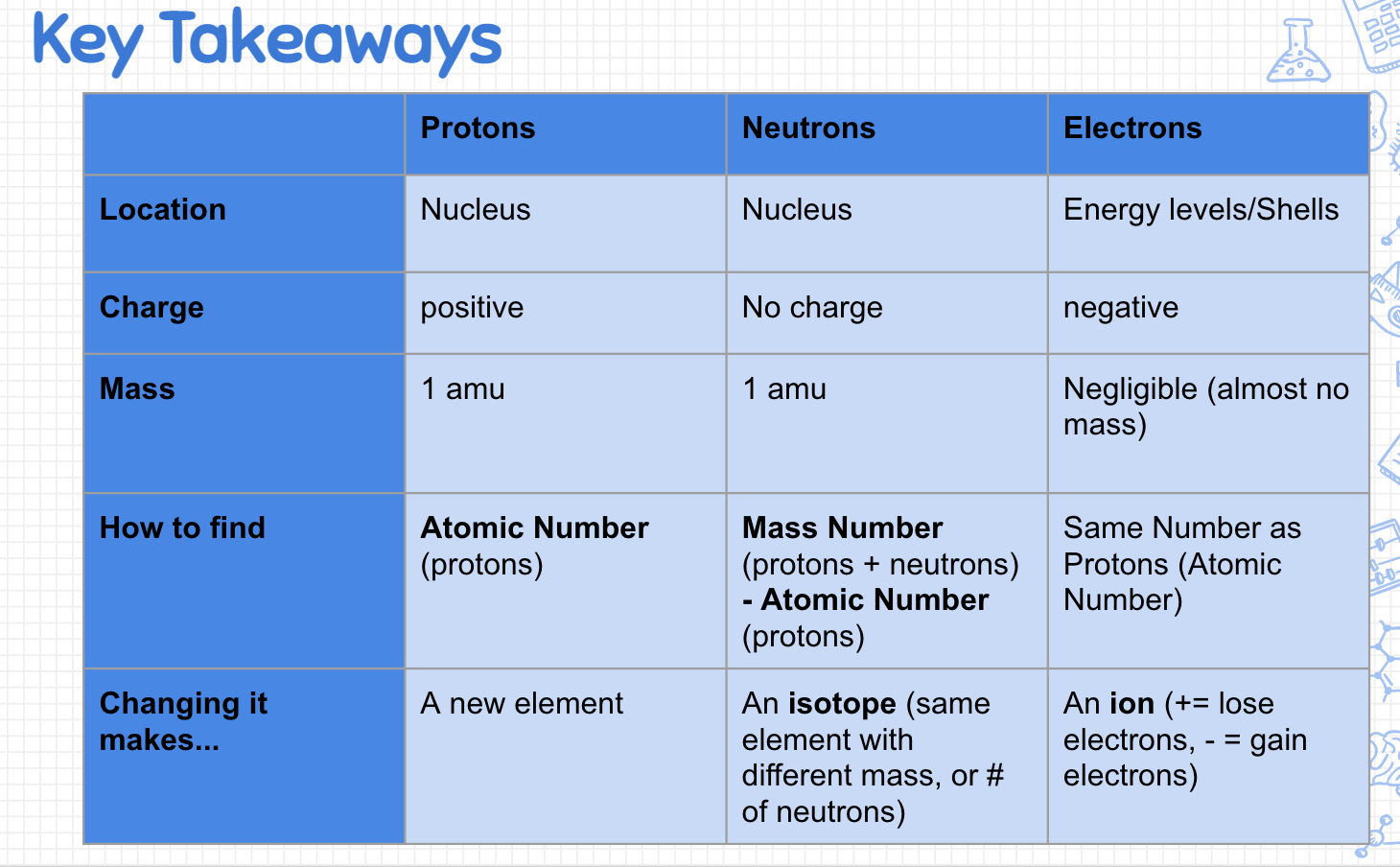
Atomic Number is the number of __________.
Mass Number is the number of protons + _______________.
An ion (charge) forms when __________ are added or removed from the atom.
Click on Symbol icon at bottom of the simulation page to help you fill out this chart
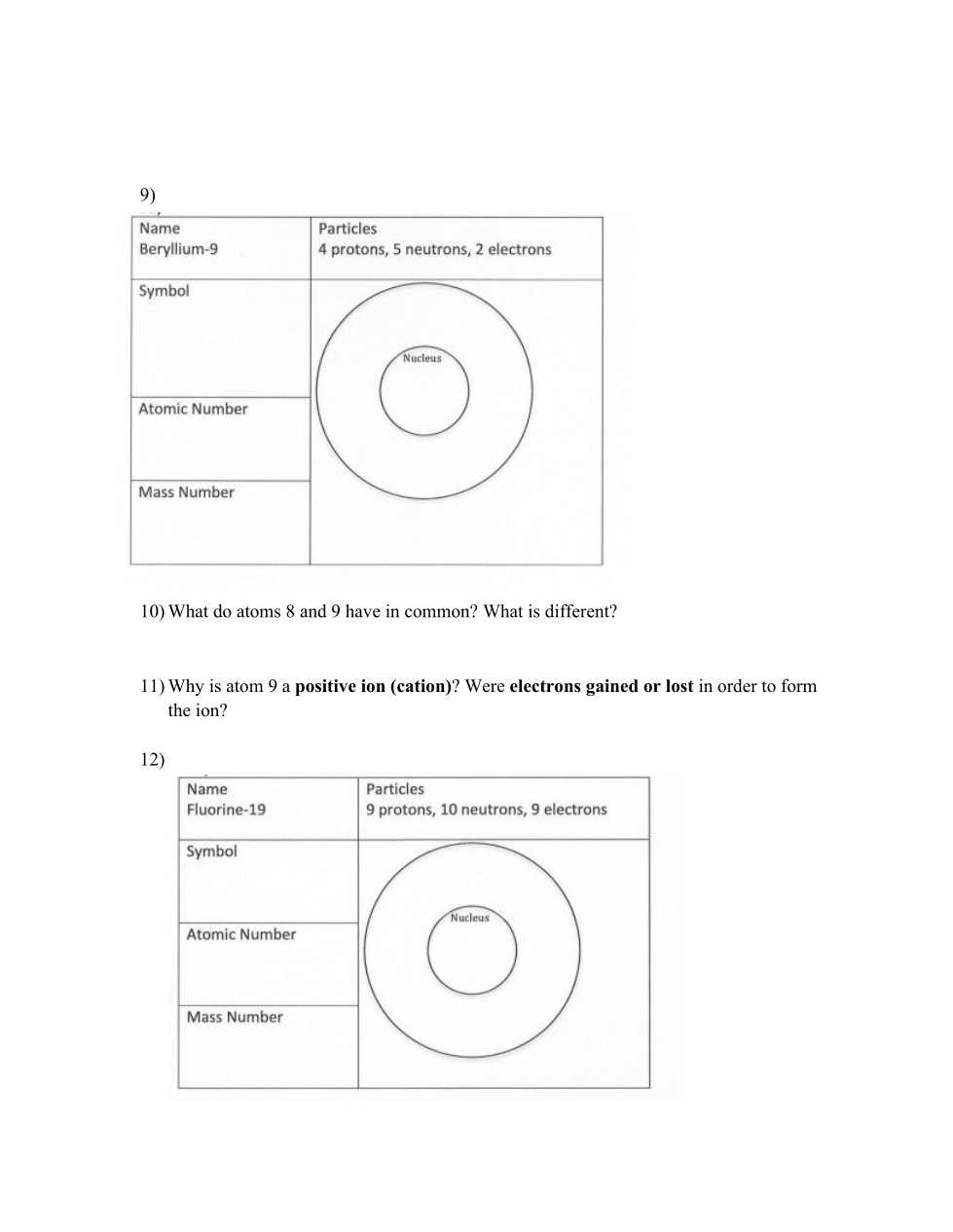
Draw or take a screen shot picture from phet simulation to answer.
Why is atom 9 a positive cation? Were electrons gained or lost in order to form the ion?

How would you build a negative ion (anion) for atom 12? Would you need to lose or gain electrons?
Draw or take a screen shot picture from phet simulation to answer
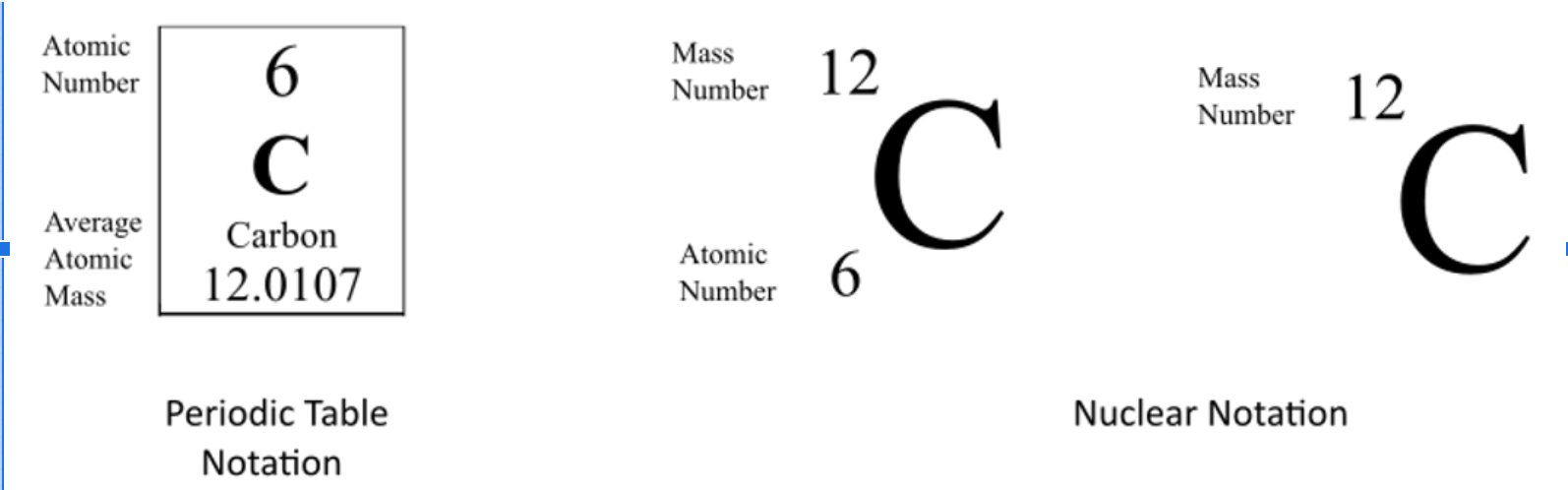
The TOP NUMBER in the symbol notation for an atom represents the atom's ________________
Record 1 Got and 1 Need from this activity
Note: Look at the question and directions on the left column for #2 and then answer the question.
Why is the H, hydrogen, atom neutral (no charge)? Select all that are true
What changed when you added 1 neutron to the H atom model?
What changed when you added 1 more proton to the H atom model? (choose all that apply)
Changing each particle makes... (Move around the particles on the left column so that it matches what happens when that particle changes)
| Draggable item | arrow_right_alt | Corresponding Item |
|---|---|---|
Add/Remove Electrons | arrow_right_alt | A new element forms |
Add/Remove Protons | arrow_right_alt | Same element with a different mass |
Add/Remove Neutrons | arrow_right_alt | Forms a charge/ion of the same element |
Choose all that are true
Draw or take a screen shot picture from phet simulation to answer
Draw or take a screen shot picture from phet simulation to answer
The BOTTOM NUMBER in the symbol notation for an atom represents the atom's ________________
A POSITIVE ION is called a ____________________ (cation, ion) and occurs when an atom ______________ (loses, gains) electrons. Choose the two correct terms to fill in blanks
A NEGATIVE ION is called a ____________________ (cation, ion) and occurs when an atom ______________ (loses, gains) electrons. Choose the two correct terms to fill in blanks
An ISOTOPE occurs when an element has a different ____________ (atomic number, mass number) because the number of _______________ (protons, neutrons, electrons) are different. Choose the two correct terms to fill in blanks