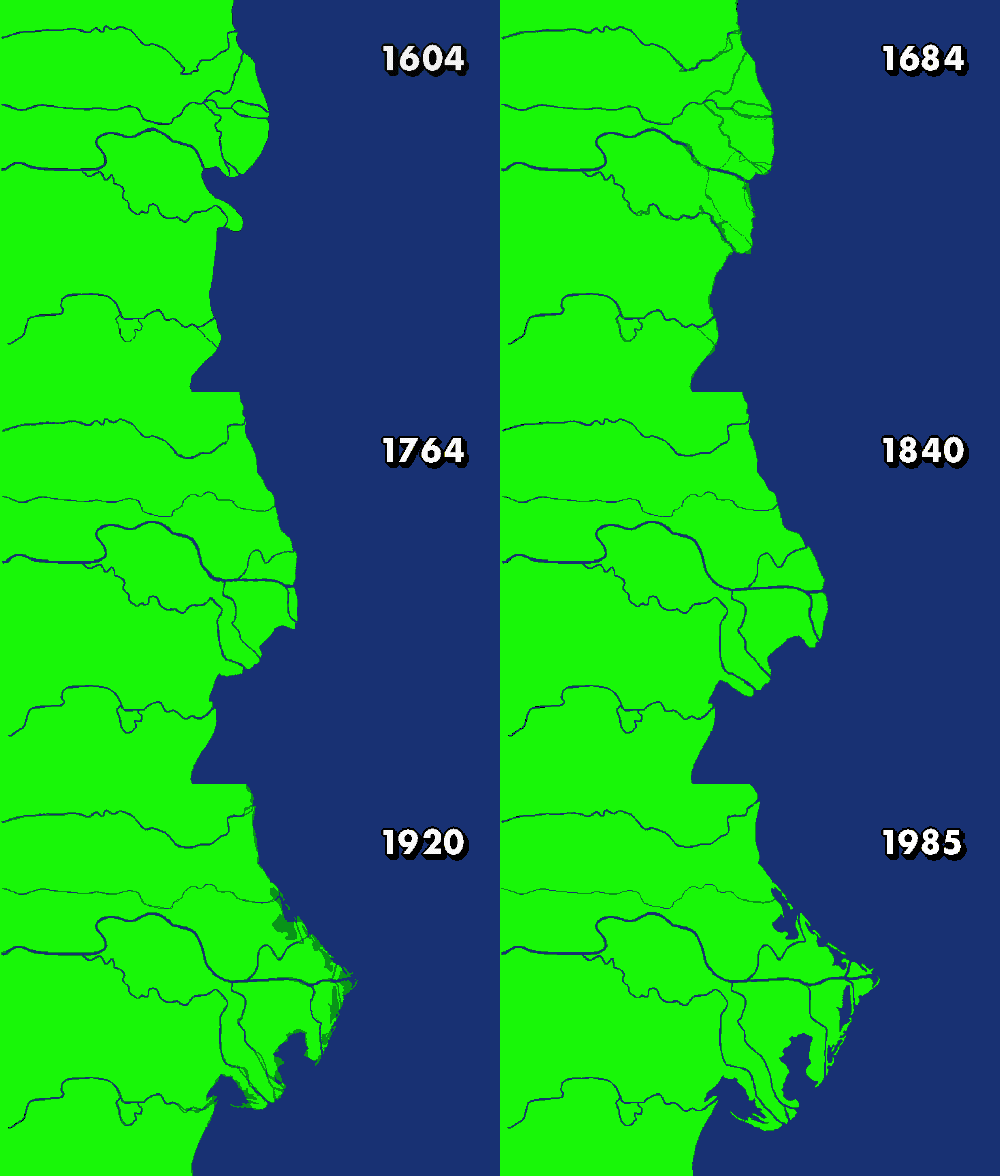
Watch the time lapse video of the Ucayali river in Peru from 1985 - 2013. What do you notice is changing about the river? What does it look like the river creates at the end?
Sentence Starter: As I was watching the time lapse of river from 1985-2013, I noticed... The river at the end looks...
1 point
1
Question 2
2.
What does a canyon, delta, and sinkhole all have in common? They are the results of erosion and deposition.
Erosion is the process by which sediments are _______ or carried from one place to another. The 4 main causes or _______ of erosion are wind, water, ice and waves.
Deposition is the geological process in which sediments are _______ to land.
What _______ have been created by erosion and deposition?
Canyons and valleys are made by the flow of water and water moving _______ sediments from a stream bed. The _______ the river or stream, the greater the erosion force.
1 point
1
Question 3
3.
Word Bank:
deposited
land
loses
rapid
reservoir
flat
Erosion and deposition can create a _______ area called a "floodplain". When a stream empty's a body of water; such as an ocean, estuary, lake, or _______ its current slows and sediment is _______. A fan shape pattern is formed called a delta.
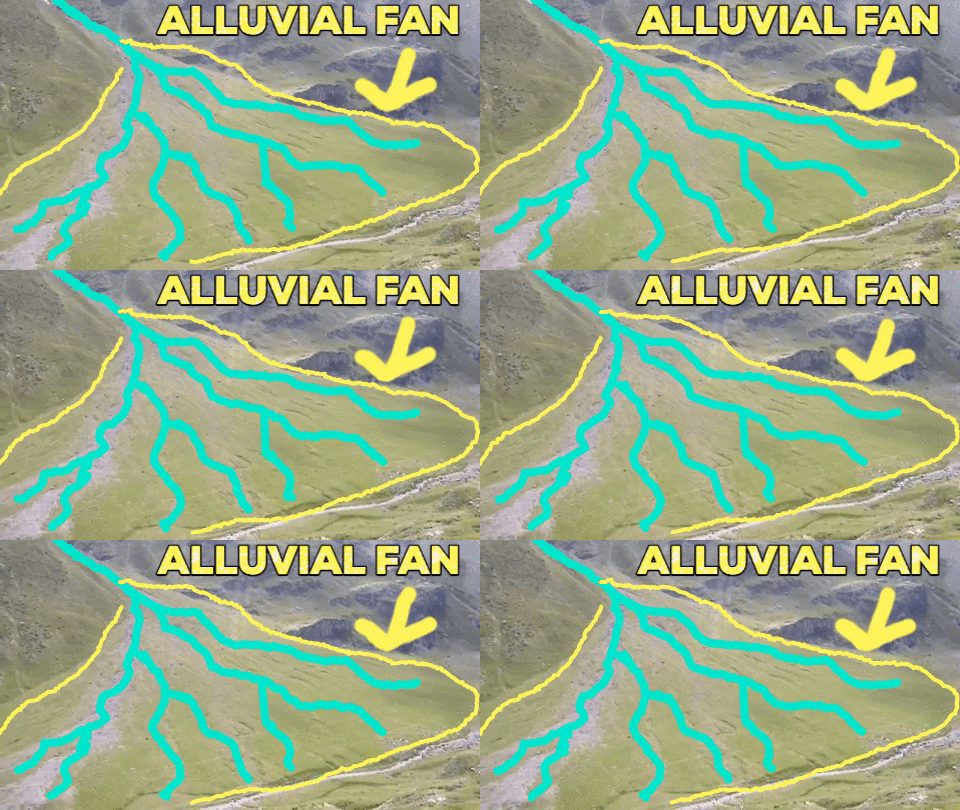
An alluvial fan is created when this stream flows into _______ . They are sometimes associated with flash floods. These fans typically form in mountain regions where there is a _______ change in slope from high to a gradual slope. When the land flattens out, the flow of water _______ energy and deposits sediment in a fan-shape.
1 point
1
Question 4
4.
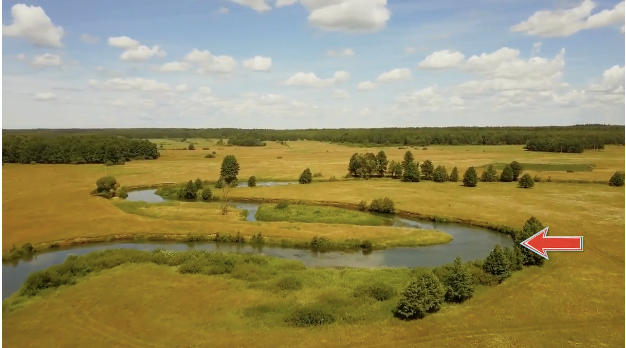
A meander is a _______ in the river. The faster water moving on the outside _______ into the bank.
On the inside of the curve water moves more slowly and _______ sediment.
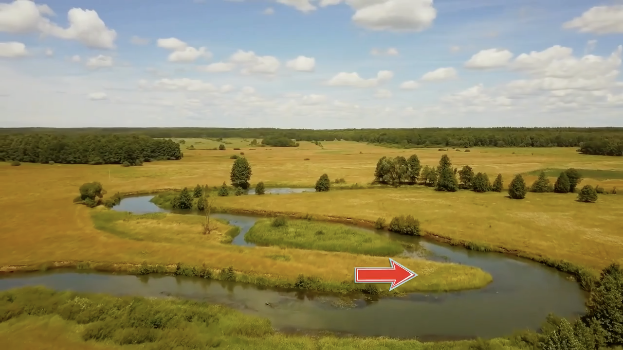
Sometimes a stream may cut a _______ channel and bypasses the meander. This cut off meander may form a lake called an _______ lake.
Groundwater may also be an _______ of erosion. Groundwater may dissolve and carry rock away forming caves . If the roof of cave _______ it can create a sinkhole.