11/15 Soil Composition
star
star
star
star
star
Last updated about 1 year ago
18 Nsɛmmisa
1
1
1
1
1
1
1
1
1
1
1
1
1
1
1
1
1
1
What are the four most important properties of soil?
What the three basic textures that a soil can have?
What gives soils their waterholding capacity?
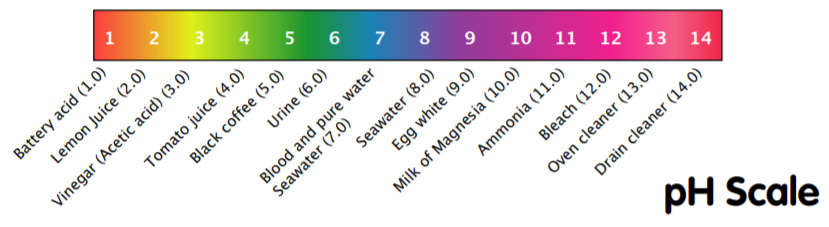
The term pH is used to indicate the level of acidity or alkalinity of a soil.
The pH of the soil is important in determining the type of vegetation that will grow in the soil and the type of organisms that will live there.
What pH range are most soils between?
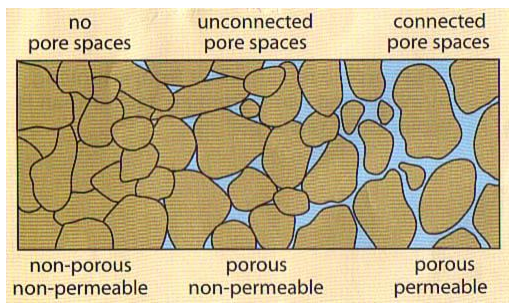
What is porosity?
What is permeability?
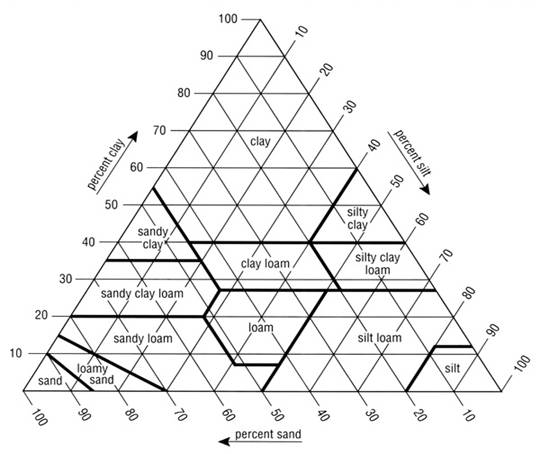
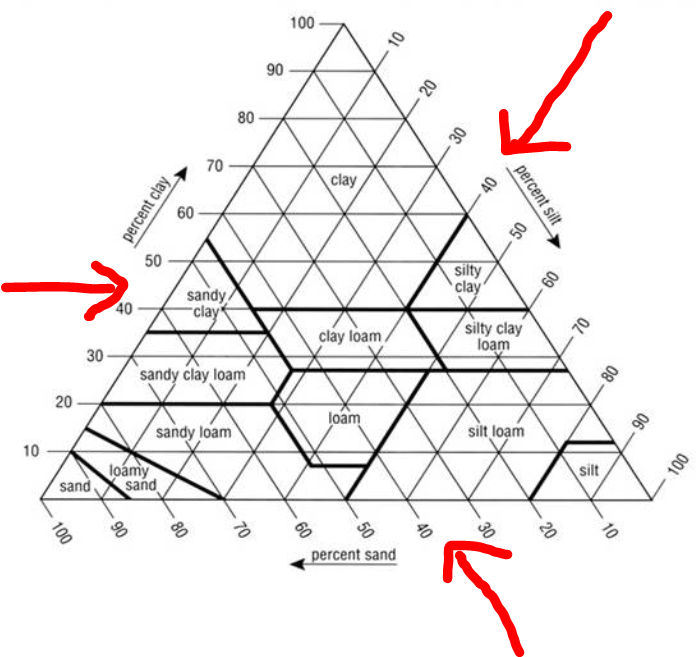
Use the soil texture triangle to determine the soil texture of each soil listed below.
What is the texture of soil comprised of 20% clay, 60% silt, and 20% sand?
What is the texture of a soil comprised of 20% clay, 40% silt, and 40% sand?
What is the texture of a soil comprised of 3% clay, 20% silt, and 77% sand?
What is the texture of a soil comprised of 43% clay, 32% silt, and 25% sand?
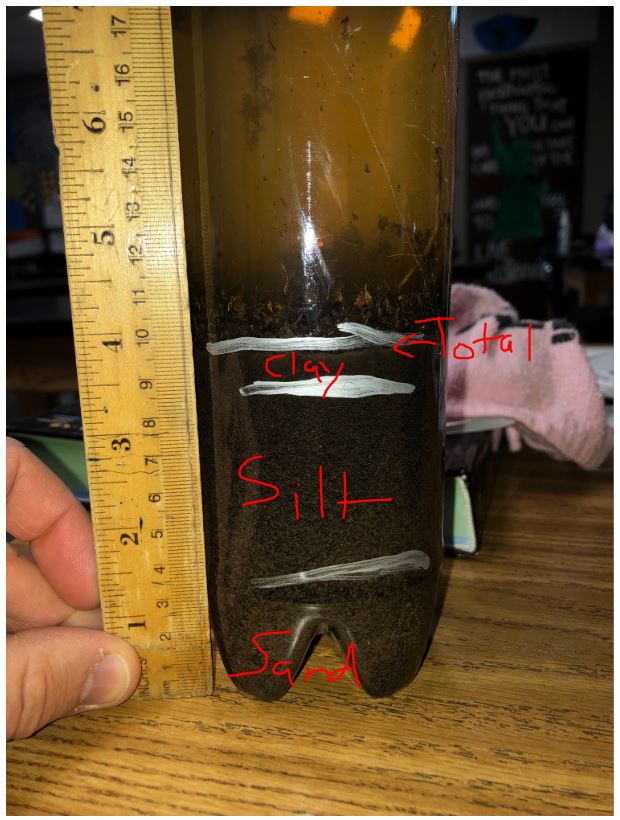
Using Mr. Beeler's sample above calculate the percentage for each type of soil (sand/silt/clay) and find its location on the soil texture triangle. Write the soil type below.
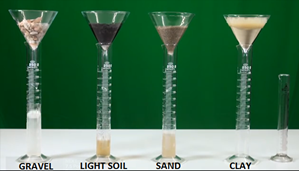
Percolation rates can be measured the following way: Identical volumes of sand, light soil (mix of sand, silt & clay), gravel, and clay are placed in individual funnels, with the same size piece of cotton at the base (to keep the sample in the funnel, but allows water to pass).
The percolation rate was then measured by pouring identical volumes of water into each funnel and timing how long it took for the water to start dripping into the graduated cylinder below (timer started at the same time as the water was poured onto the sample).
The volume of water that filtered through was also measured, as was the time it took for all the water to filter through (time was stopped when no drops fell into the graduated cylinder for 60 seconds after the last drop - the time recorded was that of the last drop).
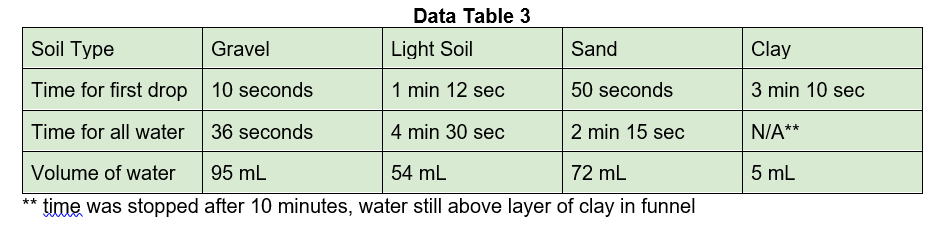
The data was recorded in Data Table 3. 100 mL of water was poured into each funnel holding 100 mL of soil sample.
Use the data provided in Data Table 3 to answer the following questions.
What is the percolation rate of each soil type? This is measured in mL/second.
Which soil type would be ideal for lining a man made lake or pond?
Why would this be ideal for lining a man made lake or pond?
Which soil type would be ideal for a garden walkway in a wet environment?
Why would this be ideal for a garden walkway in a wet environment?
Which soil type would be ideal for growing plants?
Why would this be ideal for for growing plants?