Identify this state of matter.
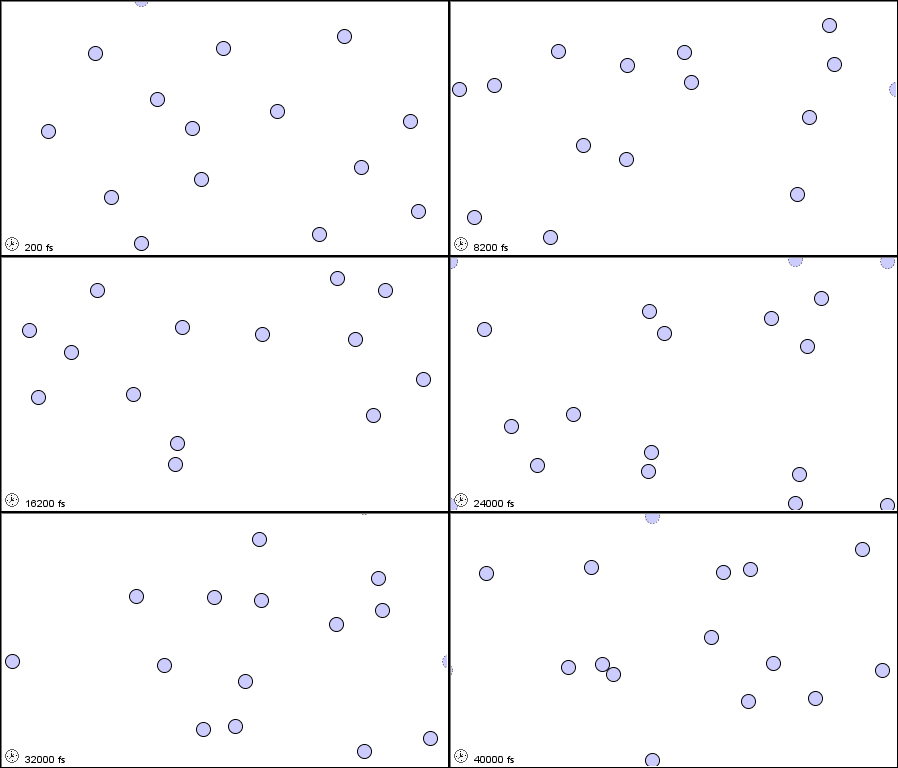
Identify this state of matter.
FCPS
Review for General Chemistry Unit 2: Matter and Periodicity
CLASSIFYING MATTER
There are 4 states of matter that you are responsible for understanding in this unit: Solids, Liquids, Gases, and Plasma.
Solids are defined as having a fixed shape, fixed volume, and are not compressible. Molecules of a solid move through vibrations and have a low amount of kinetic energy. Solids can melt into a liquid or sublimate into gases.
Liquids are defined as having no fixed shape, fixed volume, and are not compressible. Molecules of a liquid move with random motion but are close together. Liquids have more kinetic energy than solids but less than a gas or plasma. Liquids can vaporize or evaporate into gases. They can also freeze or solidify into solids.
Gases are defined as having no fixed shape, no fixed volume, and are compressible. Molecules of a gas move with random motion and high kinetic energy. Gases can condense into liquids, ionize into plasma, or depose into solids.
Identify this state of matter.
Identify this state of matter.

Identify this state of matter.
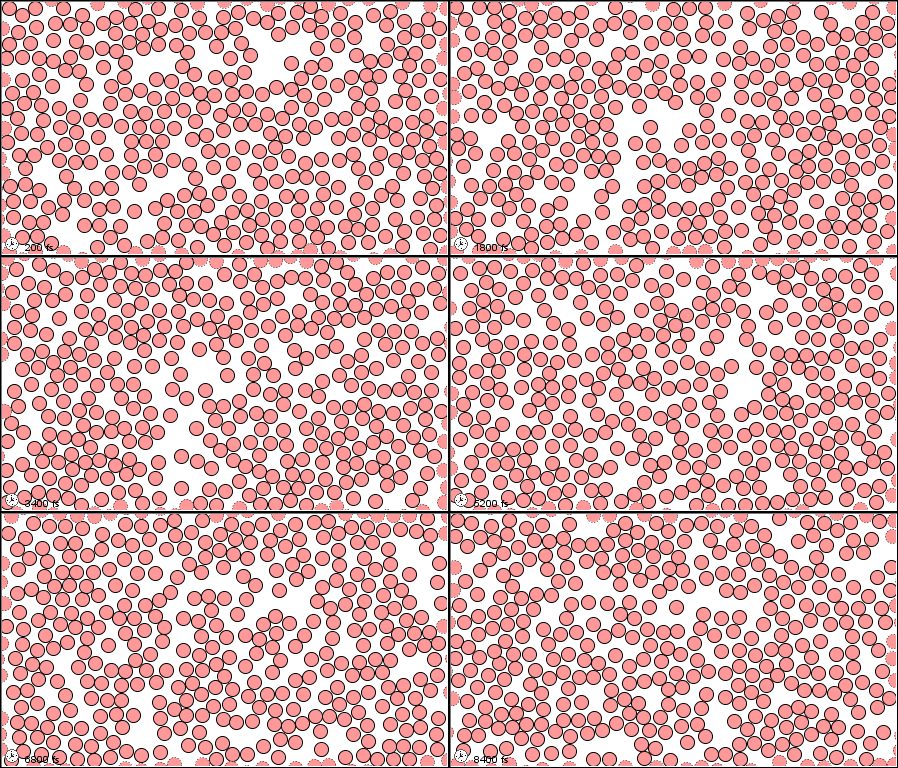
What is the average kinetic energy of particles in a sample of matter is called?
PHASE CHANGES: A phase change is when matter changes from one state to another. For example, water changes from ice to liquid water when heated. These reactions can be characterized by heat going into the system (endothermic) or heat leaving the system (exothermic). Additionally, these reactions can be visualized by heating or cooling digarams.
A phase change from a solid to a gas is called sublimation.
A phase change from a gas to a plasma is called ionization.
A phase change from a liquid to a solid is called freezing.
A phase change from a liquid to a gas is called condensation.
In an exothermic reaction, is energy (heat) entering the system or leaving the system?
In an endothermic reaction, is energy (heat) entering the system or leaving the system?
Select all of the examples of exothermic reactions from the list below:
Select all of the examples of endothermic reactions from the list below:
In an endothermic reaction, is the heat being used to break bonds or is heat being released when bonds are formed?
In an exothermic reaction, is the heat being used to break bonds or is heat being released when bonds are formed?

What are the phase changes occuring at step B (name both of them)?
What are the names of the phase changes at letter D (name both of them)?
Look at the following heating curve. What phase or phases are represented by the number 2?

Look at the following heating curve. What phase or phases are represented by the number 3?
3?
Look at the following cooling curve. What phase or phases is represented by the line from A to B?

PHYSICAL AND CHEMICAL PROPERTIES
Physical Properties are usually things you can measure or observe with your five senses.
Among the things that are measurable are length, distance, volume, magnetism, and density,
You can smell a rose, feel a fuzzy feather, or see color.
Chemical Properties becomes evident during, or after, a chemical reaction.
Examples of chemical properties are acidity or basicity, reactivity, combustability, flammability, and toxicity.
In the situations below: identify whether the observation is of a physical or chemical property.
Metals make up most of the elements on the periodic table. Select all of their properties from the list below.
Nonmetals can be found on the right side of the periodic table. Select all of their properties from the list below.
Periodic Table: The periodic table describes the 118 different types of atoms. We can look at the atomic number to determine the number of protons. The atomic number tells us the number of protons and neutrons. Elements in the same groups behave similarly. Periods will tell us energy levels for electrons. There are also trends in the periodic table including atomic radii, electronegativity, and ionization energy. Use the periodic table to answer the following questions.
What type of property do most of the elements on the periodic table share?
How can we determine the number of valence electrons that an atom has?
What is the ideal numbers of valence electrons for a stable atom?
What group on the periodic table will for +1 ions?
What group on the periodic table will form -1 ions?
What group on the periodic table does not form ions?
What is the name of the group that includes the elements: F, Cl, Br, I and At?
What is the name of the group that includes the elements: Beryllium, Magnesium, and Calcium?
What element would you find in Group 2, Period 3?
What element would you find in Group 15, Period 4?
What trend is reprented by arrow A?
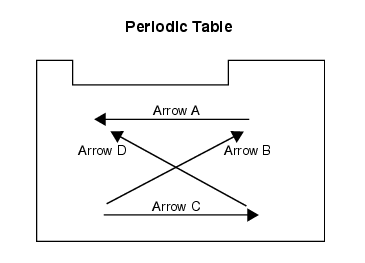
What trends are reprented by arrow B?
Find the following elements on the periodic table: Na, Mg, Al. Which one has the largest atomic radius?
Find the following elements on the periodic table: W, Re, Os. Which as the highest ionization energy?
Find the following elements on the periodic table: C, O, F. Which has the highest Electronegativity?
ELEMENTS, MOLECULES, COMPOUND
HETEROGENEOUS VS HOMOGENEOUS MIXTURES
Elements are defined as pure substances that contain the same type of atom.
Molecules are defined as two or more atoms bonded together.
Compounds are defined as two or more different atoms bonded together.
Heterogeneous mixtures are mixtures that are NOT uniform in composition
Homogenous mixtures are mixtures that are uniform in composition.
What kind of matter do you see in the following image?
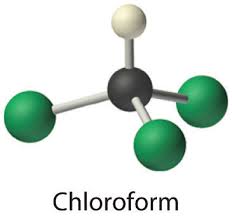
What kind of matter do you see in the following picture?
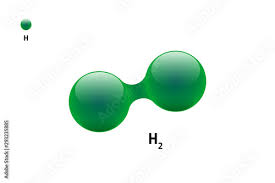
What kind of matter do you see in the following picture?
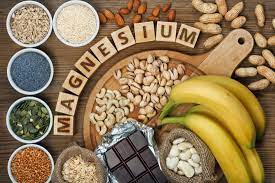
What kind of matter do you see in the following picture?
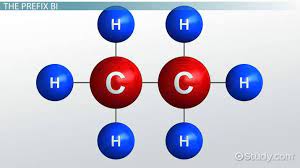
Identify the type of mixture in the picture.
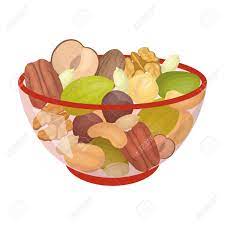
Identify the types of matter in the picture.
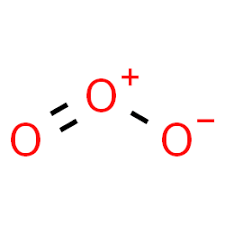
Identify the types of matter you see in the picture.
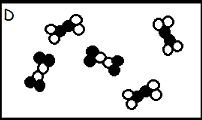
Identify the types of matter in the following picture.
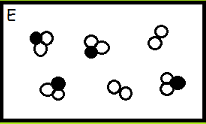
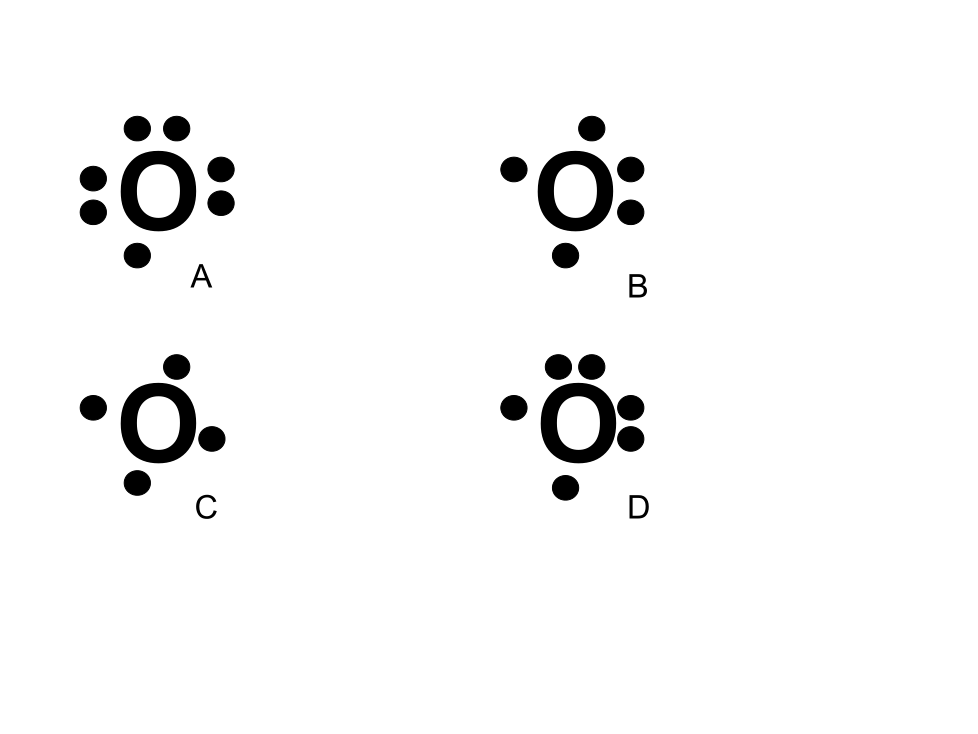
Which example is the correct Lewis dot structure for Oxygen?
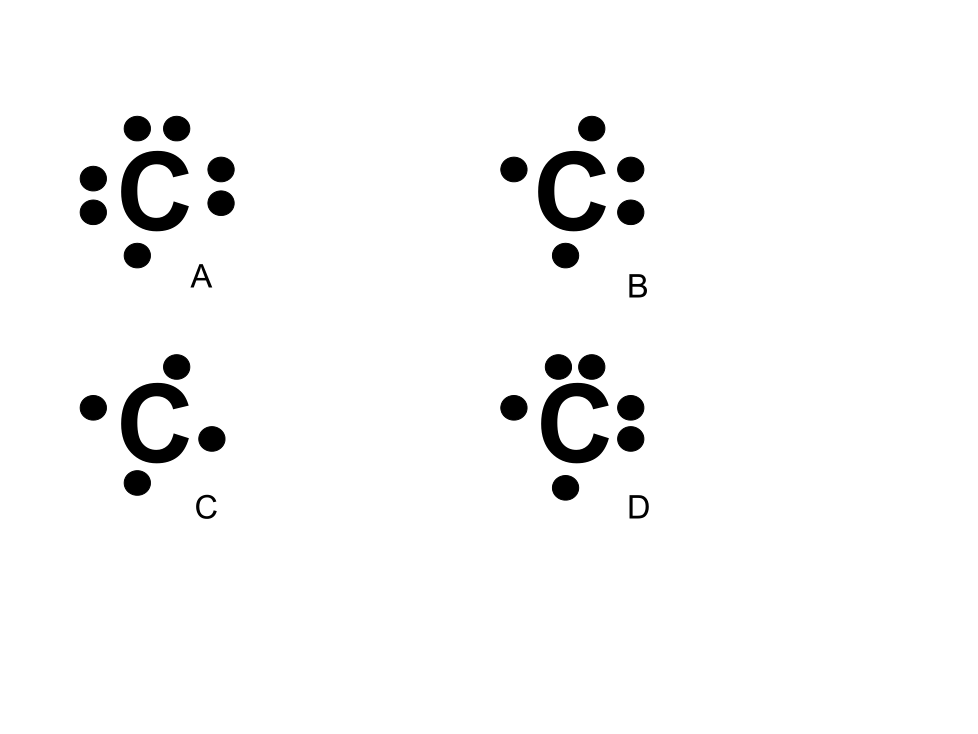
Which example is the correct Lewis dot structure for Carbon?
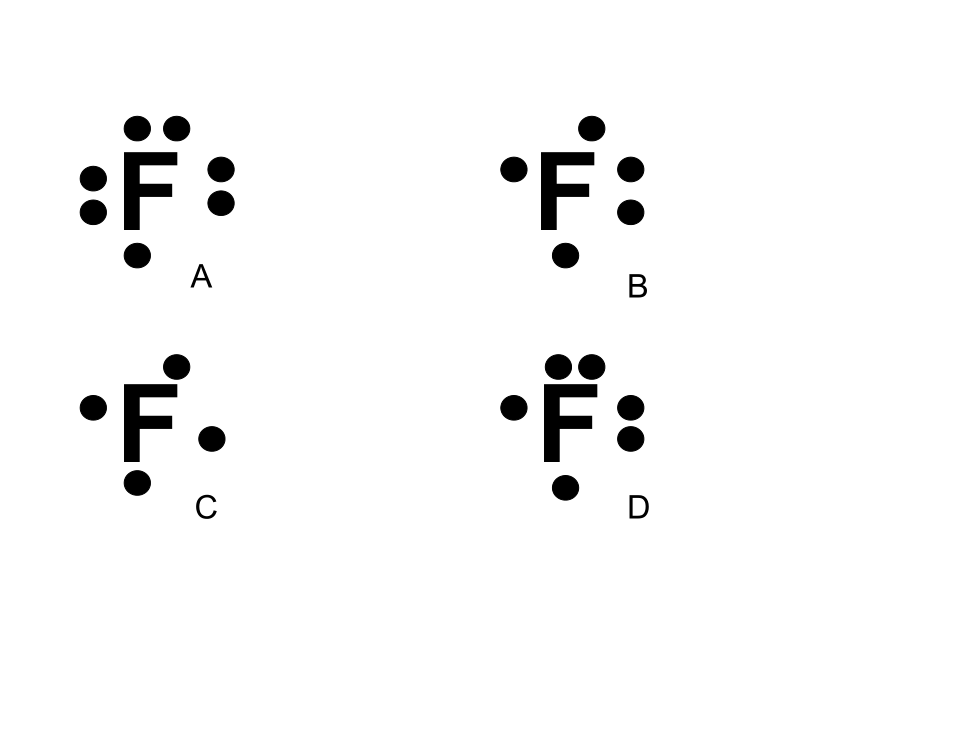
What is the correct Lewis dot structure for Fluorine?