Log in
Sign up for FREE
arrow_back
Library

Unit 1.1: The Atlantic Slave Trade

star
star
star
star
star
Last updated over 1 year ago
21 questions
1
1
1
1
1
1
1
1
1
1
1
1
Review from “The Atlantic Slave Trade” TedEd Video
Question 1
1.

Why did African kings and merchants sell other African people to Europeans?

Question 2
2.

What was one effect of the Atlantic Slave Trade?

Applying Past Knowledge: World History Review
Question 3
3.

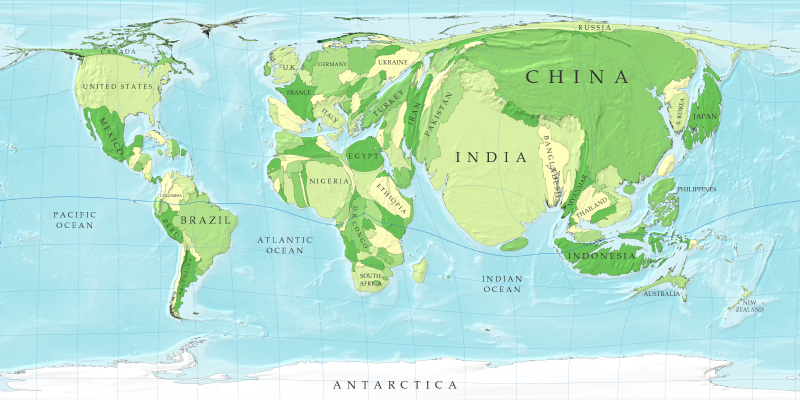
This is a map of the world. Roughly speaking, on a map like this, the sizes of the countries of the world are in proportion to their actual sizes and shapes on the surface of the planet. Circle the United States and the continent of Africa.

It's possible, however, and sometimes very useful, to redraw the map with the sizes of countries made bigger or smaller in order to represent something of interest. Such maps are called cartograms and can be an effective way to portray data.

To the left, for example, is a cartogram that shows the human population of the countries of the world. In this map the sizes of countries are proportional not to their actual landmass but instead to the number of people living there; a country with 20 million people, for instance, appears twice as large as a country with 10 million.

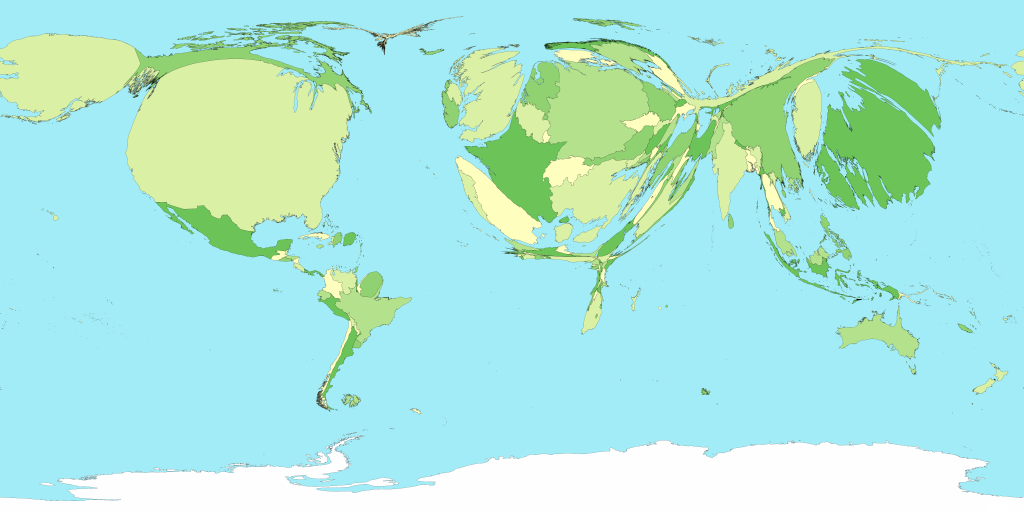
Cartograms can be useful visual representations of all kinds of data...
1
Question 4
4.

With your group, locate Africa on the map. Next determine what you think this cartogram measures/represents. Type your guess here:

1
Question 5
5.

Do the same for this map! With your group, locate Africa. Next determine what you think this cartogram measures/represents. Type your guess here:

Africa Pre-Colonization
1
Question 6
6.

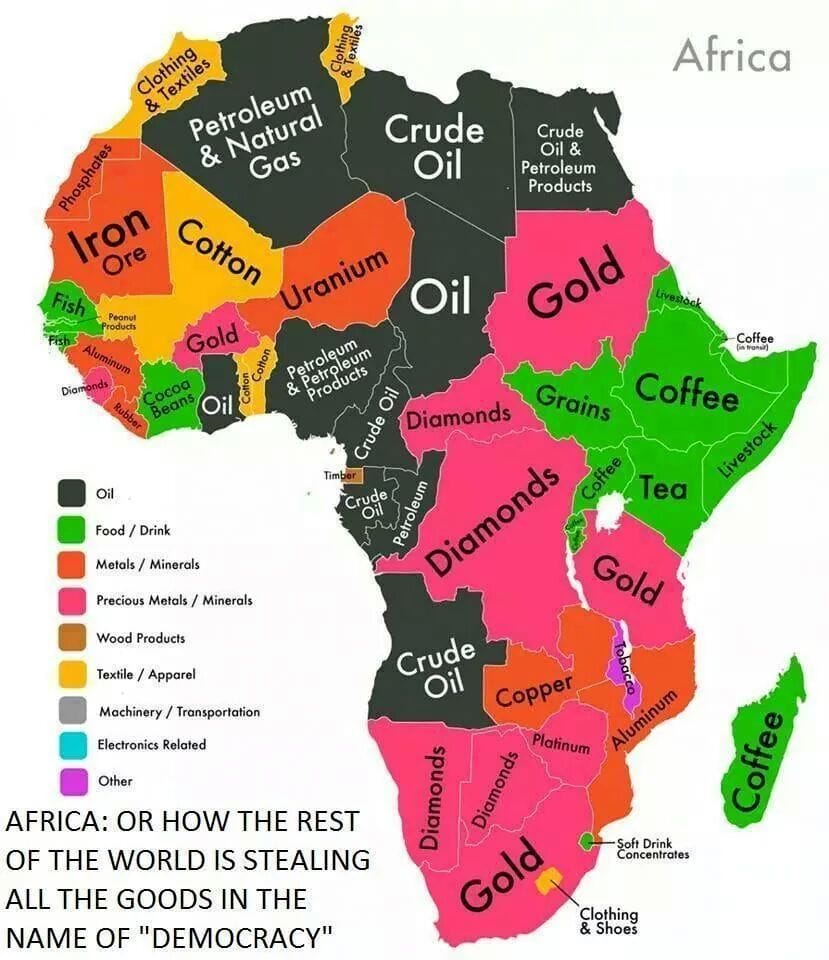
But take a look at all of the natural resources Africa has today! (!?!?!??) So how does the continent still consist of the poorest countries in the world? Why do you think Africa remains the poorest continent in the world today, despite being rich with resources?

It wasn't always this way though... Before the United States was founded and before the slave trade was even established, Africa had developed flourishing civilizations that attracted the attention of European rulers, unfortunately setting the foundation for the Atlantic slave trade. Let's watch a video on history's richest human.
1
1
1
Building New Knowledge: The Atlantic Slave Trade
Analyzing Primary Sources:
For each question below, please complete the sentence with your own reflections.
1
Question 10
10.

I observe:

1
Question 11
11.

I wonder:

1
Question 12
12.

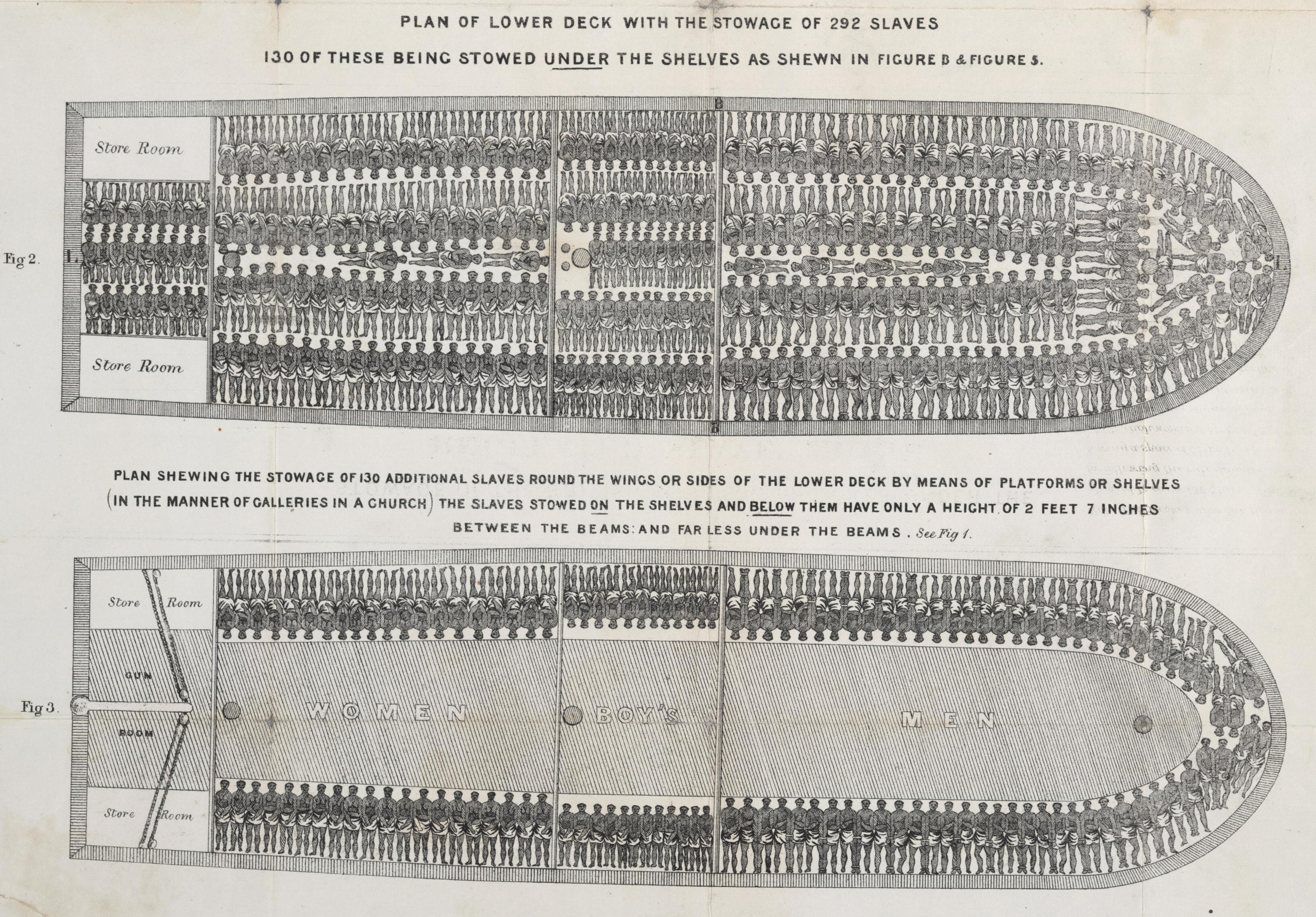
I would title this image:

Question 13
13.

The ________________ ________________ refers to the trans-Atlantic sea voyage that brought branded and bound slaves to the New World during the Atlantic Slave Trade, also referred to as the triange trade. Death rates ran as high as ______, and captives were packed tightly into small corridors. For over 300 years, the “_______________ _______________ ” scattered nearly 12 million slaves.

Question 14
14.

Draw the three parts of the Atlantic Slave Trade

Question 15
15.

What was part one of the trade?

Question 16
16.

What was part two of the trade?

Question 17
17.

What was part three of the trade?

How Secondary Sources Help Us Understand the Slave Trade
Question 18
18.

After watching the timelapse, what is one question you still have about the Atlantic Slave Trade?

Question 19
19.

After watching the 3D slave ship model, what is one fact from the video that was most startling to you?

Question 20
20.

Please rate how well you understand the content of this lesson.

Question 21
21.

Optional: Do you have any questions about the content you learned that you would like answered?

Question 7
7.

While Europe was suffering from plague, famine, and political unrest, Africa was

Question 8
8.

Mansa Musa helped turn the city of Timbuktu into

Question 9
9.

How did Mansa Musa's wealth have unintended consequences?