Nat Geo Chapter 6 Section 1.1-1.3
star
star
star
star
star
Last updated almost 4 years ago
20 questions
1
India is on the large landmass, or subcontinent, of _____.

1
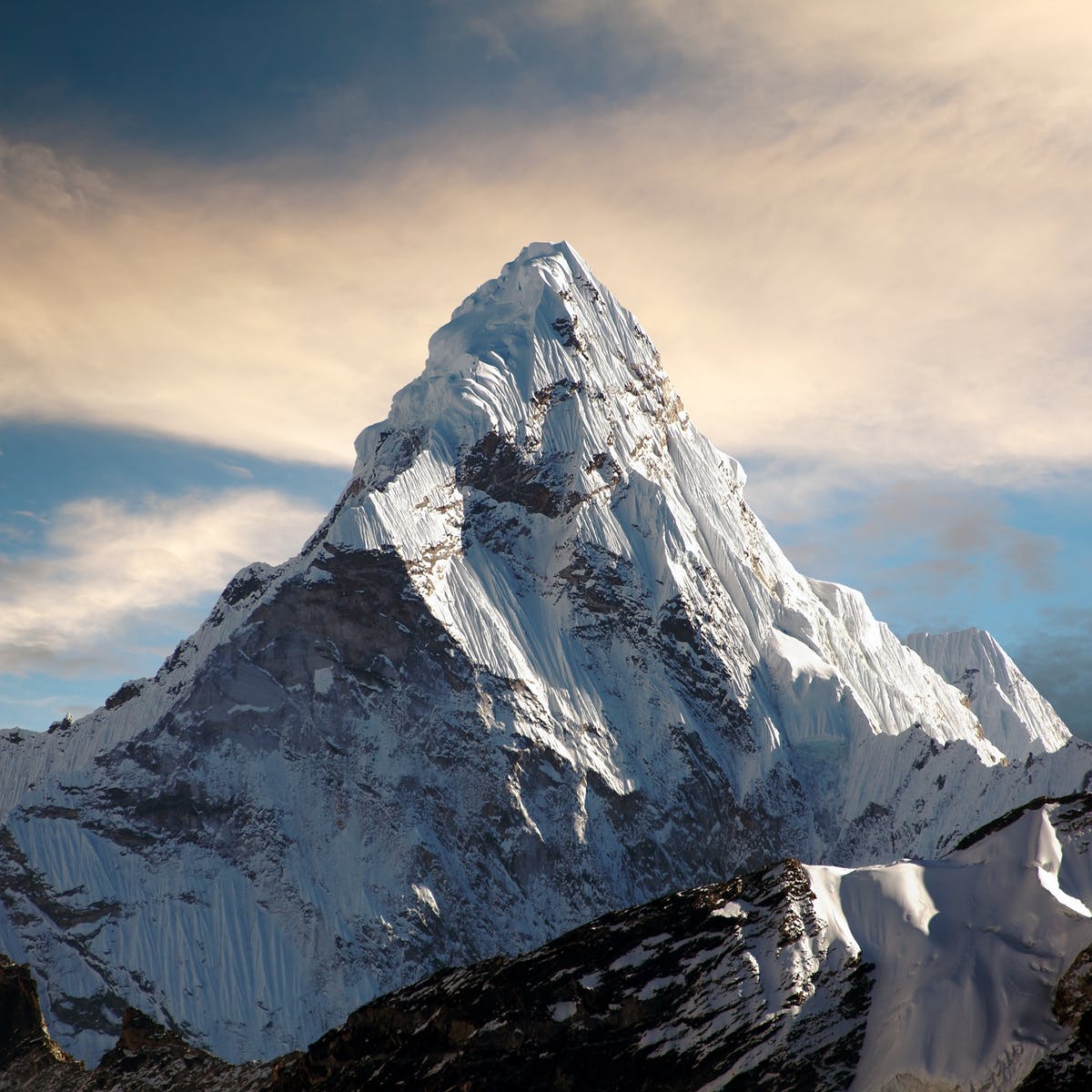
_____ _____ is the highest point on Earth.
1
This peak is in the mountain range of the _____.
1
The two major rivers of northern India, the _____ and the _____, both start in the Himalaya. Like the Tigris and the Euphrates in Mesopotamia, these rivers provide water for irrigation and deposit fertile soil for farming.
1
_____ are an important part of India's climate - they bring dry winters and wet summers.

1
What physical feature separates India from the continent of Asia?
1
What 3 bodies of water help provide India with southern protection.
1
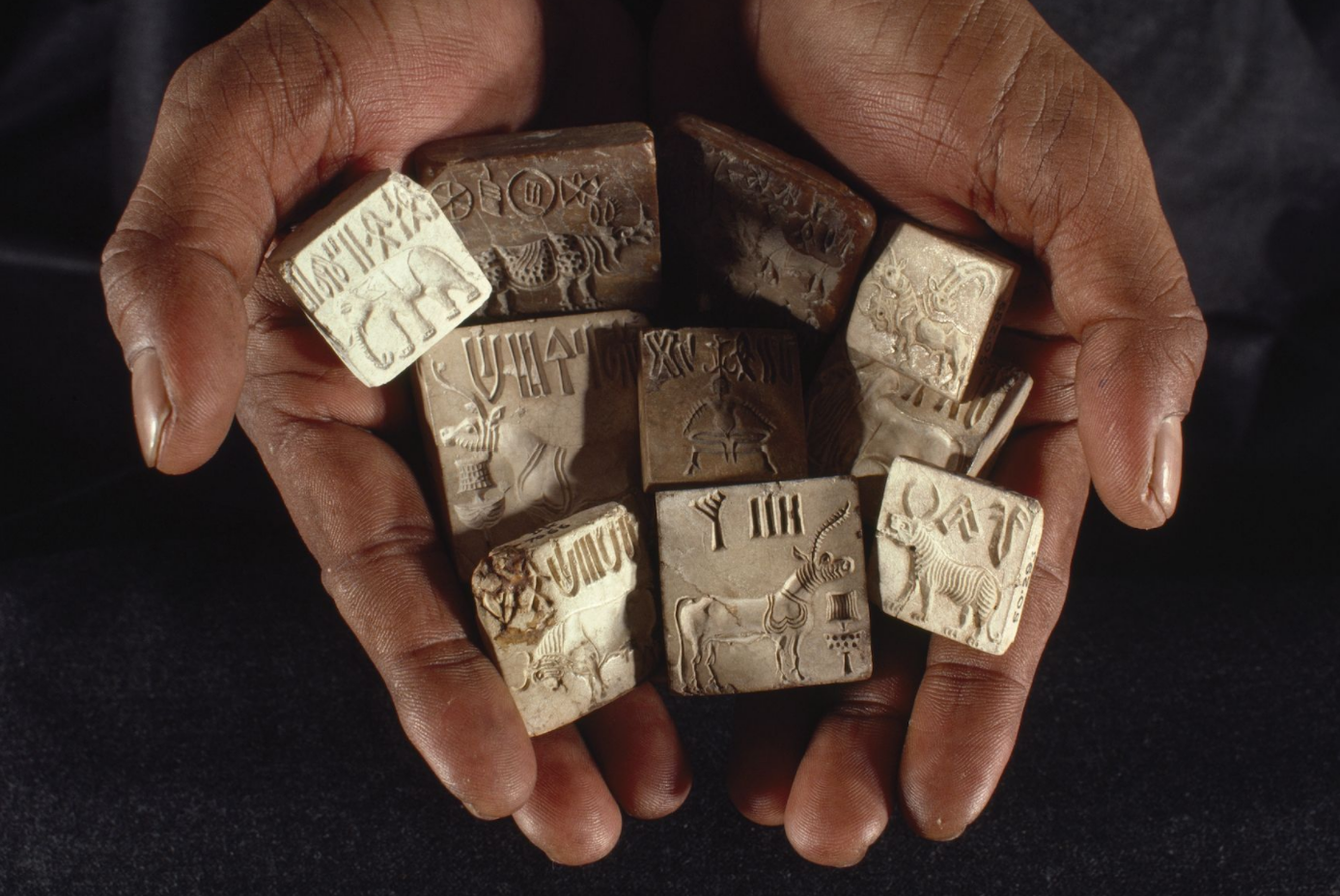
Indus Valley cities were among the world’s first _____ _____.
1
Select all that were part of an Indus valley city, like Harappa.
1
What were the two twin cities of the Indus valley?
1
What was the main occupation in these cities?
1
The city seemed to promote a(n) _____ society.
1
Select the events that led to the fall of Harappa:

1
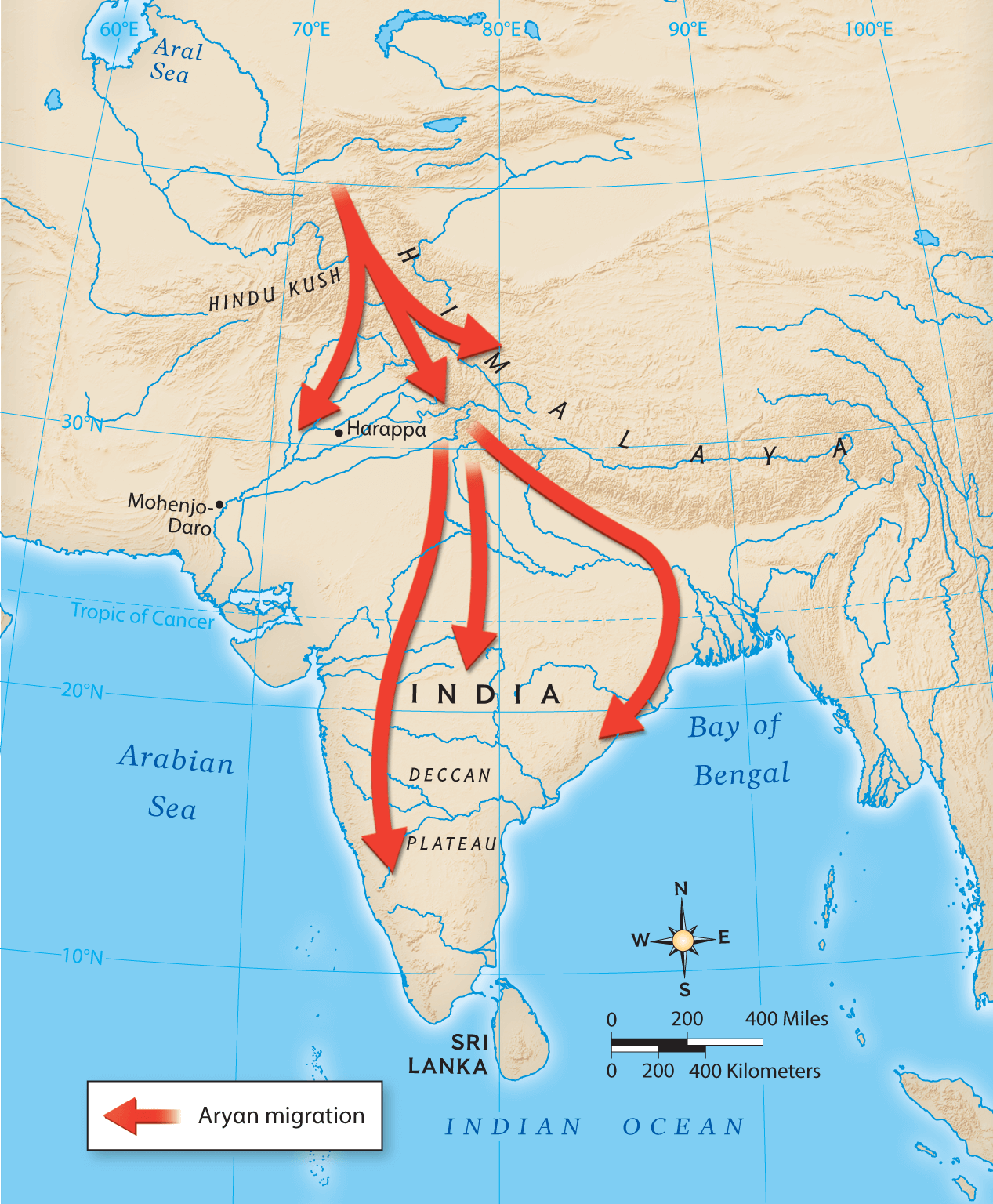
Around 1500 BC, waves of new people began crossing the Hindu Kush into India. The migrants were a collection of tribes called _____, meaning “noble ones.”
1
What physical features did the Aryan migrations pass through?
1
Around 1000 B.C., what became known as _____ _____ expanded south and east. There the people adopted agriculture, cleared the forests to cultivate crops, and settled down in villages. The villages grouped together into chiefdoms and then into kingdoms.
2
How did the Vedic people have an impact on religion in ancient India?
2
How did the Vedic people have an impact on social class in ancient India?
1
People’s castes impacted the kind of work they did and also whom they could marry.
1
How did the Vedic people have an impact on language in ancient India?


