Build an Atom Simulation

Last updated 11 months ago
23 questions
In this activity you will explore the atom using a computer simulation.
1. Open the Build an Atom Simlulation - click on the PHeT link below.
2. Click on the Atom option on the first screen.
3. Click on the green plus sign next to Net Charge
4. Click on the green plus sign next to Mass Number
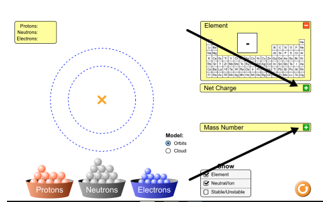
1
What is the center of the atom called? _______ (1 word answer)
1

Go to Build an Atom Simulation then click the play button. Once open, click on the Atom icon.

Explore the Build an Atom simulation for a few minutes.

What particles go in the center of the atom?

Exploring the simulation

1

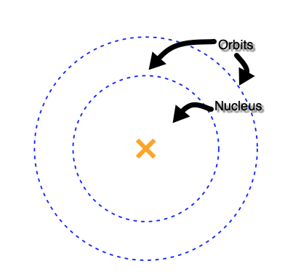
Atoms are made of three subatomic particles - protons, neutrons, and electrons. The atom has two main parts - the nucleus and the orbits (which are also called the electron clouds)

On the simulation above
1. Drag a proton onto the atom. Where does it go?
2. Drag a neutron onto the atom. Where does it go?
3. Drag an electron onto the atom. Where does it go?

Draggable itemCorresponding Item
Neutron
Nucleus
Electron
Nucleus
Proton
Orbits (or Electron Cloud)
1
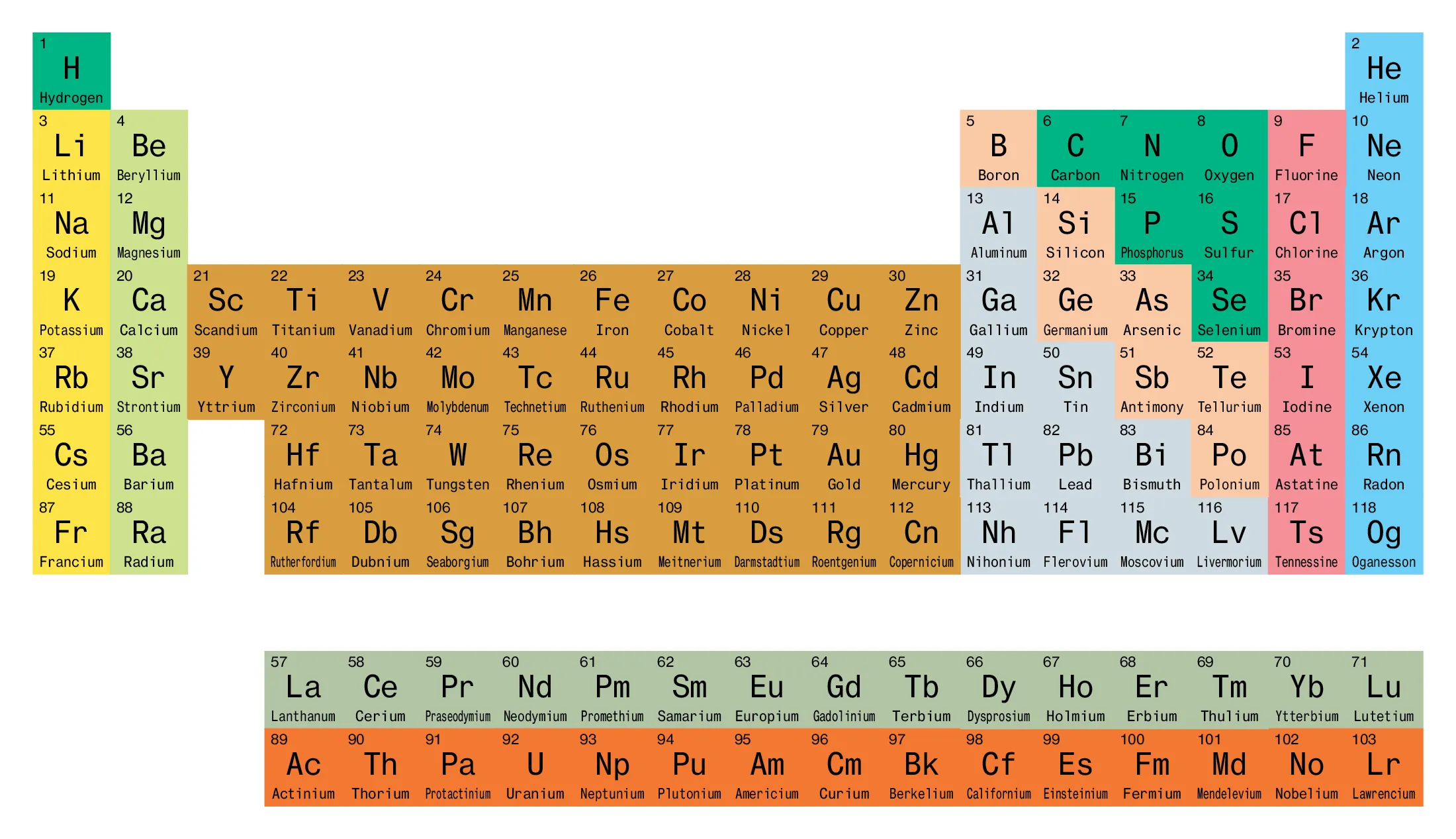
What element did you make when you added one proton, one neutron, and one electron?
_____________
<Hint you can press reset, the orange button and then do add one of each to see>
Other Answer Choices:
hydrogen
oxygen
neon
1

Add another proton to the atom you made. What changes?

1

Add another neutron to the atom you made. What changes?

1

Add another proton to the atom you made. What changes?

1

Add another electron to the atom you made. What changes?

1

Based on what you determined above: Which subatomic particles are responsible for:

Draggable itemCorresponding Item
neutron
determining the MASS NUMBER of the atom
electron
determining the NET CHARGE of the atom
proton
determining the IDENTITY of the atom
Part II - Building Atoms of Elements: For questions 7-11, you will build an element using the Phet Simulation and then you will record the number of protons, neutrons and electrons, and then identify the element and its symbol.

1
1. Reset the simulation by pushing the orange circle with the arrow.

2. Click on the green plus sign next to Net Charge
3. Click on the green plus sign next to Mass Number
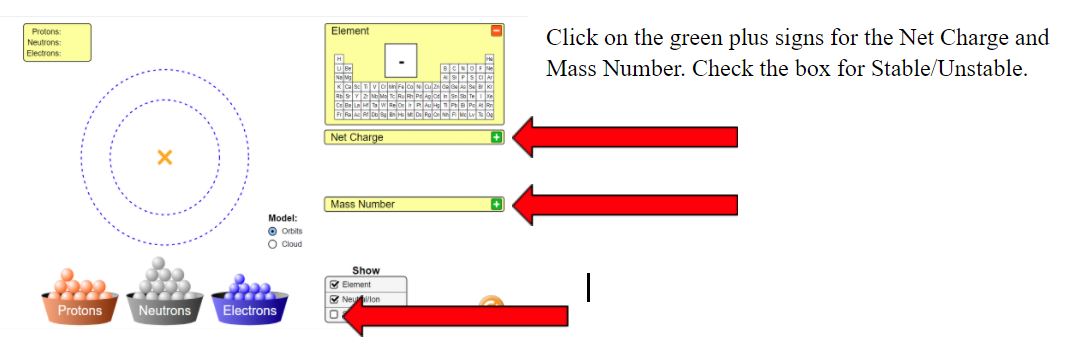
4. Add 5 protons (only). Add 6 neutrons (only). Add 5 electrons (only),


p+ = _______ Name of Element: _______

n0 = _______ Element Symbol: _______

e- = _______


1
1. Reset the simulation by pushing the orange circle with the arrow.

2. Click on the green plus sign next to Net Charge
3. Click on the green plus sign next to Mass Number
4. Add 3 protons. Add 4 neutrons. Add 3 electrons,


p+ =_______ Name of Element:_______

n0 =_______ Element Symbol: _______

e- =_______


1
1. Reset the simulation by pushing the orange circle with the arrow.

2. Click on the green plus sign next to Net Charge
3. Click on the green plus sign next to Mass Number
4. Add 7 protons. Add 8 neutrons. Add 7 electrons,

p+ = _______ Name of Element: _______

n0 = _______ Element Symbol: _______

e- = _______


1
1. Reset the simulation by pushing the orange circle with the arrow.

2. Click on the green plus sign next to Net Charge
3. Click on the green plus sign next to Mass Number
4. Add 9 protons. Add 10 neutrons. Add 9 electrons,

p+ = _______ Name of Element: _______

n0 = _______ Element Symbol: _______

e- =_______


1

1. Reset the simulation by pushing the orange circle with the arrow.
2. Click on the green plus sign next to Net Charge
3. Click on the green plus sign next to Mass Number
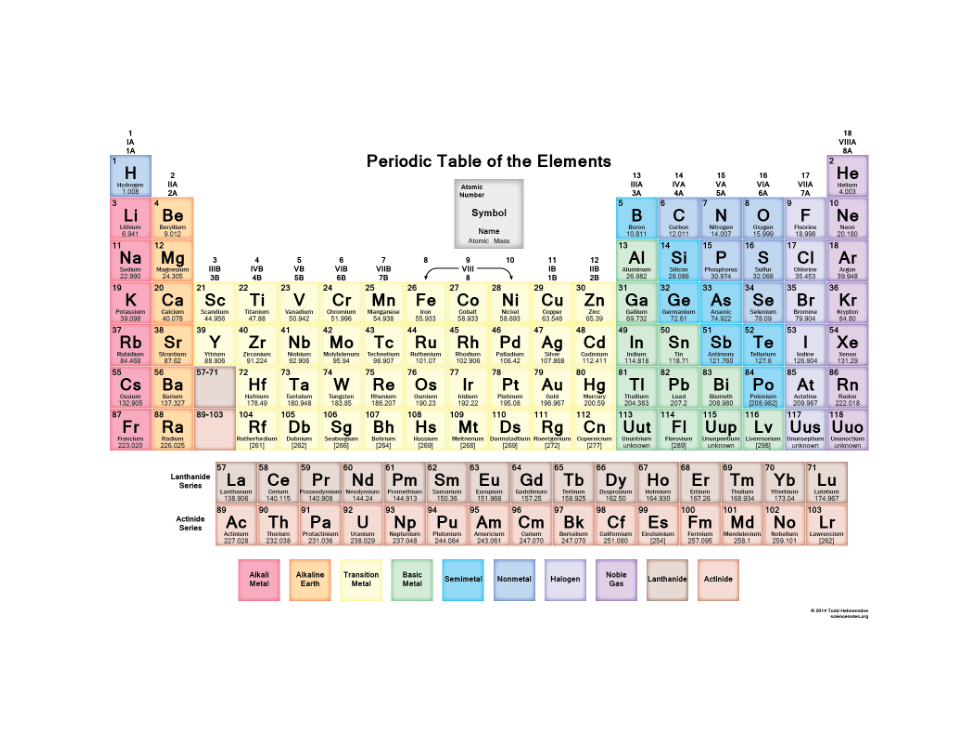
4. Using the simulation build a STABLE, NEUTRAL atom of CARBON.
5. Add the correct information in the "SHOW YOUR WORK" area provided. Use the shapes icon to draw circles of red (protons), black (neutrons), and blue (electrons) in their proper locations in the atom. (You can change font colors by clicking on the top square with a line through it.)

1

Use the protons, neutrons, and electrons to create three different atoms (of your choice) and fill in the table below.

1
What is the name of the atom that has:

# of protons: 6
# of neutrons: 7
# of electrons: 7

Name of Element: _______

1

Everything around us is made up of different elements. The air has Oxygen and Nitrogen. Plants and people have lots of Carbon. Helium is in balloons. Hydrogen is in water.

Play until you discover a rule for what part of an atom determines the name of the element you build. What did you find determines the element?

1

Play until you discover some good rules about the charge of your atom.

What makes the charge of the atom go up (become more positive)?

<There are two answers>

1

Play until you discover some good rules about the charge of your atom.

What makes the charge of the atom go down (become more negative)? Pick two.

<There are two answers>

1

Play until you discover some good rules about the charge of your atom.

To make sure an atom is neutral (doesn’t have a charge), you need to have the exact same number of which two subatomic particles.

<There are two answers>

1

Play until you discover some good rules about the mass of your atom.

What makes the mass of the atom go up?
<Hint: add electrons, protons, and neutrons to see which effects the mass>
<There are two answers>

1

Play until you discover some good rules about the mass of your atom.

What makes the mass of the atom go down?
<Hint: remove electrons, protons, and neutrons to see which effects the mass>
<There are two answers>

1

Play until you discover some good rules about the mass of your atom.

Which particle seems to have no effect on the mass of an atom?