Twa kɔ nsɛm atitiriw so
Log in
Sign up for FREE
arrow_back
Laabri

Unit 3 Review

star
star
star
star
star
Last updated about 3 years ago
32 Nsɛmmisa
1
1
1
1
1
1
1
1
1
1
1
1
1
1
1
1
1
1
1
1
1
1
1
1
1
1
1
1
1
1
1
1
Asemmisa {{asɛmmisaAhyɛnsode}}
1.

Select the transformation for the function g(x) from the parent function f(x)=x^3 and click "show your work" to graph g(x).

Asemmisa {{asɛmmisaAhyɛnsode}}
2.

Graph the function below and select the point that lies on the curve.

Asemmisa {{asɛmmisaAhyɛnsode}}
3.

Select ALL the transformations for the function g(x) from the parent function f(x)=x^3 and click "show your work" to graph g(x).

Asemmisa {{asɛmmisaAhyɛnsode}}
4.

Select ALL the transformations for the function g(x) from the parent function f(x)=x^3 and click "show your work" to graph g(x).

Asemmisa {{asɛmmisaAhyɛnsode}}
5.

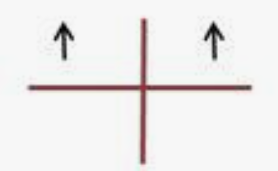
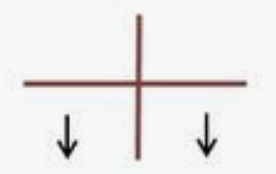
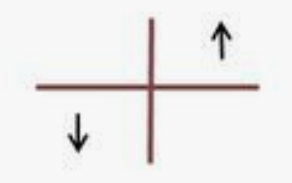
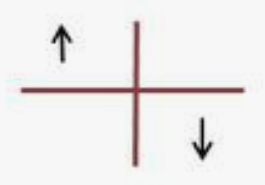
Match each polynomial function with its correct end behavior.

*remember to add the exponents to find the degree in factored form

  • f(x)=-x(x+5)(x-4)(x+6)

  • f(x)=-(x+1)(x-3)^2(x+2)

  • f(x)=-x(x+3)^2

  • f(x)=(x+2)(x+6)(x-2)

  • f(x)=x^2(x-7)^2

  • f(x)=(x+4)^2(x-1)

Asemmisa {{asɛmmisaAhyɛnsode}}
6.

Select ALL the zeros of f(x) and graph the function.

Asemmisa {{asɛmmisaAhyɛnsode}}
7.

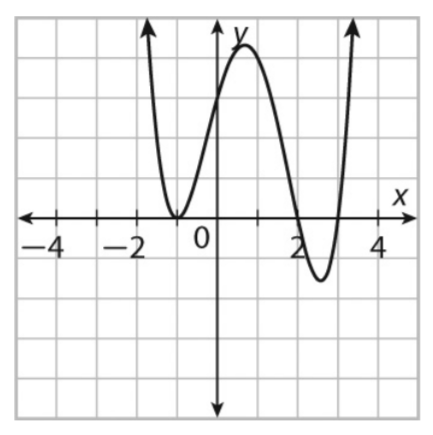
Write a function in factored form for the graph below. Assume the leading coefficient 'a' is either 1 or -1.

Type f(x)=

Asemmisa {{asɛmmisaAhyɛnsode}}
8.

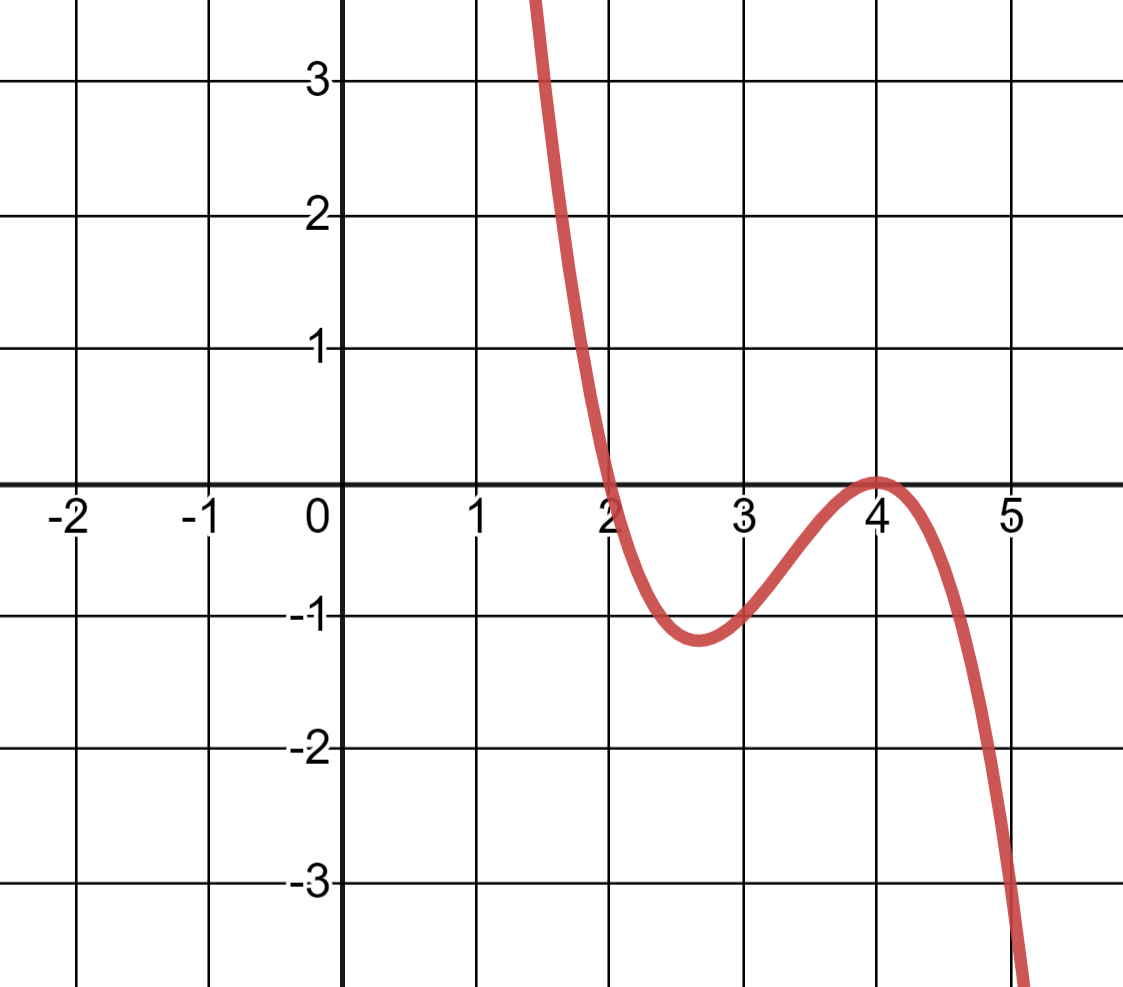
Write a function in factored form for the graph below. Assume the leading coefficient 'a' is either 1 or -1.

Type f(x)=

Asemmisa {{asɛmmisaAhyɛnsode}}
9.

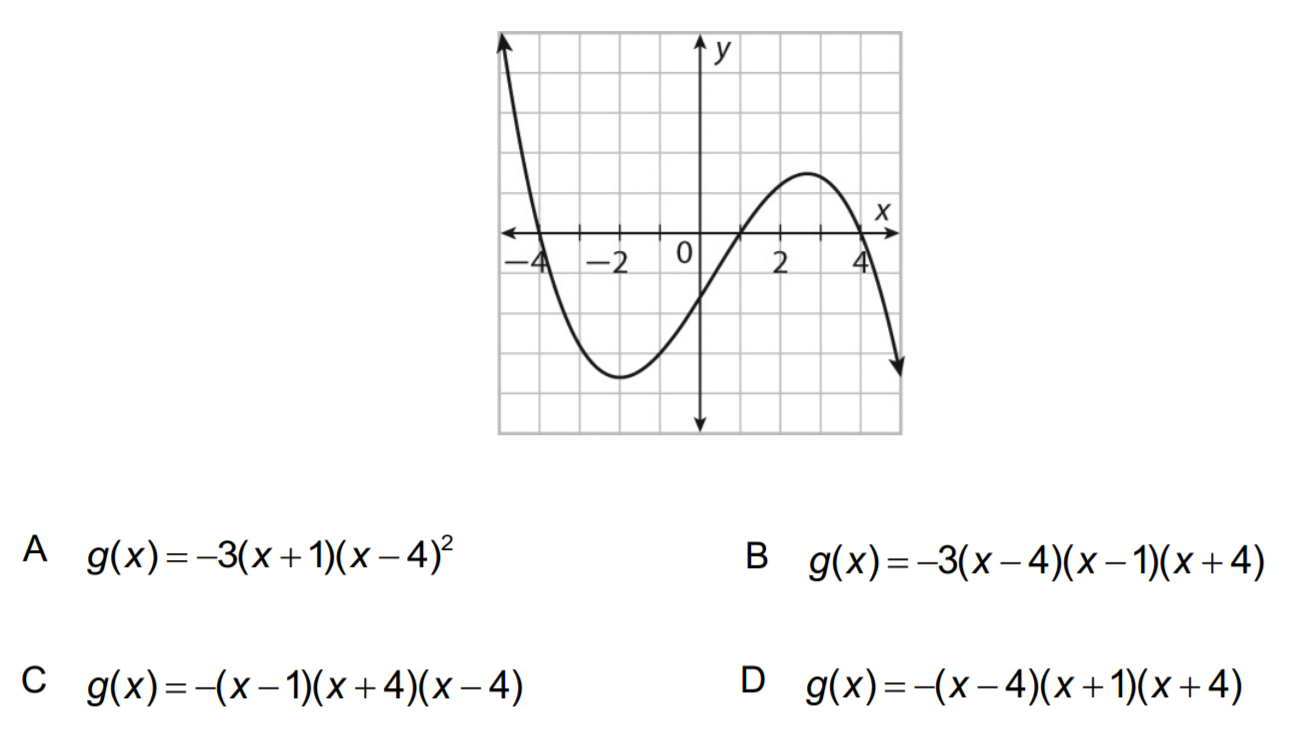
Select ALL the functions that could be represented by this graph.

Asemmisa {{asɛmmisaAhyɛnsode}}
10.

Simplify and write your answer in standard form. No spaces!

Asemmisa {{asɛmmisaAhyɛnsode}}
11.

Simplify and write your answer in standard form. No spaces!

Asemmisa {{asɛmmisaAhyɛnsode}}
12.

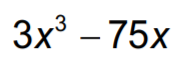
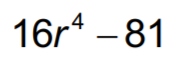
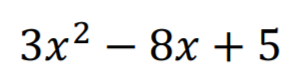
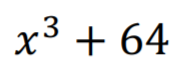
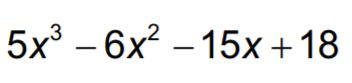
Factor completely.

Asemmisa {{asɛmmisaAhyɛnsode}}
13.

Factor completely.

Asemmisa {{asɛmmisaAhyɛnsode}}
14.

Factor completely.

Asemmisa {{asɛmmisaAhyɛnsode}}
15.

Factor completely.

Asemmisa {{asɛmmisaAhyɛnsode}}
16.

Factor completely.

Asemmisa {{asɛmmisaAhyɛnsode}}
17.

Factor completely.

Asemmisa {{asɛmmisaAhyɛnsode}}
18.

Factor completely.

Asemmisa {{asɛmmisaAhyɛnsode}}
19.

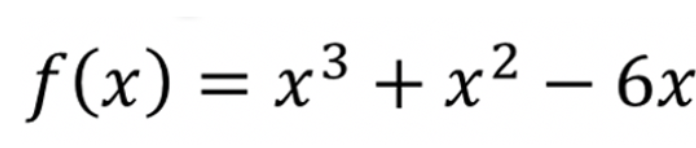
Find the zeros.

Asemmisa {{asɛmmisaAhyɛnsode}}
20.

Asemmisa {{asɛmmisaAhyɛnsode}}
21.

Use the rational root theorem to list ALL possible zeros for the polynomial.

Asemmisa {{asɛmmisaAhyɛnsode}}
22.

What is the y-intercept of the polynomial?

Asemmisa {{asɛmmisaAhyɛnsode}}
23.

What is the y-intercept of the polynomial?

Asemmisa {{asɛmmisaAhyɛnsode}}
24.

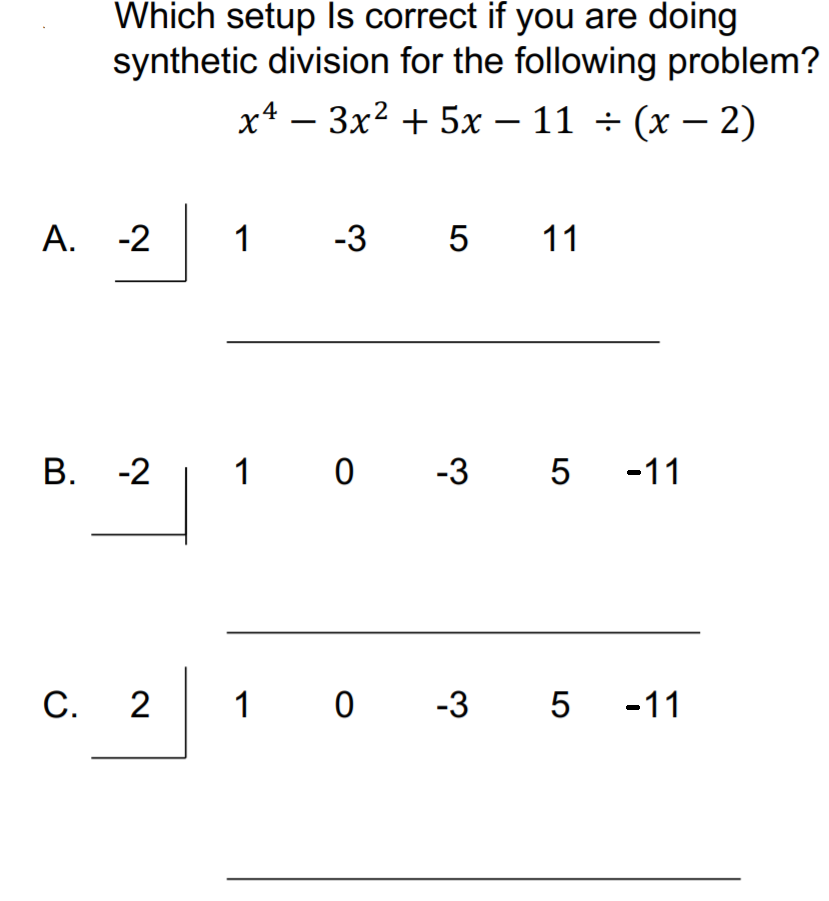
Use synthetic division to find the quotient and the remainder, if there is one.

Asemmisa {{asɛmmisaAhyɛnsode}}
25.

Use synthetic division to find the quotient and the remainder, if there is one.

Asemmisa {{asɛmmisaAhyɛnsode}}
26.

Write the polynomial below in factored form, given that (x-1) is a factor.

Asemmisa {{asɛmmisaAhyɛnsode}}
27.

Find the zeros.

Asemmisa {{asɛmmisaAhyɛnsode}}
28.

Is (x+4) a factor of the polynomial below?

Asemmisa {{asɛmmisaAhyɛnsode}}
29.

Write the polynomial in factored form and graph it.

Show clear points at the x and y intercepts.

Asemmisa {{asɛmmisaAhyɛnsode}}
30.

Divide and find the quotient.

Asemmisa {{asɛmmisaAhyɛnsode}}
31.

Divide and find the quotient.

Asemmisa {{asɛmmisaAhyɛnsode}}
32.

Identify the transformations and graph. Your curve must include 3 clear points.