Log in
Sign up for FREE
arrow_back
Library

Unit 3 Task Card Review

star
star
star
star
star
Last updated 2 months ago
25 questions
Required
1
Required
1
Required
1
Required
1
Required
1
Required
1
Required
1
Required
1
Required
1
Required
1
Required
1
Required
1
Required
1
Required
1
Required
1
Required
1
Required
3
Required
1
Required
1
Required
1
Required
4
Required
1
Required
1
Required
2
Required
1
Question 25
25.

Question 1
1.

Question 2
2.

Question 3
3.

Question 4
4.

Question 5
5.

Question 6
6.

Question 7
7.

Question 8
8.

Question 9
9.

Question 10
10.

Question 11
11.

Question 12
12.

Question 13
13.

Question 14
14.

Question 15
15.

Draggable itemarrow_right_altCorresponding Item
arrow_right_alt
arrow_right_alt
arrow_right_alt
arrow_right_alt
Question 16
16.

Question 17
17.

Question 18
18.

Question 19
19.

Question 20
20.

Question 21
21.

Question 22
22.

Question 23
23.

Question 24
24.

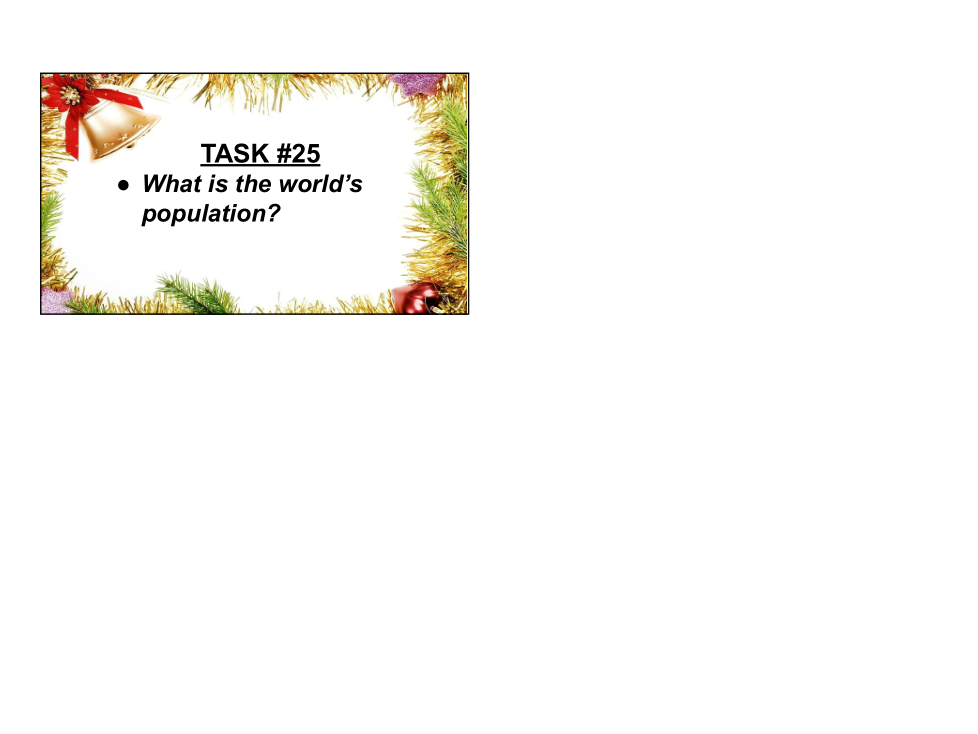
What is the world's population?
2 billion (just surpassed this!)
8 billion (just surpassed this!)
5 billion (just surpassed this!)
Choose 4 examples of renewable resources:
water (not in aquifers)
wind
plants and animals
sunlight
copper
coal
When fossil fuels are burned, they produce what we call?
carbon emissions
they do not produce anything
water vapor
Which fossil fuels are made from tiny marine animals?
copper and other metals
oil and natural gas
coal
Which fossil fuels are made from ancient plant life?
soil
oil and natural gas
coal
Which fossil fuels are dug from the ground?
coal
soil
copper
Which fossil fuels are drilled for?
soil
copper and other metals
oil and natural gas
The uneven distribution of Earth's mineral, energy, and groundwater resources is the result of ________?
gravity
past and current geologic processes
the tilt of our planet
Metals such as copper are found where?
past and current oceans
plate boundaries meet
soil erosion occurred
What is the sum of all of the resources human's consume and all of the waste created/left behind?
human footprint
sustainability
resource extraction
Scientists estimate that our total resources will only support about how many people?
8 billion
6 billion
2 billion
12 billion
Most major negative human impacts are caused because?
overpopulation
only a handful of people use too many resource
it's not humans, it's other animals causing the problem
List examples of non-renewable resources (3)
fossil fuels
sunlight
wind
copper and other metals
water in aquifers
Past and current oceans such as in the middle east are where what is found?
oil and natural gas
soil
swamp
These types of resources cannot be replaced in your lifetime.
non-renewable
renewable
Match the definitions of the 4 spheres with their description:
hydrosphere
the rocks, minerals, and landforms of the surface and interior of the earth
atmosphere
all water on earth
geosphere
all living things on earth
biosphere
all the gases above earth's crust
What are the 3 R's?
recharge
reuse
reduce
recycle
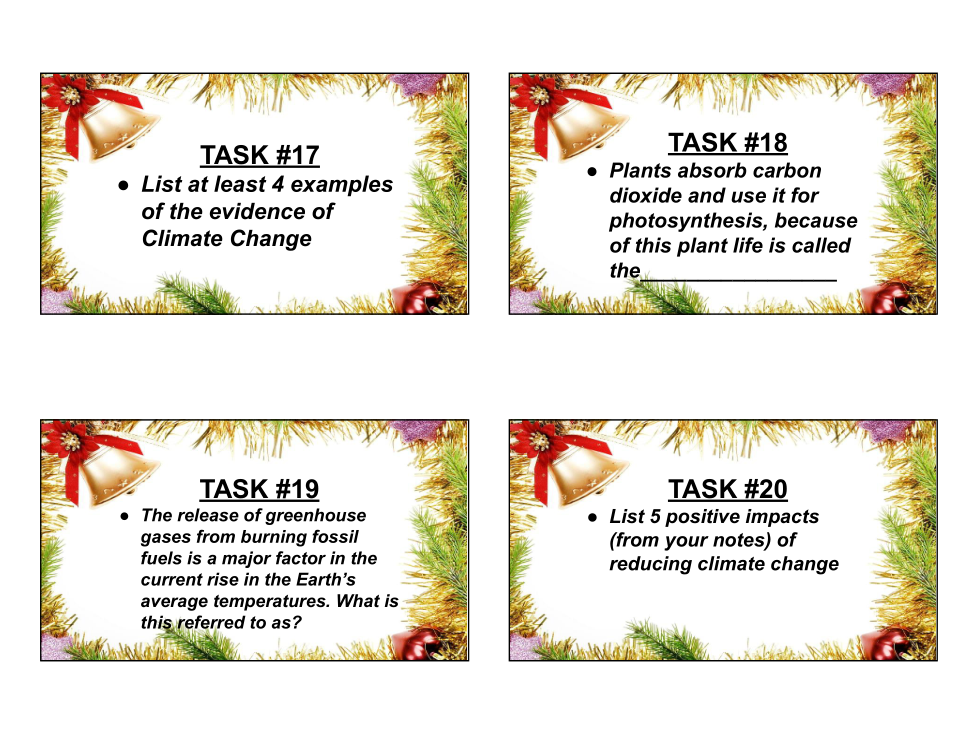
Choose 4 examples of the evidence of climate change.
elevated surface temperatures
shrinking ice sheets
reduced amounts of greenhouse gases
increase in the size of glaciers
rising ocean levels
more extreme weather events
Plants absorb carbon dioxide and use it for photosynthesis, because of this plant life is called the _______________.
carbon sink
carbon insulators
methane sink
The release of greenhouse gases from burning fossil fuels is a major factor in the current rise in the Earth's average temperatures. What is this referred to as?
global warming
global cooling
What are some possible solutions for climate change? (4)
reducing carbon emissions
supporting policies that want to reduce climate change
reducing deforestation
creating warmer temperatures
alternative energy sources
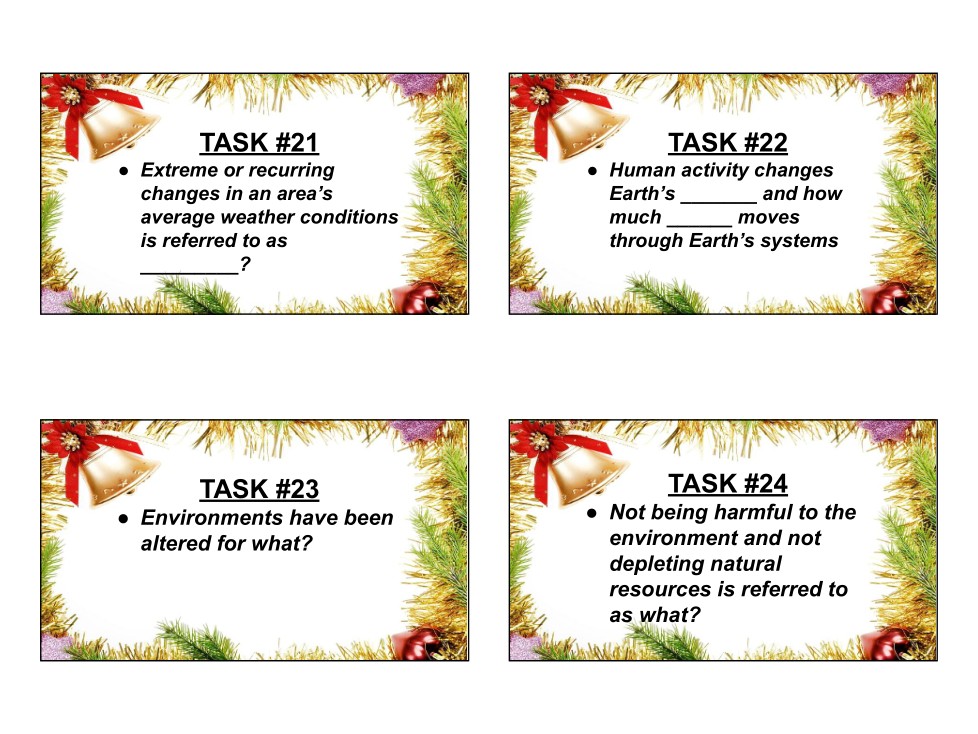
Extreme or recurring changes in an area's average weather condition is referred to as ________?
climate change
weather forecasting
improved climate
Human activity changes Earth's _________ and how much ___________ moves through earth's systems.
balance, carbon
holiday season, gifts
Environments have been altered for what two major reasons?
to keep animal's safe
too make the world more beautiful
infrastructure (building roads, buildings, etc)
feeding our population
Not being harmful to the environment and not depleting natural resources is referred to as what?
sustainable
unsustainable