Modeling Compounds and Elements

Last updated 11 months ago
10 questions
2

Compounds are a type of molecule. Every compound is going to be a molecule.

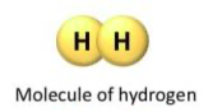
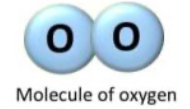
Molecules are two or more of the same elements combined together. Things like O2, which is two oxygens chemically _______ .

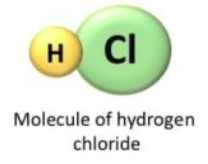
Compounds are two or more _______ elements bonded together. Something like CaCl2, because calcium and chlorine are different elements. HCl is another compound because we have two different atoms bonded together, a chlorine and a hydrogen atom.
5
A) The molecule below is an example of a __________

CH4


B) The molecule below is an example of a __________

P4


C) The molecule below is a product of Calcium (Ca), Sulfur (S), and Oxygen combining and this results in a __________

CaSO4


D) According to the diagram, which of these is an element only? __________
E) Which of the following is a compound? __________
3

Below is a model of a caffeine molecule, the same molecule that comes in coffee. Some students were discussing if caffeine is a compound or element. Evaluate their responses and tell us who you beleive is the most correct and why?

3 points
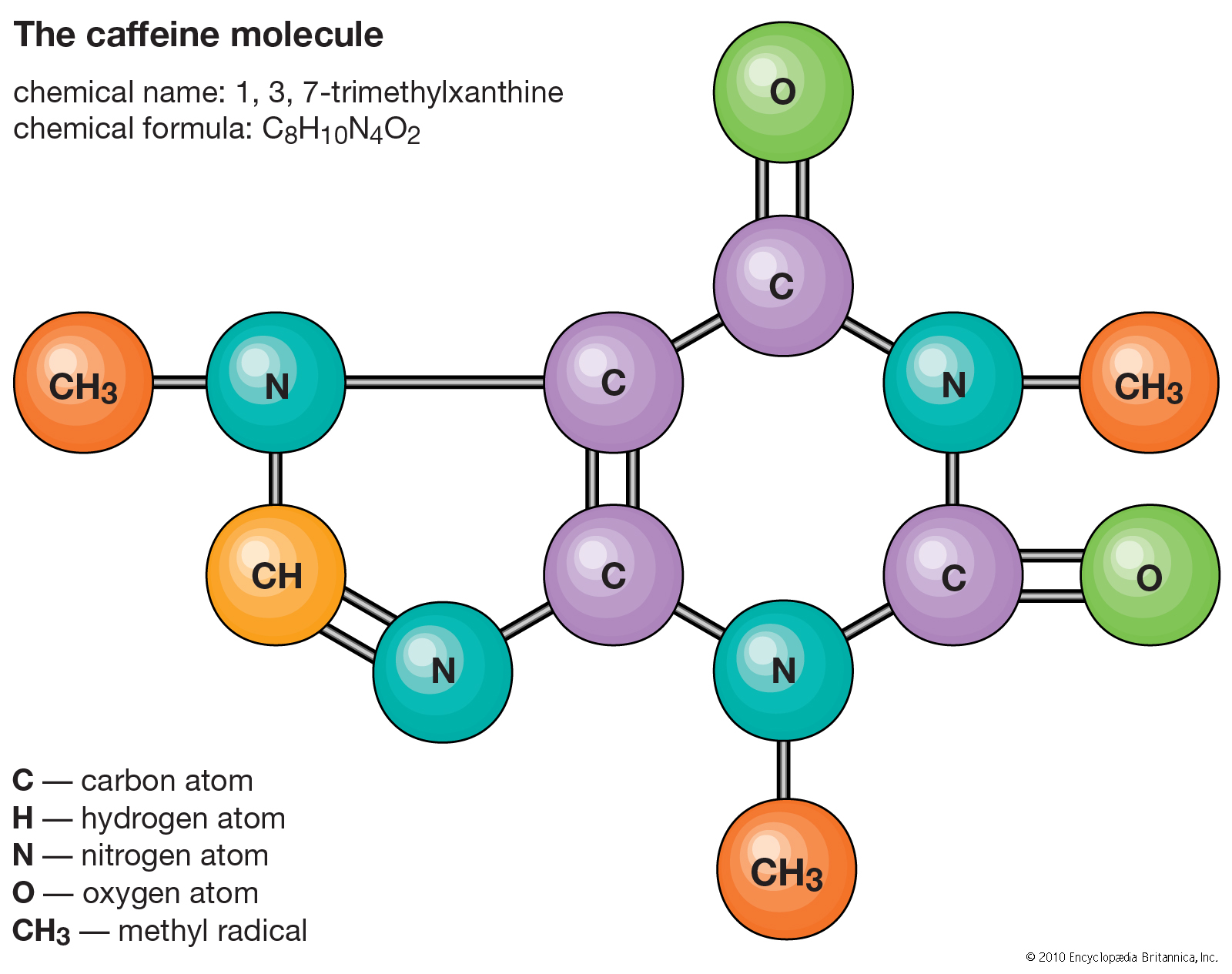

Students Answers:
Axel P. - Caffeine is an element because it has all of the same types of atoms in it, just mushed around and stuff.
Sophia - Caffeine is a compound. Based on the picture, we see different types of atoms bonded together, exactly like what you would see in a compound.
Julian Jimenez- Caffeine is compound because all of the atoms that are chemically combined are of the same type. Same type = compound.
Aiyanna - Caffiene is an element because it is the purest form of what it can be.
Sentence Starter: I Agree the most with _______ because

1

Sort the images into the two categories: Molecule of a compound and molecule of an element

  • Molecule of a Compound
  • Molecule of an Element
2

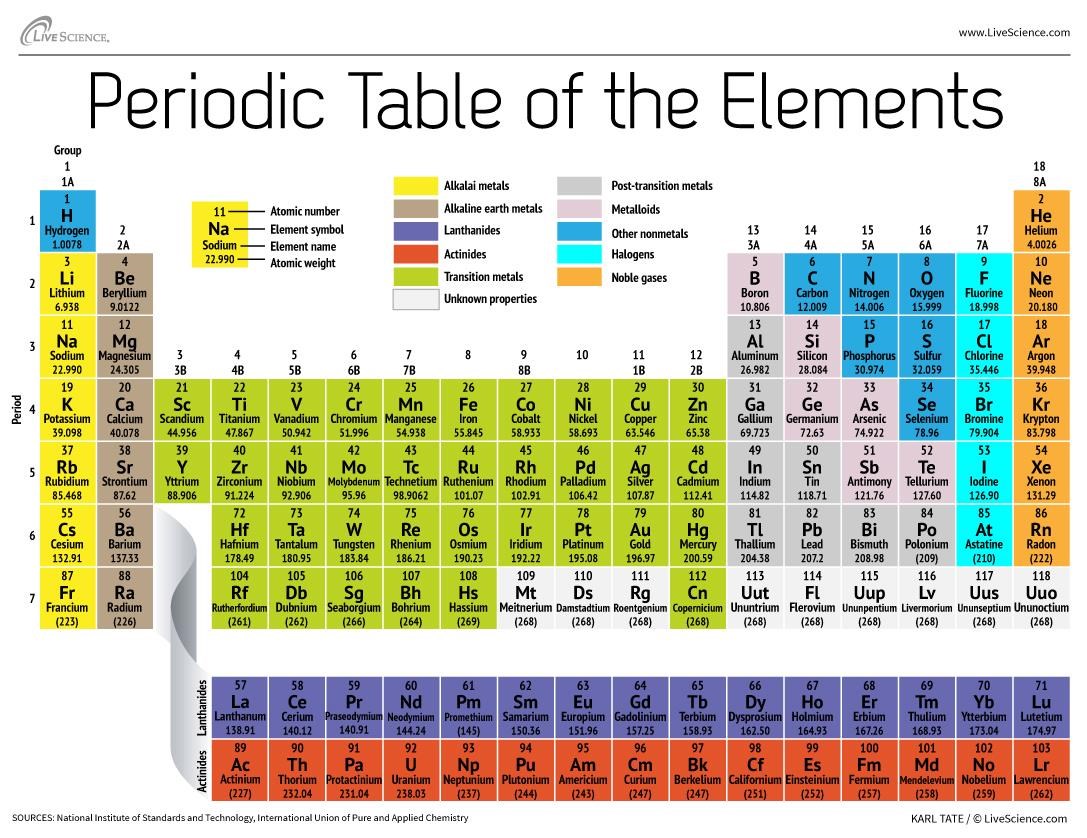
Draw a model of a Compound? Be creative!!! You may use any combination of the elements below to draw one. Refer to the slides to help you.

5
Word Bank:
metals
ion
nonmetals
hydrogen
bonds

Ion Bonds

Ionic bonds are formed from metals and _______ or a metal and a polyatomic _______. Polyatomic ions are typically made of nonmetals.

Covalent _______ are formed from 2 or more nonmetals.

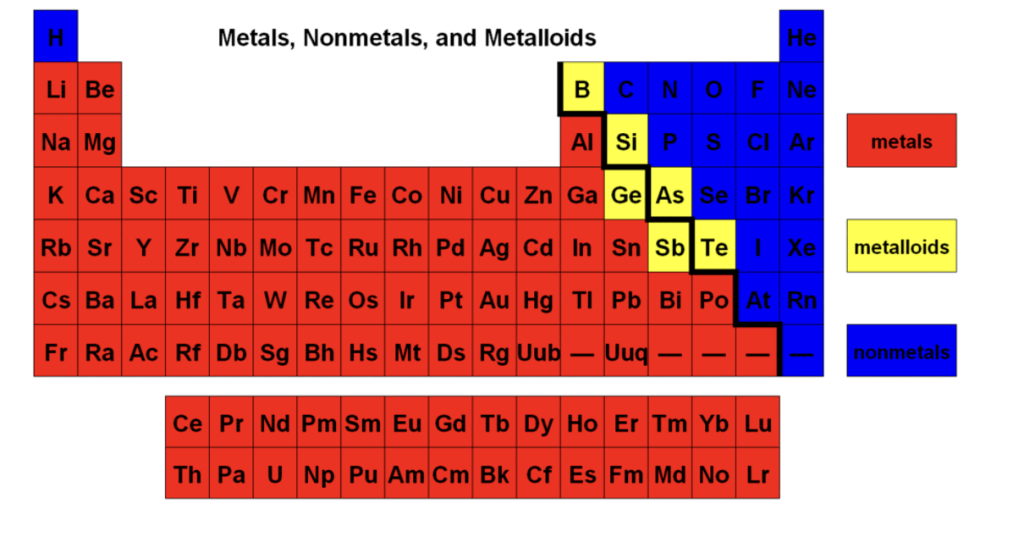
If you look at the periodic table you can locate a stair step. The elements to the left of the stair step are _______ except for _______ , which is a nonmetal. To the right of the stair step are nonmetals. So you can look at the formula and see if you have metals or nonmetals.
4
Ionic examples

Sodium Chloride (NaCl) is made of sodium which is a __________ and chloride which is a __________.

Potassium bromide (KBr) is made of potassium which is a metal and bromide which is a nonmetal.

What about litrium nitrate (LiNO3). It is made of Lithium a metal and nitrogen and oxygen which are nonmetals. NO3 is nitrate which is a __________ (which are elements that are bonded together but __________.
4

What about sulfur dioxide (SO2). It is made of both sulfur and oxygen which are both nonmetals, so it is a _______ bond.

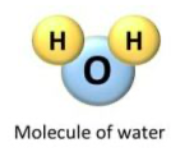
What about H2O. They are connected because they are sharing _______ & this holds the compound together. So how are the atoms held together in these _______ .

Compounds in covalent bonds are held together because they are _______ electrons.
3
Sodium Chloride is held together by an ionic bond. Chlorine wants one electron so it takes one electron from sodium. As a result, sodium and Chlorine become ions which is an element with __________.

The sodium becomes a positively charged ion called a __________. Chlorine becomes a negatively charged ion called an __________. Now you have a negative and positive charge attracted to each other and this bonds the element together.

How can you remember the difference?

With covalent bond, think co-president, which share the power. With ionic bonds, think "I want your electron", which results in an ion.
2

Create
  • One covalently bonded molecule (different nonmetals bonded together)
  • One ionic bonded molecule (different metals and nonmetals bonded together)