A water molecule is polar because ..........
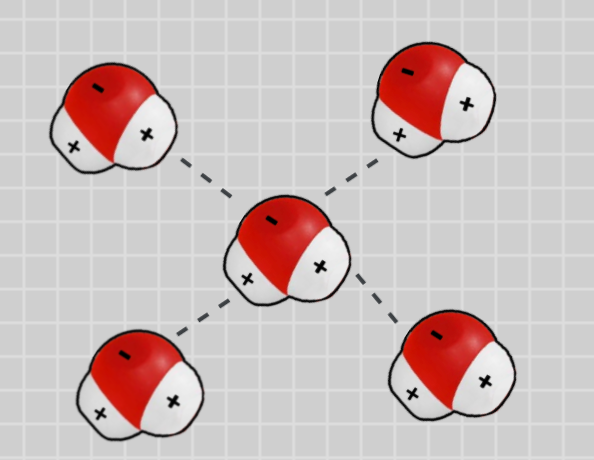
A water molecule is polar because ..........
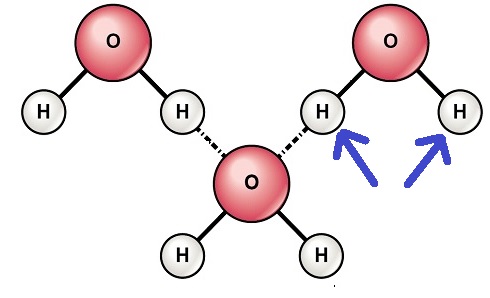
If a water molecule has an oxygen atom (8 P+, 8N, 8 e-) and 2 hydrogen atoms (1 P+, 1 e-). add the correct labels to water molecule in the diagram
Label the polar covalent bonds in this diagram
Label the 2 water molecules with their partial + and - charges and then add a hydrogen bond between the 2 water molecules
A water molecule is polar because ..........
The weak and temporary bond between the positive hydrogen side of a water molecule and the negative side of another molecule (maybe water) is called ...
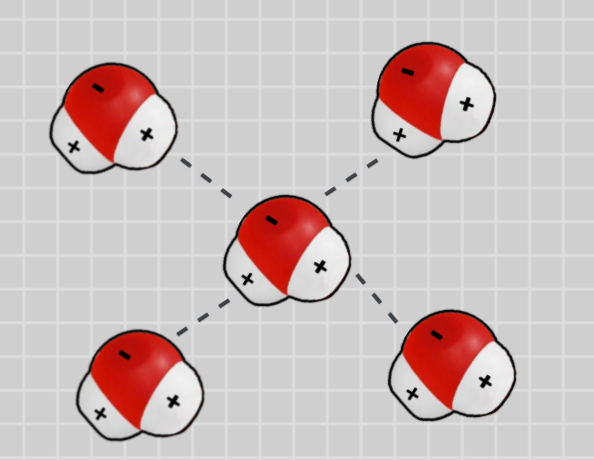
What is the bond type shown by the blue arrow in the picture?
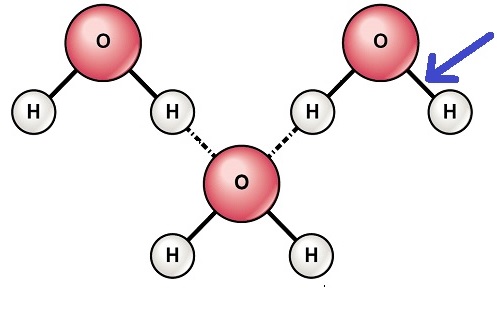
What is the bond type shown by the blue arrow in the picture?
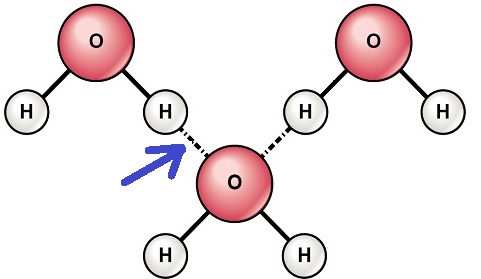
What is the charge on the hydrogen end of the molecule shown in the picture?
The 4 properties of water
1. _____________ - creates surface tension and capillary action
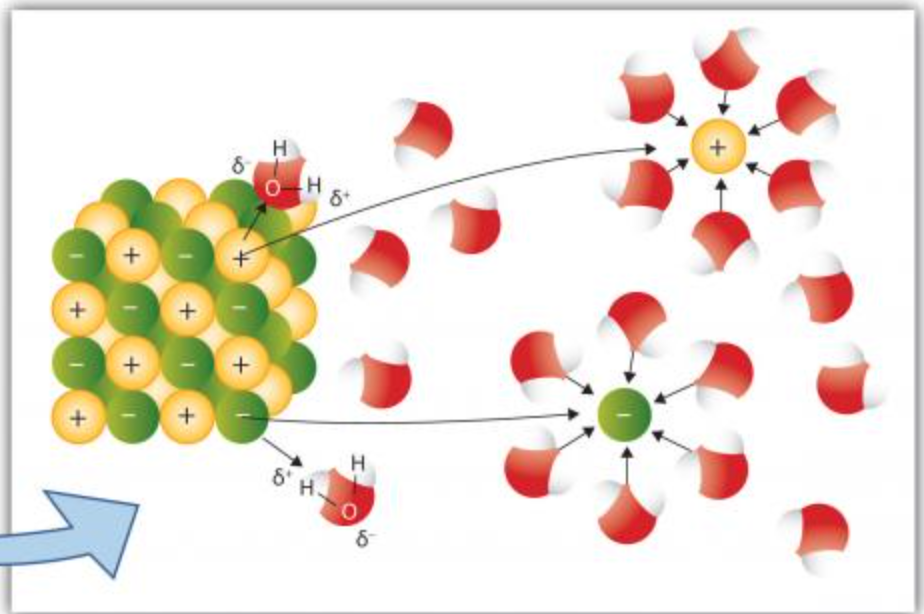
2. Water is able to _____________ A LOT of stuff
3. Ice _____________ water
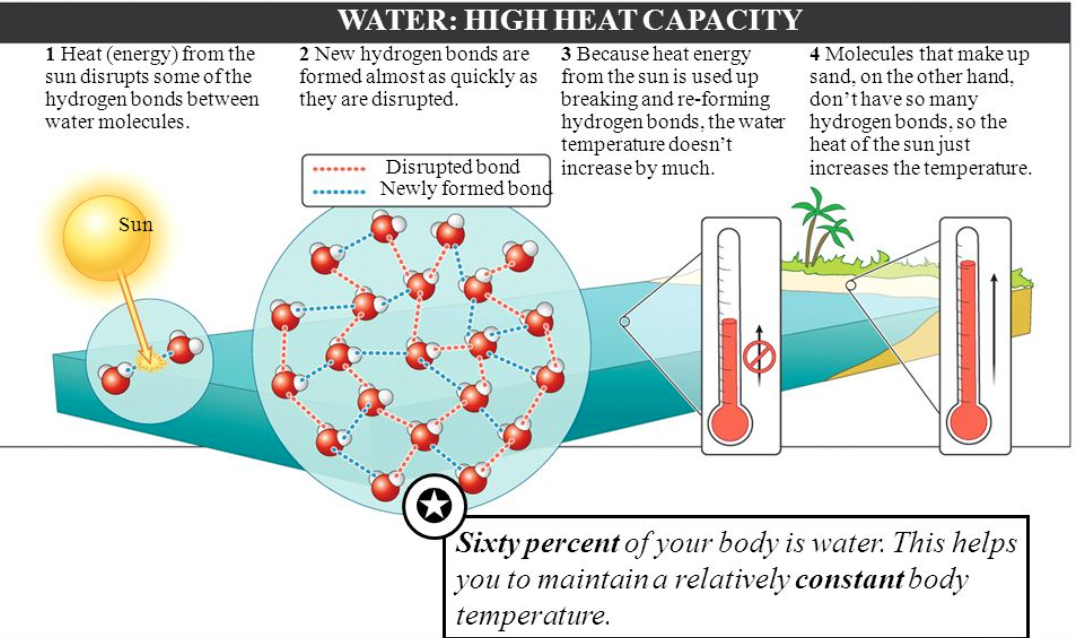
4. Water _____________ temperature
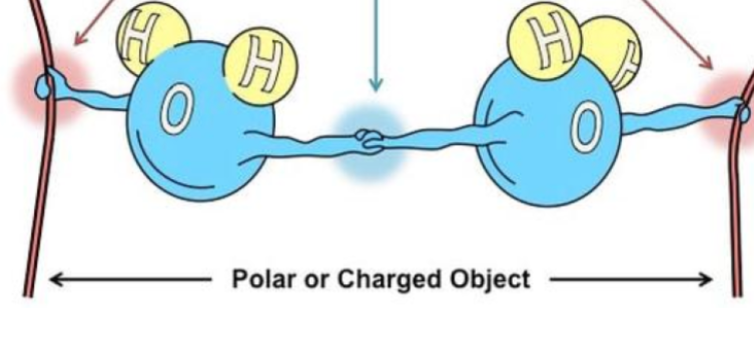
The hydrogen bond between the 2 water molecules is an example of _________________, while the hydrogen bond between a water and another molecules (like the sides of the tube shown in the diagram) is an example of _____________
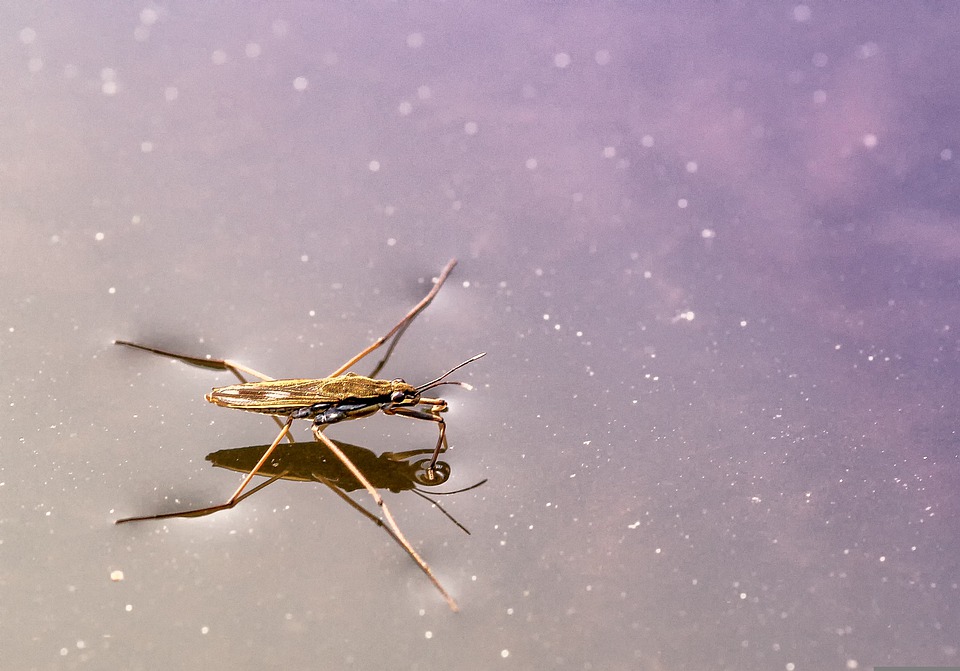
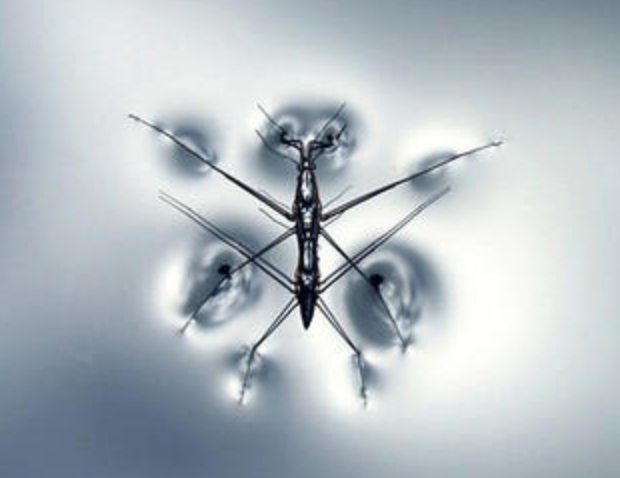
Insects can "stand" on water because water __.
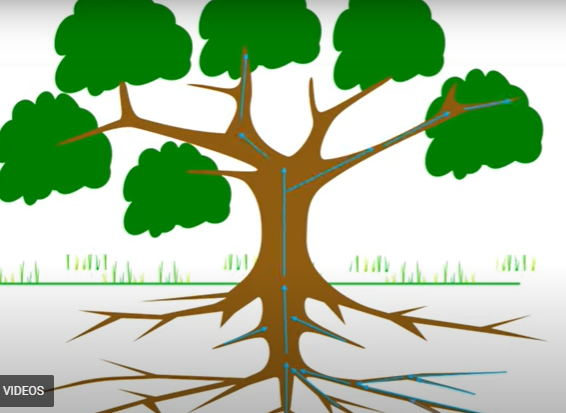
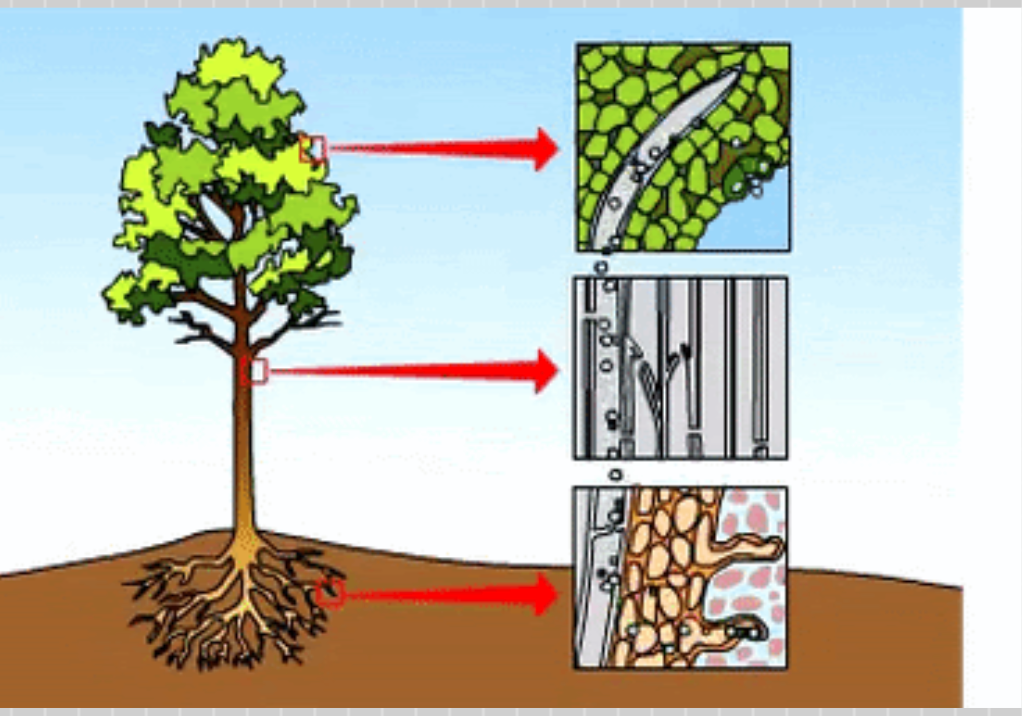
When water moves up trees, it is ____?
Mix oil and water together. What happens after time?
Match the image with the description of water properties
capillary action
surface tension
water is a good solvent
water moderate temperatures (slows down changes in temperature)
Match the substance with its correct label
salt
sugar
protein
oil
any substance that can dissolve in water
any substance that cannot dissolve in water
any substance that has charges that will be surrounded by water molecules when water is the solvent
any substance that repels water
hydrophilic
hydrophobic
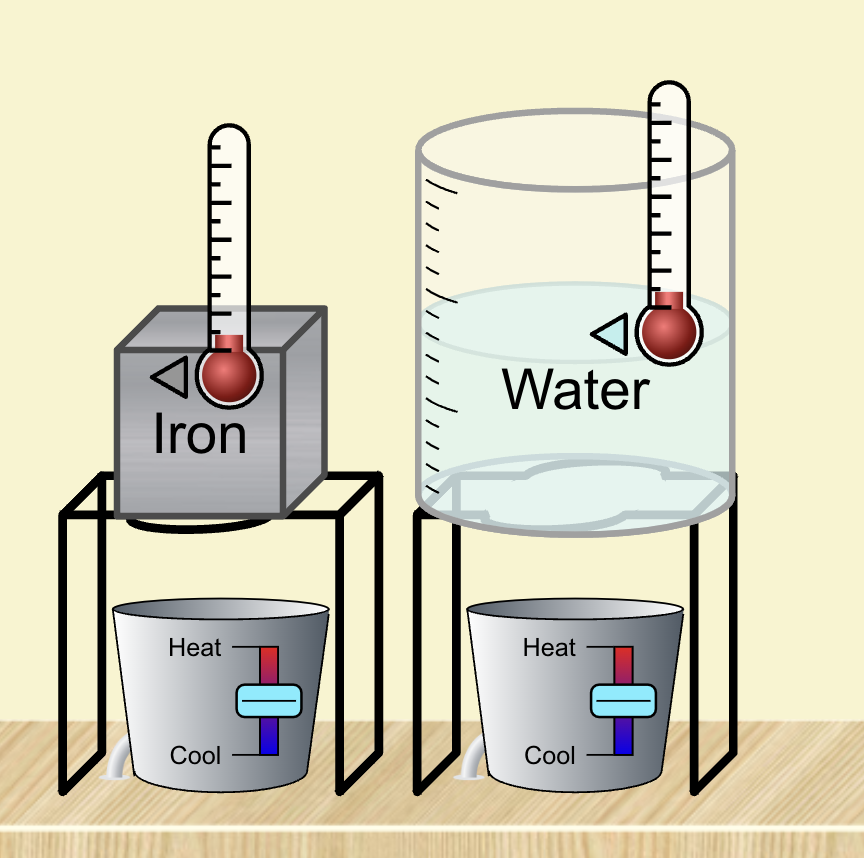
Which substance will heat and cool down more quickly, the iron or the water?
What bonds exist in the water the must be broken or remade BEFORE the water can heat up or cool down (change its temperature)
Match the picture with the correct label - which shows ice and which shows liquid water?
Item 1
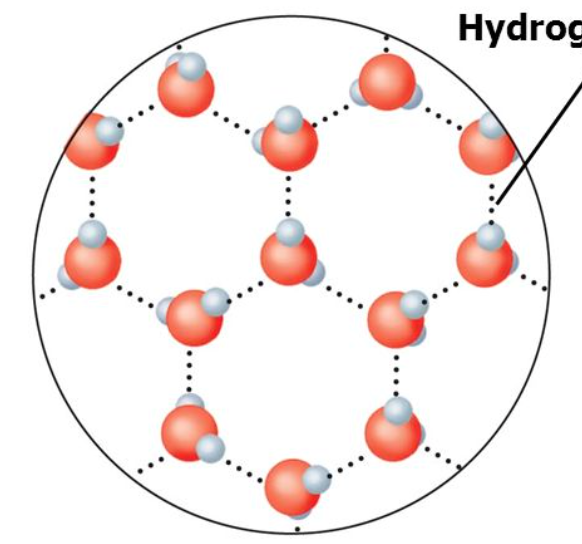
Item 2
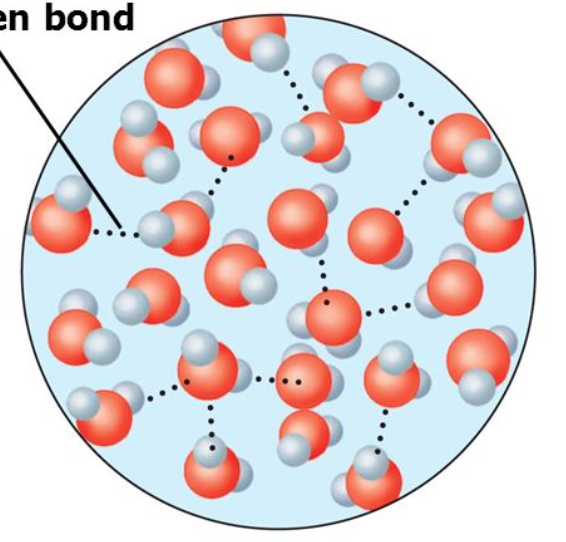
ice
liquid water
From our water inquiry, what property/ies of water is/are shown by this picture where the closer drops are water and the drops further away are rubbing (isopropyl) alcohol)?
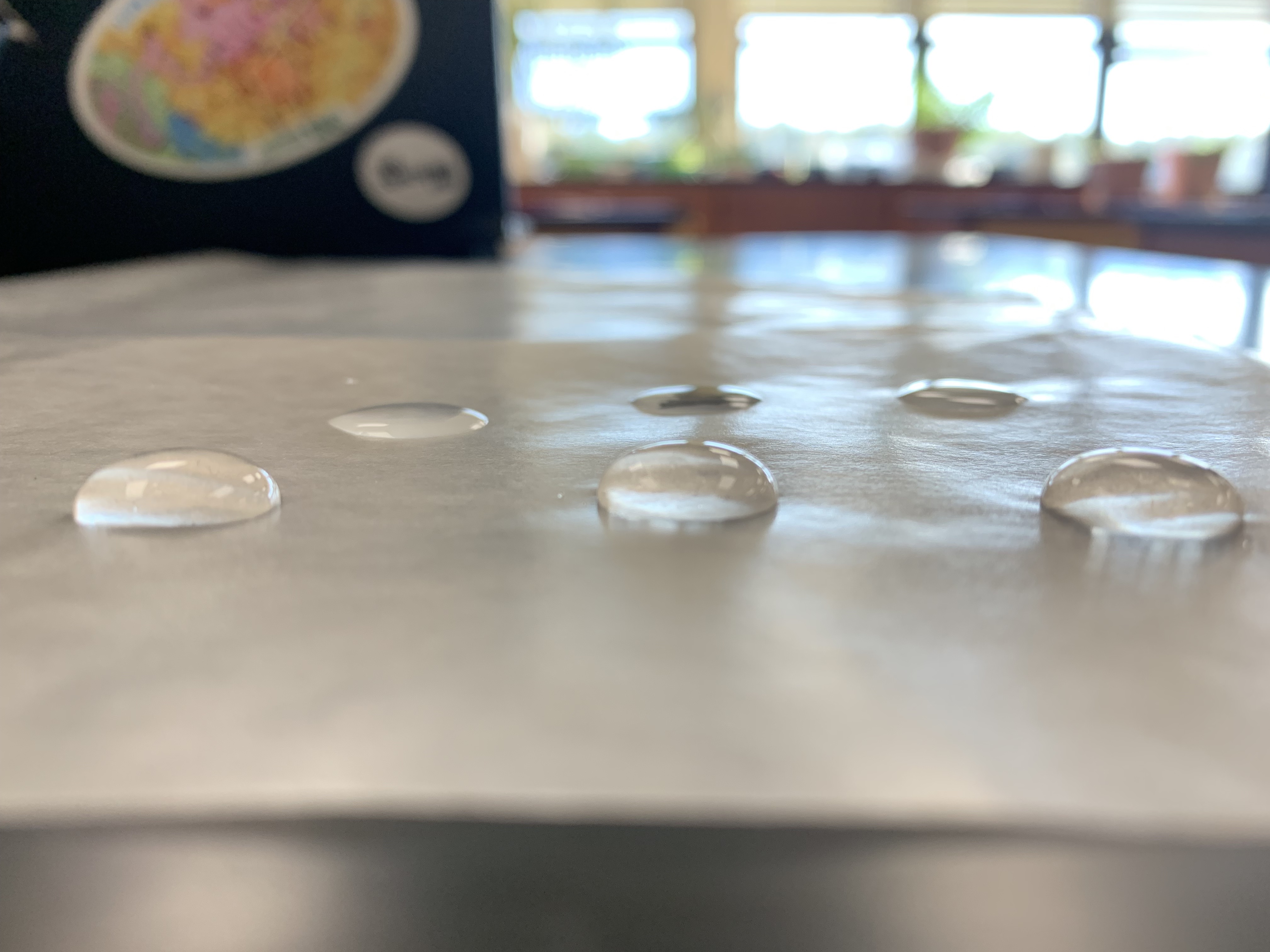
What is happening in this video when the toothpick dipped in detergent touches the water drops (which are the drops in the front row)?
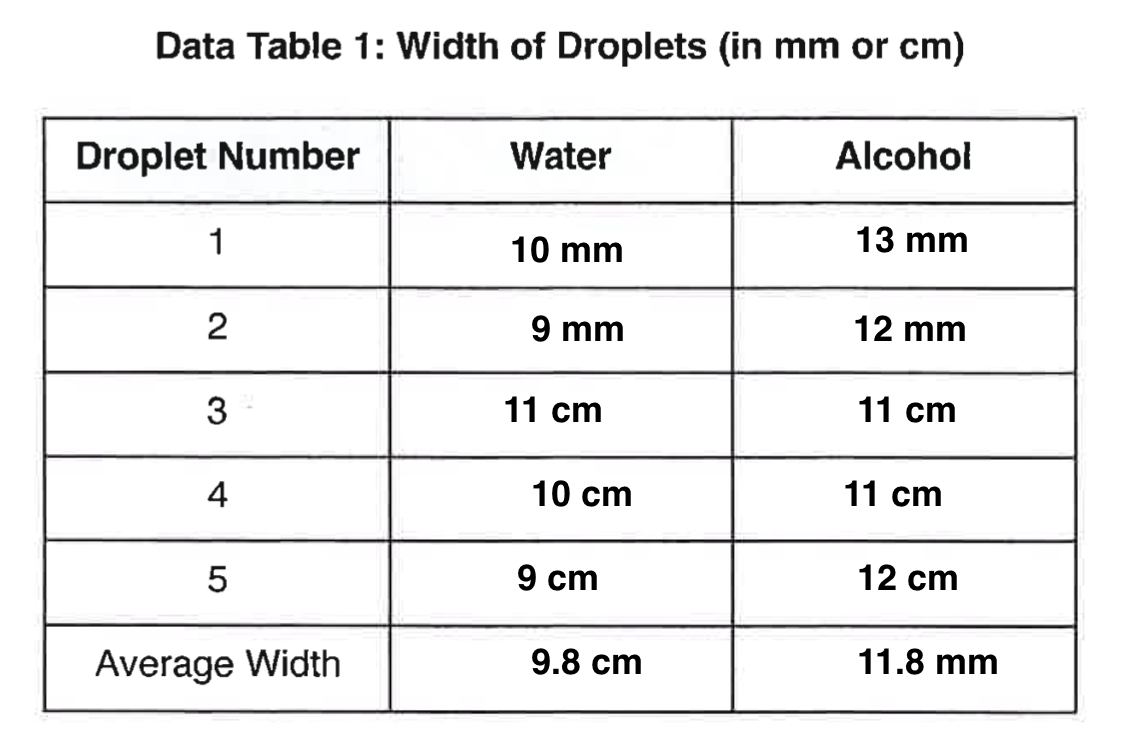
Look at the data table above, what would be an explanation for the difference in the 2 data sets - width of water droplets - for water and rubbing alcohol?
Identify and explain one dramatic example of how different the earth would be if water was not a polar molecule
Which of the following is true about the pH levels of acids and bases?
How do acids and bases differ in terms of H+ and OH- ion concentration?
Which is the strongest base from the list below?
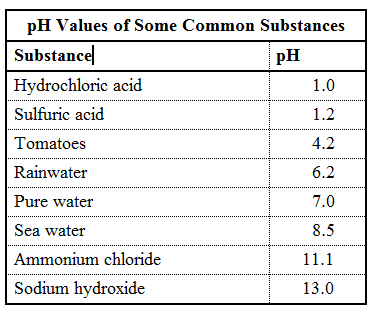
Label the pH Scale with the following. Acid/Base/Neutral/More OH-/More H+/H+ = OH-
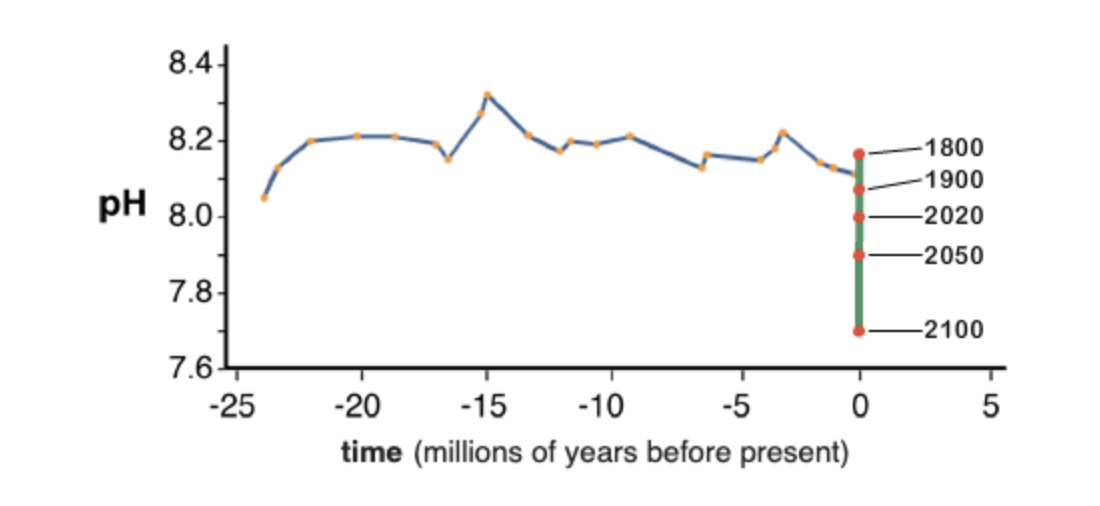
Before the industrial revolution, what is the LOWEST pH the ocean has reached in the last 25 million years?
What happens when excess atmospheric CO2 dissolves (diffuses) into ocean water? Choose all that are correct.
Based on the current rate of change, what will the pH of the ocean be in the year 2100?
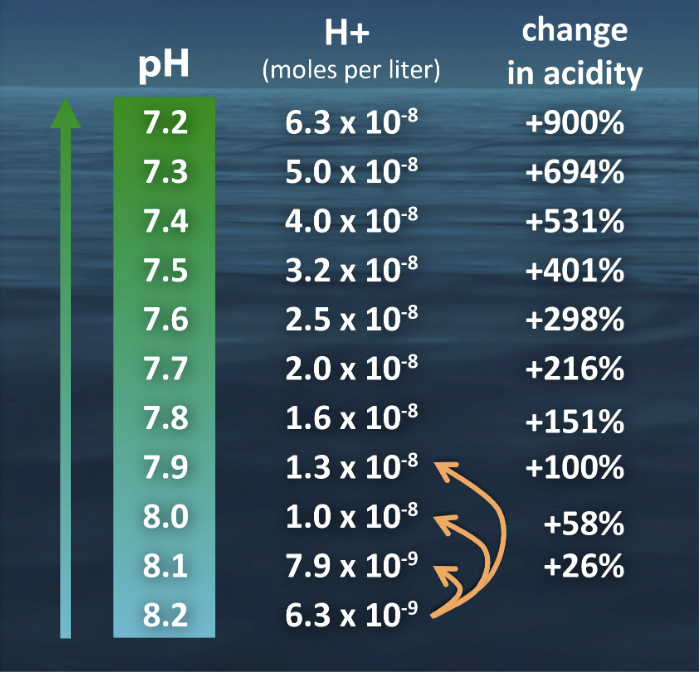
Using the chart above ...Starting with the pre-Industrial Revolution ocean pH of 8.2, what is be the predicted percent increase change in acidity by 2100?
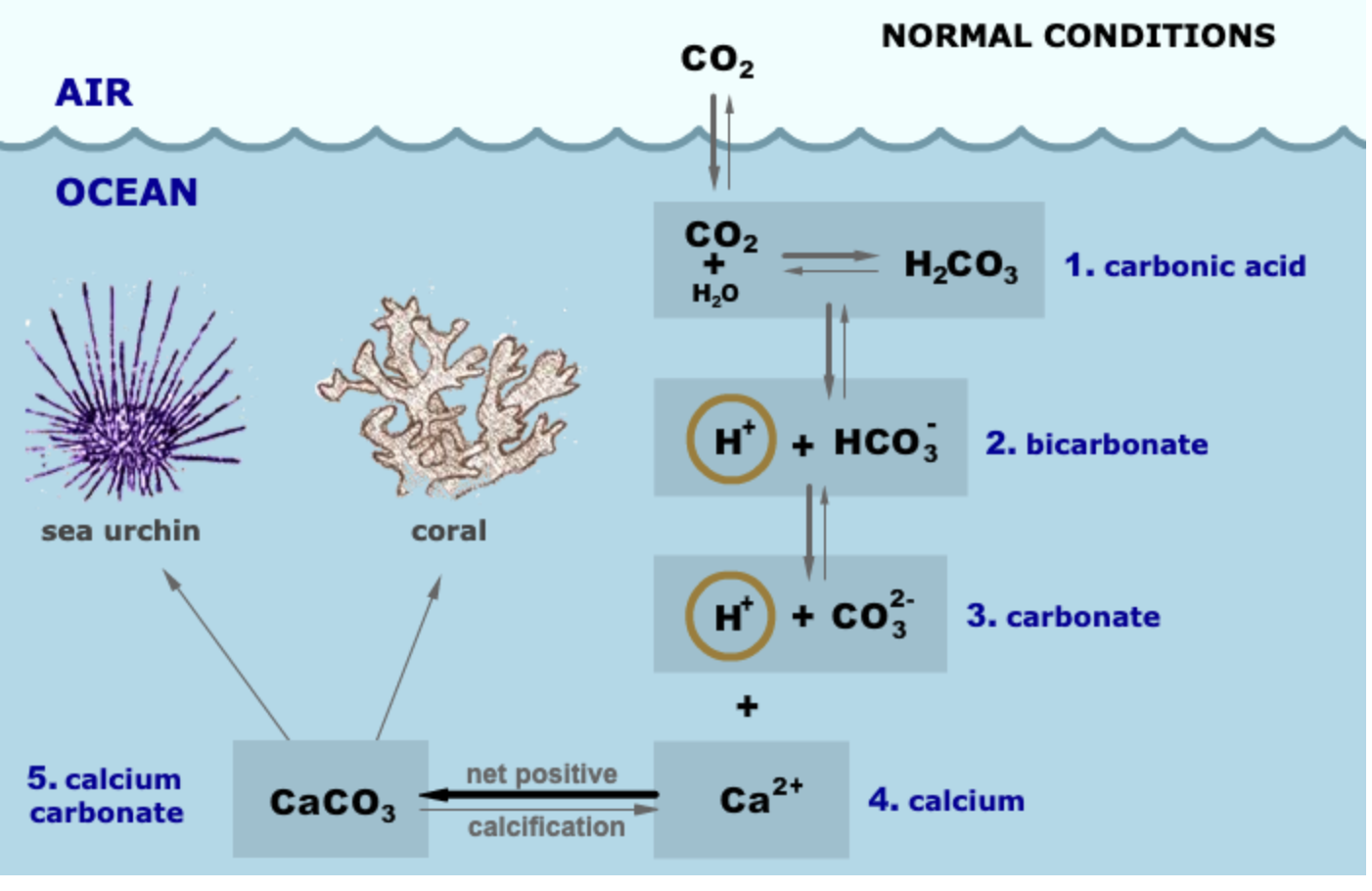
What equation shows how shellfish, sea urchins and corals build their hard, external shells or bodies
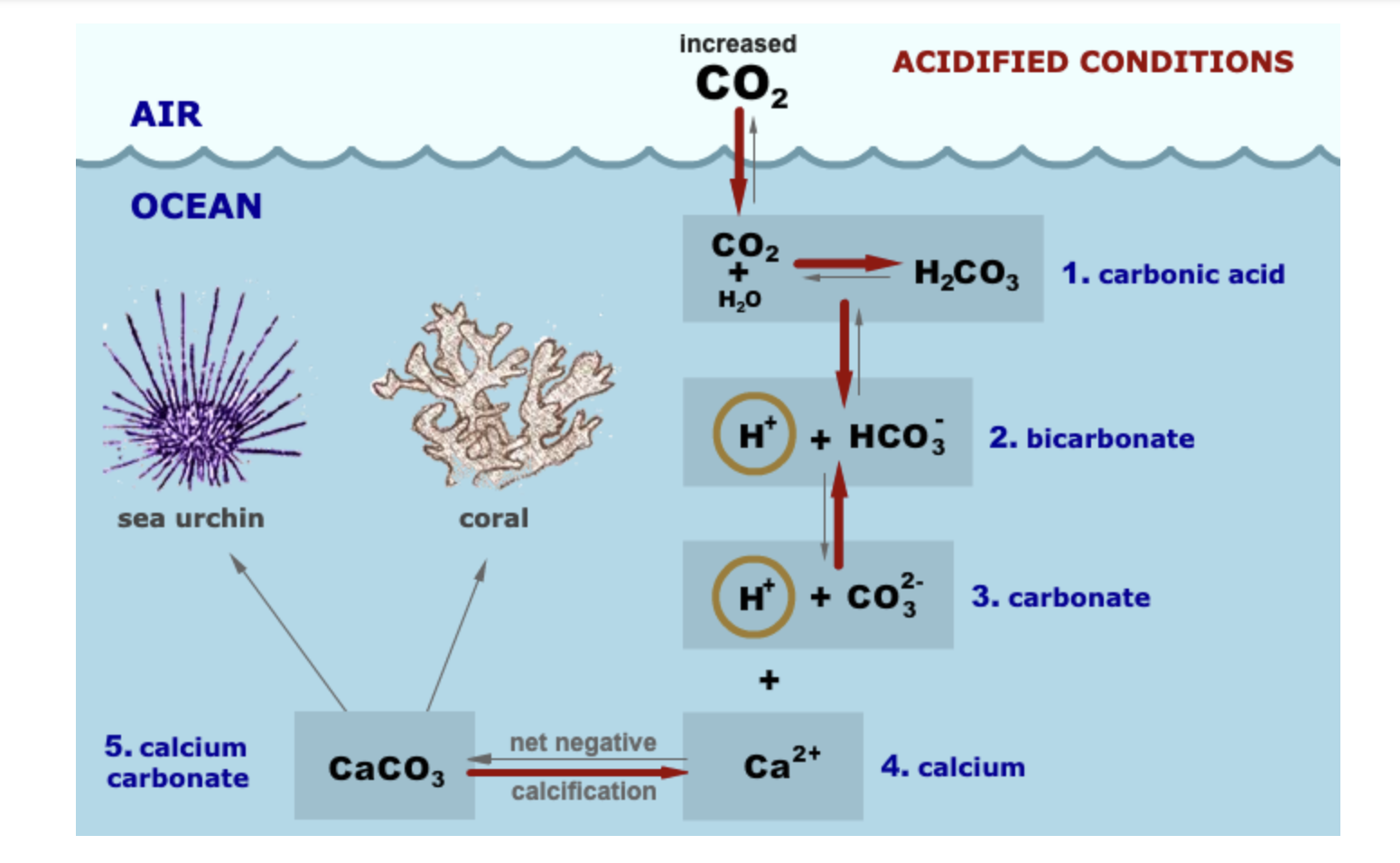
The red arrows above show the direction of the chemical reactions when the ocean has a low pH (too acidic). What is causing the reactions to go in the WRONG direction?
The red arrows above show the direction of the chemical reactions when the ocean has a low pH (too acidic). What substance that shellfish, sea urchins and coral need is MUCH harder for them to make when the pH is lower (more acidic)?