Log in
Sign up for FREE
arrow_back
Library
Compounds and mixtures
By Mr Pike
star
star
star
star
star
Share
share
Last updated about 11 hours ago
46 questions
Add this activity
1
1
1
1
1
1
1
1
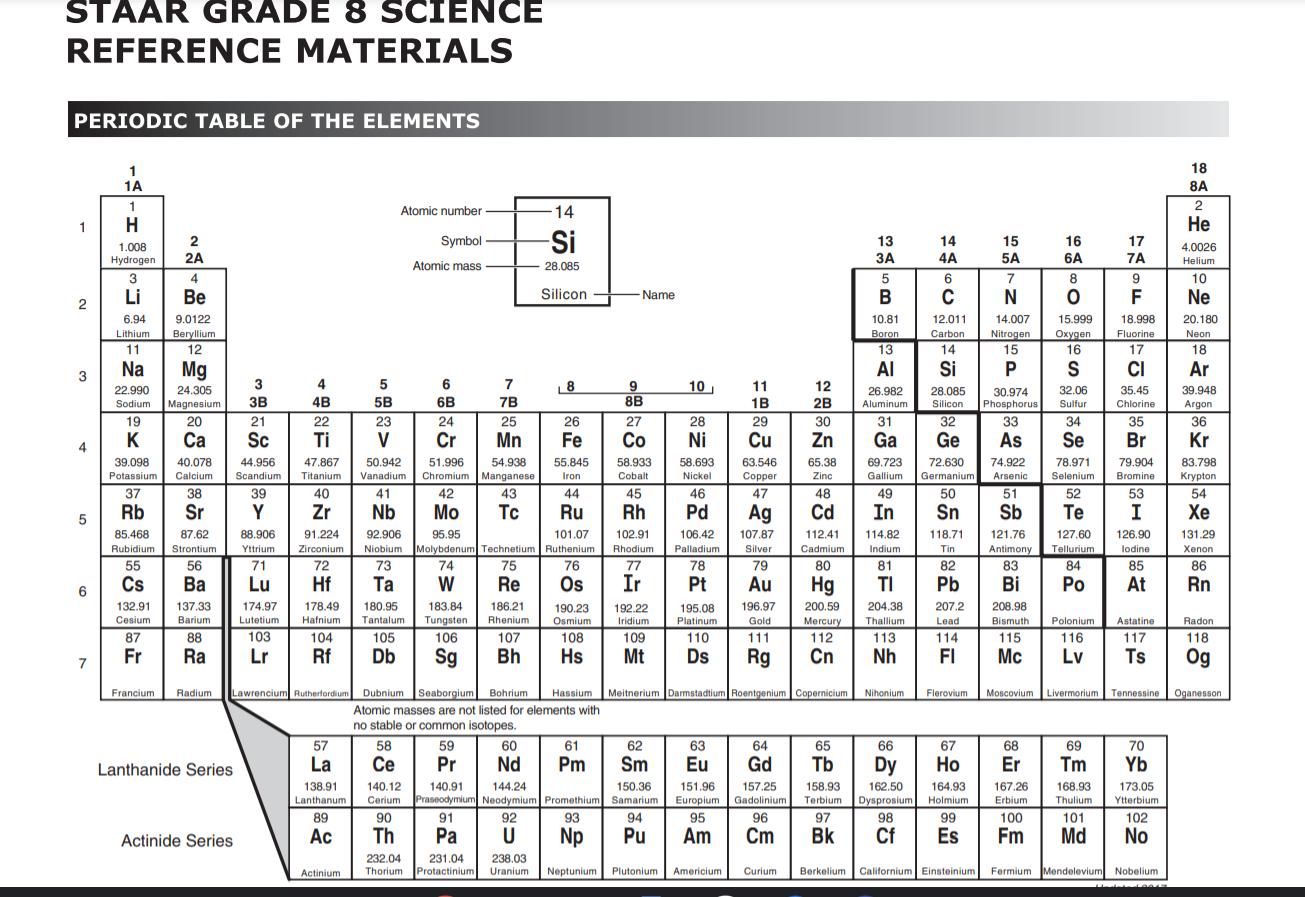
1
1
1
1
1
1
1
1
1
1
1
1
1
1
1
1
1
1
1
1
1
1
1
1
1
Question 1
1.
This is a picture of a(an) __________, the building block of matter.
element
compound
mixture
atom
Question 2
2.
In the picture above, water is an example of
an atom
an element
Question 3
3.
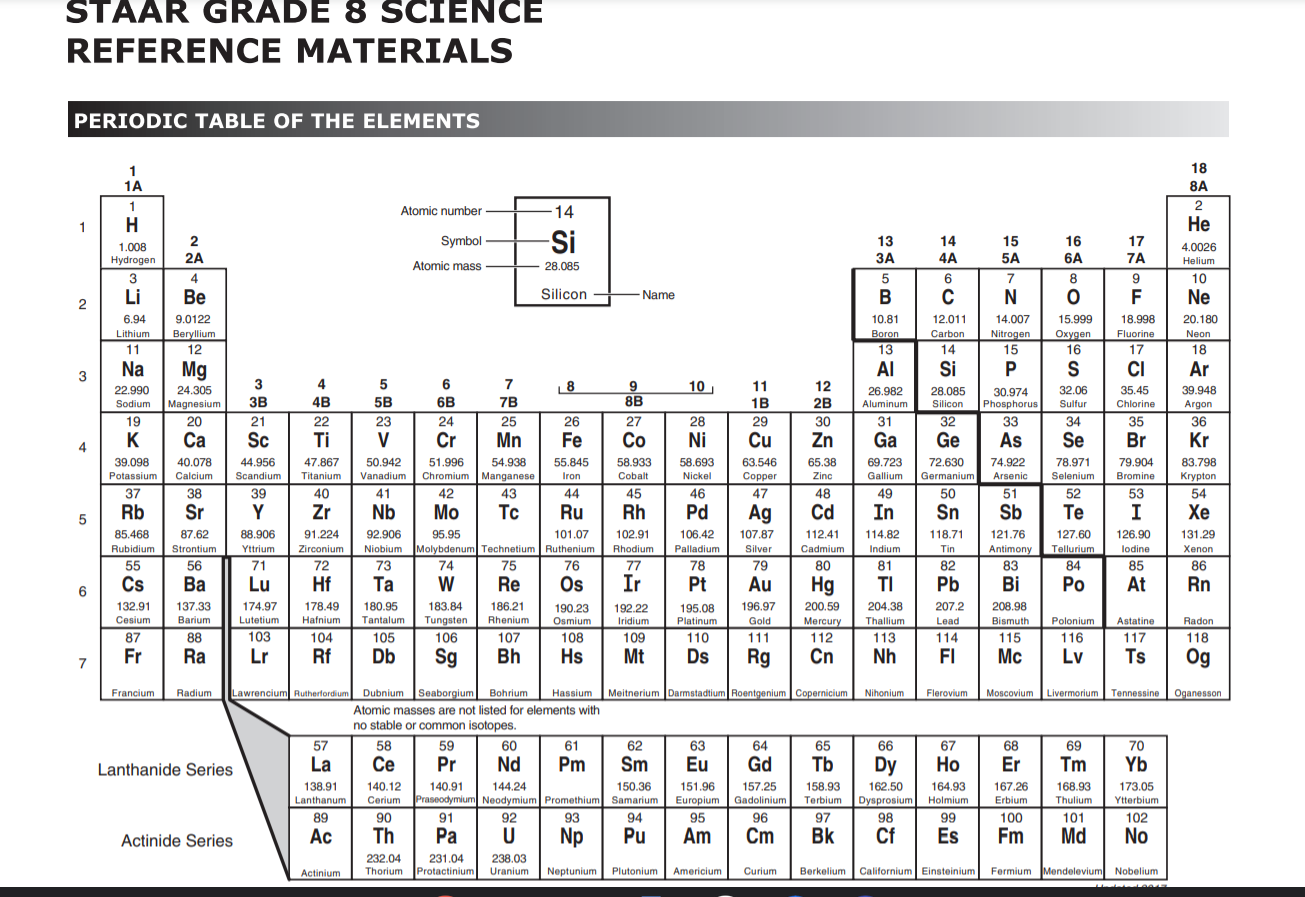
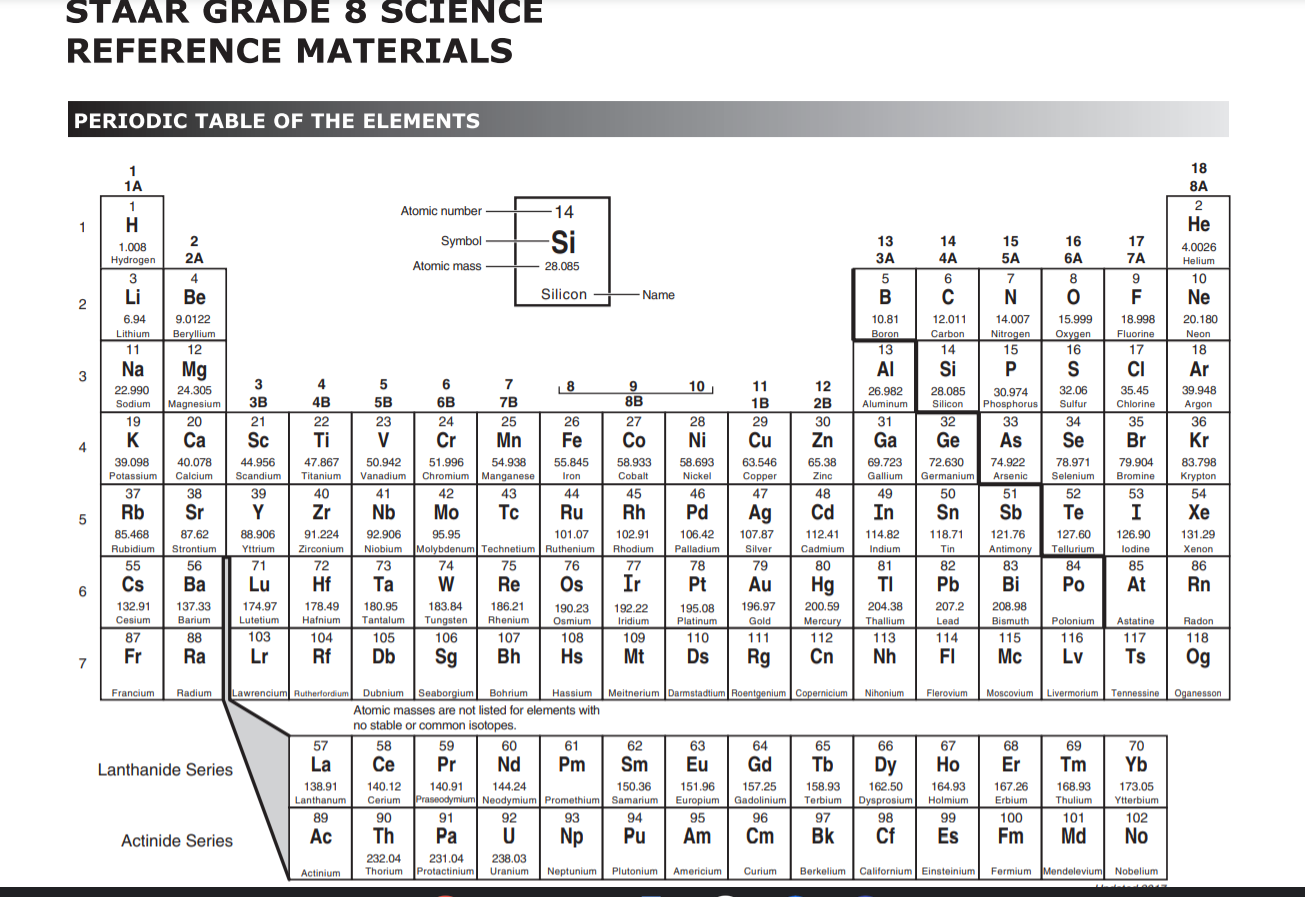
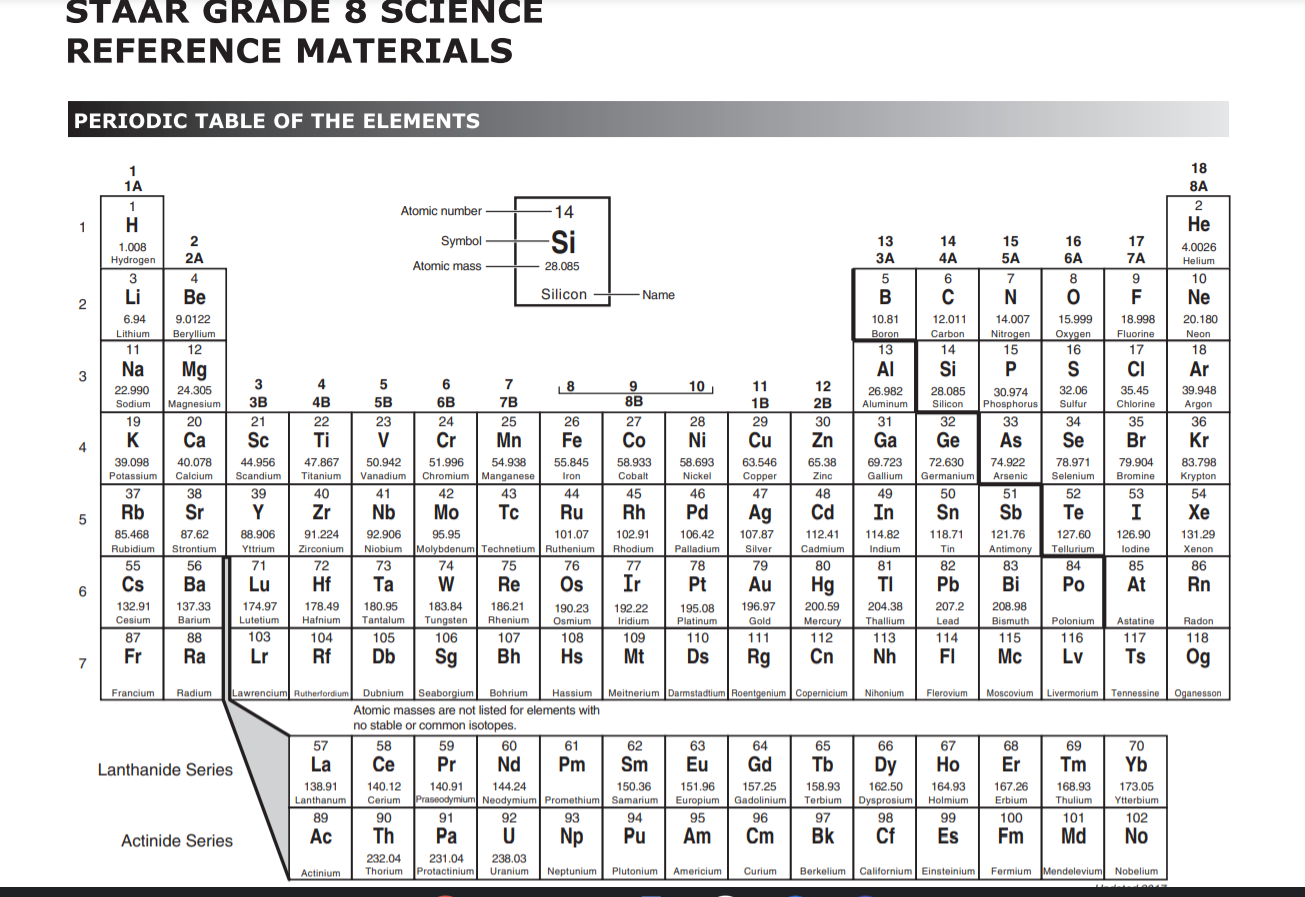
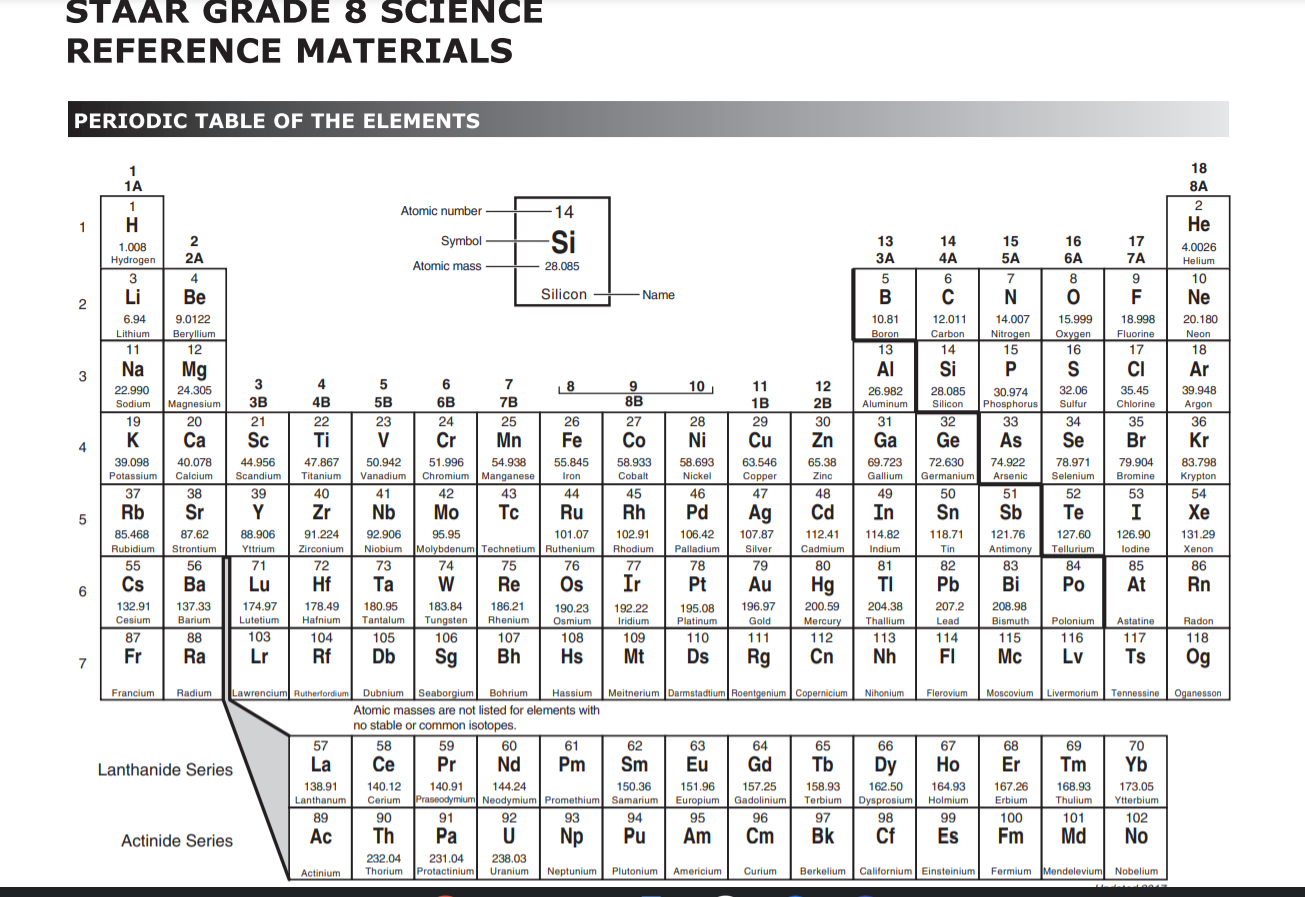
Silver is found on the periodic chart. Therefore, it must be a (an)
element
compound
mixture
all of the above
Question 4
4.
How many molecules are there in the formula 4C
2
H
3
?
20
4
3
2
Question 5
5.
Use the information below to answer the following question.
N = nitrogen
Cl = chlorine
H = hydrogen
C = carbon
Na = sodium
What elements make up the molecule NaCl?
sodium and carbon
sodium and chlorine
nitrogen and carbon
Question 6
6.
What does the picture above represent and why?
elements because there are 3 different colors
elements because they are only connected to other atoms of the same color
compounds because there are 3 different colors
compounds because there are more than one atom in each model
Question 7
7.
The picture above is an example of a(an)
element
atom
compound
Question 8
8.
These particles are most likely in what state?
Solid
Liquid
Gas
All of the above
Question 9
9.
Two or more atoms joined together is called a
Molecule
.
True
False
Question 10
10.
Liquid does....
change shape and change volume
change shape but not volume
not change shape but change volume
not change shape and not change volume
Question 11
11.
Which one of which of the following is not a part of an atom?
Proton
Question 12
12.
A particle in the nucleus with no electrical charge is known as a(n)
atomic number
Question 13
13.
Isotopes are atoms of the same element with the same number of protons and
a different number of electrons
Question 14
14.
Question 15
15.
An atom becomes negatively charged by
gaining an electron
Question 16
16.
What is the maximum number of electrons that are allowed on the second shell/orbit?
9
7
8
3
Question 17
17.
An atom can be identified by the number of_______________in the nucleus of an atom.
protons
electrons
Neutrons
Question 18
18.
Potassium has an atomic number of 19 and a mass number of 39. So, it has
_________________neutrons.
19
18
20
21
Question 19
19.
Which of the following would be an isotope of aluminum?
Atom A: mass number=24, atomic number=13
Question 20
20.
Which statement is true about the Periodic Table?
The Periodic Table allows you to easily compare the properties of one element to another
Question 21
21.
In the Periodic Table, the vertical columns that extend down the Periodic Table are called
periods
groups
classes
Question 22
22.
Which scientist is credited with inventing the Periodic Table?
Gregor Mendel
Question 23
23.
In the Modern Periodic Table, the elements are arranged in order of
increasing mass
Question 24
24.
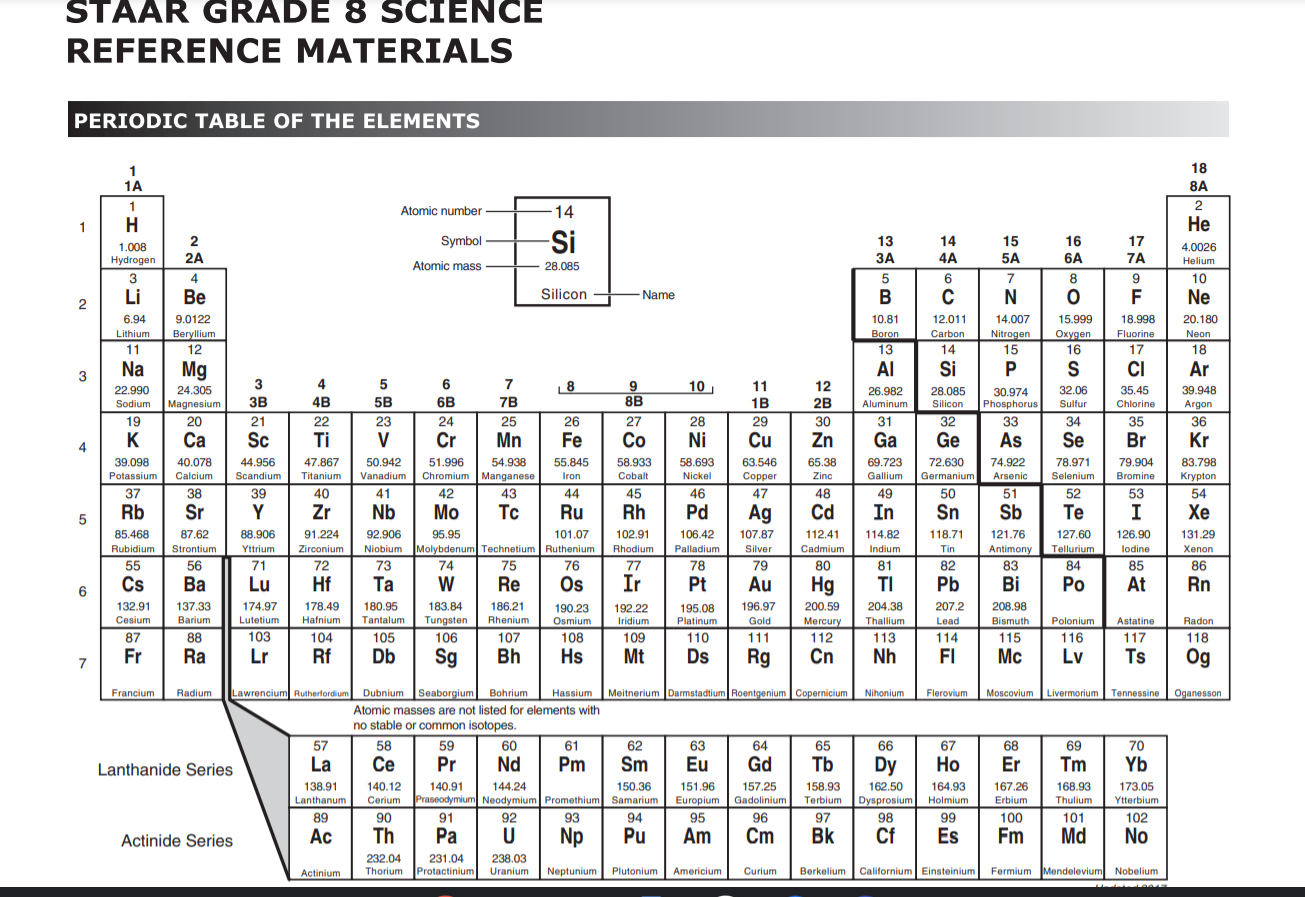
2. What is the atomic number for Beryllium?
40
5
107
4
Question 25
25.
3. Which element has the symbol B?
Beryllium
Boron
Bromine
Borhium
Question 26
26.
4. What is the symbol for Fluorine?
f
F
Fl
Fo
Question 27
27.
7. What is the atomic number of Bromine?
5
3
35
83
Question 28
28.
9. Which element's symbol is F?
Question 29
29.
17. Which group can you find Gold?
6
11
1
16
Question 30
30.
20. What is the symbol for Tin?
Sn
S
T
Ti
Question 31
31.
Whenever you are in the classroom or laboratory, you should wear
sandals
open toe shoes
closed toe shoes
no shoes
Question 32
32.
The correct way to move about the classroom or laboratory is to
run
dance
walk
skip
Question 33
33.
Eyeglasses do not provide as much protection as
a face shield
splash-proof goggles
safety glasses
all of these
34
35
36
37
38
39
zoom_in
10
10
10
10
10
10
40
41
42
43
44
45
46
zoom_in
1
1
1
1
1
1
1
a compound
a mixture
all of the above
nitrogen and chlorine
Molecule
Neutron
Electron
isotope
electron
Neutron
a different number of molecules
a different number of neutrons
the same number of neutrons
In an element with a neutral charge, the atomic number is equal to the number of
(a )atoms
(b) nucleus
(c) protons
(d) electrons
(e) both c and d are correct
losing an electron
losing a proton
gaining a neutron
Atom B: mass number=24, atomic number=12
Atom C: mass number=26, atomic number=14
Atom
D:
mass number=22, atomic number=11
Each horizontal row of the Periodic Table is called a group
Each vertical column of the Periodic Table is called a period
All of the above are correct
Watson and Crick
Albert Einstein
Dimitri Mendeleev
increasing atomic volume
increasing atomic number
the alphabet
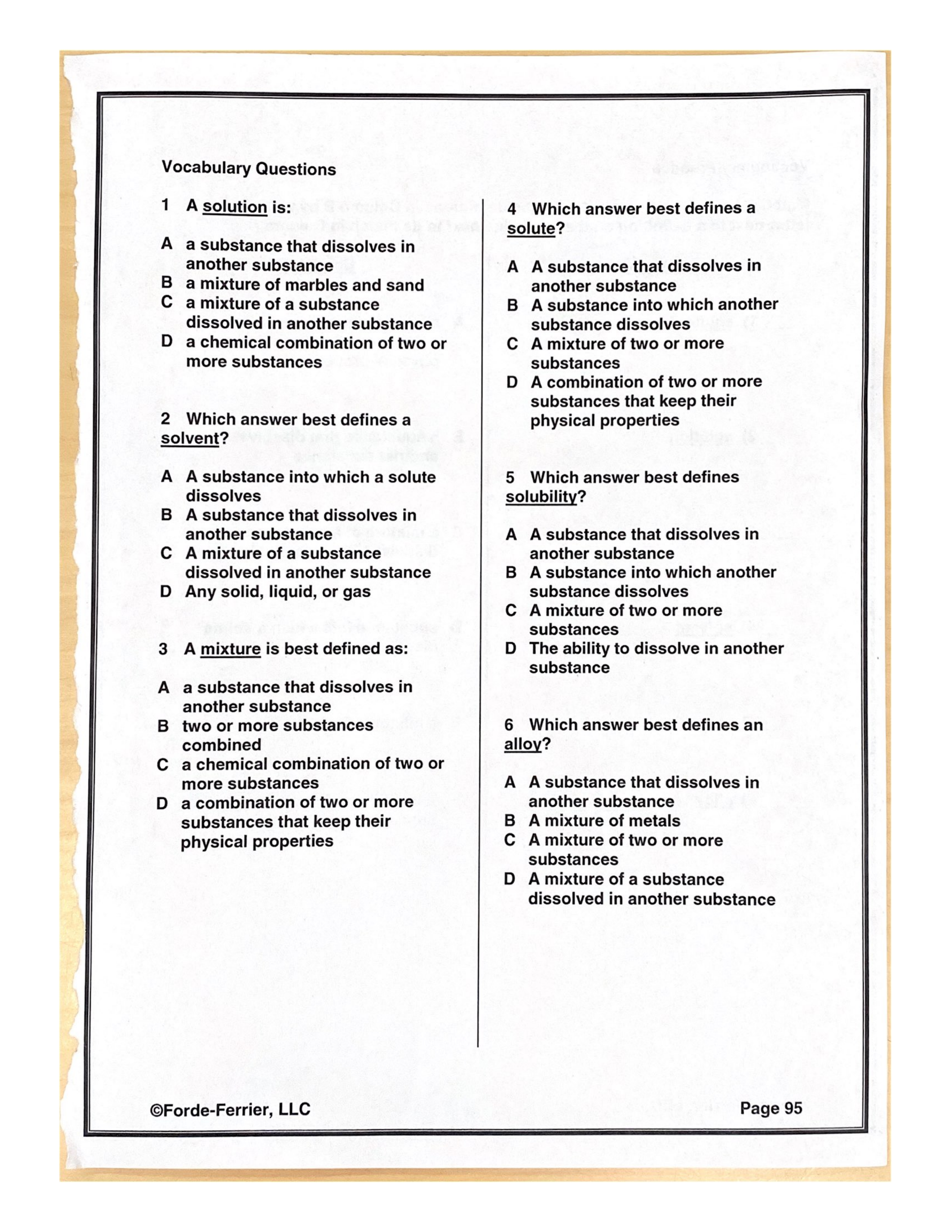
Question 34
34.
A
solution
is:
A
B
C
D
Question 35
35.
Which answer best defines a
solvent?
A
B
C
D
Question 36
36.
A
mixture
is best defined as:
A
B
C
D
Question 37
37.
Which answer best defines a
solute
?
A
B
C
D
Question 38
38.
Which answer best defines
solubility?
A
B
C
D
Question 39
39.
Which answer best defines an
alloy
?
A
B
C
D
Question 40
40.
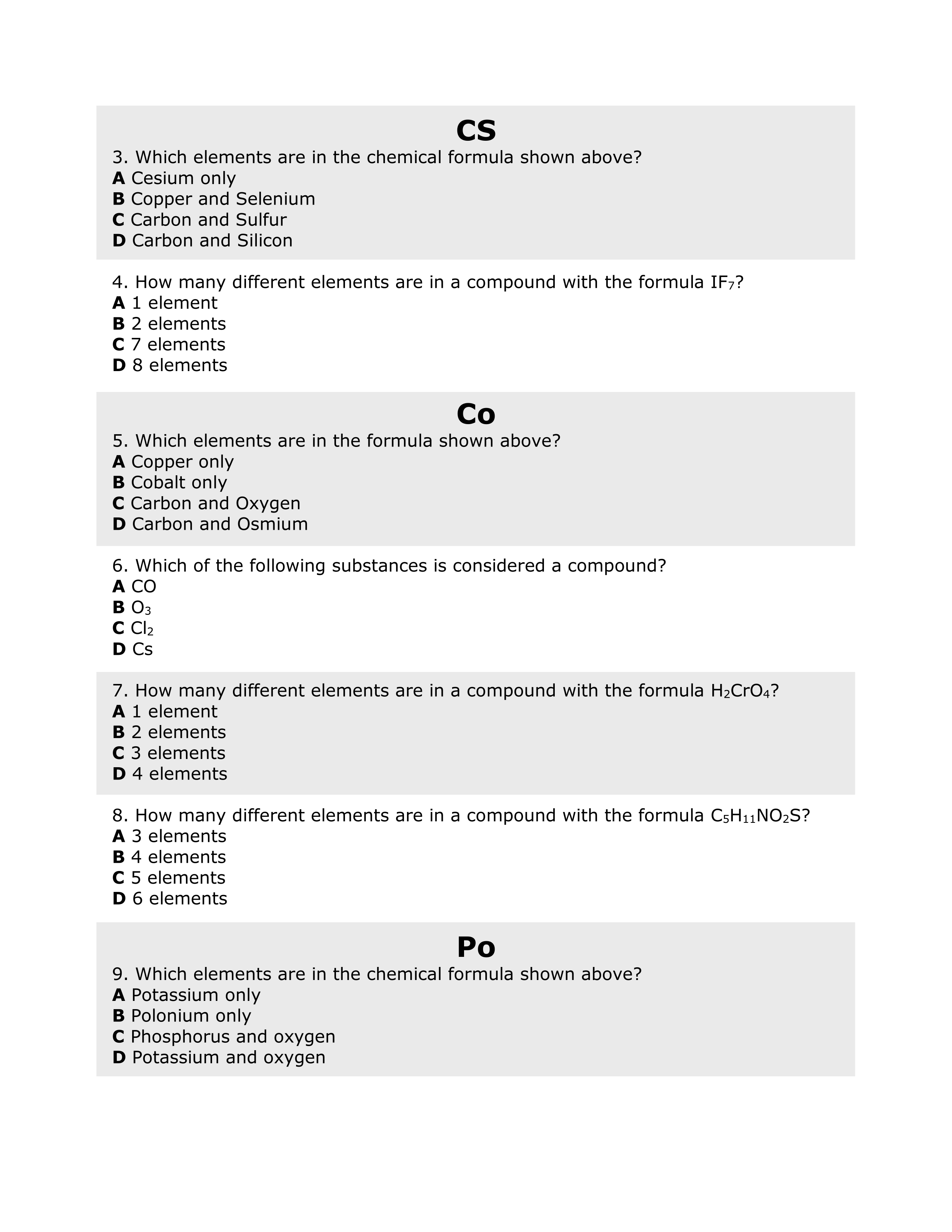
CS
Which elements are in the chemical formula shown above?
A Cesium only
B Copper and Selenium
C Carbon and Sulfur
D Carbon and Silicon
Question 41
41.
CS
How many different elements are in a compound with the formula IF7?
A 1 element
B 2 elements
C 7 elements
D 8 elements
Question 42
42.
Co
5. Which elements are in the formula shown above?
A Copper only
B Cobalt only
C Carbon and Oxygen
D Carbon and Osmium
Question 43
43.
6. Which of the following substances is considered a compound?
A CO
B O3
C Cl2
D Cs
Question 44
44.
How many different elements are in a compound with the formula H2CrO4?
A 1 element
B 2 elements
C 3 elements
D 4 elements
Question 45
45.
How many different elements are in a compound with the formula C5H11NO2S?
A
3 elements
B
4 elements
C
5 elements
D
6 elements
A 3 elements
B 4 elements
Question 46
46.
Which elements are in the chemical formula shown above?
A Potassium only
B Polonium only
C Phosphorus and oxygen
D Potassium and oxygen
C 5 elements
D 6 elements