APUSH Chapter 16 - The South and the Slavery Controversy (1793-1860)
star
star
star
star
star
Last updated about 2 years ago
18 Nsɛmmisa
1
IIRC.01
0
As a result of the introduction of the cotton gin,
As used in line 6 of this section, "rested" most nearly means
It can be reasonably inferred that members of the planter aristocracy
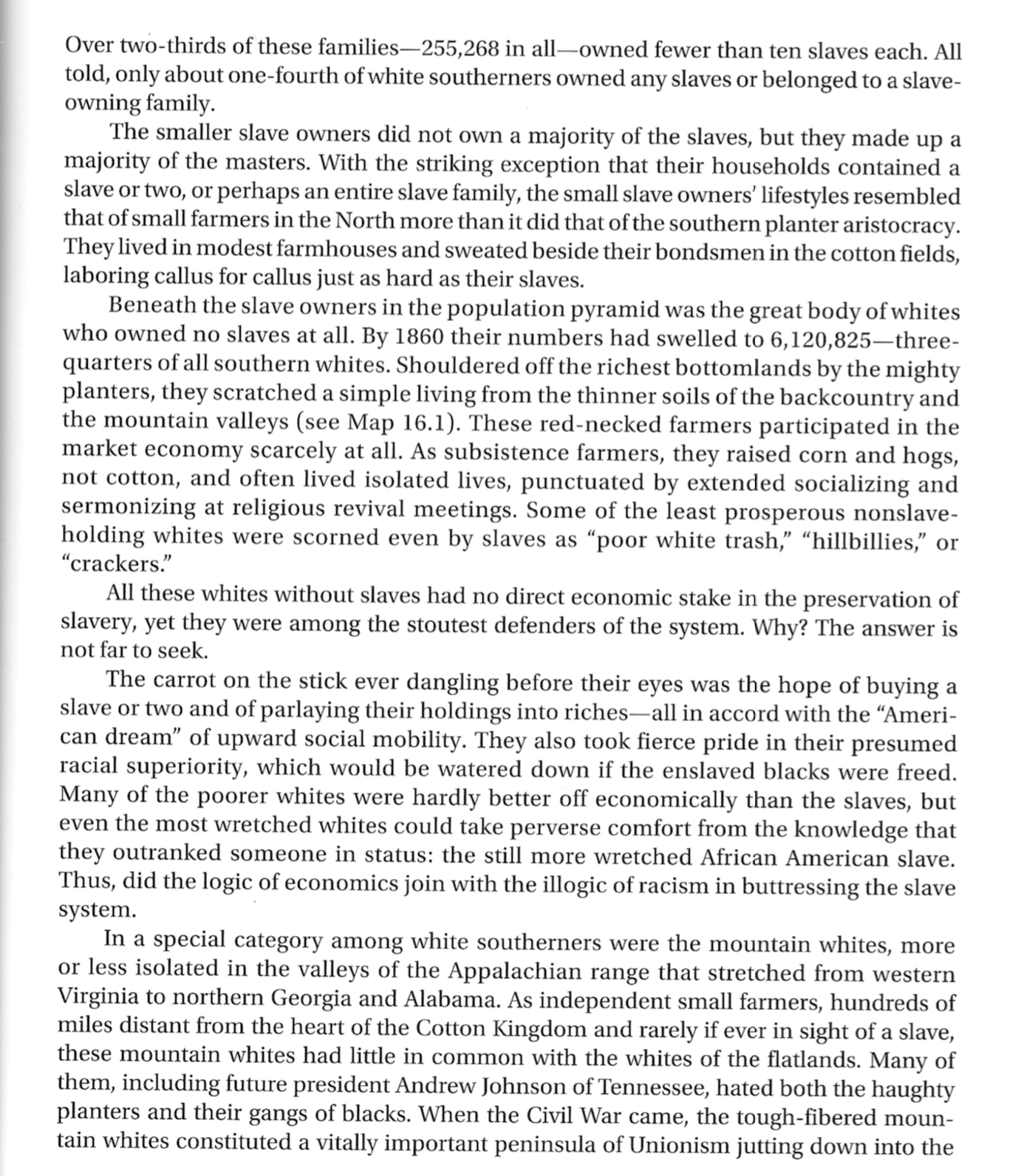
Most of the large majority of Southern whites who did not own slaves nonetheless supported the slave system partly because they
That's all due for Thursday, 1/6/2022 at 9 AM. Do you have any questions about the reading?
It's especially important that you ask them while we're remote as Ms. Truong will answer them tomorrow morning to help the class!
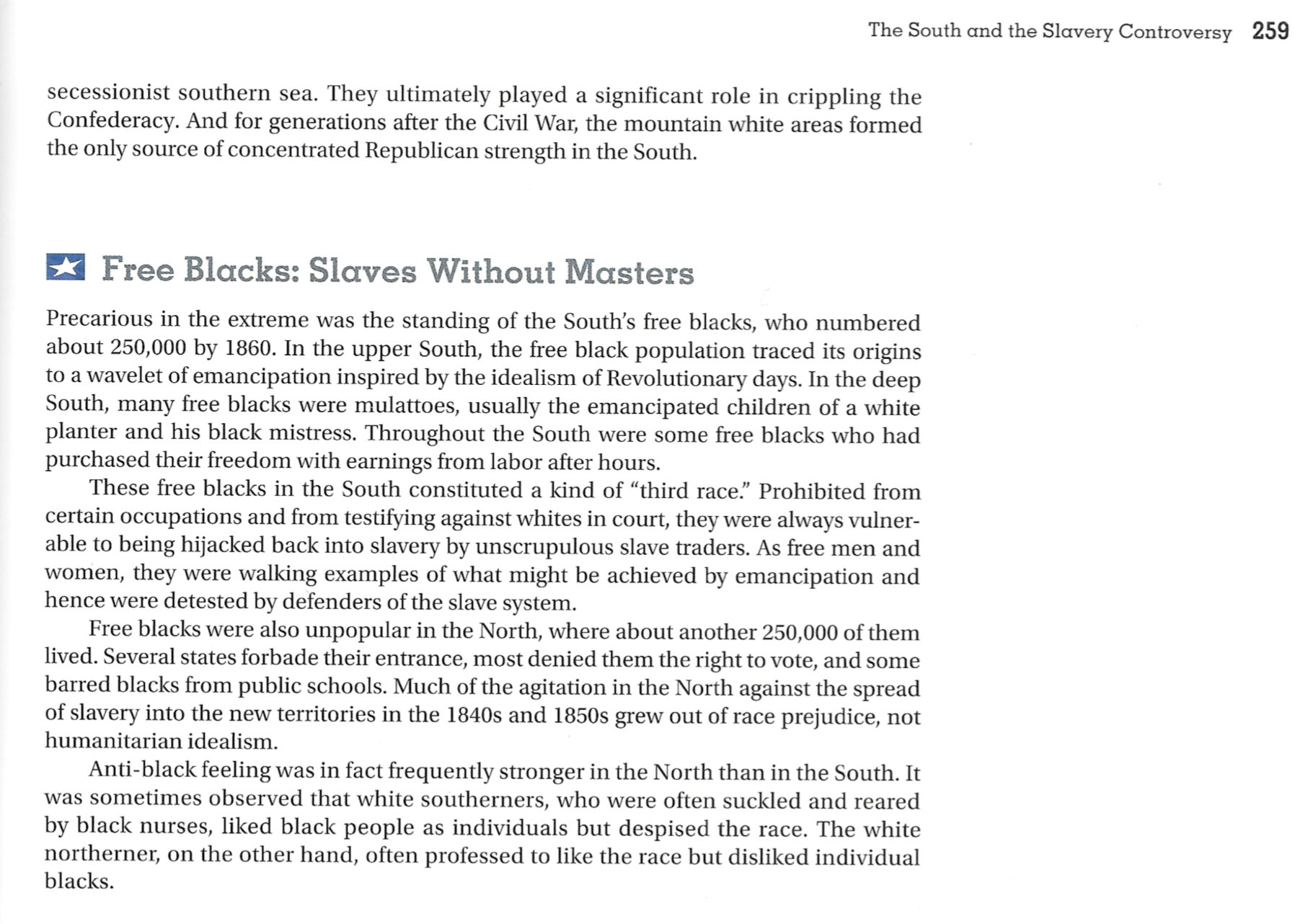
The passage indicates that, before the Civil War, Northern attitudes towards free blacks were
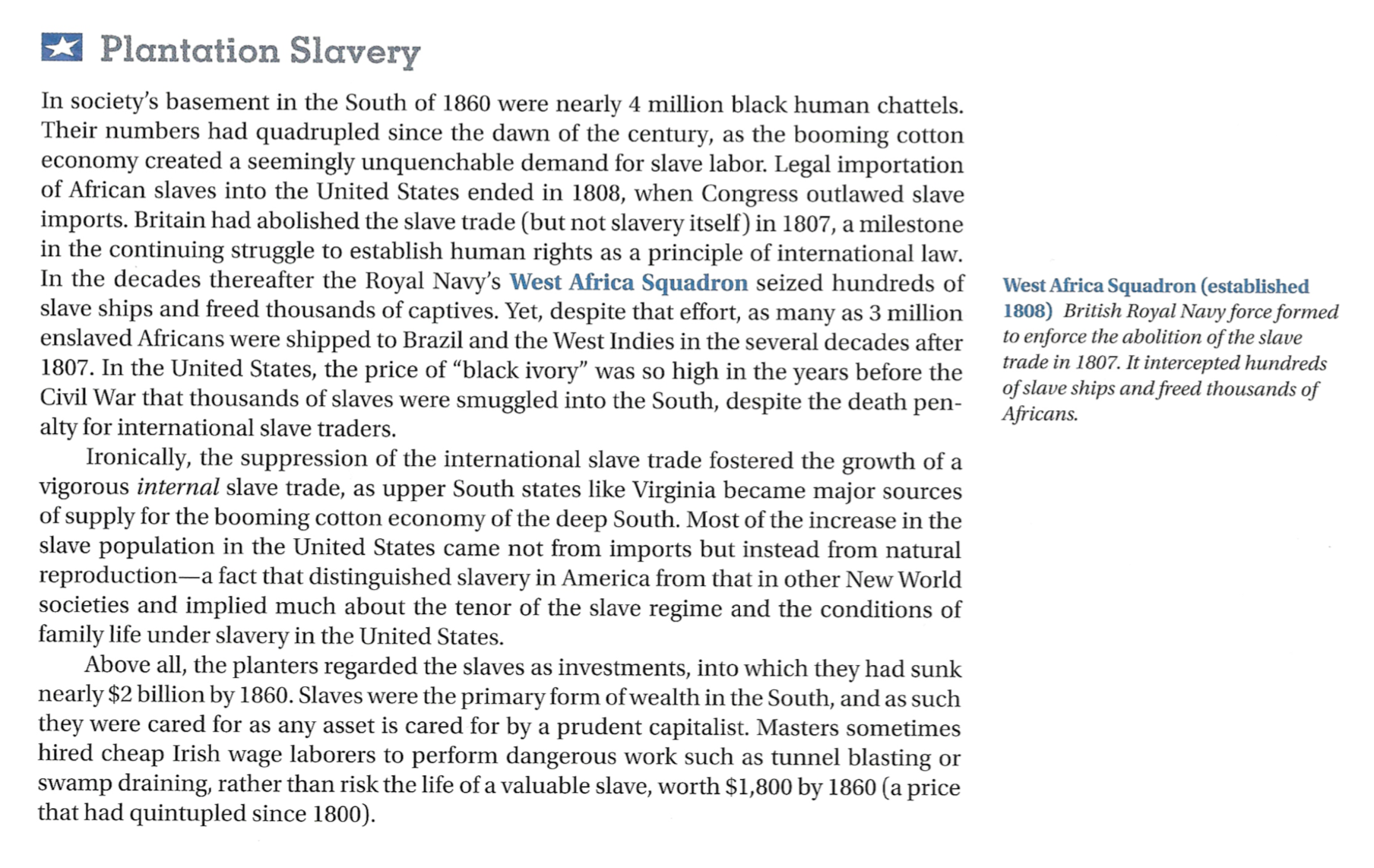
The passage indicates that the increase of the enslaved population in early nineteenth century United States was largely due to
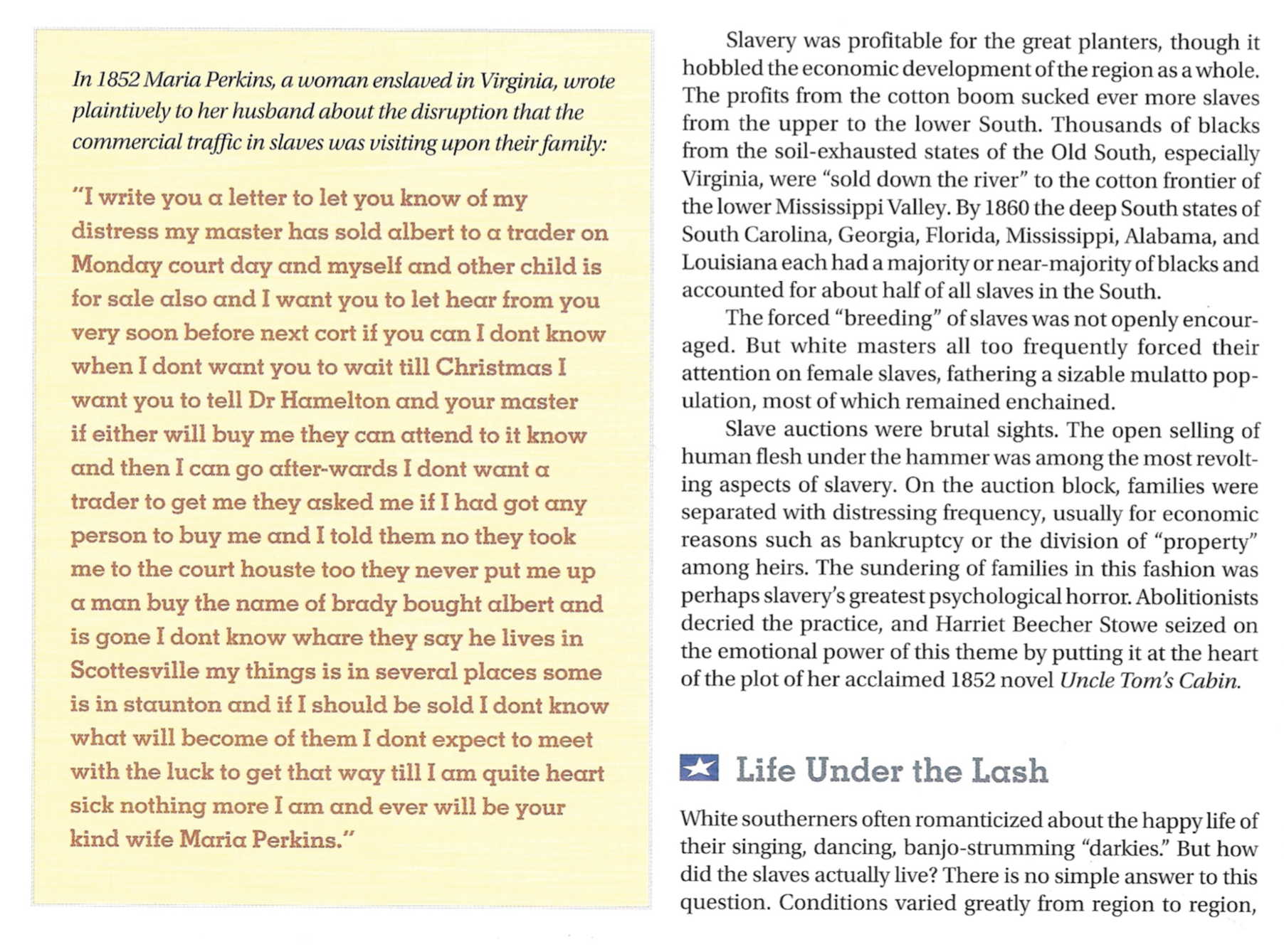
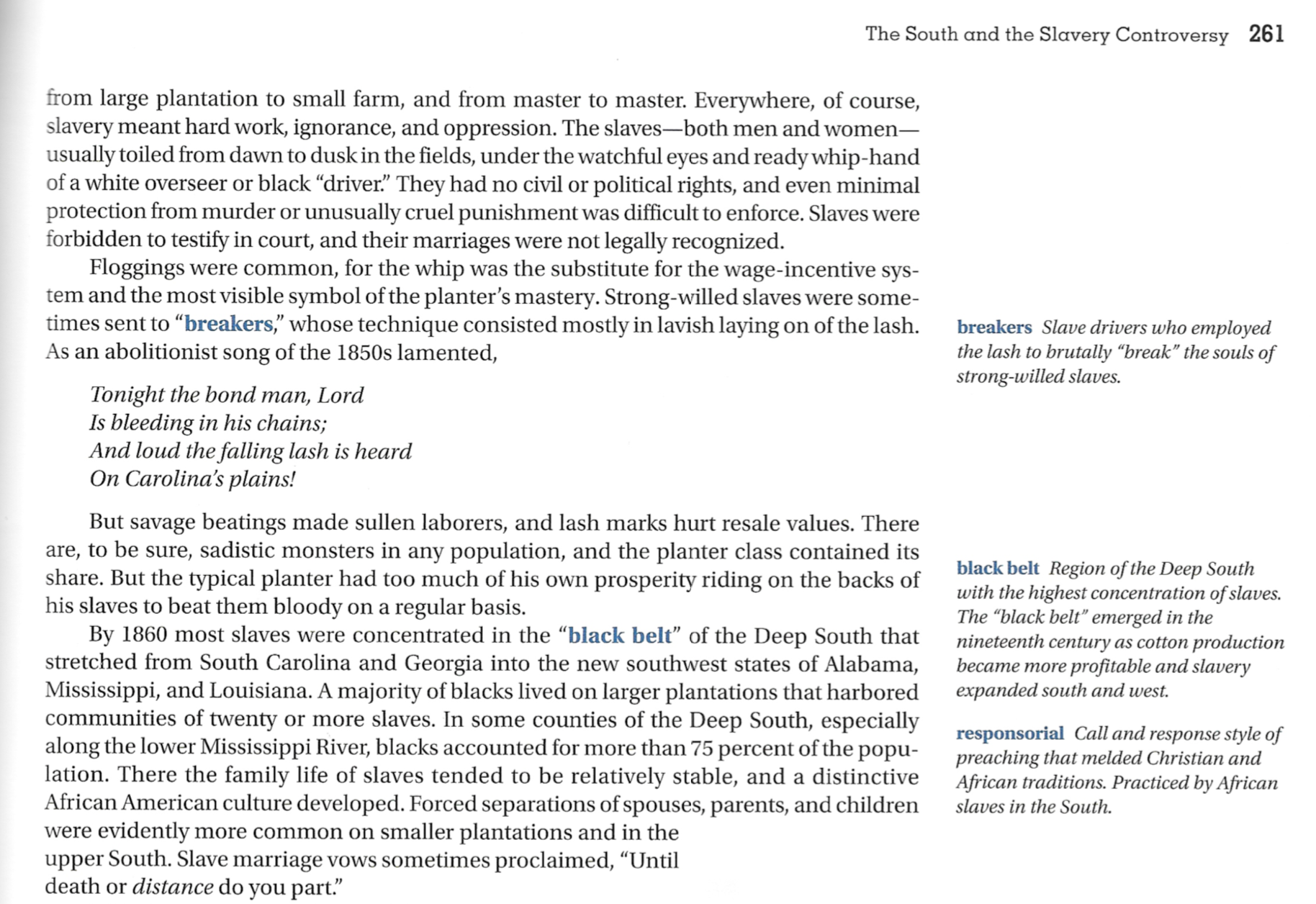
Compare and contrast the historical experience of freed Blacks and enslaved Backs.
Bullet point responses are sufficient so long as you reference specific facts and details from the reading as examples. Your response should identify at least one similarity and one difference in preparation for our class discussion.
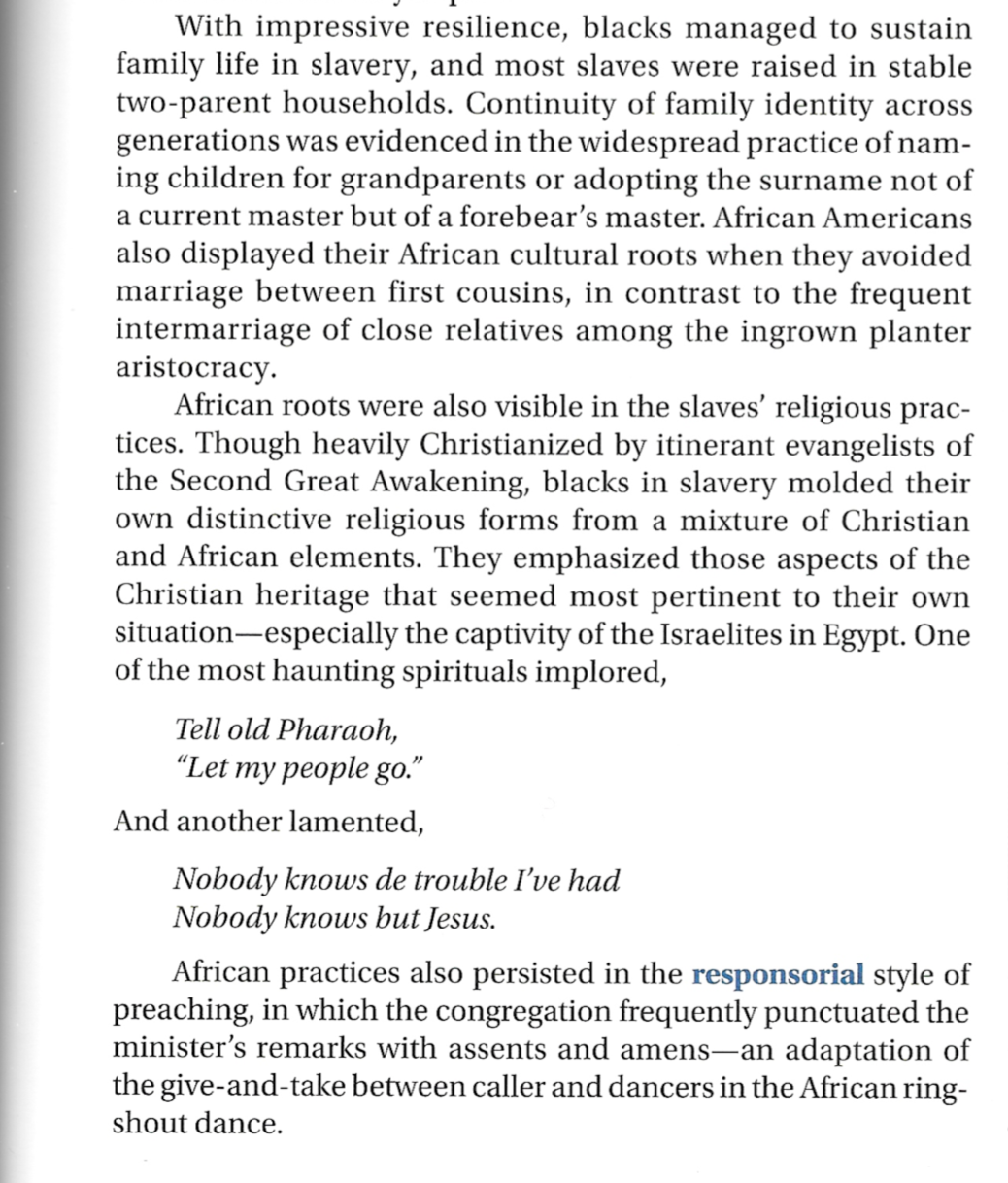
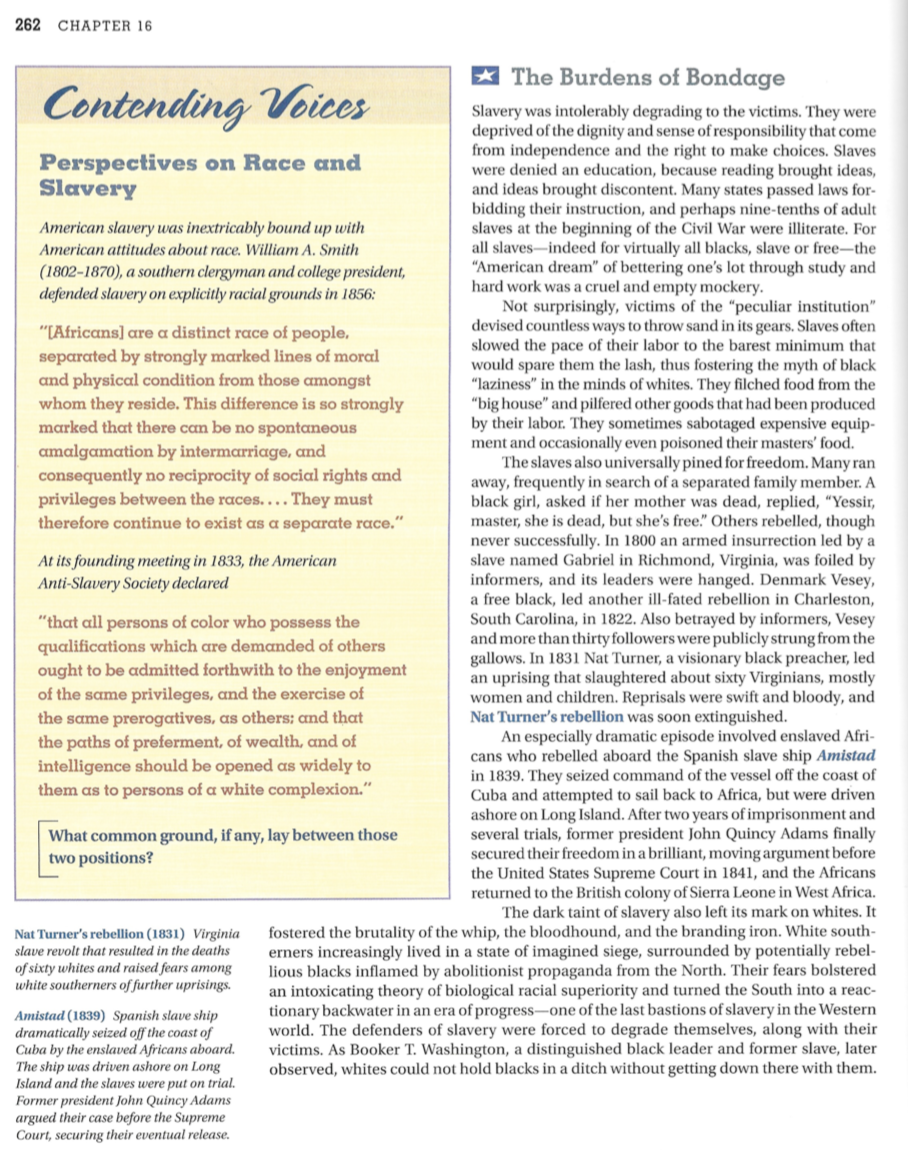
Slaves were denied an education because
That's all due for Friday, 1/7/2022 at 9 AM. Do you have any questions about the reading?
It's especially important that you ask them while we're remote as Ms. Truong will answer them tomorrow morning to help the class!

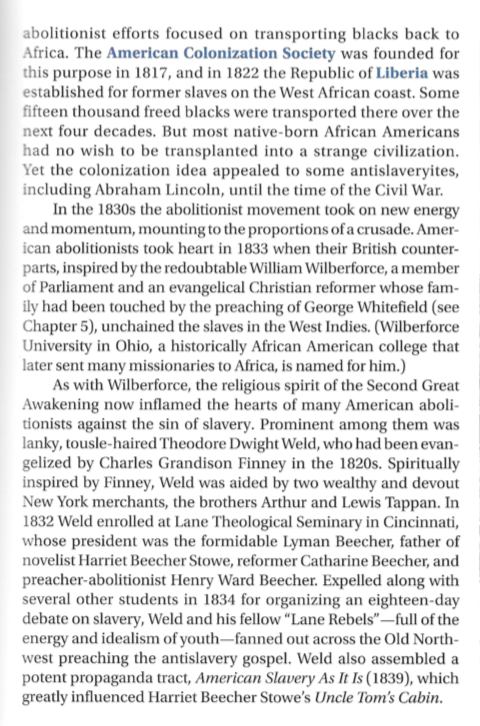
As used in line 2 of paragraph 3, "inflamed" most nearly means

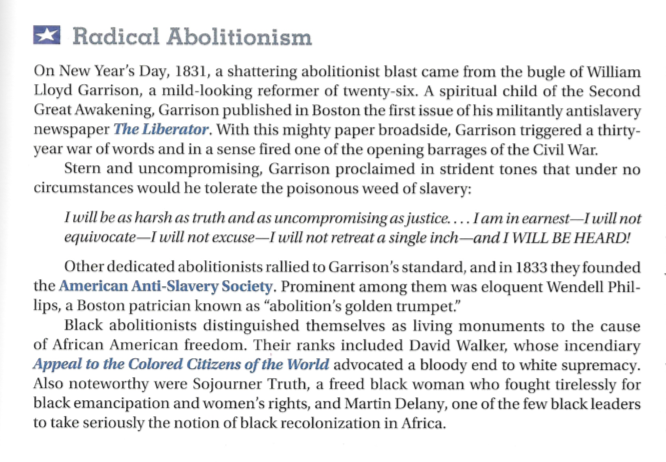
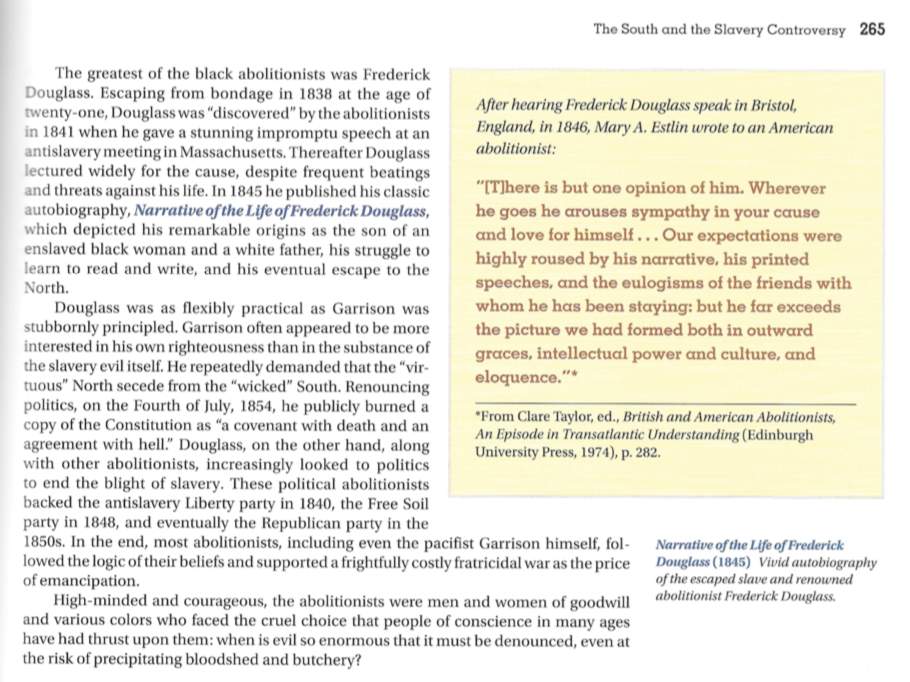
Former slave and abolitionist ____ became particularly famous for his eloquence as a speaker
and for his remarkable autobiography.

After 1830, southerners increasingly argued that

The South's "positive good" arguments for slavery claimed that slaves themselves

Until the eve of the Civil War, most people in the North
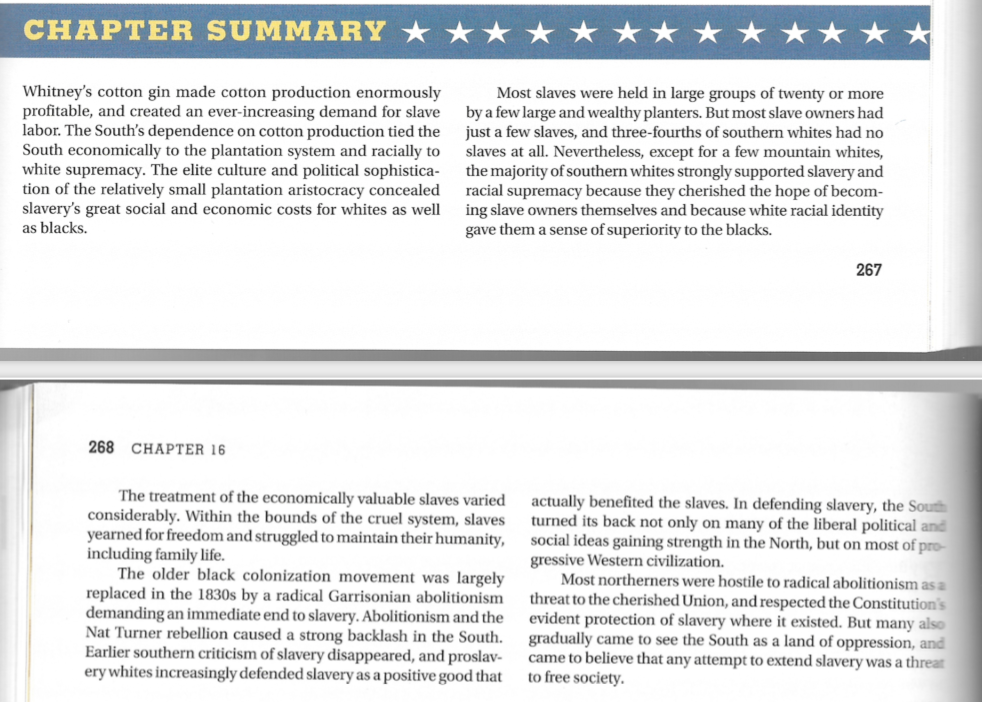
Excellent reading! Close out this Chapter by reviewing the "Chapter Summary" and boxing the 5 most important key terms in the space provided.
That's all due for Monday, 1/10/2021 at 7 AM!
Do you have any feedback or questions about the Formative reading or comprehension questions that you want to go over in class once we're back in person?
Which choice provides the best evidence for the answer to the previous question?