Log in
Sign up for FREE
arrow_back
Library

Homework: Review of Mixtures Unit For Test

star
star
star
star
star
Last updated about 1 year ago
5 questions
1
Question 2
2.

Create a model of this atom

Zr2H2O7K2

1
1
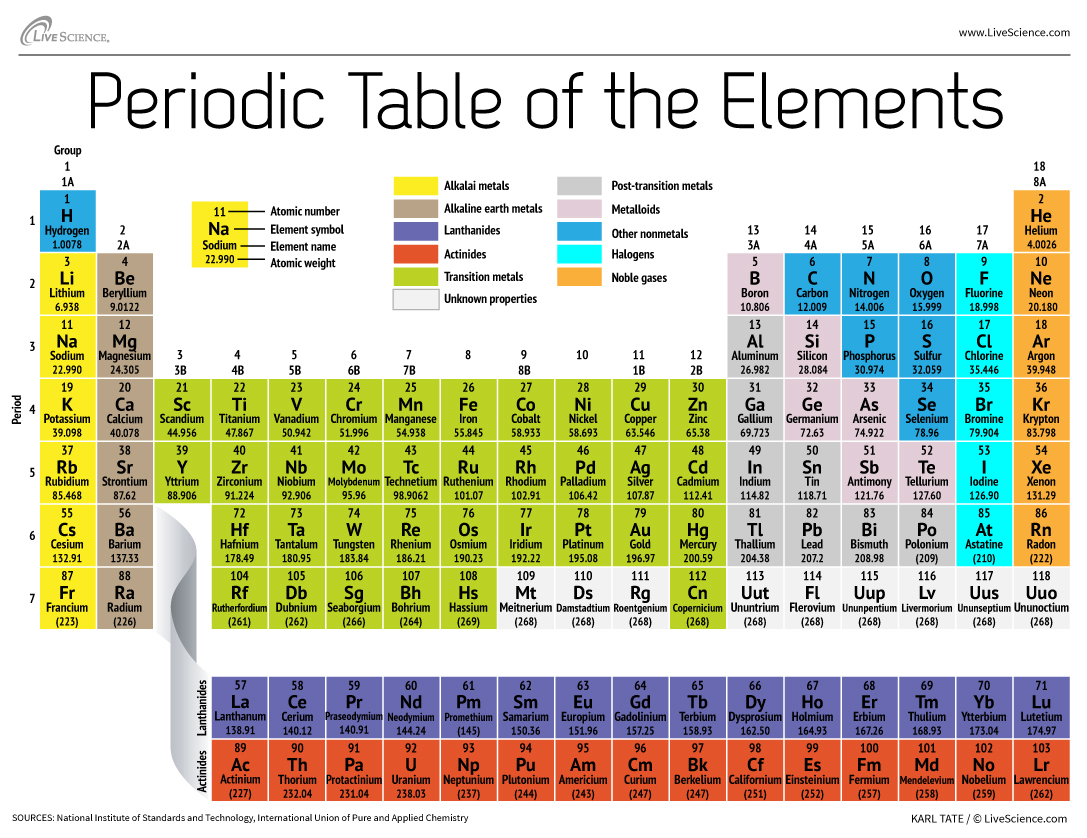
Atomic number = the number of protons (+) in an atom
  • It is the number at the top of an elements square
  • Example: Tungsten (W) has an atomic number of 74
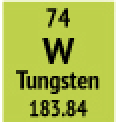
Atomic mass = the number of protons and neutrons in an atom
  • The # of neutrons can be calculated by subtracting the atomic mass and atomic number
  • Example: Silver (Ag): 108 - 47 = 61 neutrons
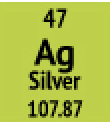
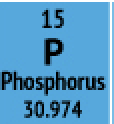
The periodic table reflects neutral atoms & the # protons = the # of electrons to present a neutral charge.
  • Example: Phosphorus has an atomic number of 15, which means in a neutral atom is has 15 protons and 15 electrons.
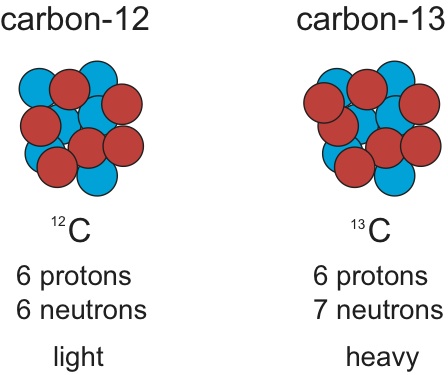
Isotopes are atoms that have the same number of protons (atomic number) and identity, but a different number of neutrons (atomic mass).
  • Example: carbon-12 and carbon-13 are isotopes of one another because they both have the same atomic number but a different number of neutrons
Ions can occur when atoms interact. Cations are formed when metals lose electrons. Anions are formed when (typically) nonmetals gain electrons.
  • Example: Na can lose an electron & become the cation Na+
  • Example: Cl can gain an electron & become the anion Cl-
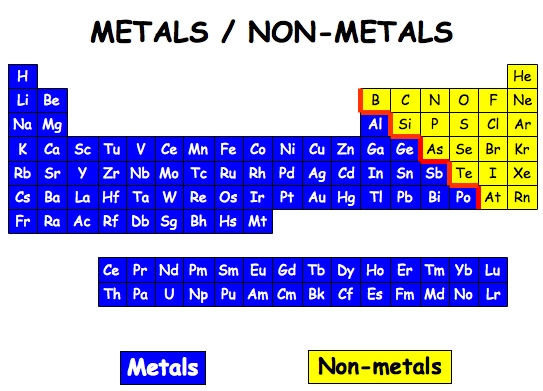
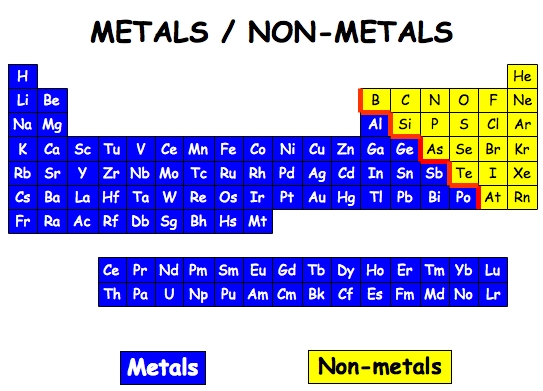
Ionic compounds have a metal and nonmetal bonded together.
  • Groups 1 and 2 are metals
  • Groups 14 to 18 are nonmetals
  • Example: NaCl

Covalent compounds have a nonmetal bonded to another nonmetal
  • Examples: CO2
15

Purse substances and Mixtures


There are 2 main types of substances: pure substances and mixtures.
Pure substances can be elements, molecules of elements, or molecules of compounds.

Mixtures are a combination of 2 or more pure substances that are mixed together in the same area, yet the substances are not chemically combined by bonds. These substances do not change their chemical identity.
  • Mixtures include 2 or more different elements, 2 or more different compounds, or 2 or more different elements and compounds all in the same area.
Mixtures have different names which are determined by their particle size.
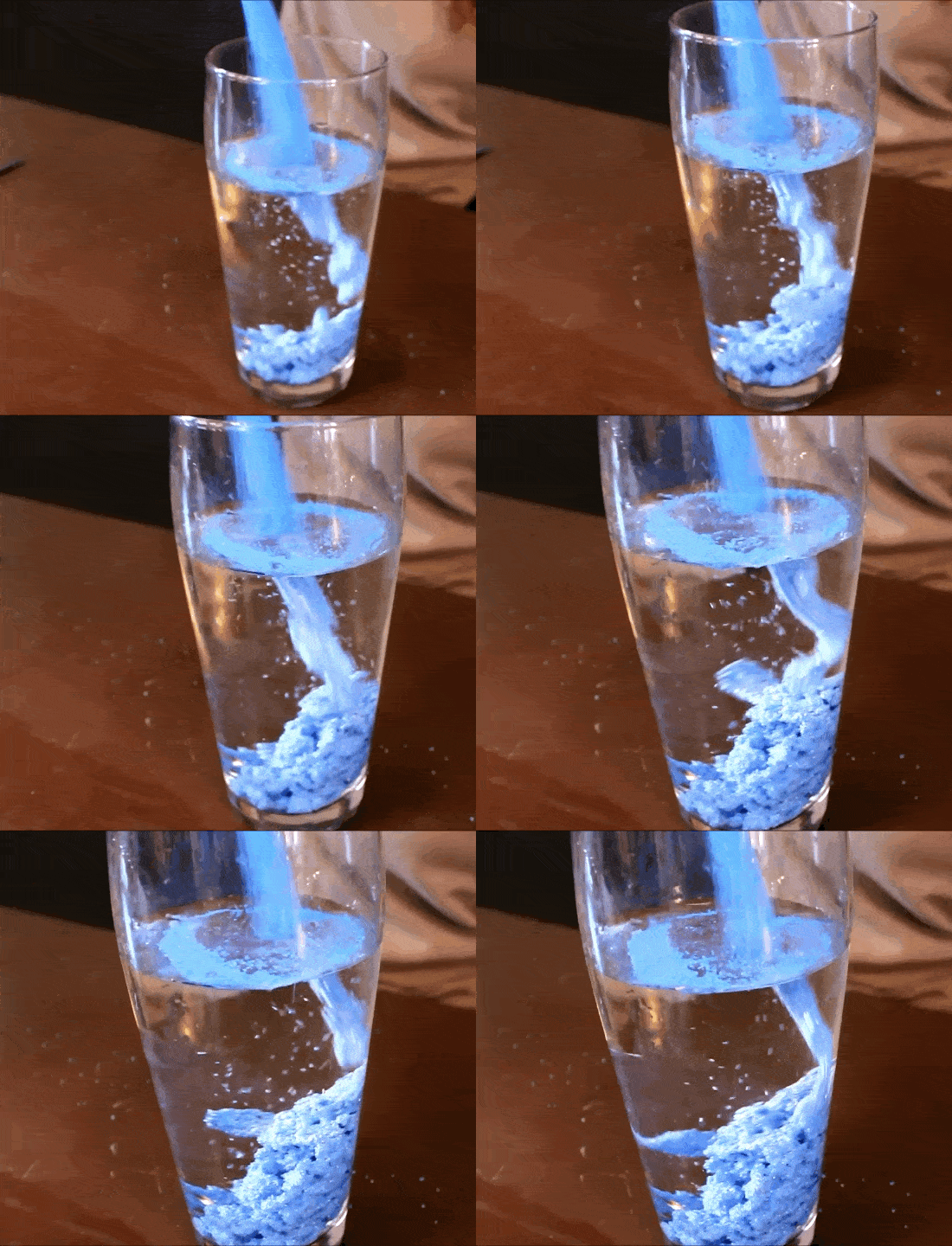
  • A suspension is when big particles or chunks of something float in a liquid, like the mustard in a mac salad.
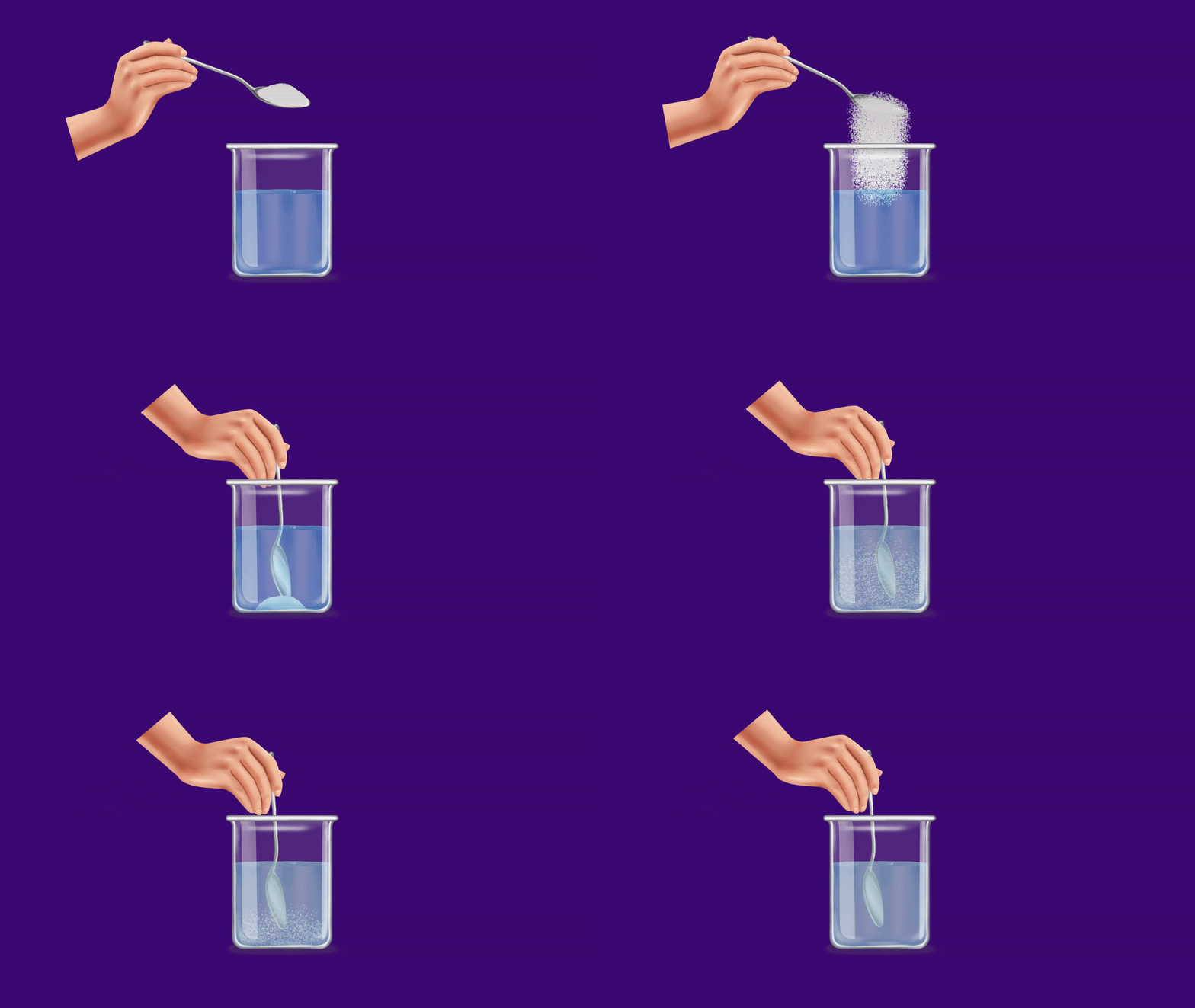
  • A solution is when very small particles are mixed with a liquid.
  • Colloids are when you take 2 materials that do not dissolve and you make the particles so small that they cannot separate.
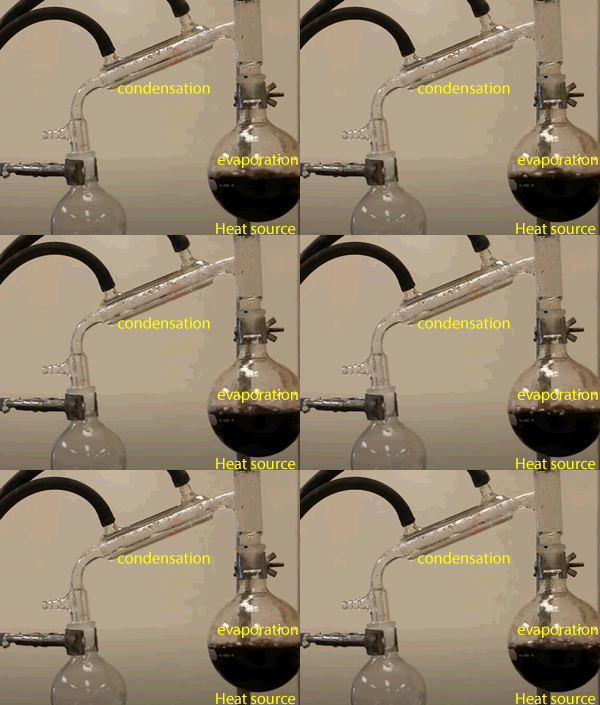
Mixtures can be separated by physical and chemical properties. In distillation, a mixture is heated and the temperature is monitored. As a substance reaches its boiling point, it will evaporate and turn into steam. This steam will enter a condenser that cools the steam, which then liquifies and falls into a receiving flask. At the end, the original flask will have one substance that has a higher boiling point and did not evaporate (called the residue) and the receiving flask will have a different substances with a lower boiling point that evaporated (the distillate). This process is used to separate petroleum (oil) into its valuable components like propane, diesel fuel, waxes and lubricants.
10
Question 4
4.

Create a model of...

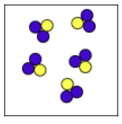
  • A mixture of Compounds
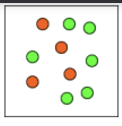
  • A mixture of Elements
  • A mixture of Elements and Compounds

Use atoms from the periodic table to contrive your models

Question 5
5.

Match the scenario to the technique that can separate it

Draggable itemarrow_right_altCorresponding Item
Ms. Maddy has a mixture of two liquids that have separate boiling points.
arrow_right_alt
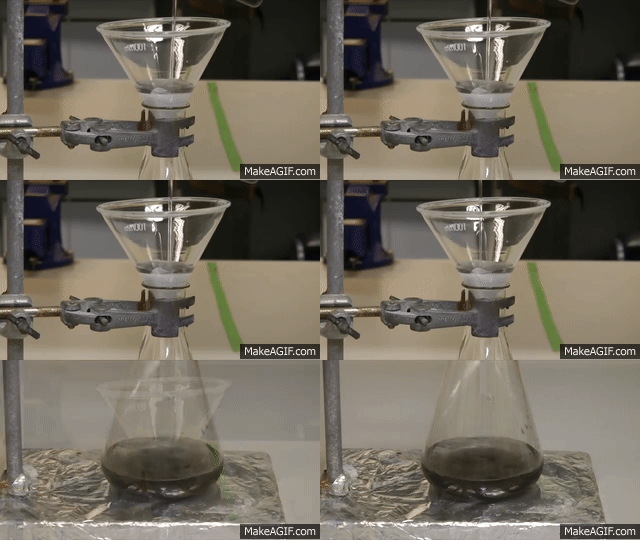
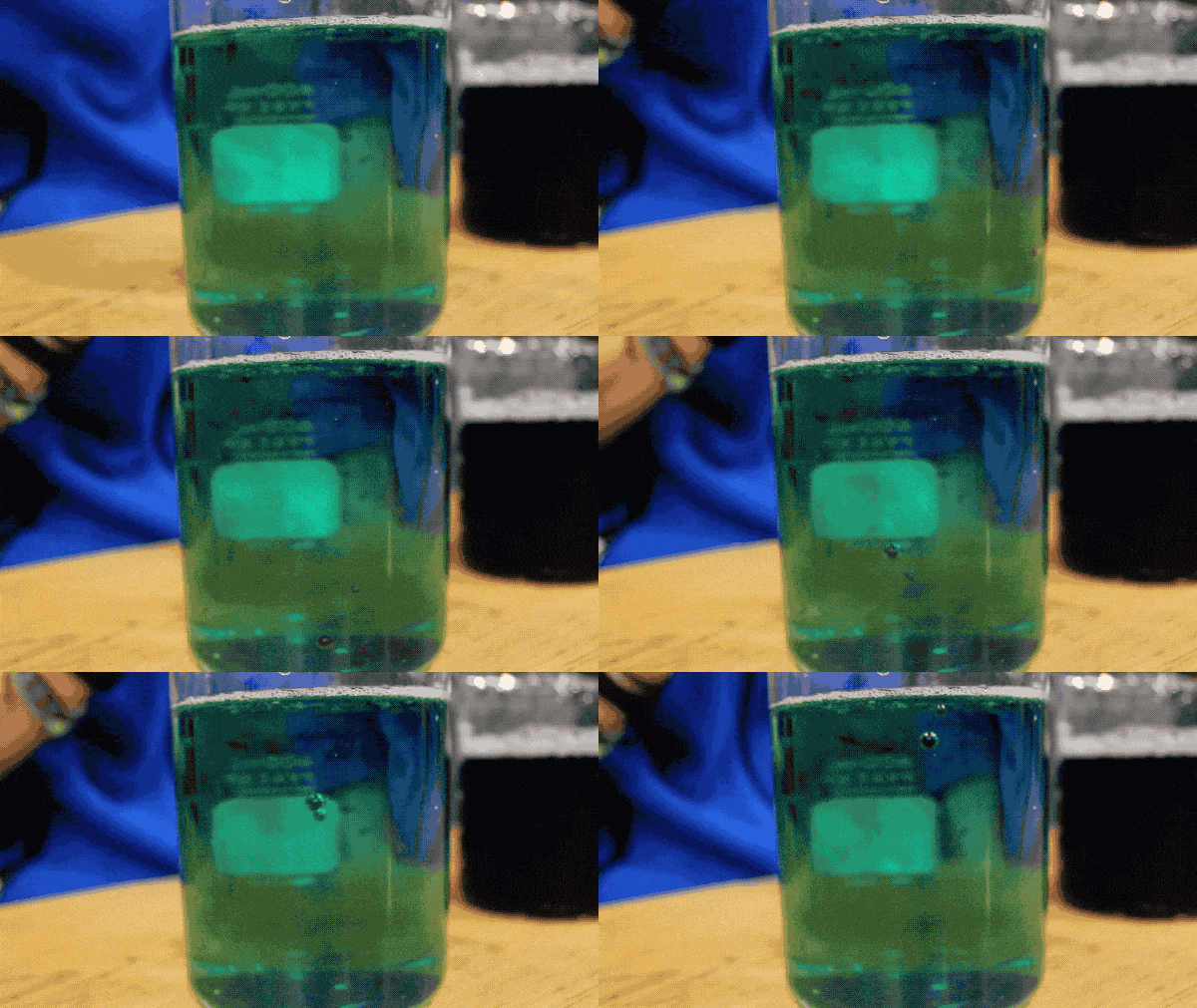
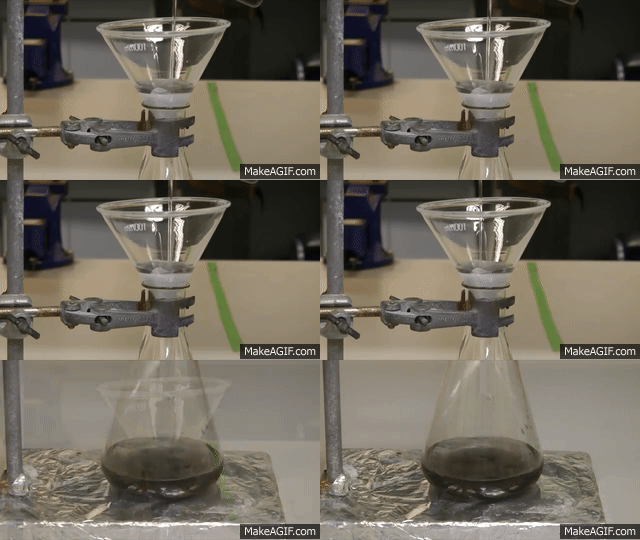
Filter the mixture in a filter paper to collect the solid residue in the paper and the liquid filtrate in the flask
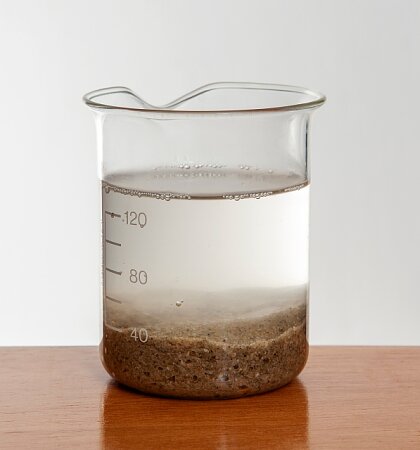
Mr. Guesno wants to separate a heterogenous mixture of sand and water.
arrow_right_alt
Use distillation to separate the mixture by vaporizing one, while keeping the other in the flask. The vaporized one will condense in a condenser and become a separated liquid.
Ms. Phoebe has a mixture of salt, sand, and water.
arrow_right_alt
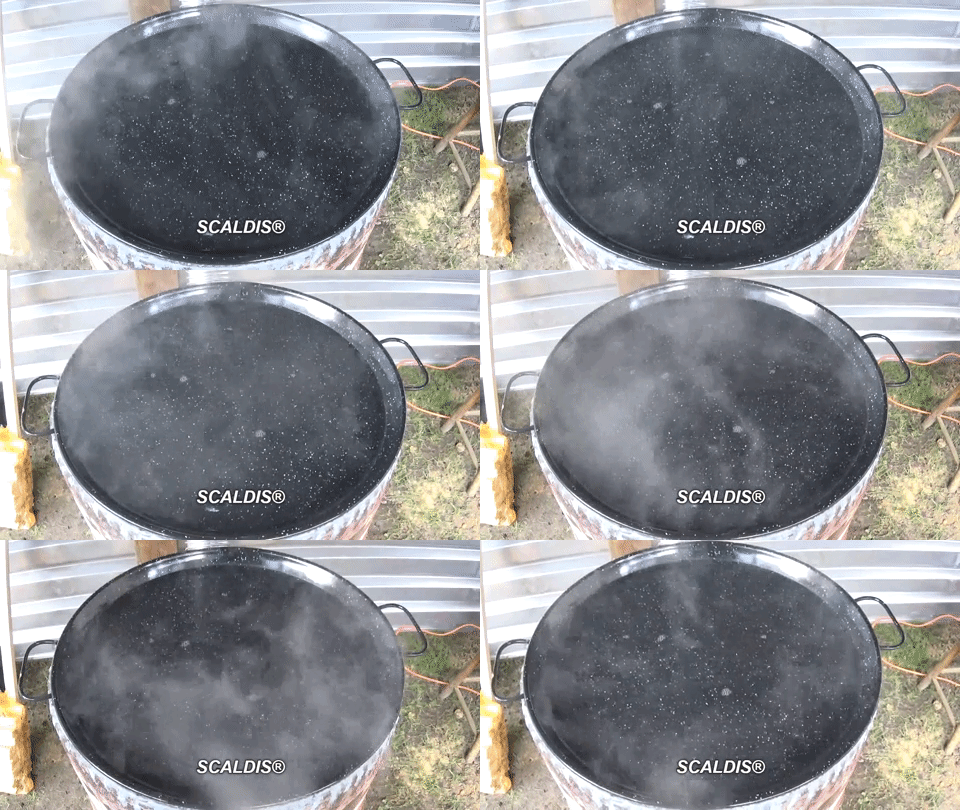
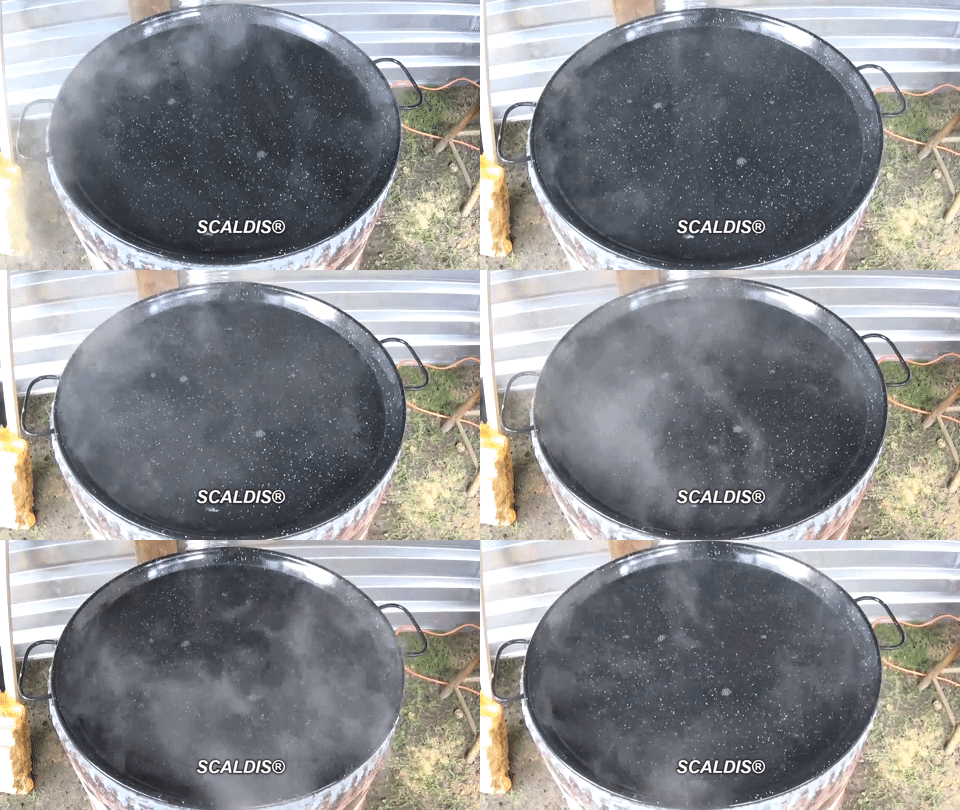
Use evaporation, allowing the liquid to vaporize into a gas and the solid to stay
Mrs. Bello has a homogenous mixture of salt and water.
arrow_right_alt
First filter one substance out using a filter paper.
Then with the remaining mixture, which is now liquid and a dissolved solute, evaporate the liquid. You should have crystals of solute remaining.
Question 1
1.

SET 1

A) What is the atomic number __________
B) What is the atomic mass __________
C) How can we determine the number of neutrons in an element __________
D) The number of protons typically equal the number of __________
E) Isotopes are atoms with the same atomic number but with a different __________
F) Ions can occur when atoms interact. Cations are formed when metals __________. Anions are formed when (typically) nonmetals __________.

SET 2

A) What is the atomic mass of Hydrogen (H) __________
B) What is the atomic number of Bromine (Br) __________
C) How many neutrons does Nickel (Ni) have __________
D) How many electrons should Bromine (Br) have by looking at its atomic number __________
E) An isotope of Phosphorus-31 could be __________

SET 3

A) Which of these is an ionic compound (metal + nonmetal) __________
B) Which of these is an covalent compound (nonmetal + nonmetal) __________
C) Which is the correct model for CrO4 __________
Question 3
3.
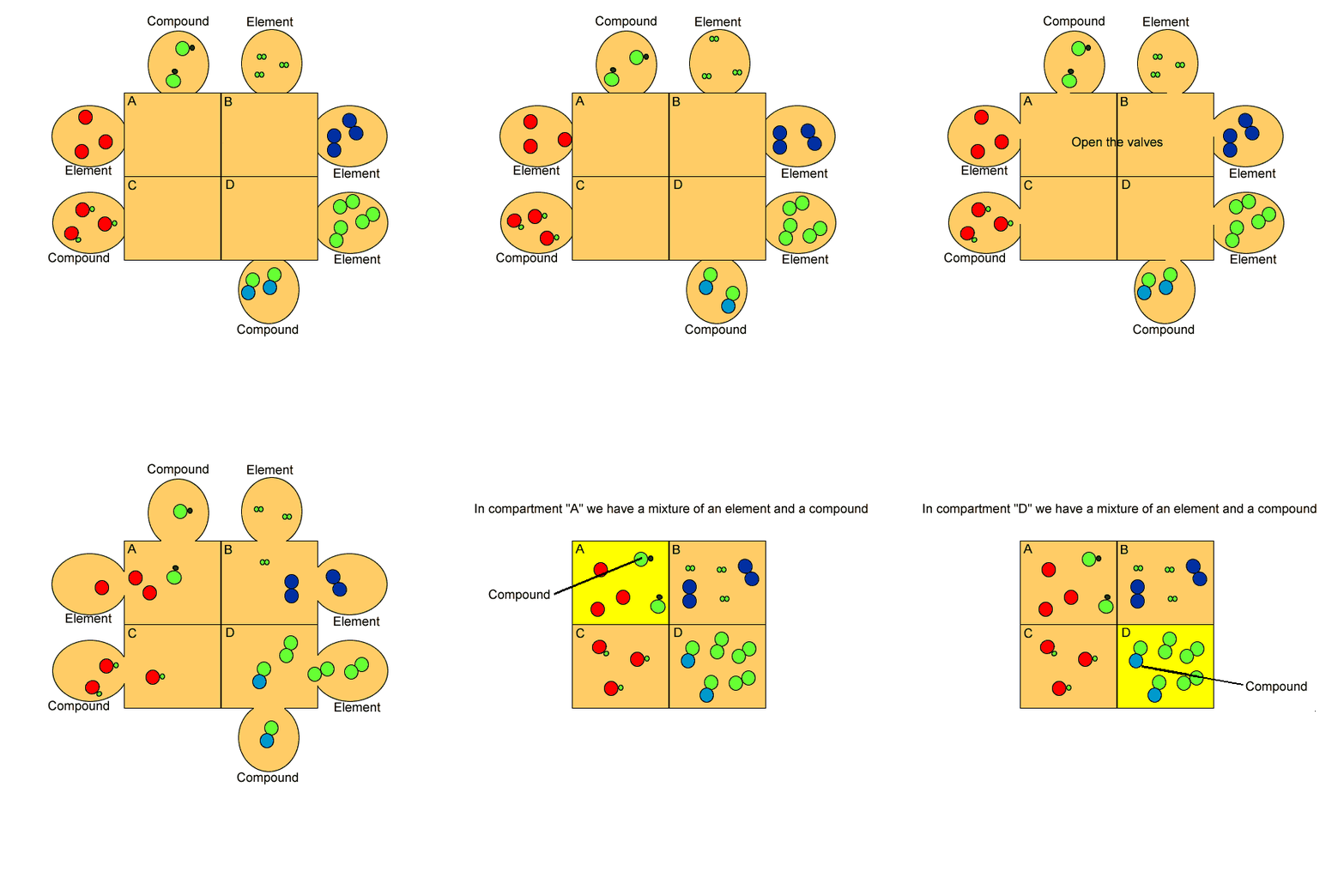
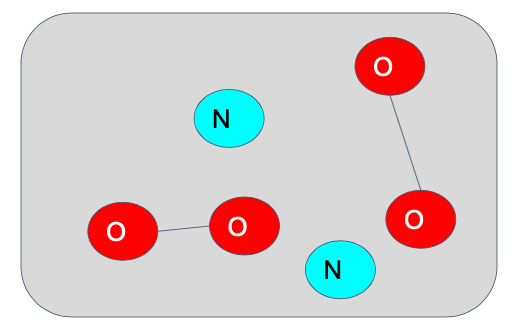
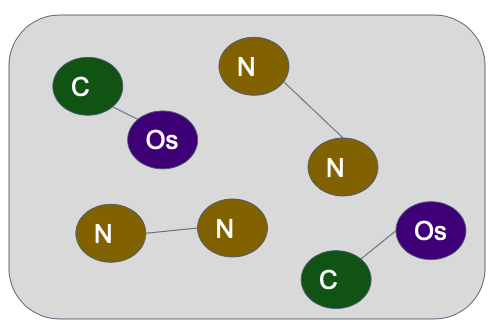
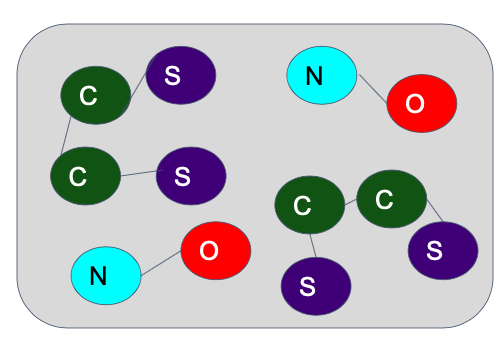
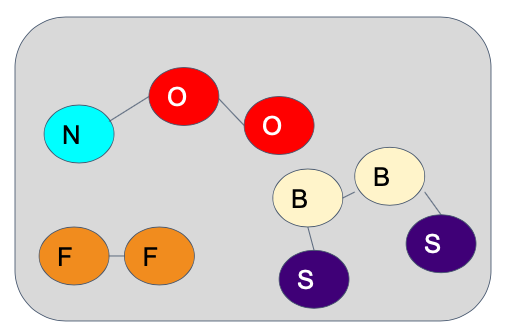
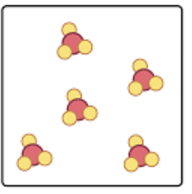
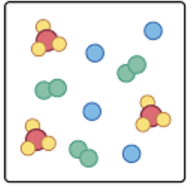
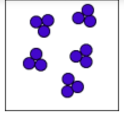
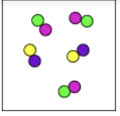
The diagram below is...__________
Below is...__________
Below is... __________
Below is.. __________
Below is..__________
Below is...__________