Humans can't live without blood. Without blood, the body's organs couldn't get the oxygen and nutrients they need to survive, we couldn't keep warm or cool off, fight infections, or get rid of our own waste products. Without enough blood, we'd weaken and die.
Here are the basics about the life-sustaining fluid called blood.
What Is Blood and What Does It Do?
Blood brings oxygen and nutrients to all the parts of the body so they can keep working. Blood carries carbon dioxide and other waste materials to the lungs, kidneys, and digestive system to be removed from the body. Blood also fights infections, and carries hormones around the body.
Blood is made up of blood cells and plasma. Plasma (PLAZ-muh) is a yellowish fluid that has nutrients, proteins, hormones, and waste products. The different types of blood cells have different jobs.
How Does Blood Travel in the Body?
With each heartbeat, the heart pumps blood throughout our bodies, carrying oxygen to every cell. After delivering the oxygen, the blood returns to the heart. The heart then sends the blood to the lungs to pick up more oxygen. This cycle repeats over and over again.
The circulatory system is made up of blood vessels that carry blood away from and toward the heart.
Two types of blood vessels carry blood throughout our bodies:
Arteries carry oxygenated blood (blood that has gotten oxygen from the lungs) from the heart to the rest of the body.
Blood then travels through veins back to the heart and lungs, so it can get more oxygen to send back to the body via the arteries.
As the heart beats, you can feel blood traveling through the body at pulse points — like the neck and the wrist — where large, blood-filled arteries run close to the surface of the skin.
What if Someone Has Low Numbers of Blood Cells?
Sometimes medicine can be given to help a person make more blood cells. And sometimes blood cells and some of the special proteins blood contains can be replaced by giving a person blood from someone else. This is called a blood transfusion (trans-FEW-zyun).
People can get transfusions the part of blood they need, such as platelets, RBCs, or a clotting factor. When someone donates blood, the whole blood can be separated into its different parts to be used in these ways.
Medically reviewed by: Larissa Hirsch, MD
Date reviewed: January 2019
Red blood cells: Red blood cells (RBCs, also called erythrocytes; ih-RITH-ruh-sytes) are shaped like slightly indented, flattened disks. RBCs contain hemoglobin (HEE-muh-glow-bin), a protein that carries oxygen. Blood gets its bright red color when hemoglobin picks up oxygen in the lungs. As the blood travels through the body, the hemoglobin releases oxygen to the different body parts.
Each RBC lives for about 4 months. Each day, the body makes new RBCs to replace those that die or are lost from the body. RBCs are made in the inside part of bones called the bone marrow.
White blood cells: White blood cells (also called leukocytes; LOO-kuh-sytes) are a key part of the immune system. The immune system helps the body defend itself against infection. Different types of white blood cells (WBCs) fight germs, such as bacteria and viruses . Some types of WBCs make antibodies, which are special proteins that recognize foreign materials and help the body get rid of them.
There are several types of WBCs, and their life spans vary from hours to years. New cells are constantly being formed — some in the bone marrow and some in other parts of the body such as the spleen, thymus, and lymph nodes.
Blood contains far fewer WBCs than red blood cells, although the body can increase WBC production to fight infection. The white blood cell count (the number of cells in a given amount of blood) in someone with an infection often is higher than usual because more WBCs are being made or are entering the bloodstream to battle the infection.
Platelets: Platelets (also called thrombocytes; THROM-buh-sytes) are tiny oval-shaped cells that help in the clotting process. When a blood vessel breaks, platelets gather in the area and help seal off the leak. Platelets work with proteins called clotting factors to control bleeding inside our bodies and on our skin.
Platelets survive only about 9 days in the bloodstream and are constantly being replaced by new platelets made by the bone marrow.
5 points
5
Question 1
1.
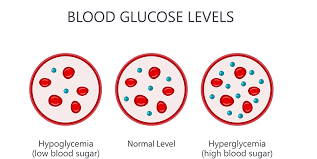
Glucose is sugar. Glucose comes from the Greek word for "sweet." It's a type of sugar you get from foods you eat, and your body uses it for energy. As it travels through your bloodstream to your cells, it's called blood glucose or blood sugar.
Glucose has a formula of C6H12O6 Create a model of glucose.
1 point
1
Question 2
2.
According to the video, when you first pour sugar in a glass of water the sugar molecules are still visible because
1 point
1
Question 3
3.
According to the video, does sugar and/or water disappear when you stir?
1 point
1
Question 4
4.
According to the video, sugar molecules easily separate from each other because...
1 point
1
Question 5
5.
According to the video, sugar is completely dissolved when..
1 point
1
1 point
1
Question 7
7.
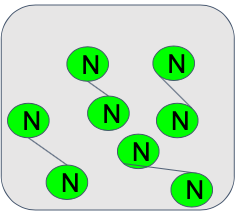
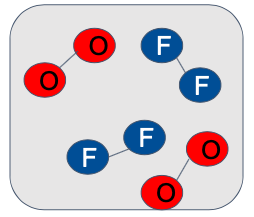
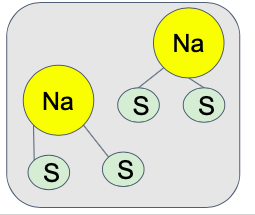
Categorize the following...
Item 1
Item 2
Element
Compounds
Mixture of elements
Mixture of compounds
Mixture of elements and compounds
3 points
3
Question 8
8.
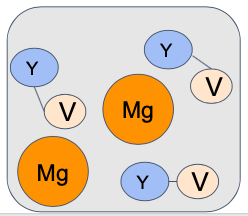
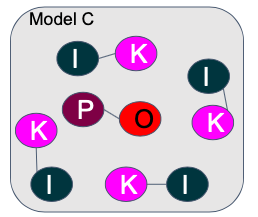
Create a diagram of three models
Model A - A mixture of elements
Model B - A mixture of Compounds
Model C - A mixture of Elements and Compounds
You may use any of the atoms provided.
5 points
5
Question 9
9.
Watch either the first video and/or the second video. Create a model that explains the process of separating the mixture seen in the video.