3.1-3.3 Quiz
star
star
star
star
star
Last updated almost 4 years ago
13 Nsɛmmisa
PS1-2: Simple Chemical Reactions
PS2-4 Electrostatic Forces of Attraction

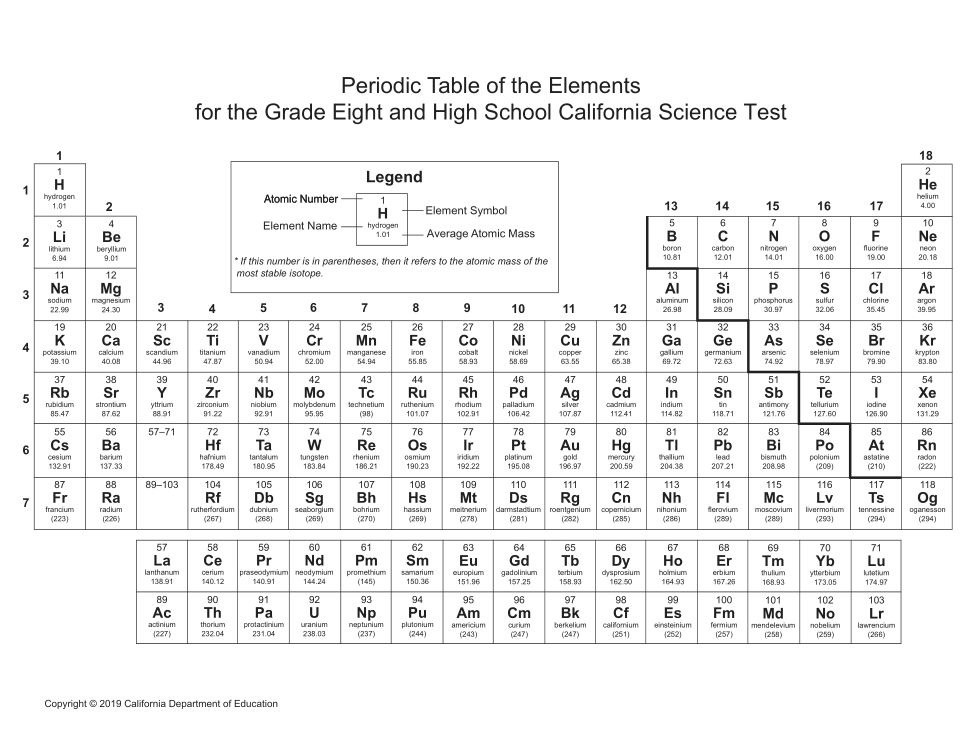
The picture above shows the reaction that occurs when heated magnesium (Mg) metal is placed in a test tube containing chlorine gas (Cl2). The atomic structure of these elements allows scientists to predict how elements react and the outcomes of these reactions. The periodic table, shown helps scientists make these predictions.
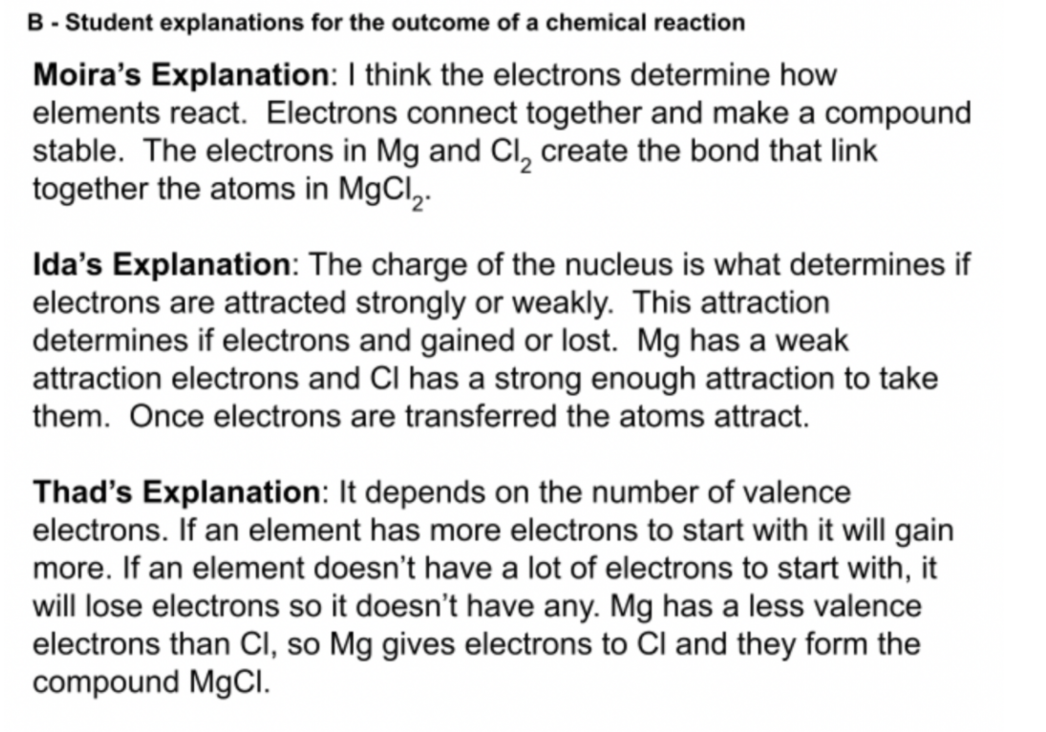
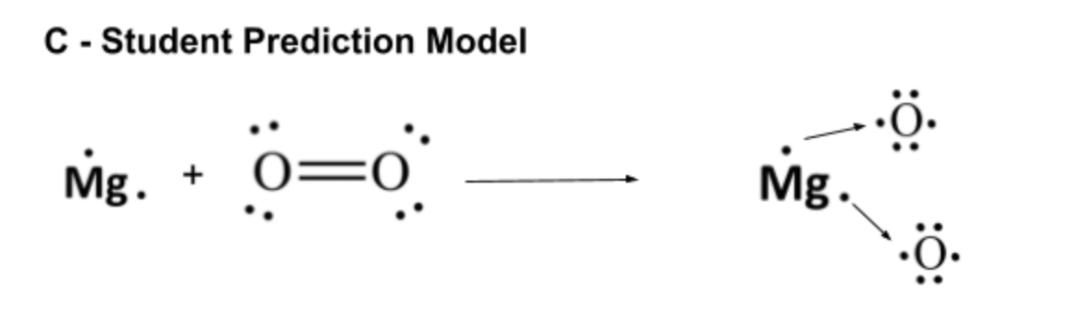
A few classmates share their explanations for the outcome of this reaction in Figure B. Finally, a classmate creates the following model outlining the reaction between Mg and O2
Finally, a classmate creates the following model outlining the reaction between Mg and O2.
Which element below would you expect to react with Mg in a similar reaction as Cl2 in the picture?
Explain your reasoning for your response to question 1.
Hydrogen (H) can act as a metal or a nonmetal. It forms either a +1 or -1 charge depending on which element it is reacting with.
Use your knowledge of ionic bonding to determine which charge H would use when it bonds with a metal such as Mg
What is the correct chemical equation to represent the reaction between Magnesium (Mg) and Chlorine gas (Cl2) in the reaction shown?
Hint: Find the product when Mg and Cl combine 1st then balance the reaction
Explain how you figured out the answer to question 4.
Which of the following are the correct coefficients for the reaction given below?
_____H2 + ____CaF2 --> ____HF + _____ Ca
Draw a model of this chemical reaction
Show your work to receive credit for this question. You can take a picture or use the drawing tools.
A student measured the mass of magnesium ribbon before lighting it on fire. The student took the mass after the magnesium fully reacted and formed magnesium oxide.
Mass of magnesium: 1.3g
Mass of magnesium oxide: 2.1g
Use the law of conservation of mass to determine the mass of oxygen that reacted with magnesium?
Aluminum (Al) is another metal that also reacts with chlorine gas (Cl2). Considering the position of Al and Mg on the periodic table and their differences in atomic structure, which stable compound would form when Al reacts with Cl.
Show your work for credit for this question. You can draw in notebook and submit or you can use the drawing tools.
Refer to figure B on the left. Moira’s explanation indicates she has which of the following misconceptions? (Which is NOT true when compounds form)
Refer to figure C on the left. This reaction includes magnesium (Mg) similarly to the picture, but uses oxygen gas (O2) instead of chlorine gas (Cl2). How does changing the chlorine to oxygen change the outcome of this reaction?
Refer to Figure C on the left. Which of the following correctly addresses the flaw (if any) in the products side of the model?
Explain your reasoning for your response in question 11.
Refer to the student explanations in figure B on the left. Identify one flaw in Thad’s reasoning and how it can be improved by including the octet ruel and electrostatic attractions to the explanation?
Write a revised response below.