Log in
Sign up for FREE
arrow_back
Library

Unit 3 Practice Questions

star
star
star
star
star
Last updated over 3 years ago
24 questions
1
1
1
1
1
1
1
1
1
1
1
1
1
1
1
1
1
1
1
1
1
1
1
1
Check out the Unit 3 Review Guide to help you as you try practice questions. Remember to press submit and exit out the formative to check your answers.
Help Videos for Practice Questions: Questions 5-9 Questions 10-16 Questions 17-20 Questions 21-24
Question 1
1.

In the metal reactivity lab, magnesium metal reacted with hydrochloridc acid to form hydrogen gas and magnesium chloride. The reaction is shown below.

HCl (aq) + Mg (s) --> H2 (g) + MgCl2 (aq)

In this reaction there was .5g of HCl solution added to .25g of magnesium(Mg) metal. The student measured the final magnesium chloride solution (MgCl2) to be .60g. How many grams of hydrogen gas (H2) were produced by this reaction?

Question 2
2.

Use the law of conservation of mass to explain how you figured out in question 1.


Law of conservation of mass- Matter cannot be created nor destroyed

Total Mass of reactants = Total Mass of Products

Question 3
3.

In the metal reactivity lab, magnesium metal reacted with hydrochloridc acid to form hydrogen gas and magnesium chloride. The reaction is shown below.

HCl (aq) + Mg (s) --> H2 (g) + MgCl2 (aq)

In this reaction there was .5g of HCl solution added to .25g of magnesium(Mg) metal. The student measured the final magnesium chloride solution (MgCl2) to be .60g. Why did the mass of magnesium in the products increase?

Question 4
4.

In the metal reactivity lab, magnesium metal reacted with hydrochloridc acid to form hydrogen gas and magnesium chloride. The reaction is shown below.

_____HCl (aq) + _____Mg (s) --> _____H2 (g) + _____MgCl2 (aq)

What are the coefficients for the balanced equation?

Question 5
5.

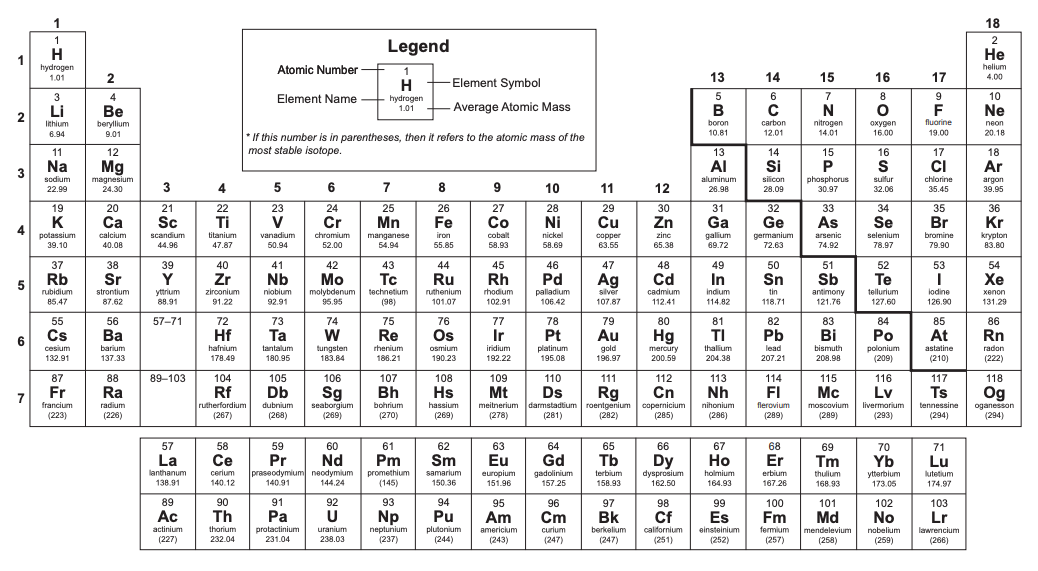
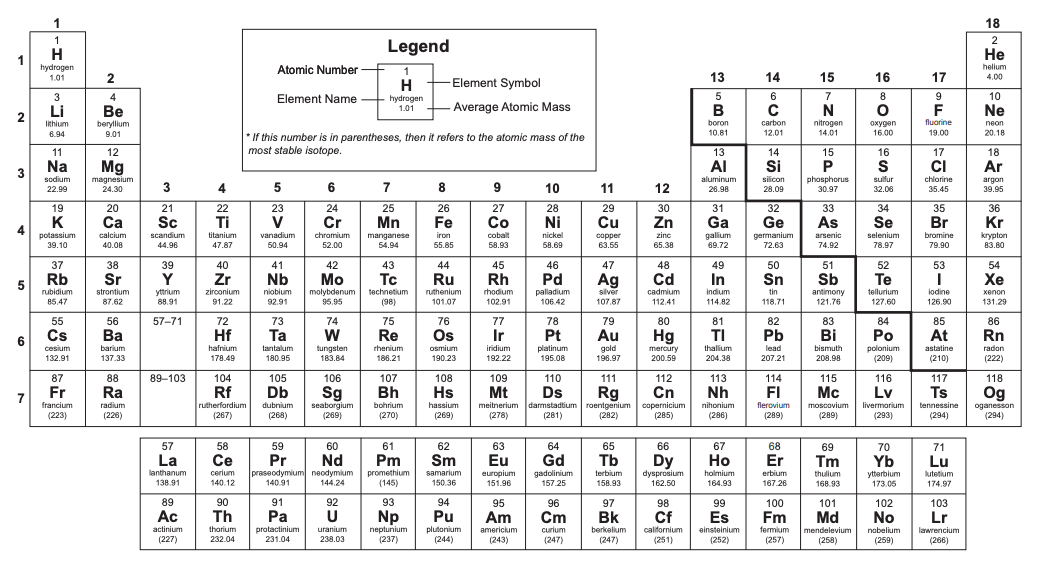
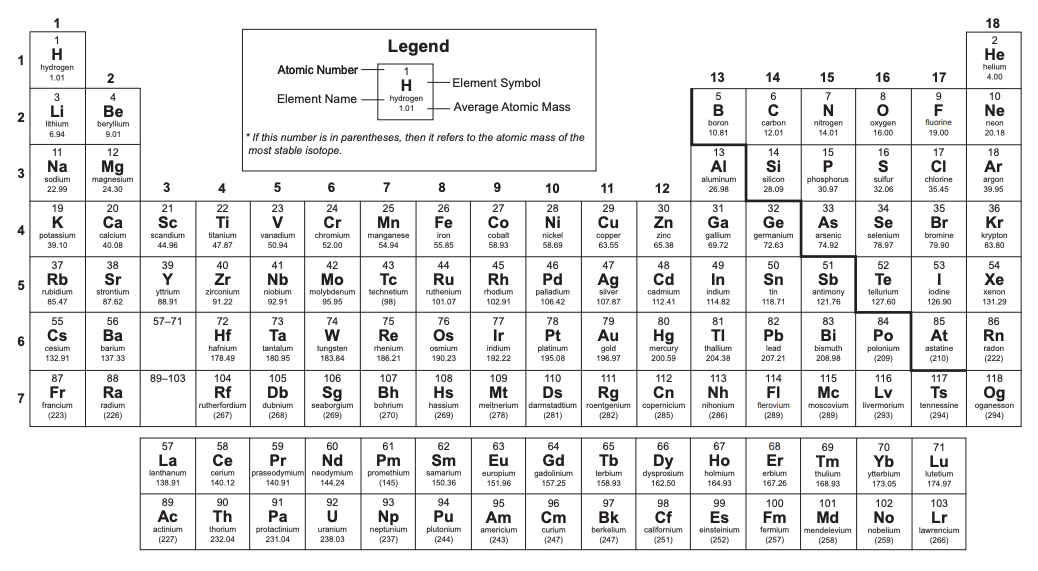
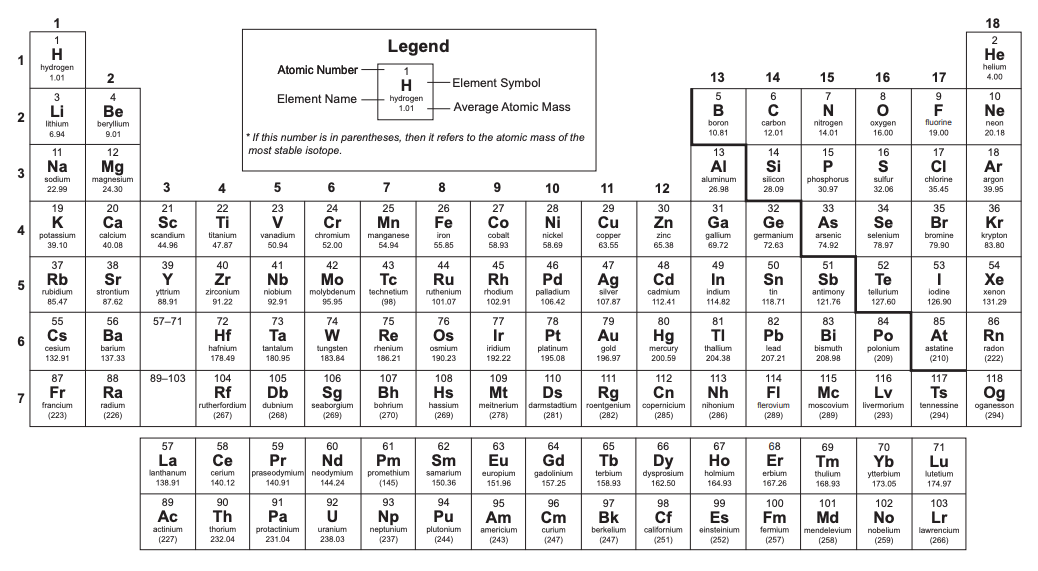
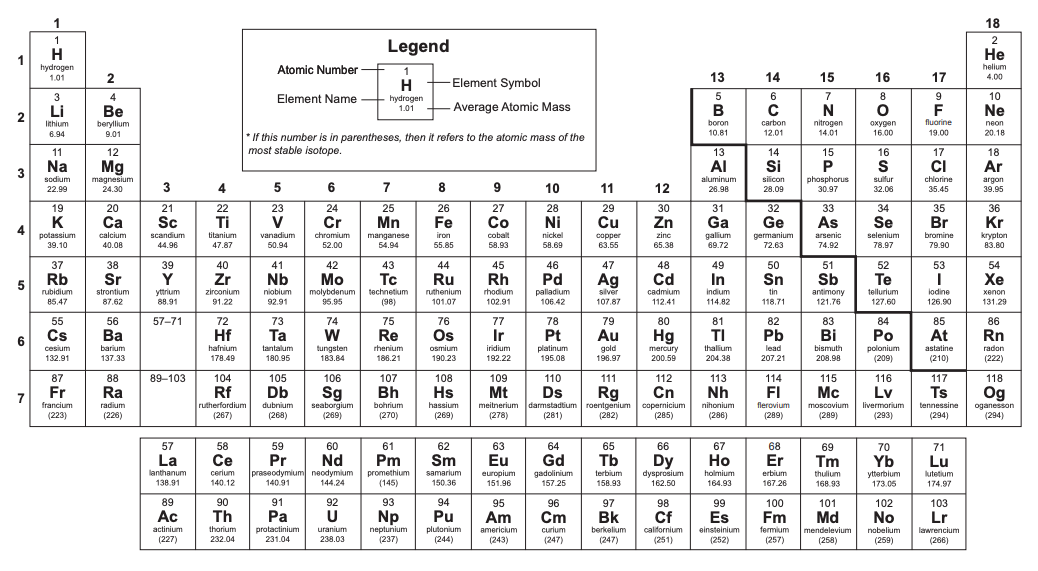
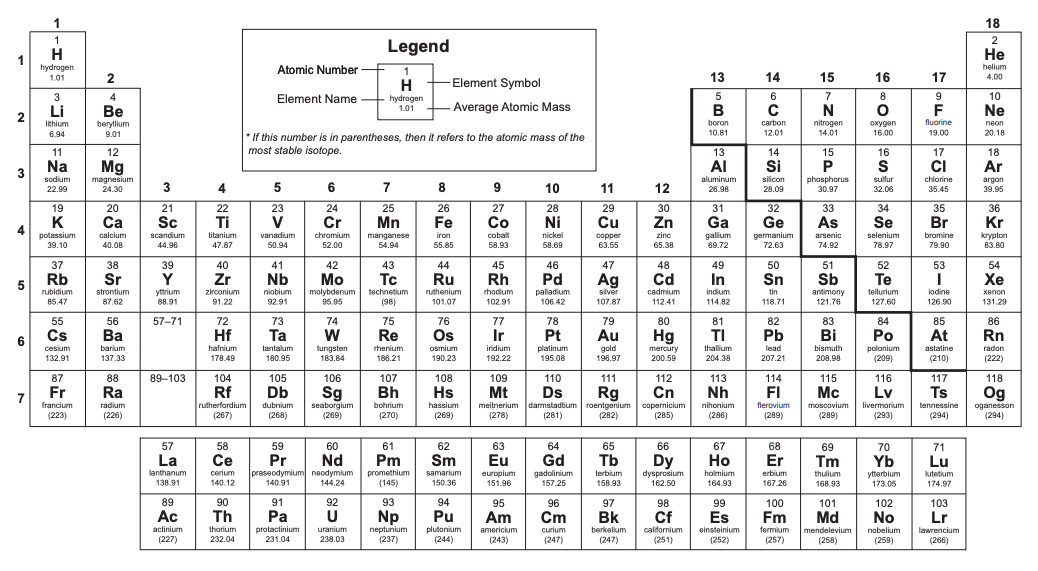
Which of the elements below shows the correct electron configuration or Lewis Dot Structure for the element? Select All That Apply.
Question 6
6.

Question 7
7.

In general, ionic bonds form between a metal and a nonmetal. Covalent bonds usually form between two nonmetals. Which of the following pairs of atoms is most likely to form a covalent bond?

Question 8
8.

Question 9
9.

Drag each statement under the correct category (metal or nonmetal)

  • Sodium (Na)
  • Fluorine (F)
  • Tends to lose electrons to form + cations
Help Video: Questions 6-12
Question 10
10.

Which of the following statements are true about ionic bonding between two atoms?

Question 11
11.

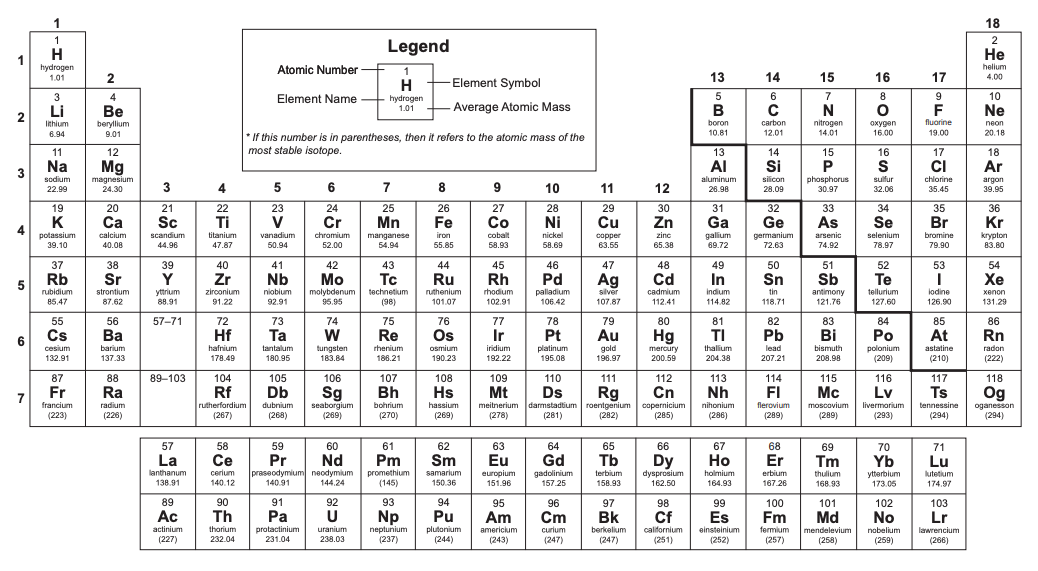
Which list of elements below are arranged from largest to smallest atomic radius?

Question 12
12.

Question 13
13.

Question 14
14.

If Mg (Magnesium) forms an ionic bond with Cl (Chlorine), what is the correct ratio of magnesium to chlorine ions in the compound?

Question 15
15.

Using the ratio of ions from the question above, what is the correct chemical formula when Magnesium (Mg) and chlorine (Cl) react to form an ionic compound?

Question 16
16.

Which is the correct balanced chemical reaction for when magnesium (Mg) and chlorine (Cl) react? (Hint: Chlorine is diatomic so it will bond with itself in nature as an element)

Help Video: Questions 13-16
Question 17
17.

Hydrogen can act as a metal or a nonmetal and can easily form a +1 or -1 ion depending on who it reacts with. Fill in the blanks below:

When hydrogen reacts with oxygen, two hydrogen (H) form a ___________ (+1,-1) ion while oxygen (O) forms a ___________ (+2,-2) ion. When hydrogens reacts with magnesium (Mg), two hydrogen (H) forms a ___________ (+1,-1) ion while magnesium (Mg) forms a ___________(+2,-2) ion.

Question 18
18.

What is the chemical name for the ionic compound that forms after Hydrogen (H) and Phosphorous (P) react?

Question 19
19.

What are the correct coefficients in order to balance the chemical reaction below:

____K + ____S --> ____K2S

Question 20
20.

Which is the correct balanced chemical reaction for when Hydrogen (H) and Phosphorous (P) react? (Hint: Determine the + and - ions that will form for the prodcut 1st and then check to see that the reaction
is balanced)

Help Video: Questions 17-20
Question 21
21.

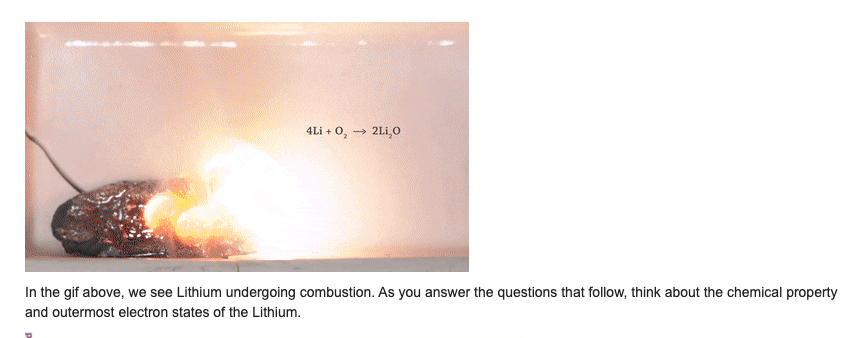
Lithium undergoes a combustion reaction by reacting with oxygen in the air. Show all the steps for the ionic bond that forms between Lithium and oxygen. Which of the following is true? (Select all that apply)

Question 22
22.

Lithium undergoes a combustion reaction by reacting with oxygen in the air. What ions will Li and O form?

Question 23
23.

Question 24
24.

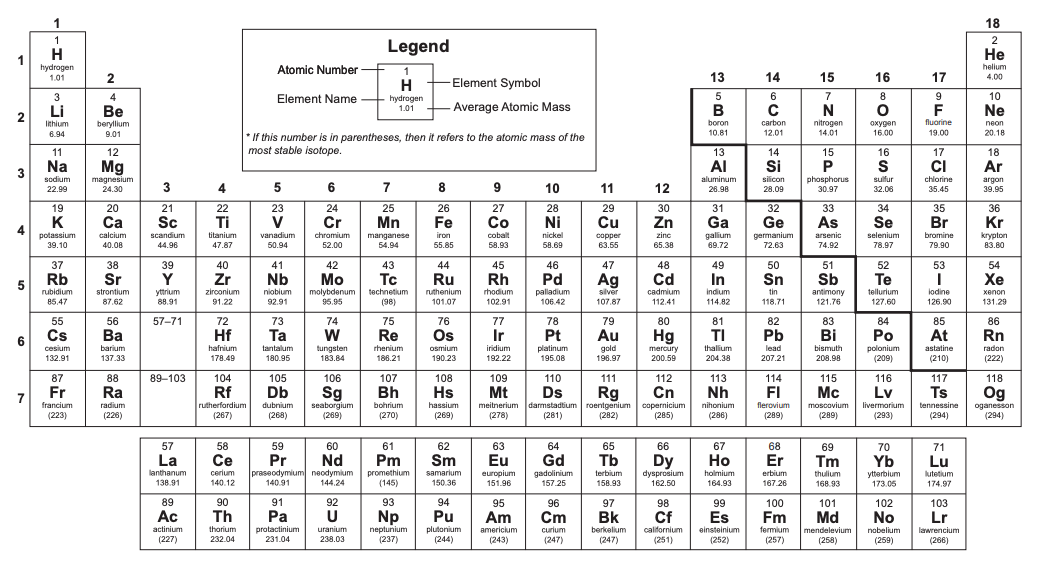
Iodine and chlorine are both nonmetals and halogens located in group 17 on the periodic table. Iodine is less reactive than chlorine. Which BEST explains why?

.10g
.15g
.20g
.25g
Magnesium now had eight valence electrons when it only had two prior
2,1,2,1
2,2,1,1
2,1,1,1
What is always true for chemical reactions that form ionic bonds? (Select All that Apply)
They are between a metal and a nonmetal
They are between 2 or more nonmetals
There is a positive cation and negative anion that form
There is a strong electrostatic attraction that forms between the two ions
There is a weak electrostatic attraction that forms between the two ions
The total or net charge of the two ions will always equal zero
The total or net charge of the two ions will always be greater than zero

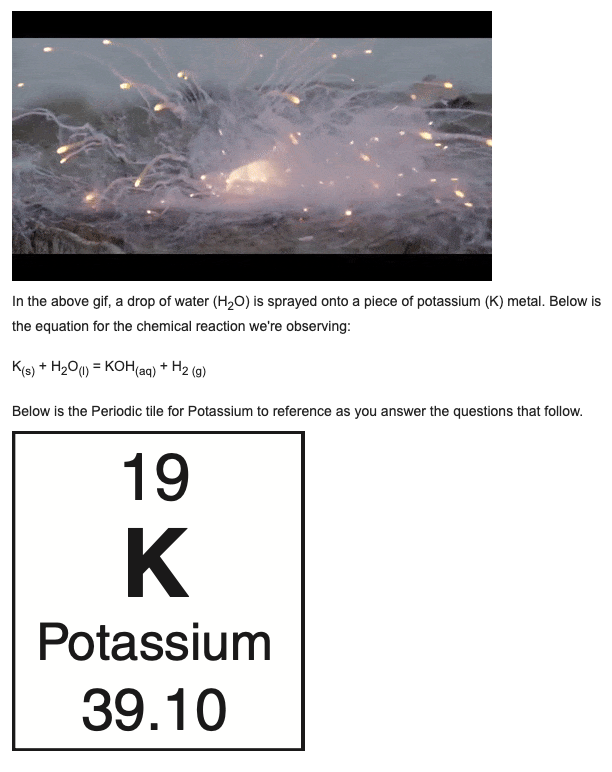
Potassium reacts so strongly when placed in water because.... (Select All that Apply)
it has a low ionization energy making it highly reactive as a metal
it has a high ionization energy making it highly reactive as a metal
it has a low electronegativity making it highly reactive as a metal
it has a high electronegativity making it highly reactive as a metal
it has a large atomic radius making it highly reactive as a metal
it has a small atomic radius making it highly reactive as a metal
Tends to gain electrons to form - anions
Is more reactive as the atomic radius gets larger
Is more reactive as the atomic radius gets smaller
An element with 2 valence electrons
An element with 6 valence electrons
Metals
Nonmetals
Which of the following is true? Select All that apply

Electronegativity increases as the atomic radius increases or gets larger
Electronegativity increases as the inonization energy decreases
Electronegativity increases as the number of valence electrons increases
The atomic radius increases as move from left to right across a period
The ionization energy increases as the the atomic radius decreases or gets smaller
Electronegativity increases as you move from top to bottom on the periodic table
Which of the following best describes the type of bond formed when sodium reacts with chlorine and the correct chemical formula for the product of the reaction?
ionic, NaCl
ionic, Na2Cl
ionic, NaCl2
covalent, NaCl
covalent, Na2Cl
covalent, NaCl2
1:1, or Mg=1 and Cl=1
2:3, or Mg=2 and Cl=3
Mg2Cl
Mg2Cl3
Mg3Cl2
Mg + Cl2 --> MgCl2
+1, +2, +1, -2
-1, +2, +1, -2
1,1, 1
1,2,1
2,1,1
2,1,2
2,2,1
H2 + P --> H2P
3H2 + 2P --> 2H3P
Lithium has a low electronegativity so it will easily gain 2 electron from oxygen
Lithium has a low electronegativity, so it will easily lose 1 electron to give to two oxygen atoms
Li: +2 O: -1
Lithium undergoes a combustion reaction by reacting with oxygen in the air. Based on the cation and anion formed from the question above, determine the chemical formula and chemical name of the product that forms.
LiO, lithide oxygen
Li2O, lithium oxygen
Li2O, lithium oxide
LiO2, lithide, oxygen
LiO2, lithium oxide
Iodine has a larger atomic radius than chlorine and weaker electrostatic attractions