Nat Geo Chp 8 Sect 1.1-1.3
star
star
star
star
star
Last updated over 4 years ago
30 Nsɛmmisa
1
1
1
1
1
1
1
1
1
1
1
1
1
1
1
1
1
1
1
1
1
1
1
1
1

Mesoamerica stretches from southern _____ into part of Central America.
The region's climate and _____ _____ helped the civilizations thrive.
_____ are land(s) high above the sea.
Land that is low and level are called _____.
_____ _____ is a mountain system in Mexico.
What challenges did the flat and fertile mountain land face?
The lowlands are less active. They lie along the coast of the Gulf of Mexico.
The lowlands can receive up to ___ _____ of rain a year.
___, ___, and ___ are called the Three Sisters because they benefit from being planted close together.
Besides making chocolate, cacao beans were also used as _____.
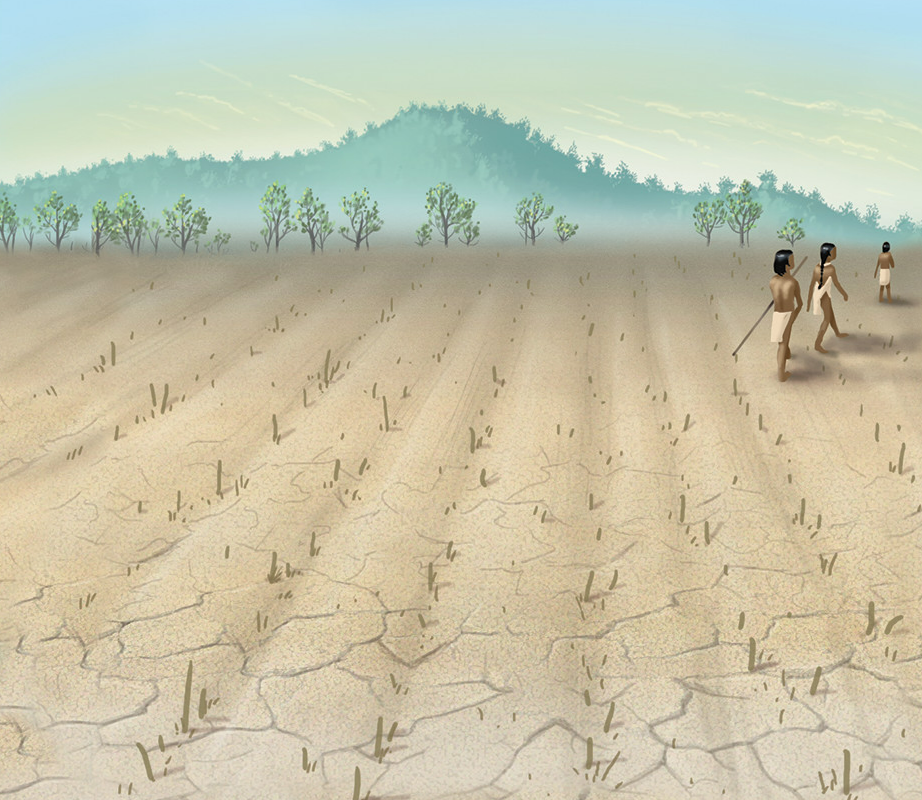
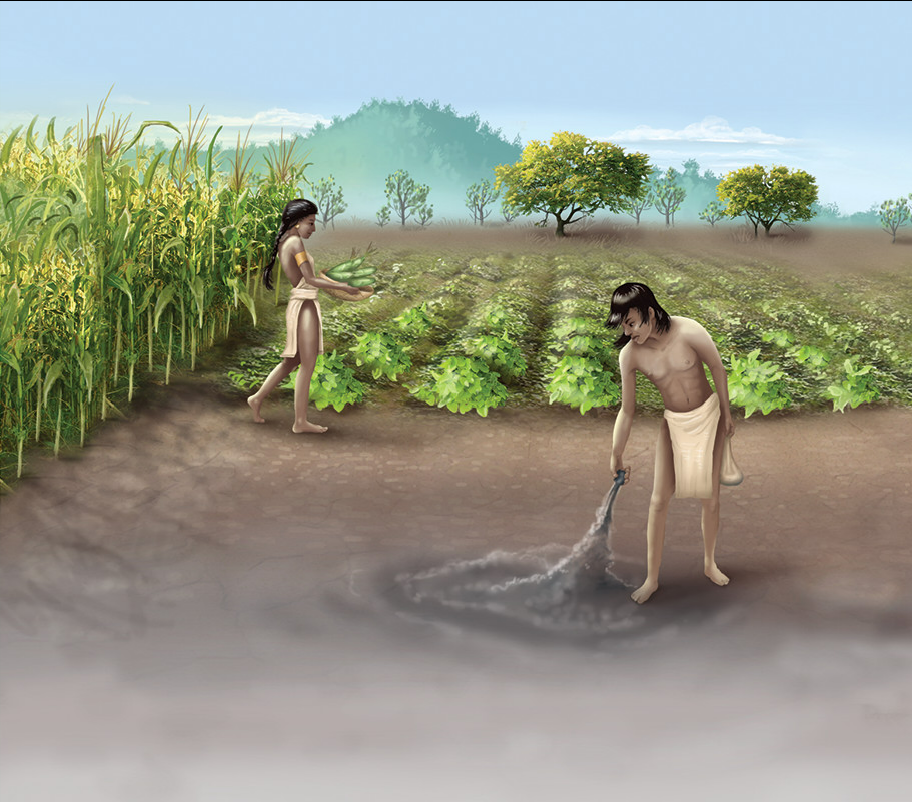
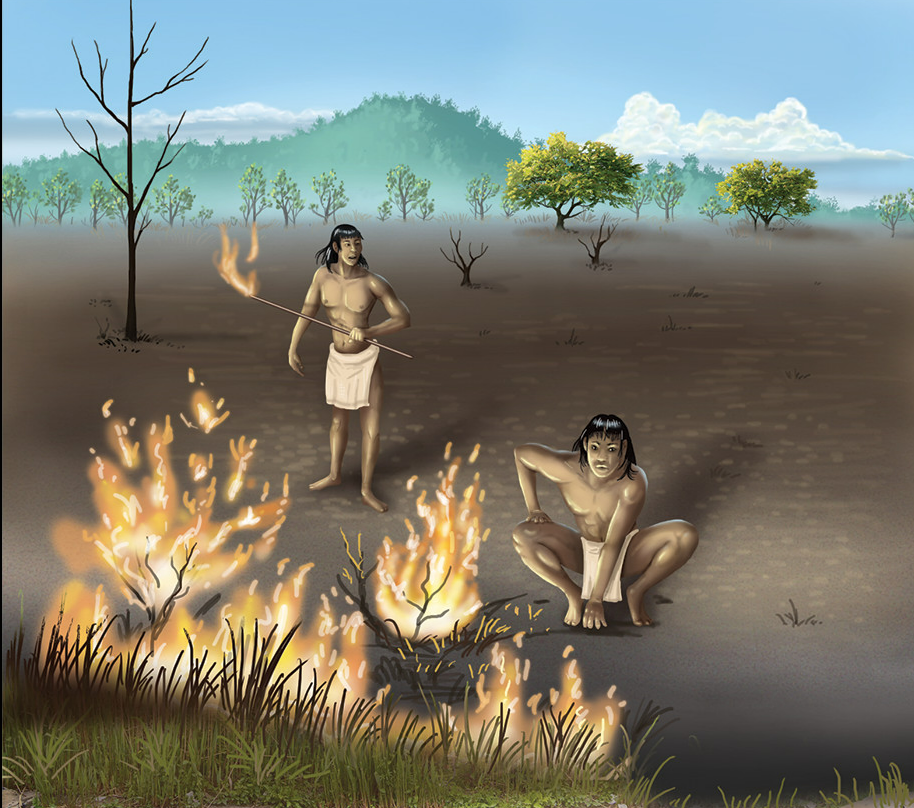
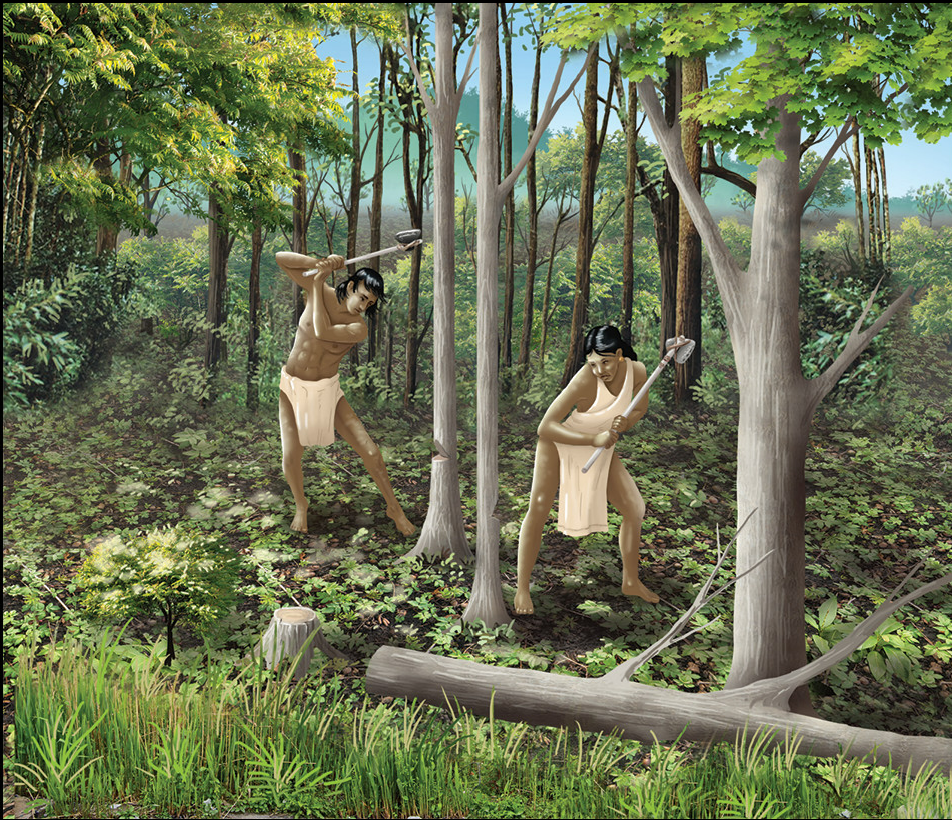
Read the scenario, known as "slash and burn agriculture." Then, order the pictures.
Wooded areas and jungles are too thick to plant crops. Farmers slash, or cut down, trees. Fallen trees and leaves are burned to clear the land. Ash produced by the fires is used as fertilizer. Cleared land is fertilized with ash. Farmers plant crops such as maize and squash. Farmers move on to new locations after soil on cleared land becomes less productive.
The _____ culture began along Mexico’s Gulf Coast around 1200 B.C.
The development of this culture led to the birth of Mesoamerica’s first civilization.
Like the ancient civilizations of Mesopotamia, Egypt, India, and China, the Olmec emerged on the _____ __ _____.
Three Olmec cities that developed were: _____, _____, ____ _____.
What did the Olmec develop?

This head is about __ ___ tall.
This head weighs about __ ___.
The Olmec worshipped many gods, but one of the most important was the _____ god.
Order the Olmec civilization’s class structure from most powerful to least.
rulers
artisans
farmers
priests
merchants
Many archaeologists consider the Olmec to be the _____ _____ of Mesoamerica.
The Zapotec developed their society in the _____ Valley.
Select the conditions that proved excellent for growing crops, especially maize.
Around 1300 B.C., a settlement called _____ _____ _____ emerged as the Zapotec center of power.

This mural by Mexican artist Diego Rivera shows Zapotec artists at work. What details in the mural convey class differences in the society?

Around 500 B.C., the center of power shifted when the Zapotec built a city known now as _____ _____high atop a mountain, overlooking the Oaxaca Valley.
Artificial _____, or stepped platforms built into the mountainside, provided additional area for building and agriculture.
Walking through Monte Alban, you might see:
Although it remains a mystery, _____ _____ may have caused the decline of the Zapotec civilization.
This head is most likely of a