Intro to Rational Exponents
star
star
star
star
star
Last updated about 3 years ago
28 Nsɛmmisa
1
1
1
1
1
1
1
1
1
1
1
1
1
1
1
1
1
1
1
1
1
1
1
1
1
1
1
1
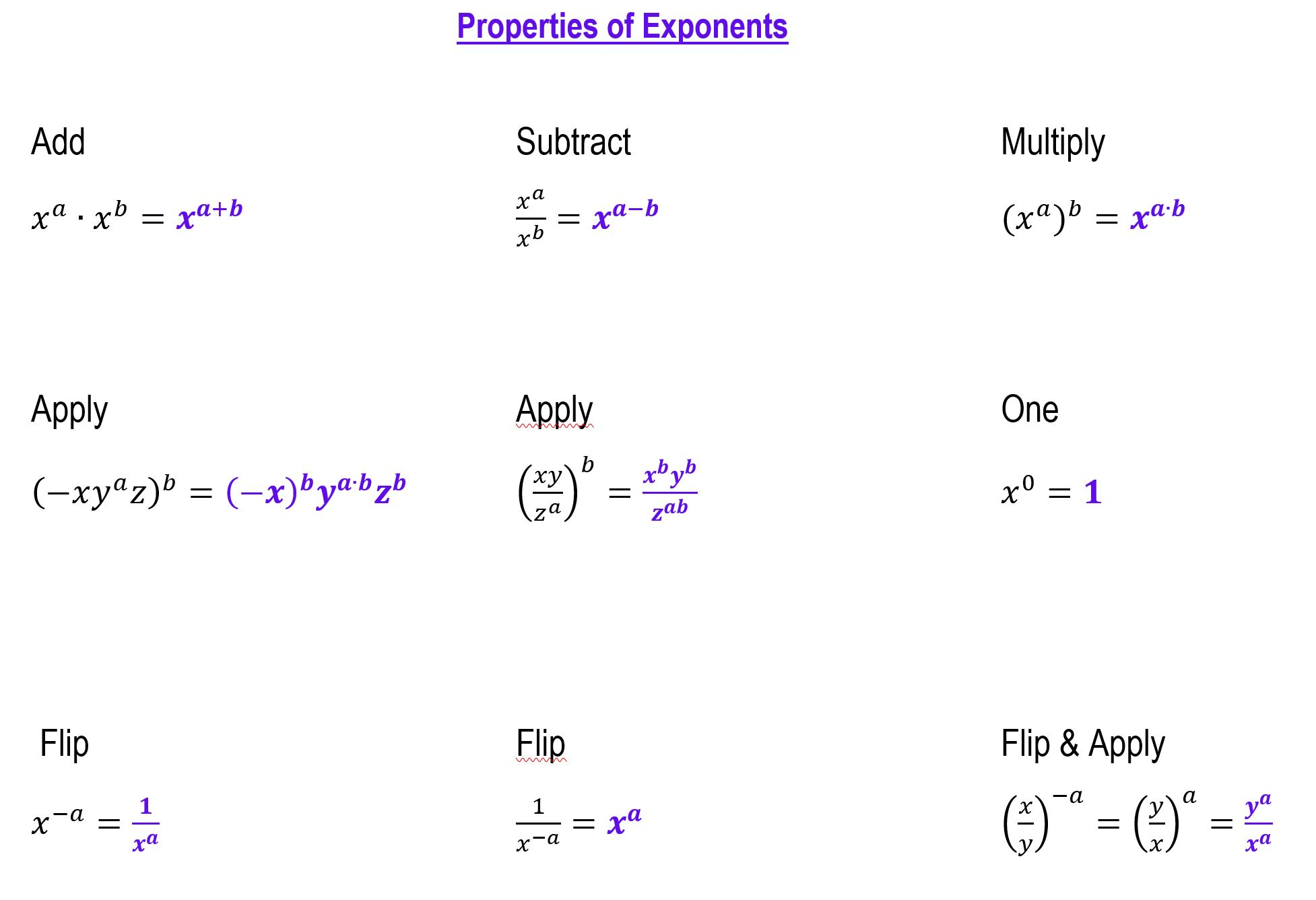
First, let's review the properties of exponents you learned last class:
Forgot everything from last class? No worries! Watch the 3 min video above to see examples similar to #1-6.
Simplify:
Simplify:
Evaluate:
Evaluate:
Simplify:
Multiply:
Write your answer as a reduced fraction!
Multiply:
Write your answer as a reduced fraction!
What is the exponent on this number:
Hint: it's invisible!
Every number or variable has an invisible exponent of 1.
Let's see if we can notice a pattern...
Try:
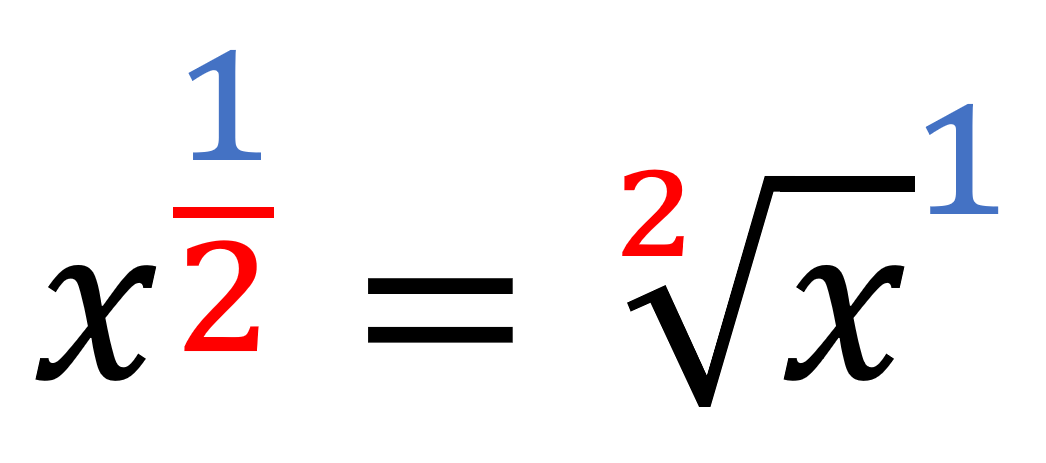
Therefore, raising a number to the
So we can say...
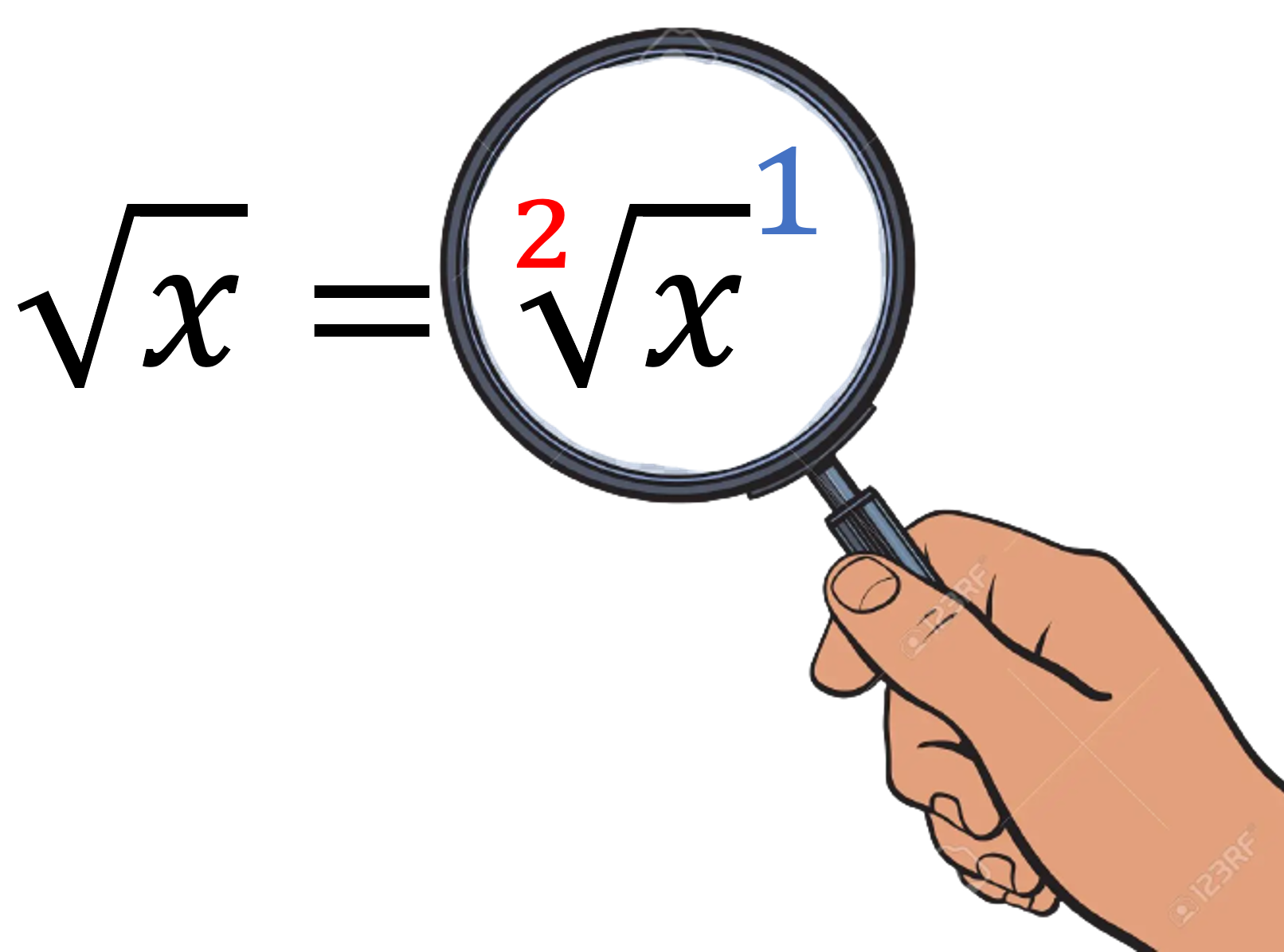
But why?? Let's recall the definition of square root:

Using this pattern, select the true equation below.
Fill in the blank.
Hint: use the cube root symbol in your calculator to evaluate.
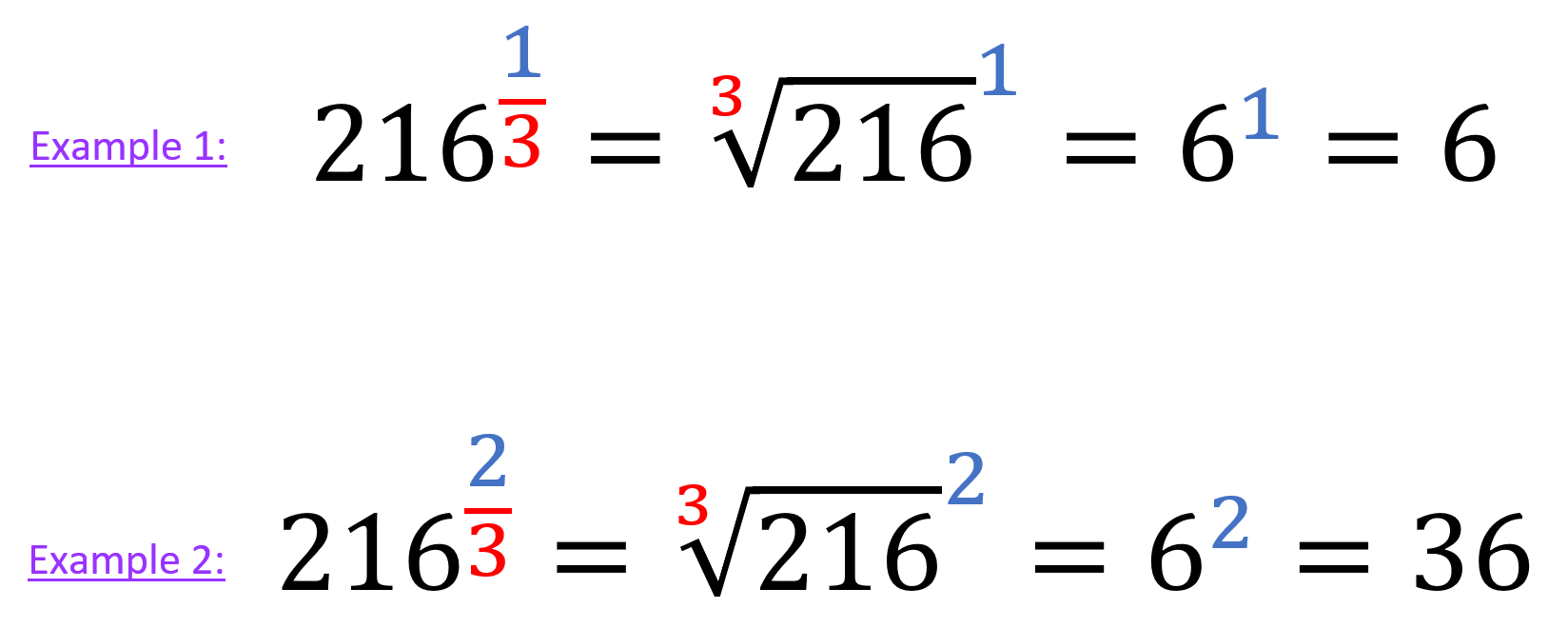
Check out the difference between the examples below:
*It will always be easier to evaluate the radical first, then the exponent at the end.
Now you try:
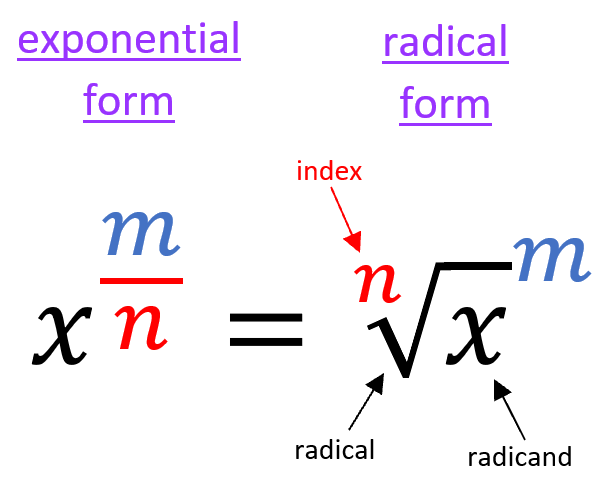
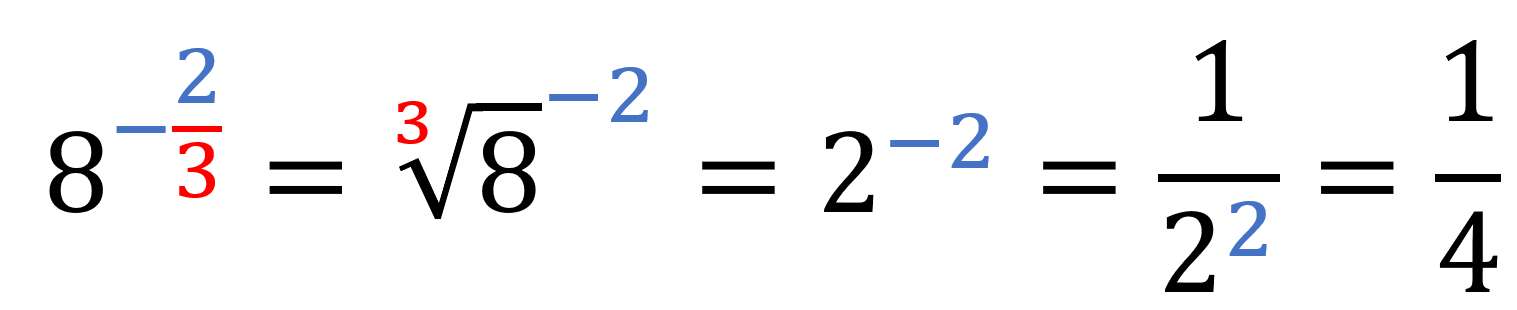
Copy this in your notes:
Now you try!
No decimals!
No decimals!
Hint: Think
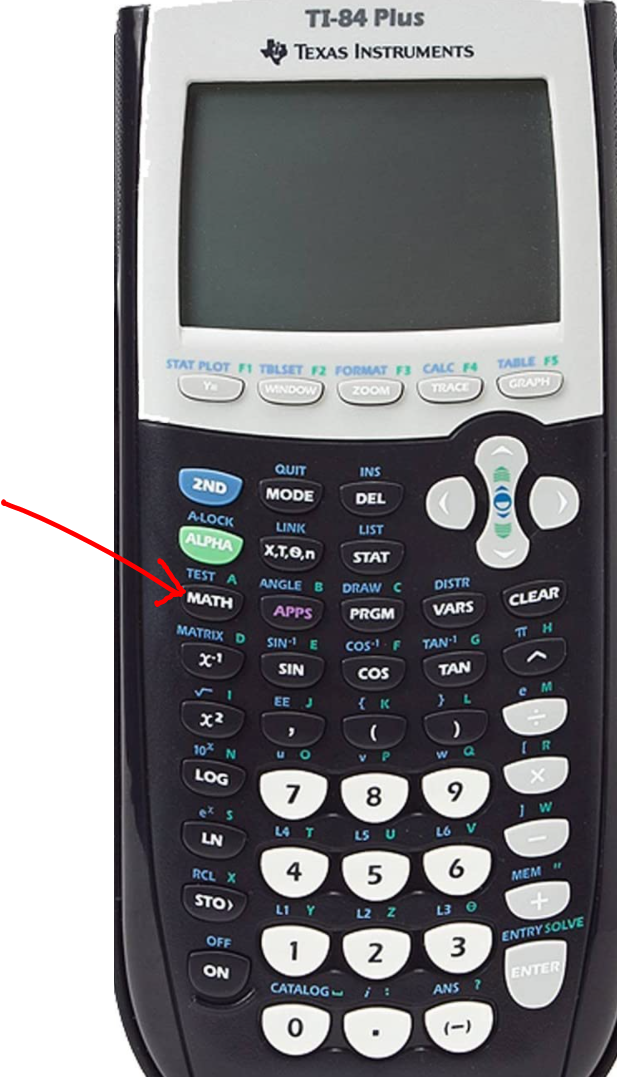
Or to use your calculator, type 4 -> MATH -> 5: