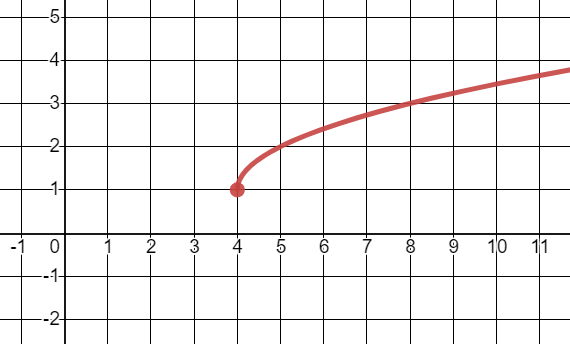
Which equation matches the graph?
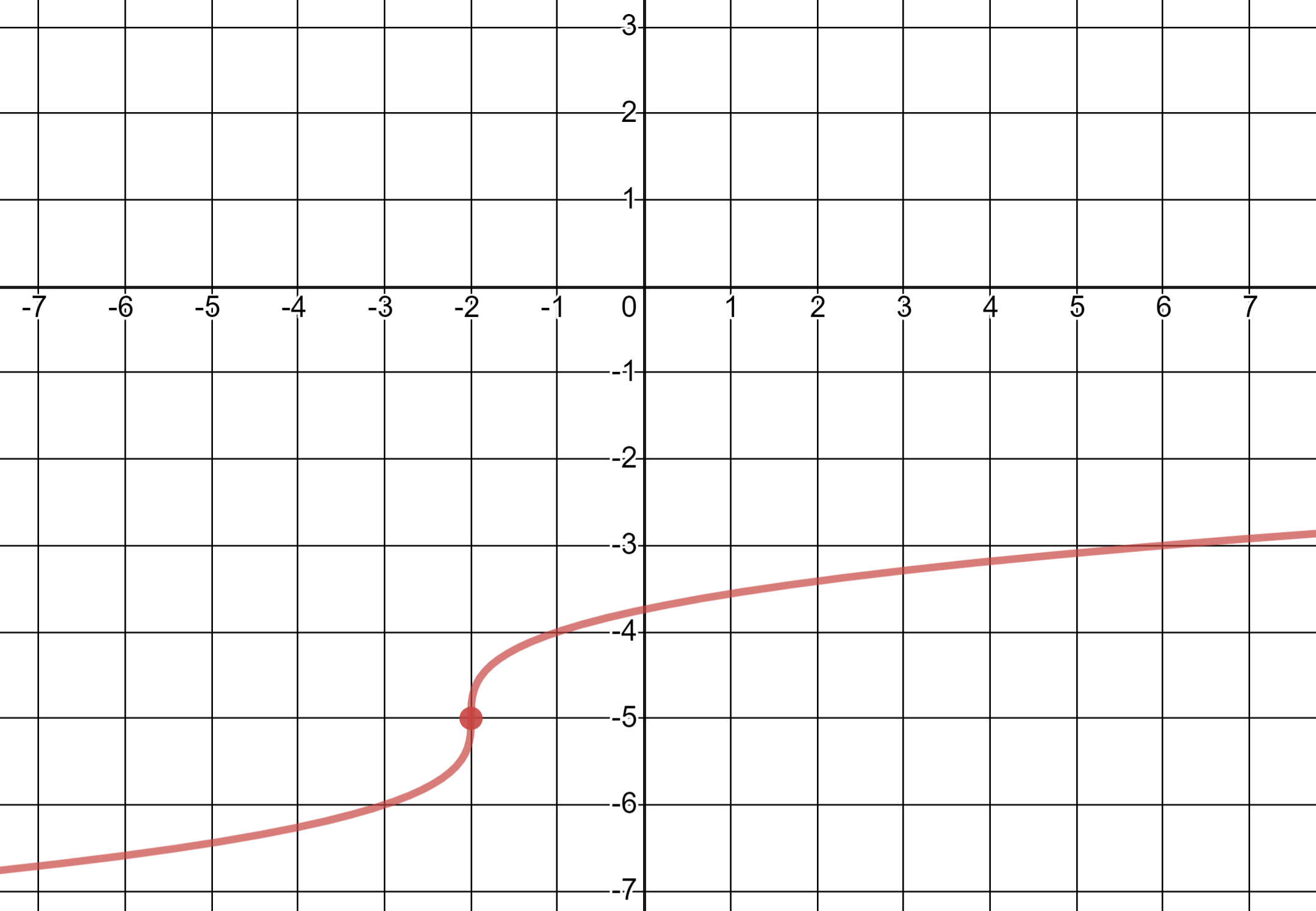
Which equation matches the graph?
Graph:
Graph:
After you graph, select the correct domain and range.
Which equation matches the graph?
What stays the same between the graphs of these two functions?
The function below is transformed from the parent function. Select all of the transformations that apply.
Drag the letters to match each graph to its correct function. Click on the picture to zoom in.
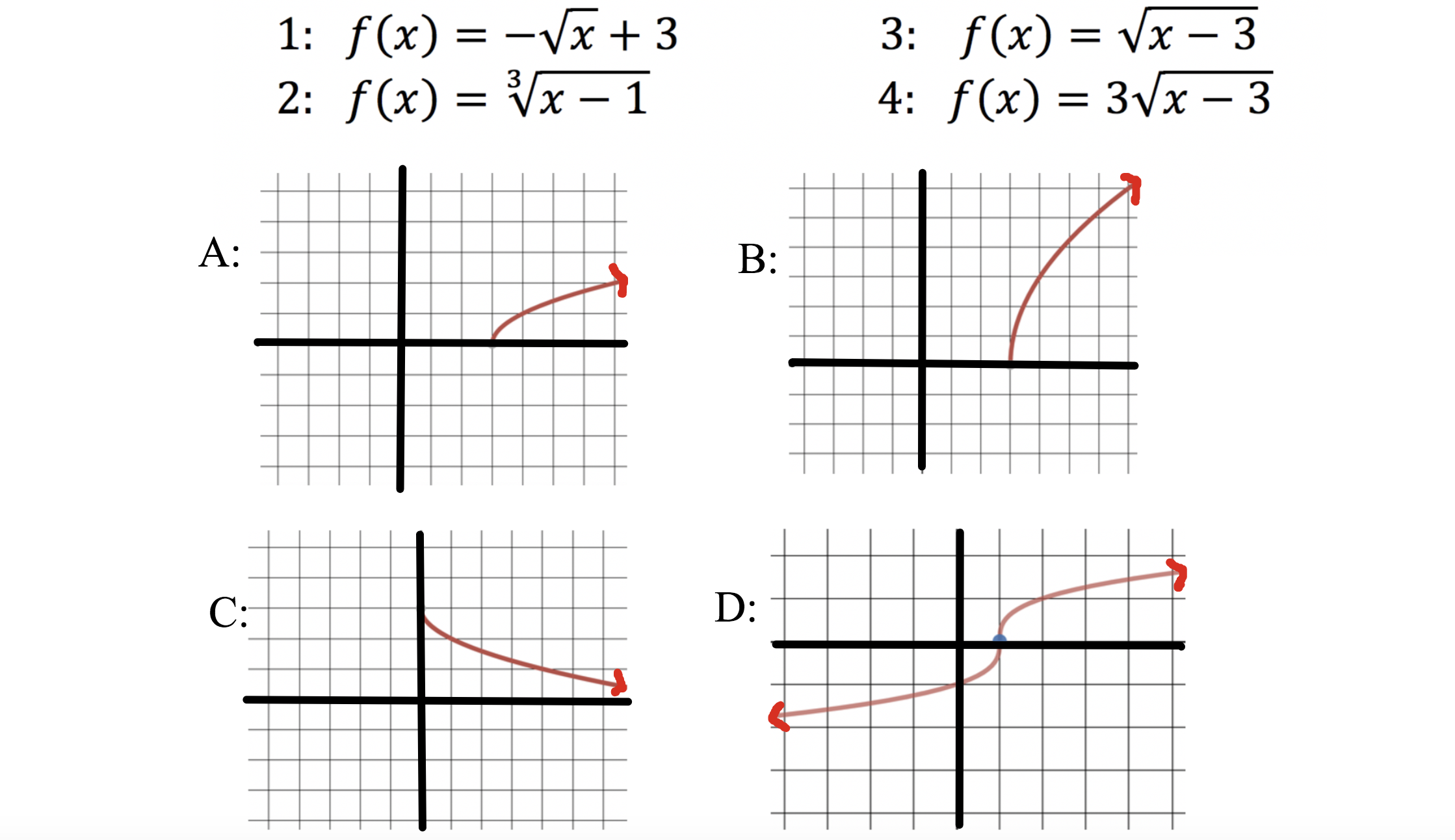
| Draggable item | arrow_right_alt | Corresponding Item |
|---|---|---|
B | arrow_right_alt | 3 |
C | arrow_right_alt | 4 |
D | arrow_right_alt | 1 |
A | arrow_right_alt | 2 |
Write the domain of the graph below.
Find the inverse of the function below.
Write your answer using
Find the inverse of the function below
Write your answer using
The function
Write your answer using
Use your answer for #10 to estimate how long it will take a penny dropped into a well to fall 48 feet.
Round to the nearest tenth.
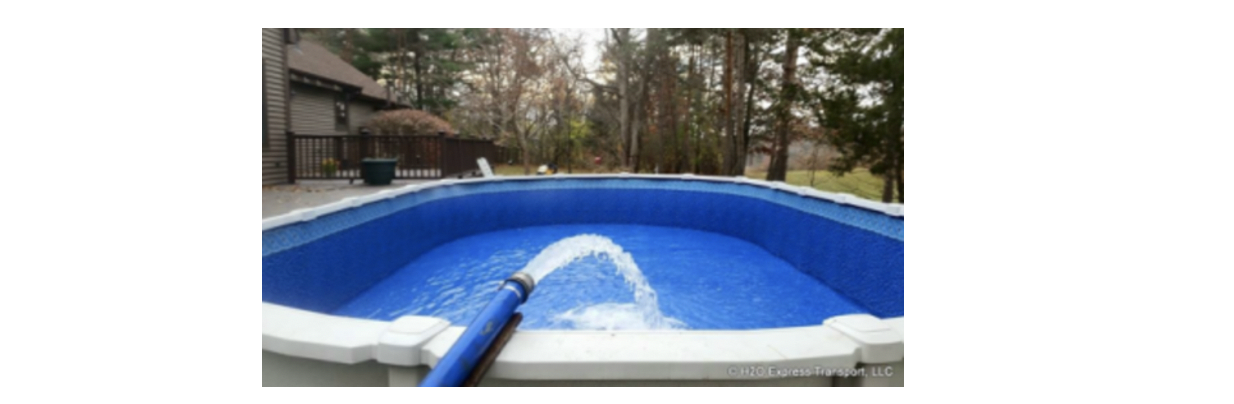
Gemma's swimming pool is only filled with 1,840 gallons of water, so she turns on the hose, which can fill the pool at 17 gallons per minute. The number of gallons (G) in the pool is given by the function below, where m is the time in minutes that the hose has been on.
Write the inverse function so that it is written as minutes as a function of gallons.
Type
Use your answer from #12 to answer...
How long will it take for Gemma to fill her 10,000 gallon swimming pool until it is full?
TRUE or FALSE:
If
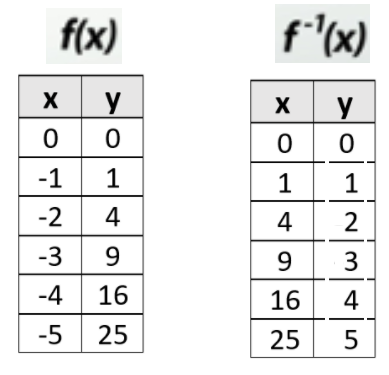
Alyssa wrote out the tables below. Is she correct?
Which graph shows a pair of inverse functions?
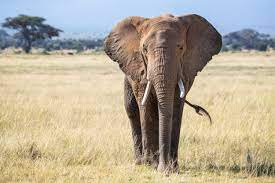
The shoulder height
Find the height of an elephant who is 50 years old. Round to the nearest tenth.
How do you say