Twa kɔ nsɛm atitiriw so
Log in
Sign up for FREE
arrow_back
Laabri

Gizmo: Rainfall and Bird Beaks

star
star
star
star
star
Last updated over 4 years ago
30 Nsɛmmisa
Hyɛ no nsow a efi ɔkyerɛwfo no hɔ:

Rainfall and Bird Beaks Gizmo Write Up

Complete the Gizmo: https://gizmos.explorelearning.com/index.cfm?method=cResource.dspView&ResourceID=404&ClassID=5523286 by answering the questions below

General Video Directions: https://www.loom.com/share/5b8140b43a724bec8d5ed37bfab28be4

*There will be more in depth video directions for each section linked into each section.

Study the thickness of birds' beaks over a five-year period as you control the yearly rainfall on an isolated island. As the environmental conditions change, the species must adapt (a real-world consequence) to avoid extinction.

2
2

Prior Knowledge Questions (Do these BEFORE using the Gizmo.)

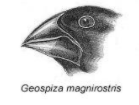
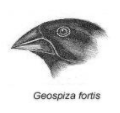
During the voyage of the HMS Beagle (1831–1836), the young Charles Darwin collected several species of finches from the Galápagos Islands. Two of Darwin’s finches are shown below.

VIDEO DIRECTIONS PRIOR KNOWLEDGE QUESTIONS

https://www.loom.com/share/ee87723b75634ccbbcf389b2504d532d

8
Asemmisa {{asɛmmisaAhyɛnsode}}
1.
Mmuae Afoforo a Wobɛpaw:
range
evolution
adaptation
natural selection
beak depth
drought
stabilizing selection
directional selection
2
2
Asemmisa {{asɛmmisaAhyɛnsode}}
3.

Gizmo Warm-up

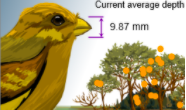
Darwin’s finches are one of many types of animals on the Galápagos Islands that have unique adaptations, or traits that help an organism survive in its environment. The Rainfall and Bird Beaks Gizmo™ allows you to explore how rainfall influences the range of beak shapes found in a single finch species.
VIDEO DIRECTIONS FOR GIZMO WARM-UP

https://www.loom.com/share/b3b56ac21c4b4130ac596678a1518468
Asemmisa {{asɛmmisaAhyɛnsode}}
4.
Asemmisa {{asɛmmisaAhyɛnsode}}
5.

Activity A: Normal Years

Introduction: The Galápagos Islands are very dry, with an average rainfall on some islands of only five inches per year. The amount of rainfall has a large impact on the abundance and types of seeds that are available to be eaten by finches. In the process of natural selection, only the finches that are best adapted to the available seed types survive and have offspring.

VIDEO DIRECTIONS FOR ACTIVITY A: NORMAL YEARS

2
Asemmisa {{asɛmmisaAhyɛnsode}}
6.
3
Asemmisa {{asɛmmisaAhyɛnsode}}
7.
4
Asemmisa {{asɛmmisaAhyɛnsode}}
8.
1
Asemmisa {{asɛmmisaAhyɛnsode}}
9.

How is the finch population affected by a period of average rainfall?

1
2
4
Asemmisa {{asɛmmisaAhyɛnsode}}
12.
3
2
3
2
1
2
1
1

Activity C: Rainy Days

Introduction: In years of abundant rainfall, there can be 20 inches or more of rain. In these years, plants produce an enormous number and variety of seeds.

VIDEO DIRECTIONS FOR ACTIVITY C: RAINY DAYS

1
2
4
Asemmisa {{asɛmmisaAhyɛnsode}}
23.
3
2
3
1
1
2
1
Asemmisa {{asɛmmisaAhyɛnsode}}
2.
Mmuae Afoforo a Wobɛpaw:
small, delicate seeds
large, tough-to-crack

Activity B: Drought

Introduction: In years of extreme drought, Galápagos plants don’t produce new seeds. The small, delicate seeds get eaten up quickly, leaving behind only the largest, toughest seeds.

VIDEO DIRECTIONS FOR ACTIVITY B: DROUGHT

Asemmisa {{asɛmmisaAhyɛnsode}}
10.

Form hypothesis: What type of beak do you think will be best for finding food in a drought?

Asemmisa {{asɛmmisaAhyɛnsode}}
11.

Predict: Select the HISTOGRAM tab.

*Either Recreate the histogram on the left hand side of the "Show Your Work" section or take a screenshot and then put it over the left graph.

On the right hand side create what you believe will happen after 5 years of drought.

Asemmisa {{asɛmmisaAhyɛnsode}}
13.
Asemmisa {{asɛmmisaAhyɛnsode}}
14.

Describe: Compare the final histogram to the initial histogram.

Asemmisa {{asɛmmisaAhyɛnsode}}
15.
Asemmisa {{asɛmmisaAhyɛnsode}}
16.
Asemmisa {{asɛmmisaAhyɛnsode}}
17.

Draw conclusions: What do you think caused the changes in the finch population and average beak size during the drought?

Asemmisa {{asɛmmisaAhyɛnsode}}
18.
Asemmisa {{asɛmmisaAhyɛnsode}}
19.

Think and discuss: Evolution is the process by which populations of organisms can change over time. How is directional selection related to evolution?

Asemmisa {{asɛmmisaAhyɛnsode}}
20.

How does drought affect the finch population and average beak depth?

Asemmisa {{asɛmmisaAhyɛnsode}}
21.

Form hypothesis: What beak shape do you think will be best for finding food in a period of abundant rainfall?

Asemmisa {{asɛmmisaAhyɛnsode}}
22.

Predict: Select the HISTOGRAM tab.

*Either Recreate the histogram on the left hand side of the "Show Your Work" section or take a screenshot and then put it over the left graph.

On the right hand side create what you believe will happen after 5 years of heavy rain.

Asemmisa {{asɛmmisaAhyɛnsode}}
24.
Asemmisa {{asɛmmisaAhyɛnsode}}
25.

Describe: Compare the final histogram to the initial histogram.

Asemmisa {{asɛmmisaAhyɛnsode}}
26.
Asemmisa {{asɛmmisaAhyɛnsode}}
27.
Asemmisa {{asɛmmisaAhyɛnsode}}
28.

Draw conclusions: What do you think caused the changes in finch population and average beak size during the period of abundant rain?

Asemmisa {{asɛmmisaAhyɛnsode}}
29.
Asemmisa {{asɛmmisaAhyɛnsode}}
30.

How does plentiful rainfall affect the finch population and average beak depth?