Log in
Sign up for FREE
arrow_back
Library

Japan CFA Review

star
star
star
star
star
Last updated about 4 hours ago
11 questions
Clans ruled Japan by the 200s CE. A clan is a group of people with a common ancestor. The head of a clan was also a religious leader. Part of his job was to show respect to the clan's kami so they would have good harvests. A kami is a holy being that represents a spirit in nature, sacred place, ancestor, or clans in Japanese culture.
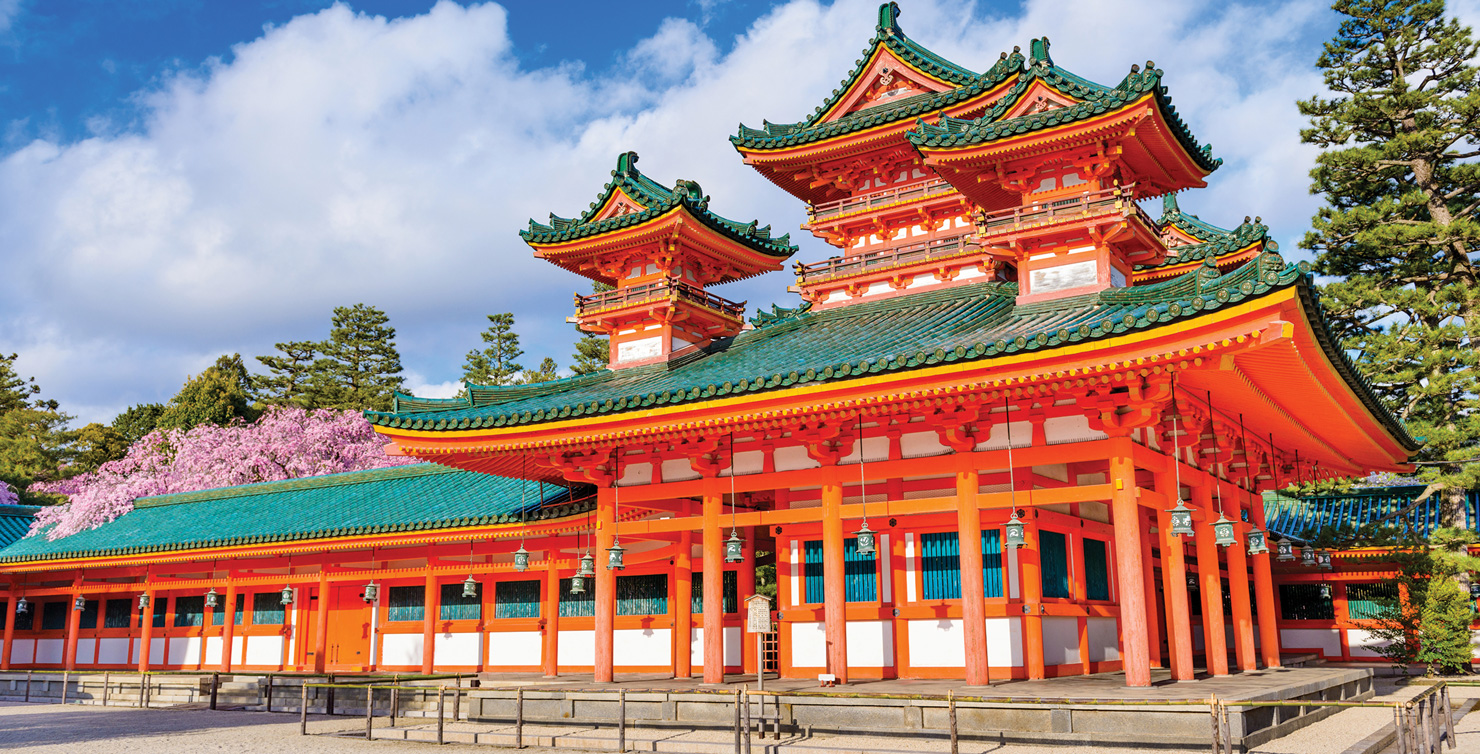
Shinto is the traditional religion of Japan. Shinto developed from religious rituals honoring Kami ancestors. Through the kami, they learned proper behavior and values. They built shrines wherever the felt the power of kami. Thousands of shrines still exist throughout Japan.


1
1
How did Geography set Japan apart?
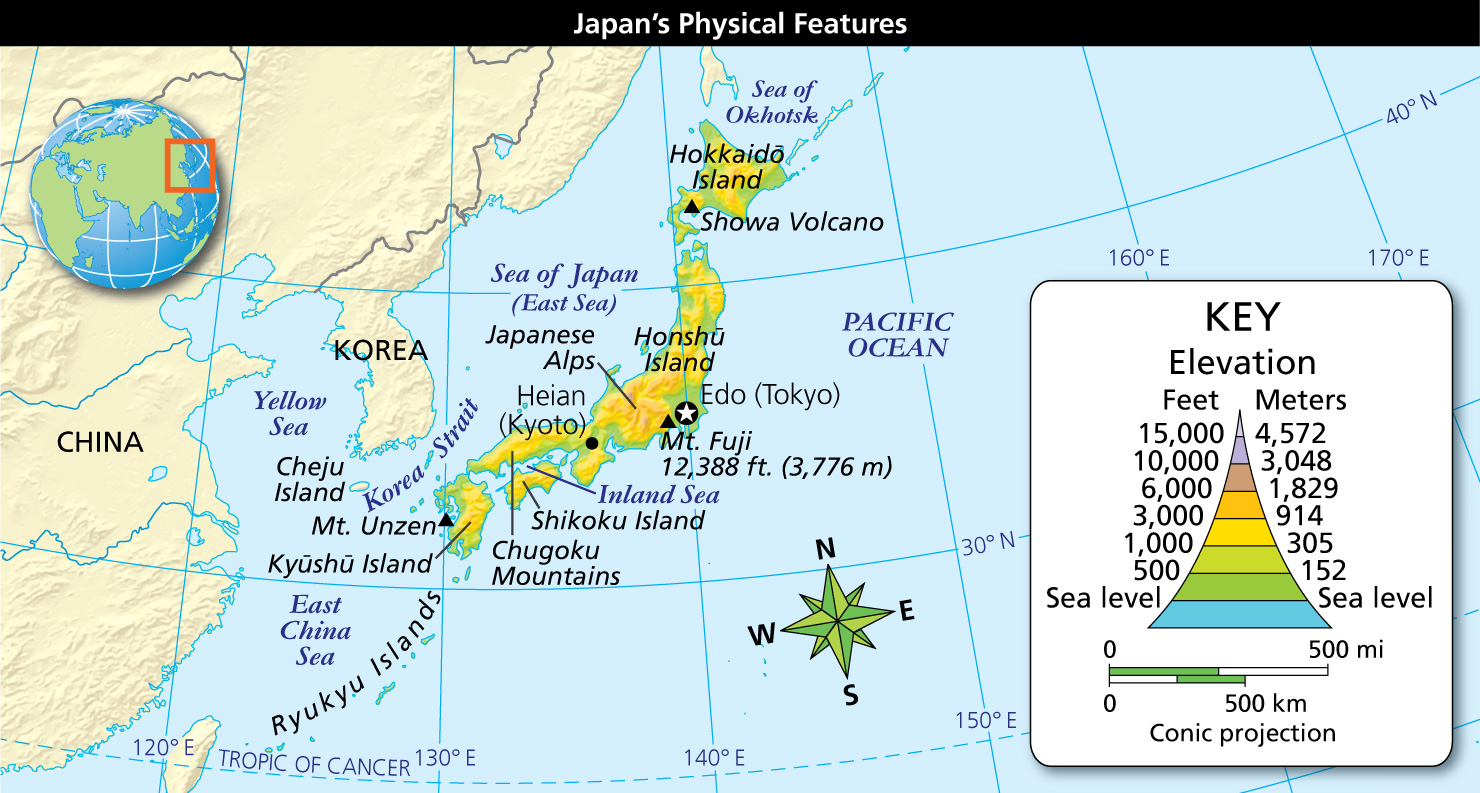
Japan is an archipelago, or chain of islands. To Japan’s west is the continent of Asia. To the east lies the broad Pacific Ocean.
Japan is made up of four large islands and thousands of smaller islands. Its total land area is about the size of the state of California. A ridge of volcanic mountains runs the length of the island chain. Japan is very mountainous that less than 15 percent of its land can be farmed. Most people live on plains or along the coastline. The Japanese people take much of their food from the ocean. Mount Fuji is the highest peak and because of its beauty it has always been an important symbol for Japanese people.

Korea and China are Japan's neighbors on the Asian mainland. Over time, Japan was influenced by Korean and Chinese cultures. Many Chinese and Koreans migrated to Japan in search of refuge or opportunity. As they came to Japan, they brought with them knowledge about Buddahism, writing systems, and making metal, paper, and silk.
1
Question 1
1.

Describe Japan. What is the land of Japan like?

1
Question 2
2.

Why was Japan's culture able to grow even though it was isolated for so long?

1
Question 3
3.

What did Chinese and Korean people bring to Japan?

Question 4
4.

Describe what Shinto is and what it meant to the Japanese people.

Question 5
5.

What type of family group did the Japanese organized themselves into.

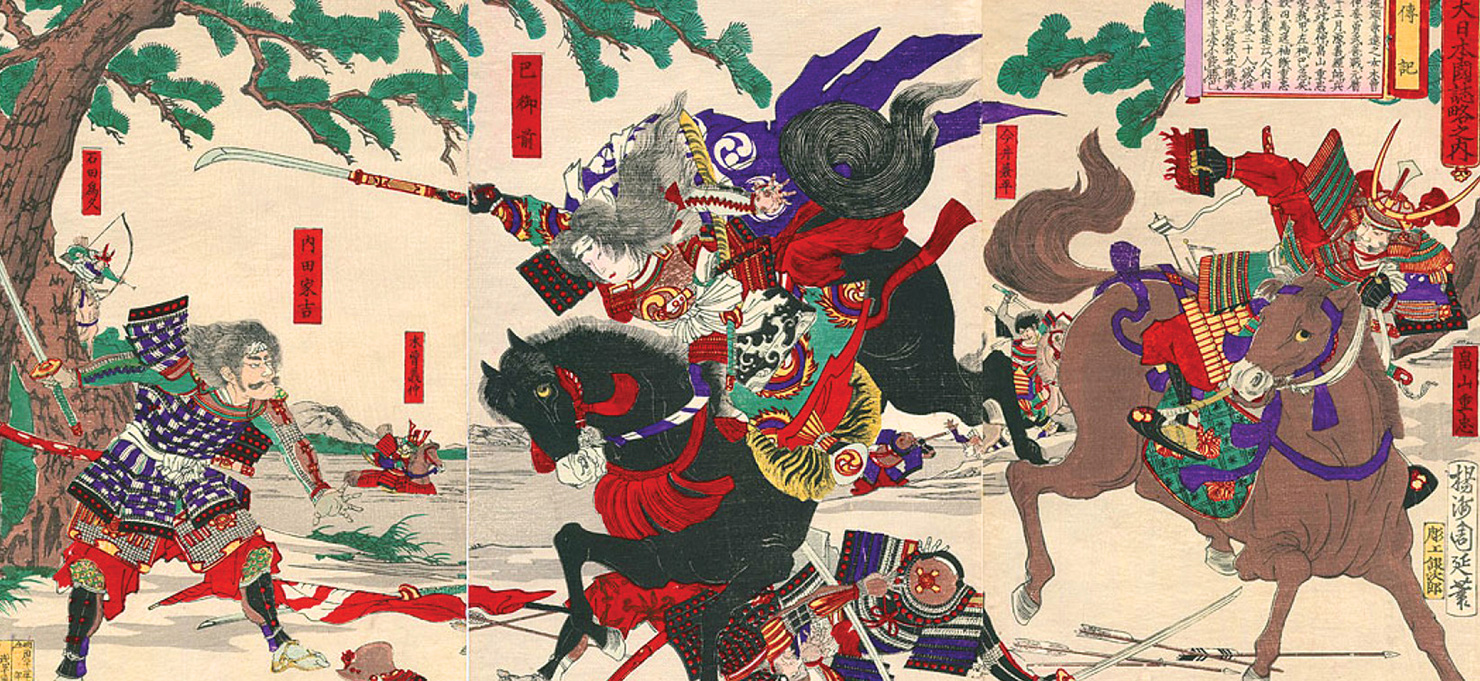
Feudalism was a social system in which landowners gave people land or other rewards in exchange for military service or labor. Landowners, warriors, and peasants served one another's needs. This system spelled out relationships among those different classes of people. Protecting people had become the responsibility of the daimyo or local land-owning lords. The daimyo provided protection through a small army of samurai or highly trained warriors. In Japanese, samurai means "those who serve".
Two values guided samurai. One was loyalty to one's lord. The other was personal honor. These form the set of rules called Code of Bushido or the "way of the warrior". This code governed a samaurai's life. He trained hard, fought bravely and died with honor. This strict code of conduct became a official code in the 1600s and influenced Japan into the 1900s.
1
Question 6
6.

How did samurai values and customs shape Japenese society?

1
Question 7
7.

How did feudalism shape society in medieval Japan?

The emperor of Japan was no longer the true ruler by the year 860. The emperor was a figurehead, which means that he was only a symbolic leader, while someone else was really in control.
Shoguns were supreme military leaders who ruled in the emperor's name. They controlled large armies of daimyos and samurai. Shoguns held true power in Japan for hundreds of years.

1
Question 8
8.

Describe the relationship between a shogun and an emperor.

Many historians call the Heian period Japan's golden age. Japan culture today still reflects developments from this period.

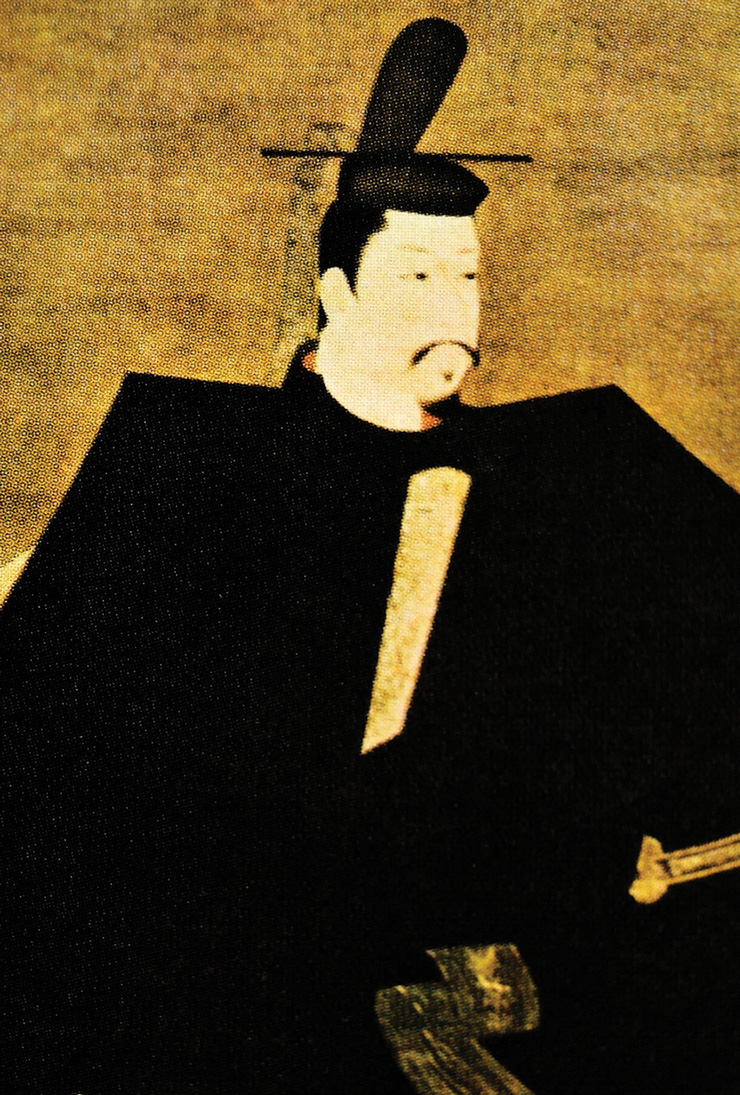
Literature: Nobles of the Heian court wrote journals, poems and stories. One story, The Tale of Genji, still entertains readers today.
The story describes the romantic adventures of a prince named Genji. Mrasaki Shikibu, the story’s female author, joined the Heian court around 1005.
While serving the emperor’s wife, Murasaki Shikibu wrote her tale, which is now praised as a great masterpiece of Japanese literature.
Many regard this work as the world’s first novel. A novel is a long fictional story, often with a complex plot and many characters. Murasaki’s work, though fiction, has provided scholars with many details about life in the Heian court. It is thought that she used many of the real life details she saw around her while going through her daily routine.

Art and Architecture: Japanese artists and architects added their own ideas to styles borrowed from China. Heian artists admired Chinese scroll painting, but they developed scrolls with a distinctively Japanese style.

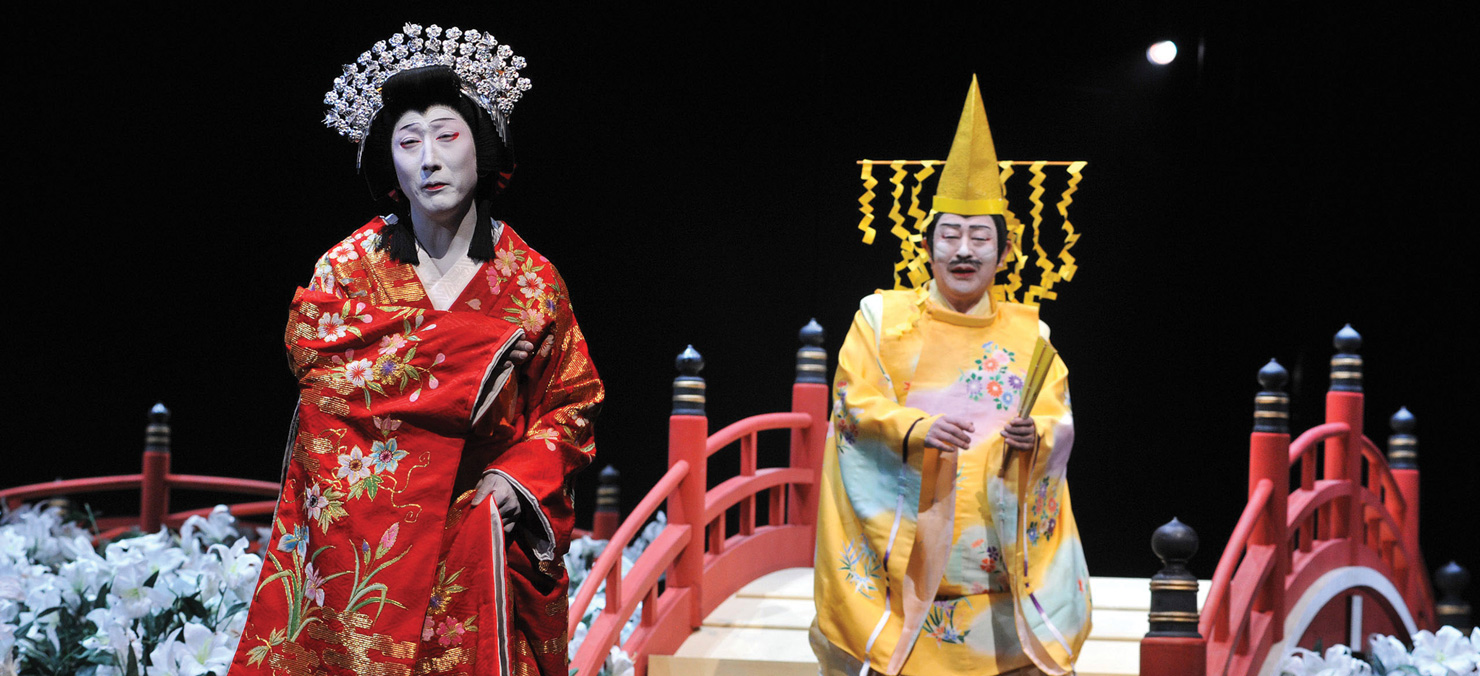
Drama: In the 1300s (14th century), well after the Heian period, a new kind of drama developed called Noh. This type of drama appealed to the nobles and samurai. It is serious and intense. A Noh play takes place on a simple, almost bare stage. The players wear colorful costumes and masks.
The early 1600s (17th century) saw the rise of a new form of drama, Kabuki. Like Noh, it uses music and dance to tell a story. Unlike Noh, Kabuki was aimed at farmers, merchants, and other common folk.

1
Question 9
9.

Describe the importance of the Tale of Genji.

1
1
Question 10
10.

How is Noh drama different from Kabuki?

Question 11
11.

Why do you think the Heian period was called the Golden Age?