
USE THE IMAGE (ASIAN CONTINENT MAP) TO ANSWER QUESTION 1.
(DOK 1) Siddartha Gautama was an Indian aristocrat born near present-day Nepal. Nepal is geographically located to the _____ of India.
(DOK 1) Buddhism was practically extinct in India by 1000 A.D. Which Asian country currently holds the largest Buddhist population?
(DOK 1) In the fifth century, Buddhism gradually shifted peoples' thought and challeneged _____ as the great religion of India.
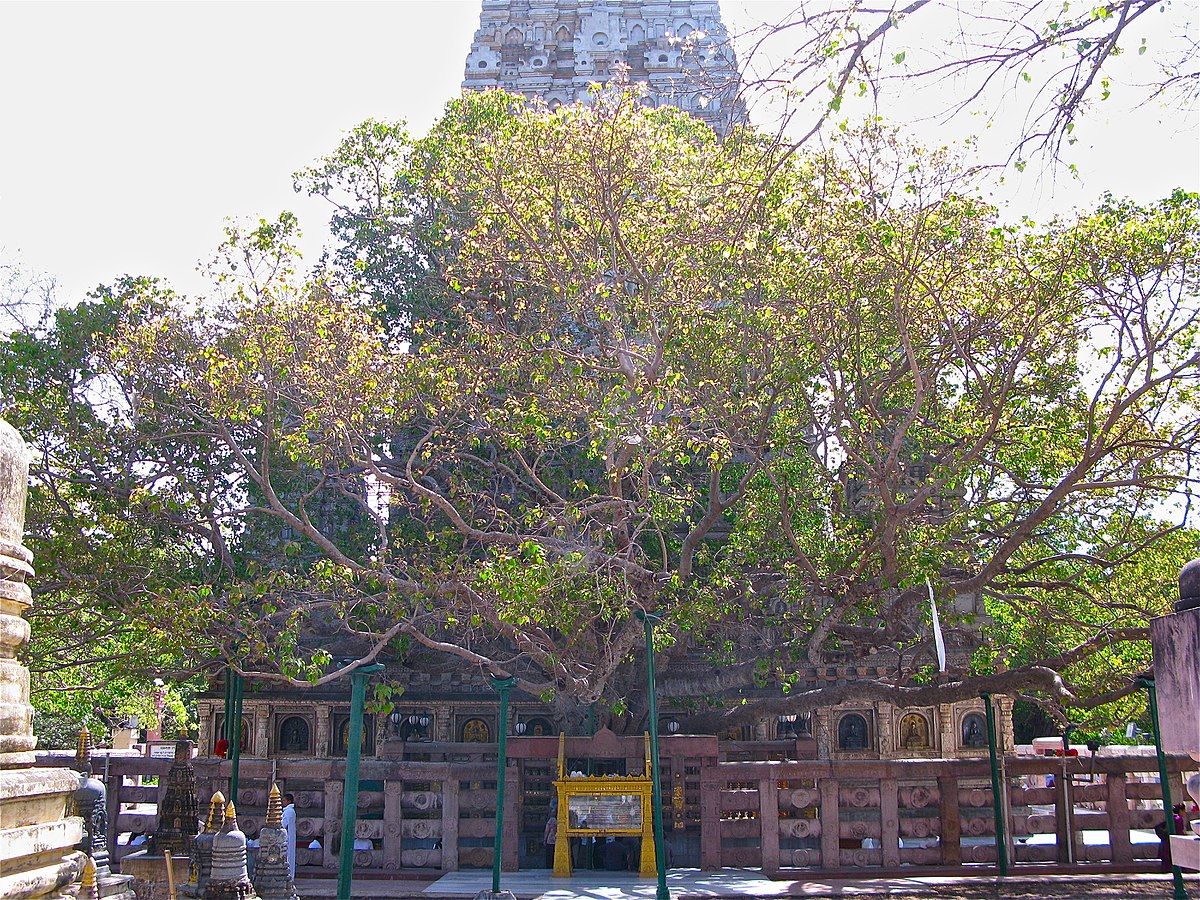
IAccording to legend, Siddartha Gautama reached enlightenment after an agonizingly long night of intense mediatation under a _____ Tree, an ancient sacred fig tree or "tree of awakening."
(DOK 1) Define the title "Buddha."
(DOK 2) The Buddha taught all of the following EXCEPT:
(DOK 2) List the three "sights" that led Siddartha Gautama to think about the nature of all human life.
(DOK 2) The Four Noble Truths detail the heart of the Buddha's message. What is that message?
(DOK 2) Explain the popularity and appeal of Buddhism.
(DOK 2) Explain nirvana.
(DOK 2) Identify one similiarity and one difference between Siddartha Gautama (Buddha) and Jesus of Nazareth (Jesus Christ).
(DOK 3) Scholars are divided over whether or not Buddhism is a religion. Write a justification as to why Buddhism is NOT a religion.