CBA #2 Review 2022
star
star
star
star
star
Last updated over 4 years ago
52 Nsɛmmisa
Hyɛ no nsow a efi ɔkyerɛwfo no hɔ:
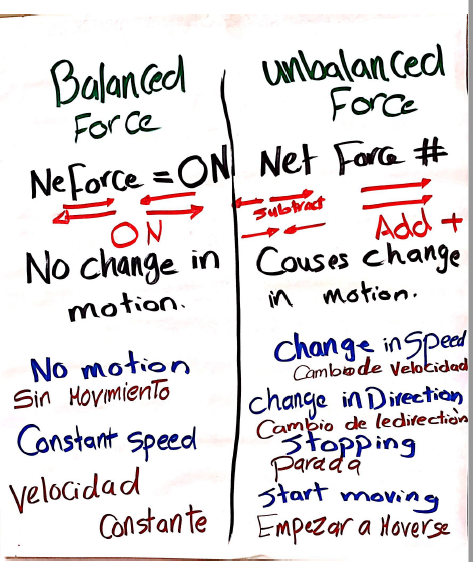
Review of force and motion and Earth cyles for common assessment.

1

1
1


1
1
1
1
1
1
1
1
1
1
1
1
1
Review of force and motion and Earth cyles for common assessment.
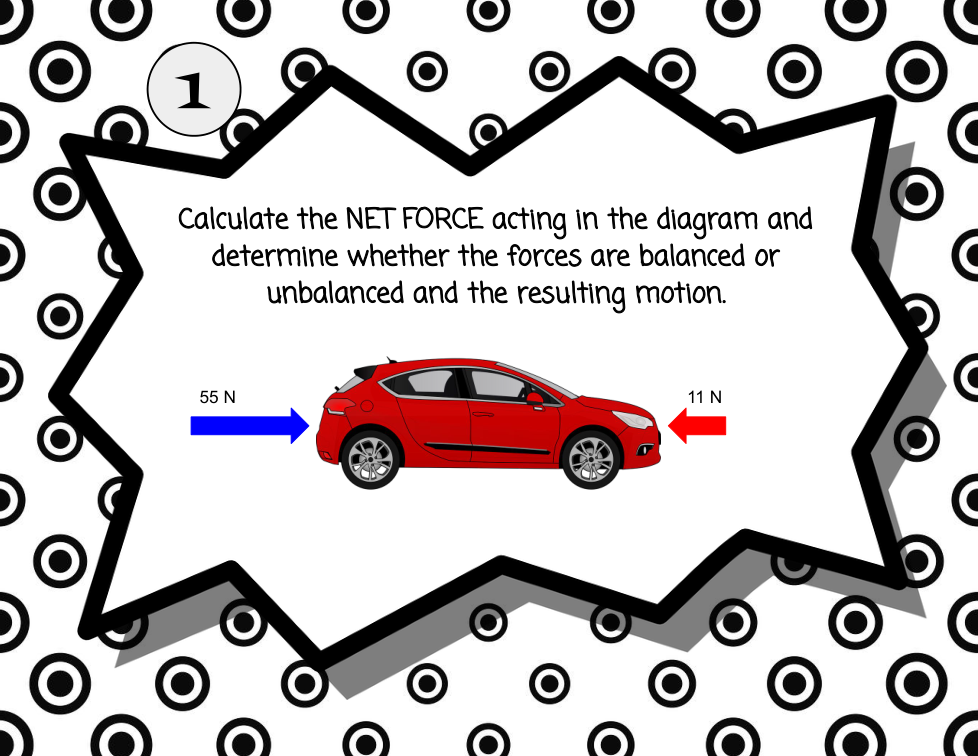
what is the net force ?
direction of motion
Why would it be really difficult to pedal a 10,000 pound bicycle?
Which vehicle has more inertia as they come to a stop?
If you hit a wall with 100 N, what happens?

A magician pulls out the tablecloth from under the dishes and they do not move.

If the cart’s wheel hits a large rock, causing the cart to suddenly stop. Which of the following is likely to happen as a result of Newton’s first law of motion?
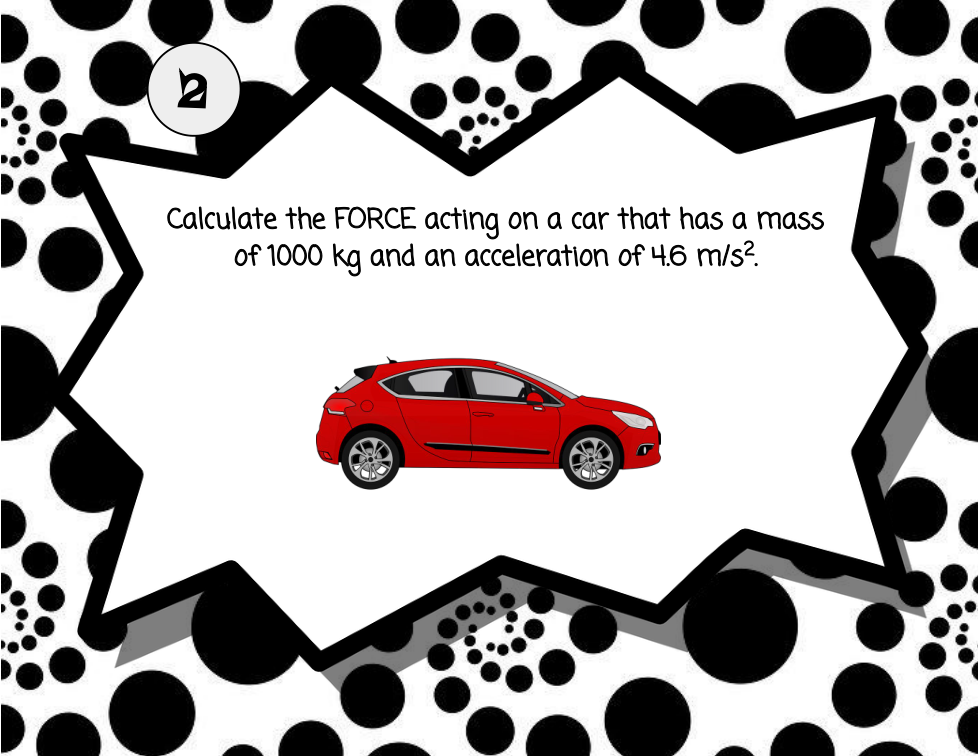
What is the force?
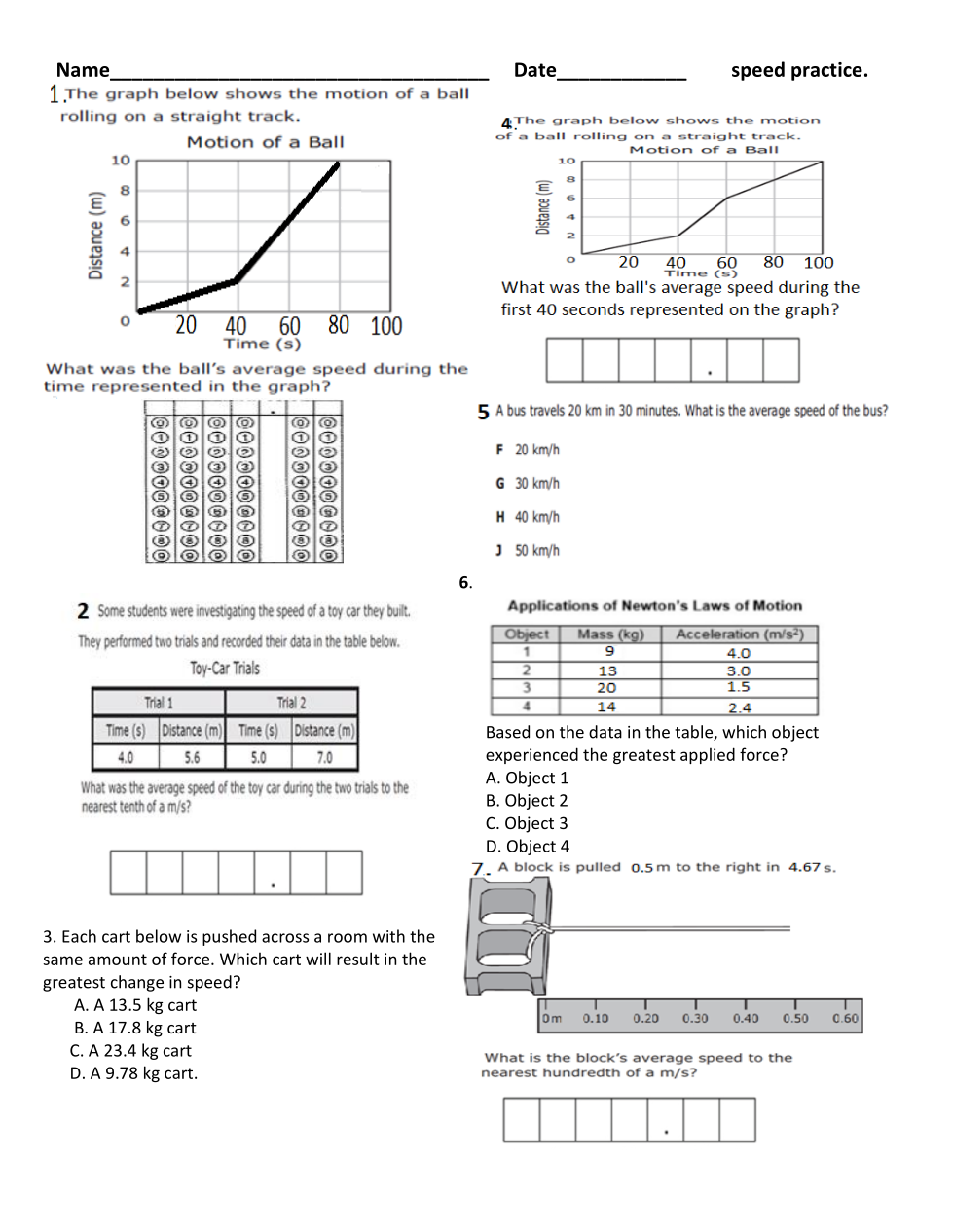
What was the ball average speed during the time represented in the graph?
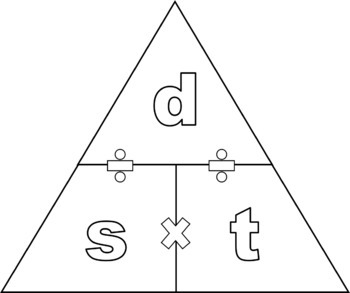
HINT; Divide rise/run Distance/time

Which images shows first quarter?

How many days between new moon and full moon?
Tides - Effects of the Moon on Earth
Each day, the ocean water rises and falls at different times. This movement of water is known as a tide. A tide is a change in water level at the shoreline. Tides are caused by the pull of gravity between Earth and the Moon and Earth and the Sun. During each 24-hour period, most beaches around the world will have two high and two low tides.
The Moon’s gravity has a powerful effect on Earths waters. In fact, it is far more powerful than the Suns because the Moon is closer to Earth than the Sun. The Moon pulls the water toward itself.
When the gravitational force of the Sun combines with the gravitational force from the moon it can increase a high tide by making it rise higher than normal. This will happen when the Moon is either in its new moon or full moon phase.
Each month most locations on earth experience 2 spring tides and 2 Neap tides.
Spring Tides: When the moon is full or new, the gravitational pull of the moon and sun are combined. At these times, the high tides are very high and the low tides are very low.
Neap Tides: During First and last quarter the sun and moon work at right angles, causing the bulges to cancel each other.The result is a smaller difference between high and low tides and is known as a neap tide.
Neap tides are especially weak tides.

How many High tides occur each day?
How many low tides occur each day?
What causes the oceans tides?
When do spring tide occur?
When do Neap tide occur?

What will happen if the Earth's axis is not tilted? (Choose three answers )
Match the month to the correct picture and three descriptions
In the Northern Hemisphere winter is occurring on the southern hemisphere summer is occurring
In the Northern Hemisphere Spring is occurring on the southern hemisphere fall is occurring
In the Northern Hemisphere summer is occurring on the southern hemisphere winter is occurring
In the Northern Hemisphere fall is occurring on the southern hemisphere spring is occurring
March
December
September
June
Match the month to the correct picture and three descriptions
The southern hemisphere has the warmest temperature and the sun is shining directly.
The sun is shining equally on the both hemispheres
Since the sun is shining directly on the northern hemisphere this hemisphere has the warmest temperature
The sun is shining equally on the both hemispheres
March
December
September
June
Match the month in the northern hemesphere with the correct picture
Item 1
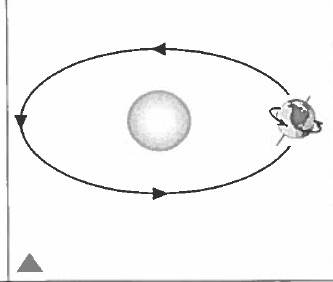
Item 2
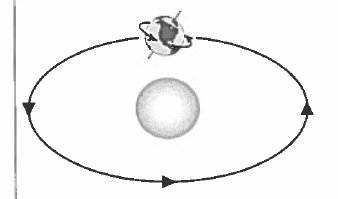
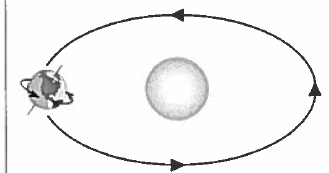
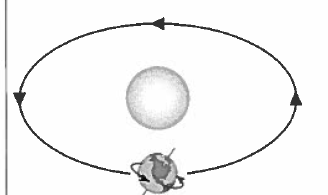
March
December
June
september
When the Earth is moving as represented by the image. What will result from this type of motion?
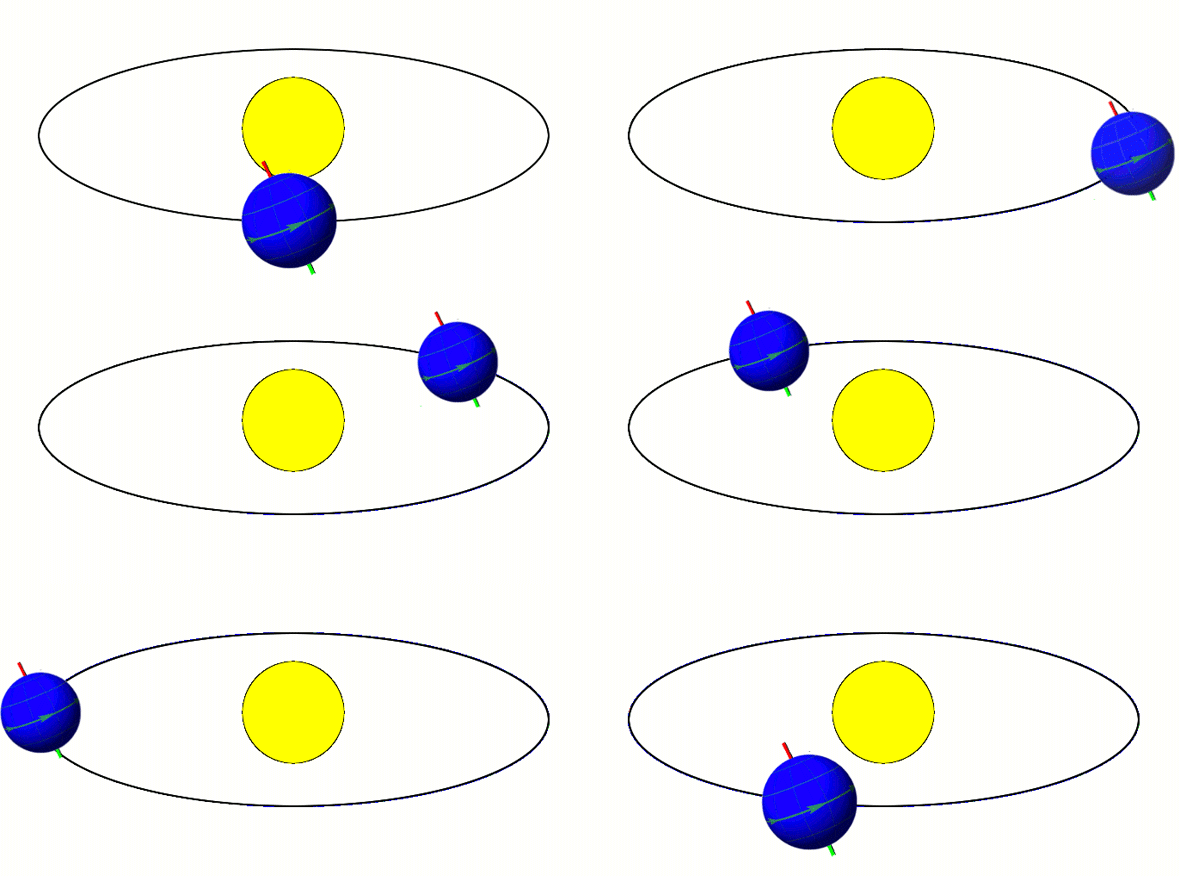
What is incorrect about the image?
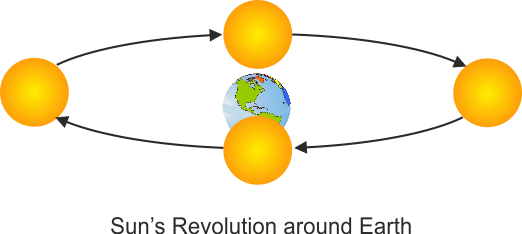
What causes the Earth to experience days and nights?
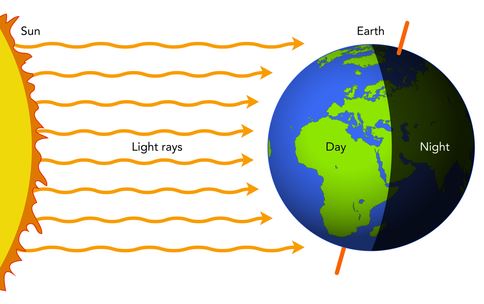
What are the 2 reasons we have seasons?
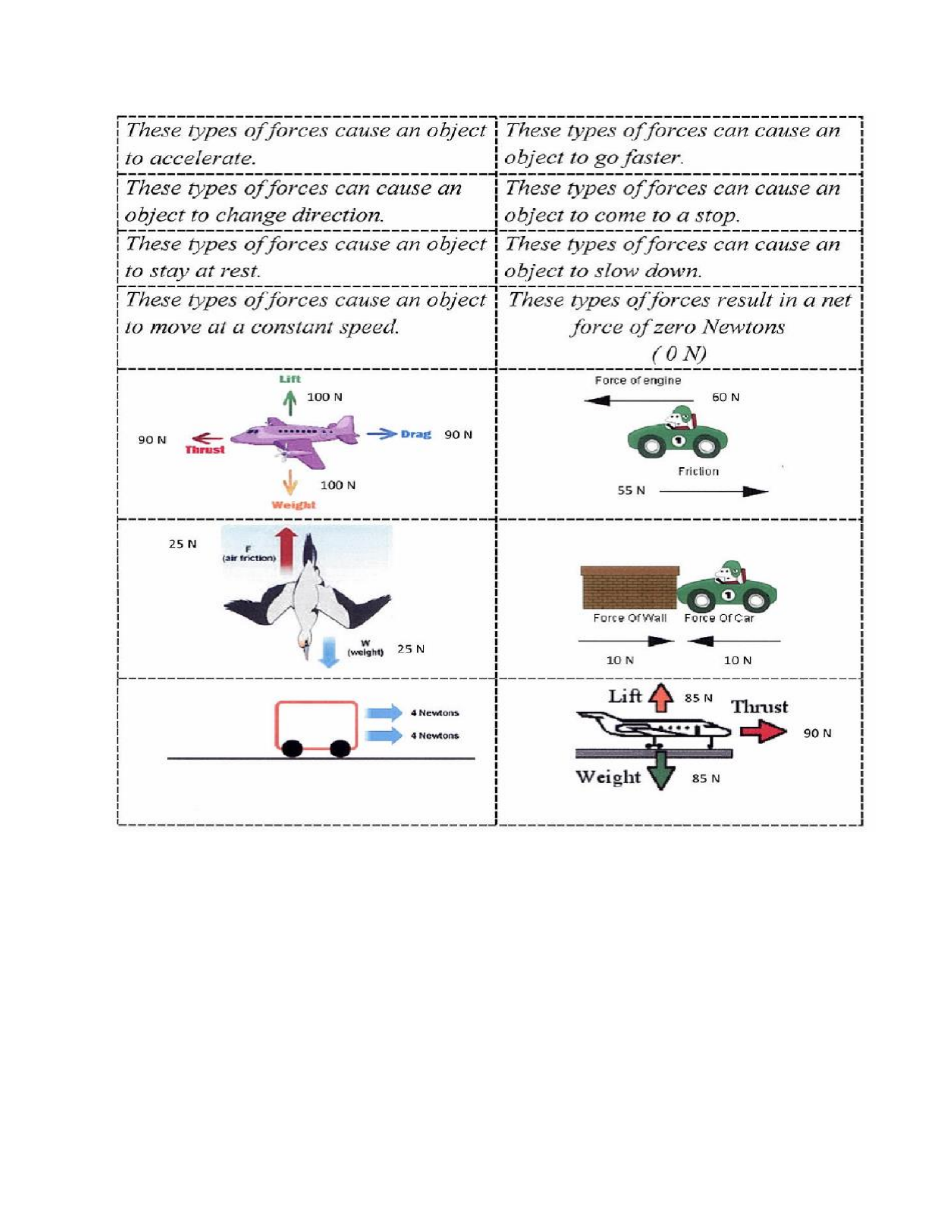
These types of forces causes an object to accelerate
These types of forces can cause and object to go faster
These types of forces can cause and object to change direction
These types of forces can cause and object to come to stop
these type of force can cause and object to stay at rest
These type of force can cause an object to slow down
These type of force can cause and object to move at constant speed
These type of force result in a net force of zero newtons
check picture
check picture
check picture
check picture
check picture
check picture
What was the average speed of the toy car during the two trials to the nearest tenth of m/s?
HINT: Add all distances add all times then divide distance /time. then round your number
Which cart will result in the greatest change in speed?
What was the average speed in the first 40 seconds?
HINT; Divide rise/run Distance/time
A bus travels 20 km in 30 min. What is the average speed of the bus?
HINT: change your units from minutes to hours by dividing time by 60. then calculate speed. S=d/t
Based on the data in the table, which object experienced the greatest force?
HINT: use F=ma triangle; Calculate the force for each object
A block is pulled 0.5 m to the right in 4.67 s.
What is the average speed to the nearest hundredth of m/s?
Hint: Remember the rules of rounding.
Which image is full moon?
Which image is third quarter?
Which image is a crescent ? choose 5
Which image is a Gibbous ? choose 4
Which images are waxing ? choose 6
Which images are waning ? choose 5
How many days between new moon and first quarter?
How many days between new moon and third quarter?