What type of electricity is shown in the image?
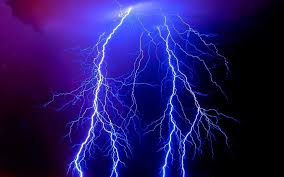
What type of electricity is shown in the image?
The number of electrons on the surface of an object can make it have a negative charge or a positive charge. If the surface has more electrons, the object is negatively charged (-). If the surface has fewer electrons, it has a positive charge (+). A negative charge can build up on an object when electrons move to it from another object. This build up of electric charge on an object is called ________________ ___________________ .
If the built up charge is strong enough, static electricity may "jump" from one object to another. We call this "jump" and electric ________________ , and it can give a quick shock.
To be useful, electric energy must change into other forms of energy. Electrical energy can change into light, heat, sound, and motion. When you switch on a light, electric current flows through wires to the light bulb. The current causes a wire or gas inside the bulb to give off light. The bulb also gives off heat.
An electrical _______________ is the path that an electric current takes.
What type of electricity is shown in the image?
What type of electricity in shown in the image?
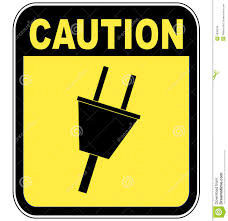
Material that allows eletric current to flow through it easily
Material that blocks the flow of electric current
What is the name for negative charges?
Which charges are free to move from one object to another?
You rub a neutral object with a cloth. Which particles are transferred to the cloth?
Which of the following is NOT an insulator?
Which of the following is NOT a conductor?
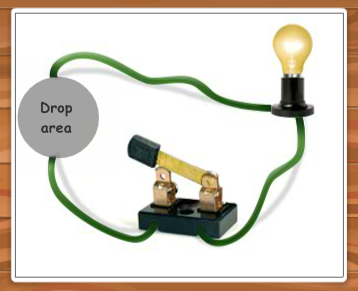
What is missing in the circuit above?
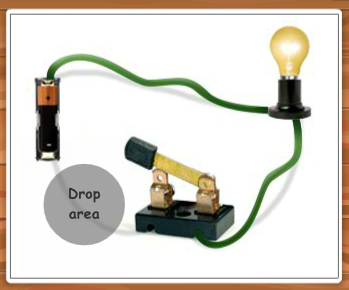
What is missing in the circuit above?
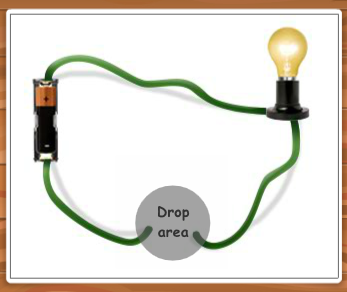
What is missing in the circuit above?
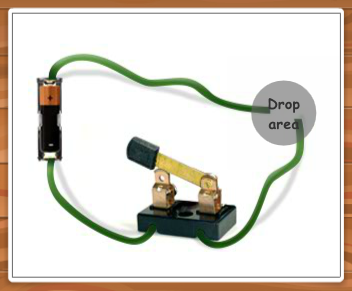
When electric current creates magnetism it is known as:
All matter has positive and negative charges. Positive and negative charges ___________.
Static electricity happens because _________ particles move from one object to another.
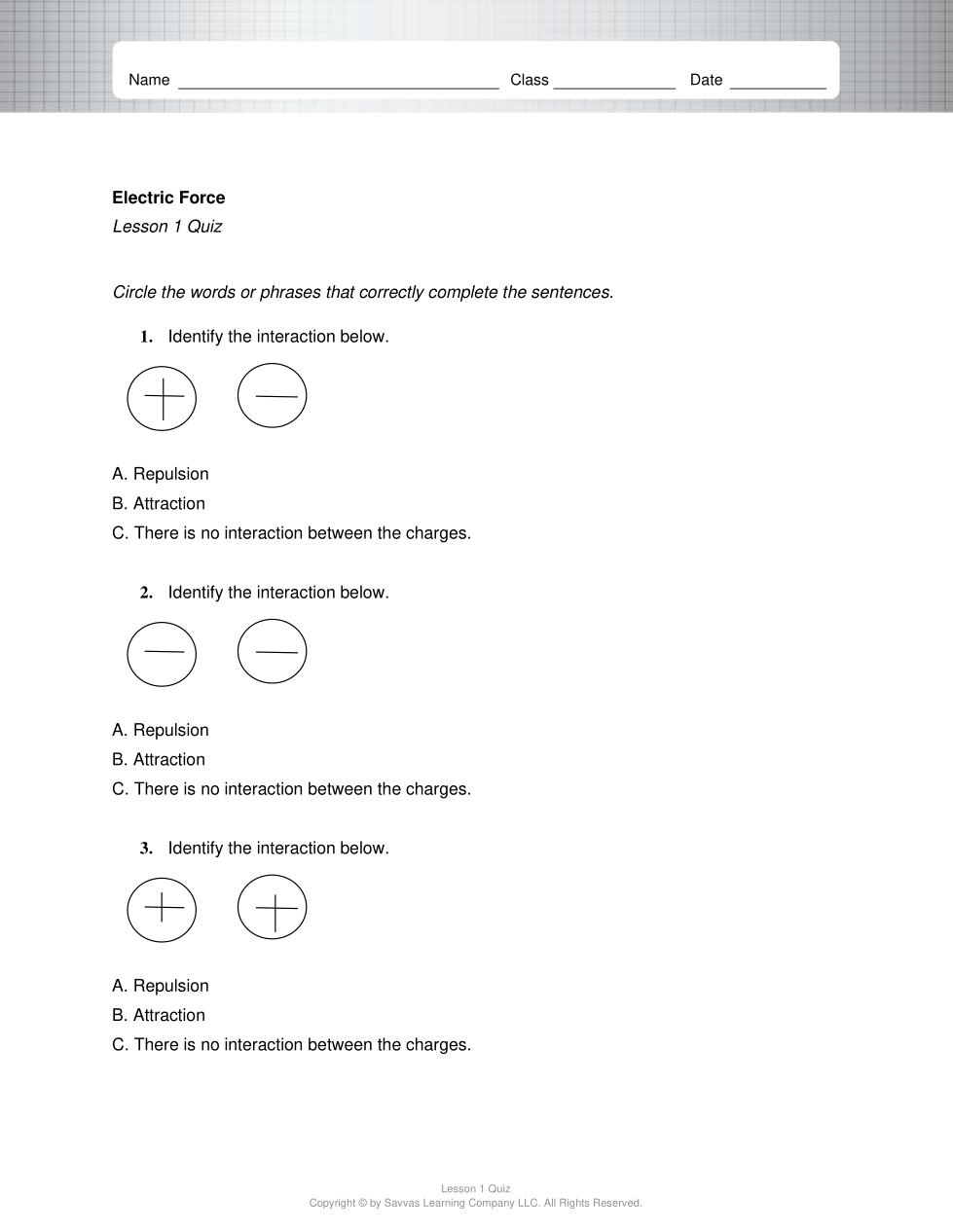
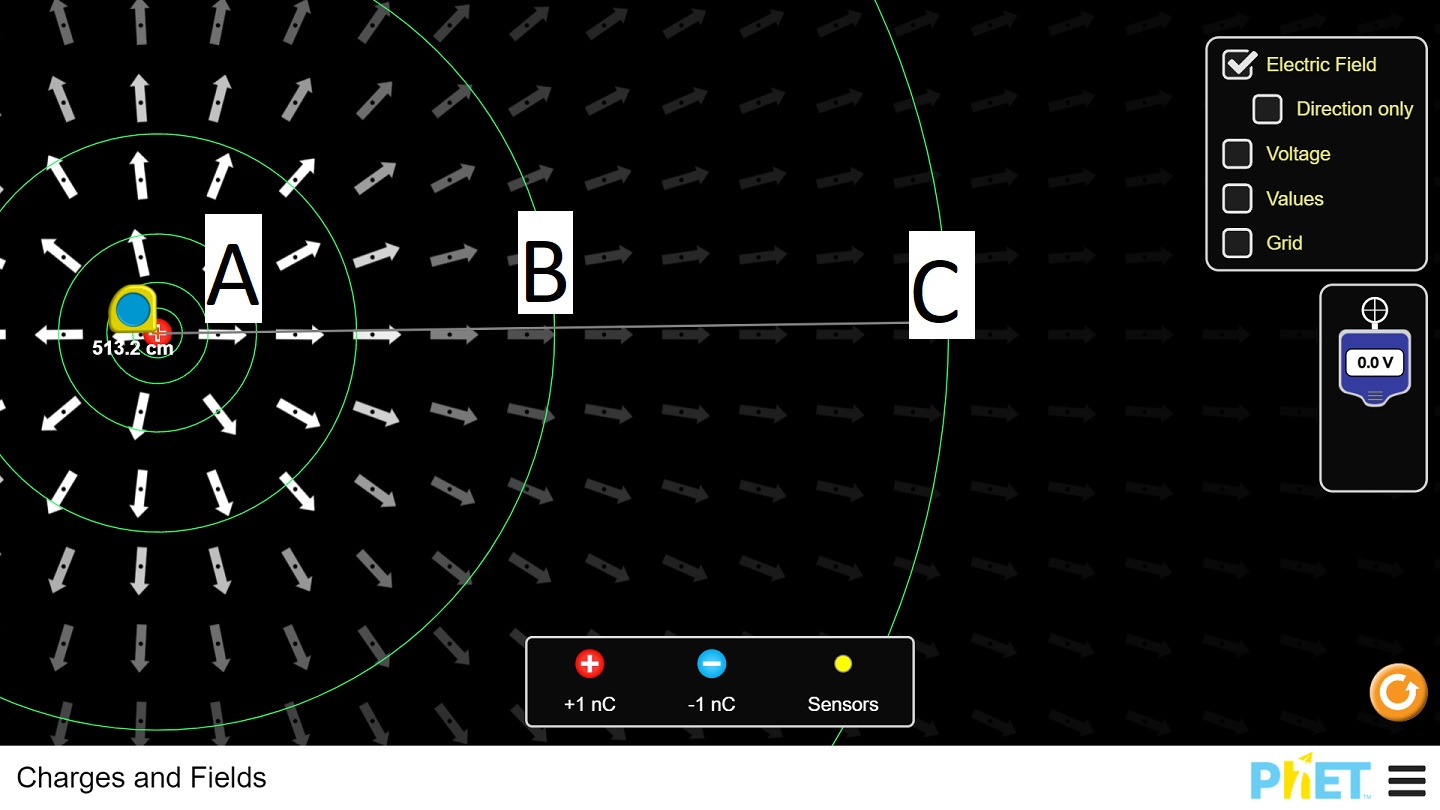

Choose the best word to fill in the blank.
Choose the best word to fill in the blank.
Use the picture above the page to answer the question.
Use the picture above the page to answer the question.