In summer squash, white fruit color is dominant and yellow is recessive. Do the following cross:
Parent 1, homozygous for white x Parent 2, homozygous yellow.
Show your work in the box provided. Predict the appearance of their offspring, the F1 generation.
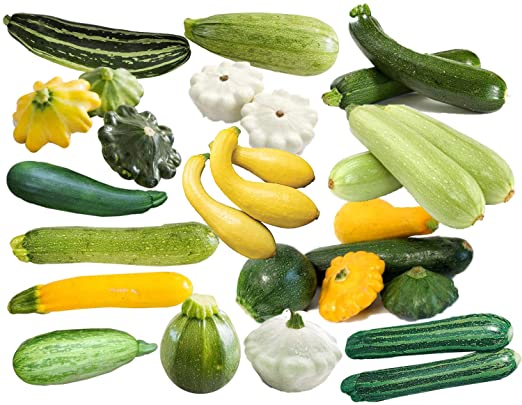
1 point
1
Question 2
2.
Use the information from question #1, and cross the two F1 individuals.
Show your work in the box provided. Predict the appearance of the F2 generation.
1 point
1
Question 3
3.
In summer squash, white fruit color is dominant and yellow is recessive. Predict the offspring of a cross between an F1 individual (hybrid) and a homozygous white individual. Show your work in the box provided.
1 point
1
Question 4
4.
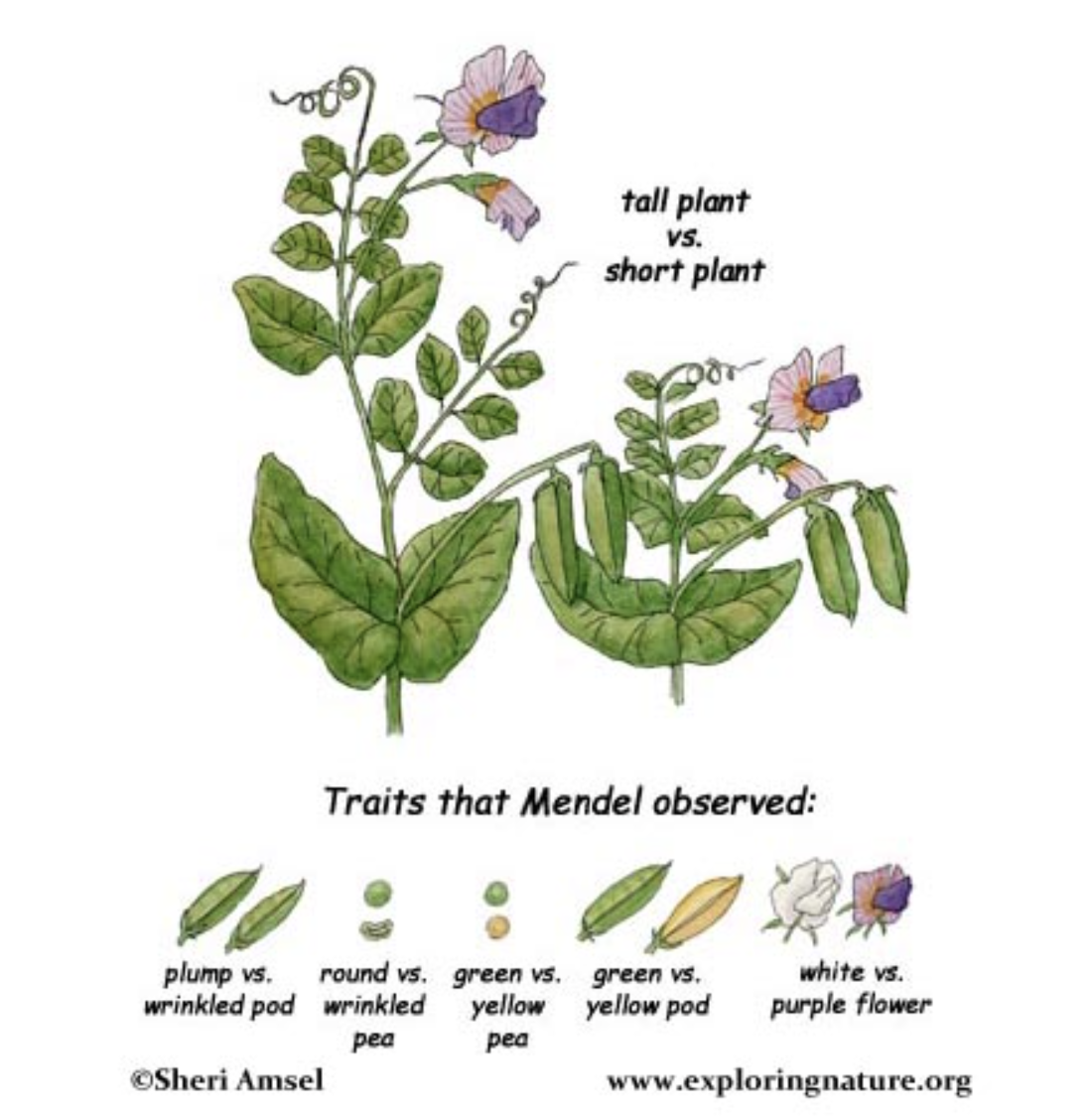
In garden peas, tall vine is dominant and short vine is recessive.
If a homozygous tall plant is crossed with a homozygous short plant, what genotypes are possible in the F1 generation?
Show your work.
1 point
1
Question 5
5.
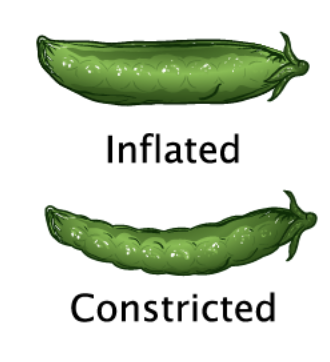
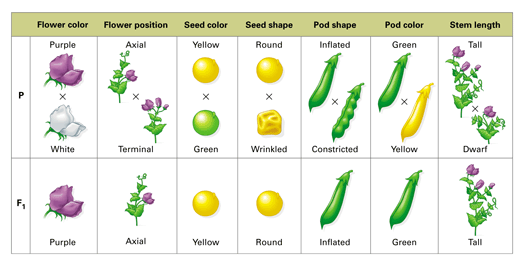
In garden peas, inflated pod (I) is dominant and constricted pod (i) is recessive.
If a plant homozygous for inflated pod is crossed with a plant homozygous for constricted pod, what ratio of phenotypes would you expect to find in the F2 generation?
(Hint: cross the parents, then cross their offspring)
1 point
1
Question 6
6.
In garden peas, inflated pod (I) is dominant and constricted pod (i) is recessive. If a plant homozygous for inflated pod is crossed with a plant homozygous for constricted pod, what ratio of genotypes would you expect to find in the F2 generation? (Hint: cross the parents, then cross their offspring)
1 point
1
Question 7
7.
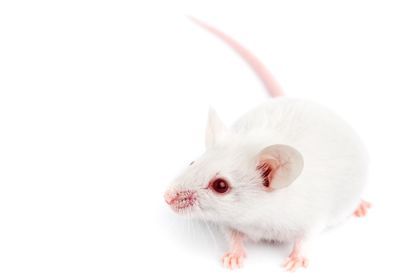
In laboratory mice, the normal gray color is dominant over the albino (all-white) color. Starting with a purebred albino and a purebred gray as parents, what is the ratio of phenotypes in the F2 generation? (Hint: cross the parents, then cross their offspring)
1 point
1
Question 8
8.
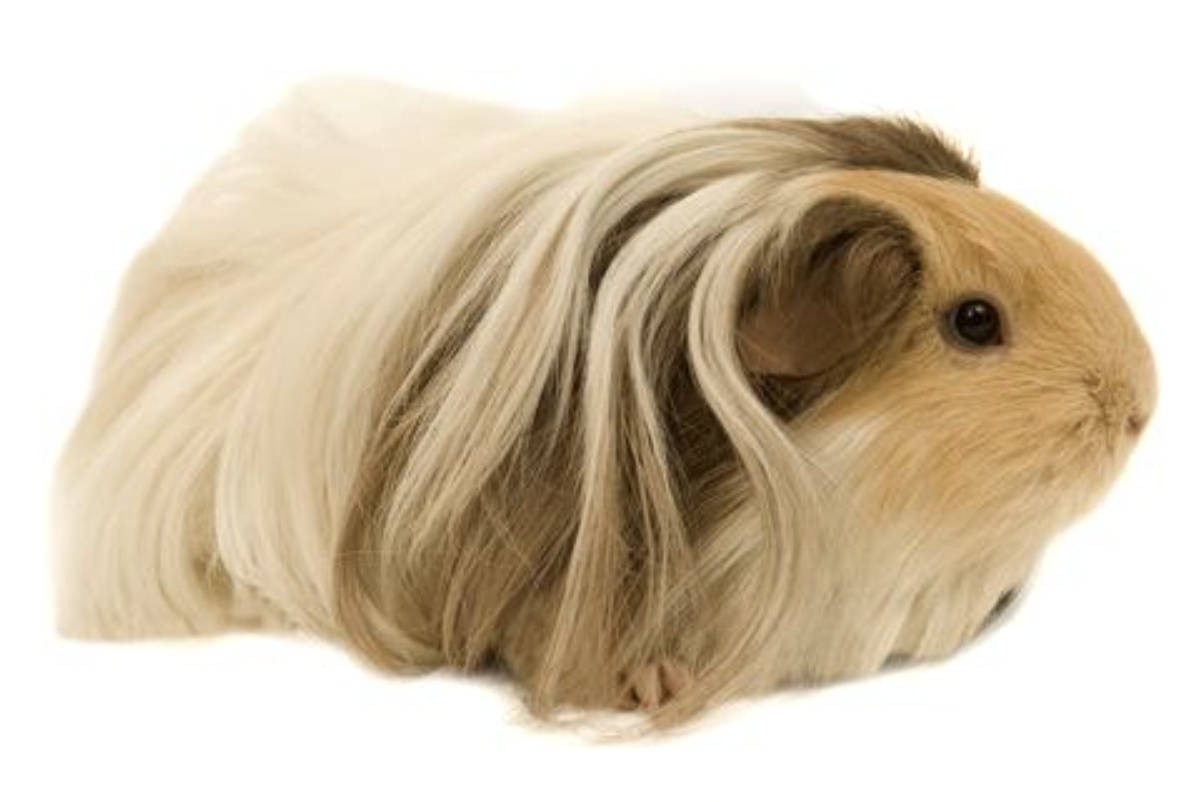
In guinea pigs, short hair is dominant and long hair is recessive. A short-haired male and a short-haired female produced mostly short-haired offspring, but a few were long-haired. Show how you can determine the genotypes of the parents.
1 point
1
Question 9
9.
Horns are recessive!!
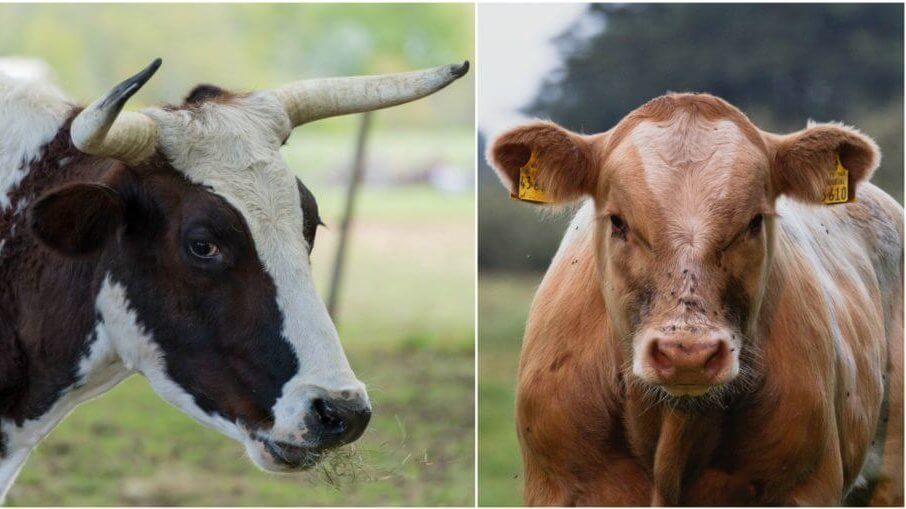
The hornless trait in cattle is dominant. Having horns is recessive. A certain hornless bull (male) is mated to three cows (females). Cow A, which is horned, gives birth to a hornless calf. Cow B, also horned, produces a horned calf. Cow C, which is hornless, produces a horned calf. Name the genotypes of all parents.
1 point
1
Question 10
10.
A pea plant that was homozygous for axial flowers (the dominant strain) was crossed with a plant that was homozygous for terminal flowers. What ratio of genotypes and phenotypes would you expect in the F2 generation?
1 point
1
Question 11
11.
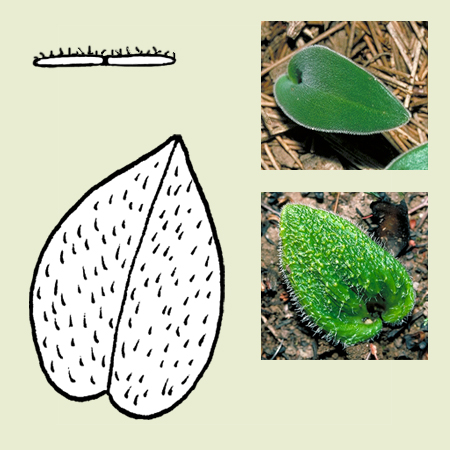
In a certain species of plant, one purebred variety has hairy leaves and another purebred variety has smooth leaves. The F1 generation showed all hairy leaves. Predict the ratio of the phenotypes in the F2 generation.
1 point
1
Question 12
12.
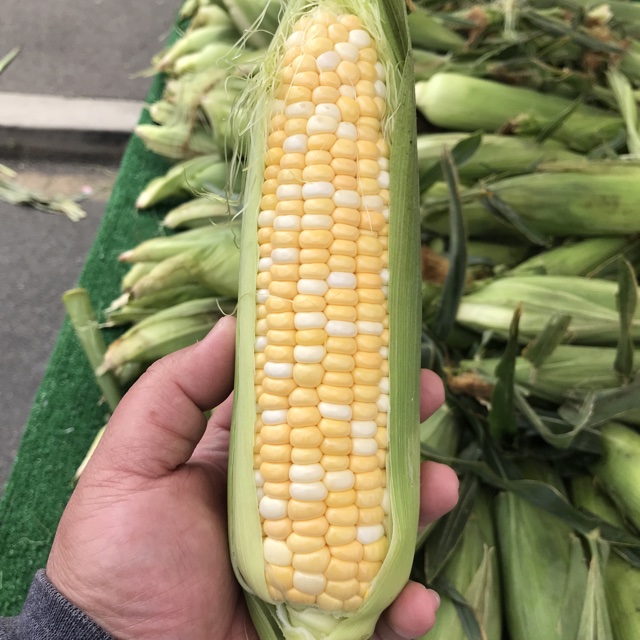
In corn, yellow seed color is dominant and white is recessive. A certain ear of corn had a mixture of yellow seeds and white seeds. What color seeds could the parents have grown from? (each kernel is a seed)
1 point
1
Question 13
13.
In a certain animal, a breed is known that always has a hairy tail; another breed is known that always has a naked tail. How would you determine which trait is dominant?
1 point
1
Question 14
14.
In poultry, rose comb is a dominant trait (R), single comb is recessive (r). A rose-combed male is mated with two rose-combed females. Female A produces 14 chicks, all rose-combed. Female B produces 9 chicks, 7 rose-combed and 2 single-combed. What are the genotypes of the three parent birds?
1 point
1
Question 15
15.
In dogs, wire hair is a dominant trait, smooth hair is recessive.
Two wire-haired dogs produce a male puppy that is wire-haired. To find out most quickly whether he carries the allele for smooth hair, he should be mated to what type of female?
1 point
1
Question 16
16.
In guinea pigs, the coat may be rough or smooth. Certain rough-coated guinea pigs, when crossed with smooth-coated ones, produce all rough-coated offspring. Other rough-coated guinea pigs, when crossed with smooth-coated ones, produce equal numbers of rough-coated and smooth-coated offspring. Smooth-coated guinea pigs crossed together always produce smooth-coated offspring. Explain these results. Write the genotypes for all the animals concerned in the crosses.