Unit 4 Review Questions
star
star
star
star
star
Last updated almost 4 years ago
17 Nsɛmmisa
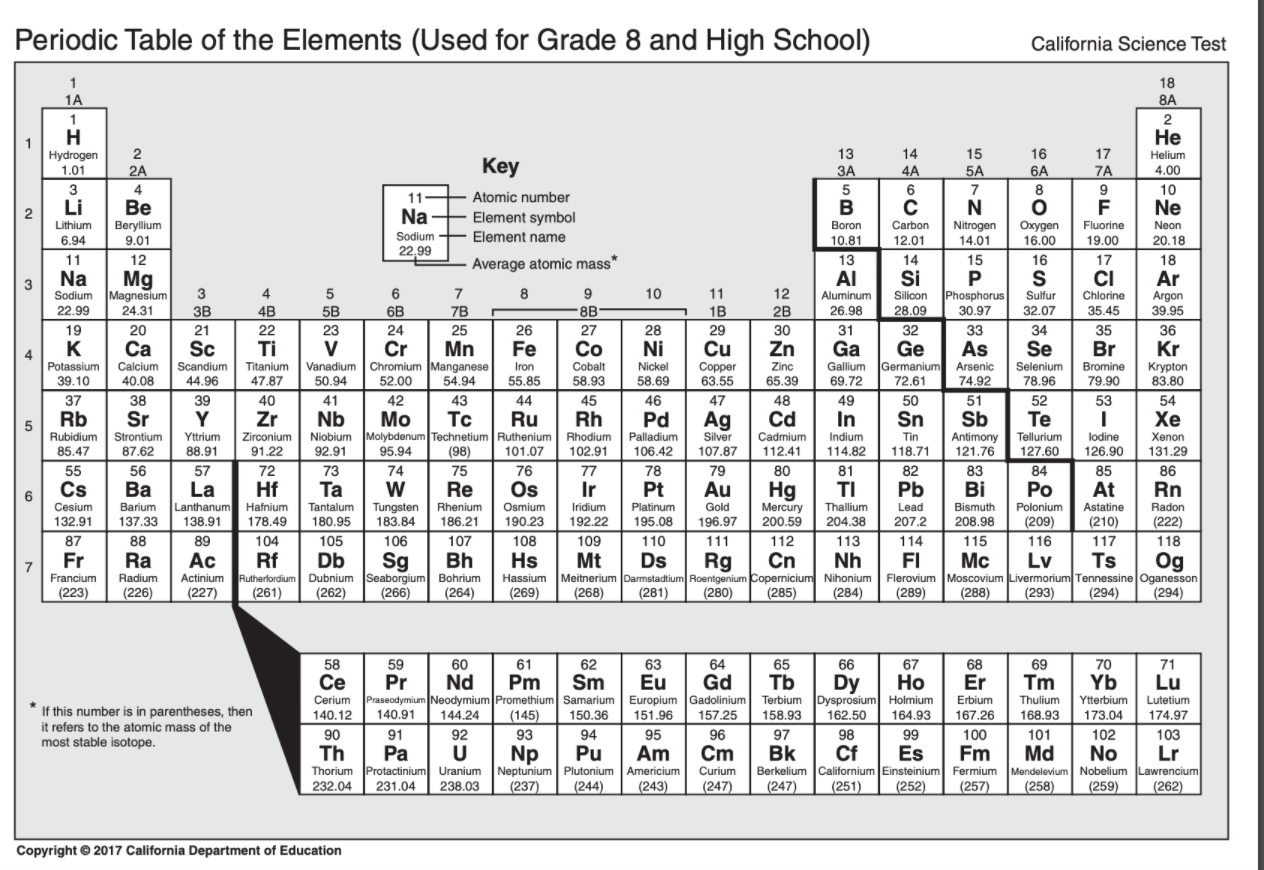
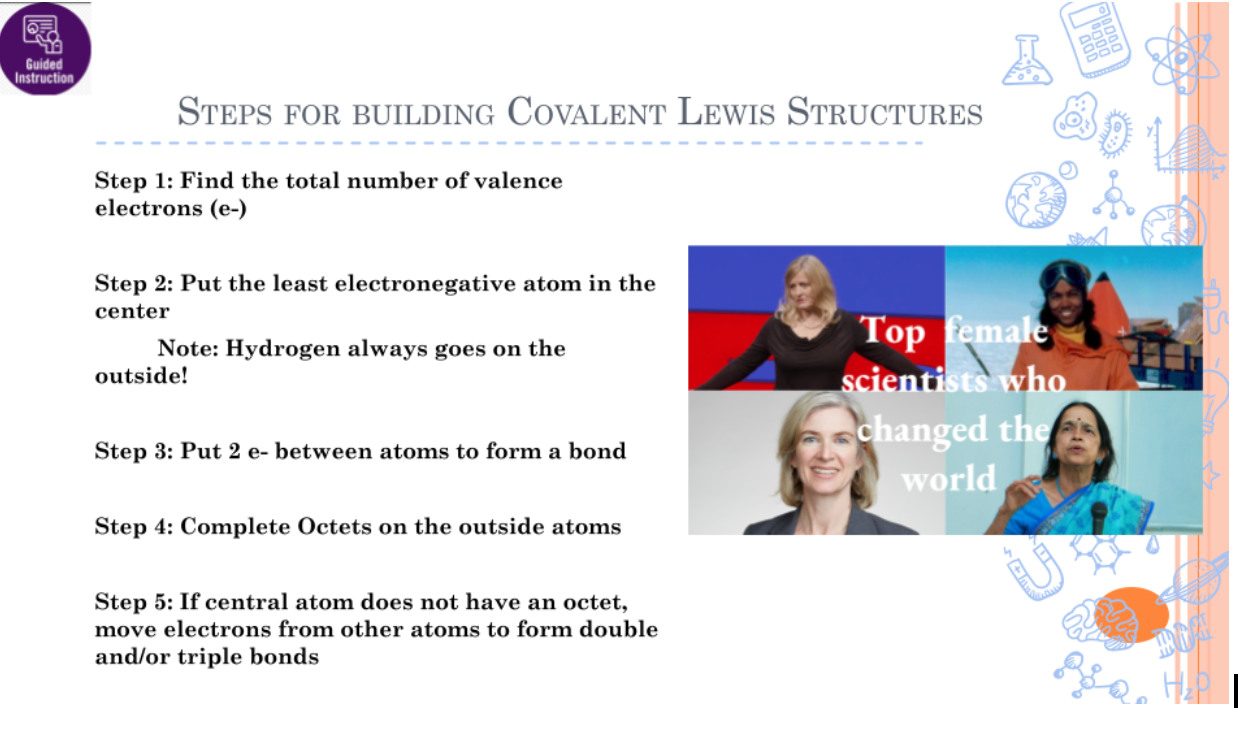
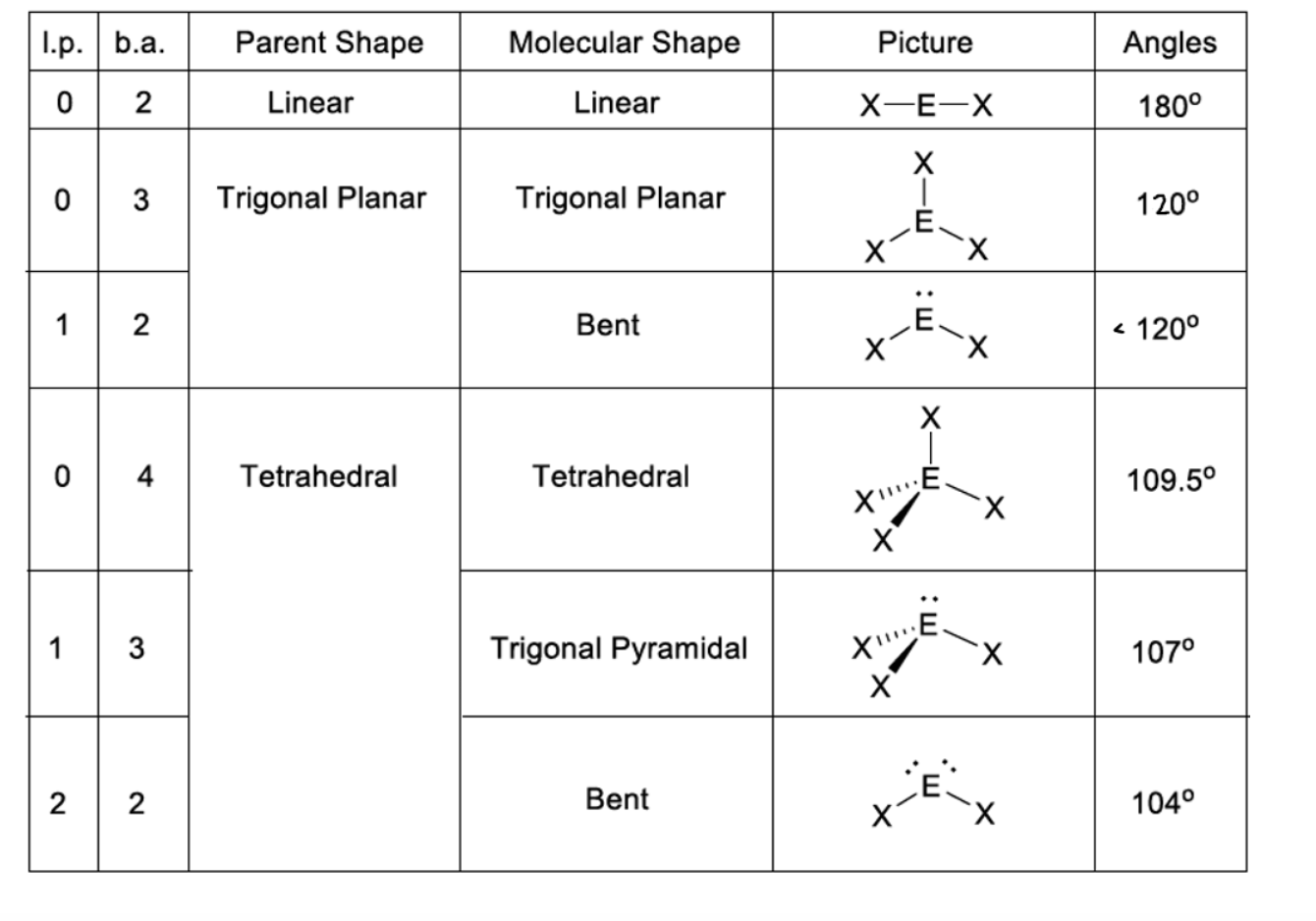
Use these following reference matrials to help you with the practice questions. You will be able to use these tools on your test.
You can use the Unit 4 Review Guide to help you study and answer the practice questions.
Remember to press submit to check your answers!
Which is true about bonding? Select all that apply
Which molecule has a trigonal pyramidal shape?
(Hint: Covalently bond the molecules using the 5 steps and then the VSEPR shape chart to figure this out)
Which is a nonpolar molecule?
(Hint: Covalently bond the molecules using the 5 steps and then the VSEPR shape chart to figure this out)
Is it possible for a molecule to have bond dipoles and still be considered nonpolar?
If a compound is ionic then...
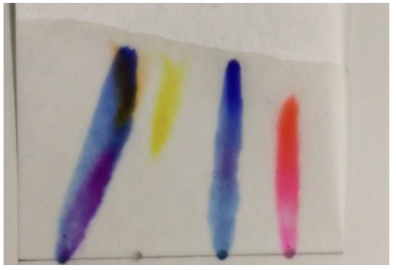
In the dye chromatography lab, the higher the dye traveled up the paper, the ___________________soluble the dye was with the _________________ phase.
The microscopic behaviors being investigated in this experiment are which shows .
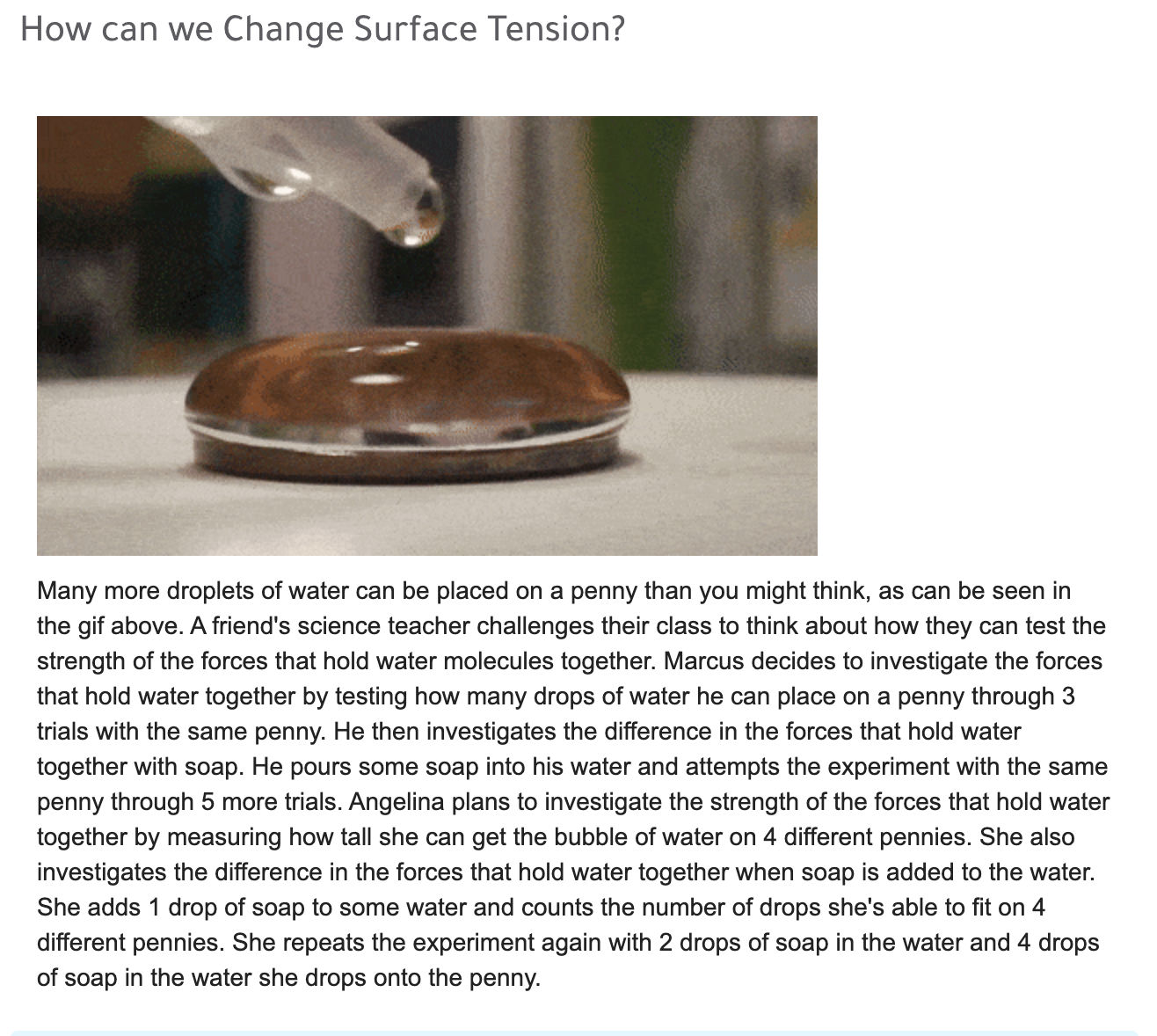
Draw a model of how you think the water molecules interact with the penny and with the soap. Will anything change once the soap is added? Why or why not?
You can just sketch the model or describe how'd they interact.
Which part of the investigation might be difficult to get a precise measurement?
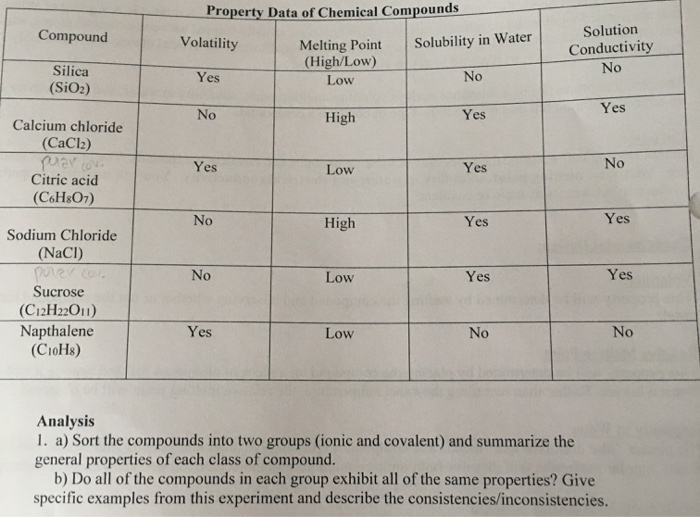
Note: Volatitity means the ability to vaporize or turn from a liquid into a gas.
How would you group these substances based on the property data given above?
Silica (sand)
Calcium chloride (road salt)
Citric acid (in fruit/sweet and sour foods)
Sodium chloride (table salt)
Sucrose (sugar)
Naphthalene (moth balls)
Ionic
Polar Covalent
Nonpolar Covalent
Based on your groupings for the question above, which compounds have the strongest forces of attraction with water, a polar molecule?
Select all that apply
The unique properties of substances can be explained by carefully looking at their
How many lone pairs are around the central atom for CO3?
How many double bonds are in CO3?
What is the molecular shape for CO3?
Which of the following are considered covalent compounds when they bond together?
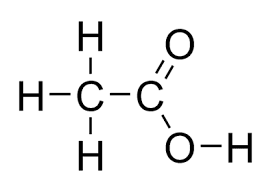
Is vinegar overall more polar or nonpolar? Explain your reasoning.