COPY (TEACHER USE) America on the Sidelines: Europe 1933-1941

Last updated almost 4 years ago
12 questions
Note from the author:
Causes of WW2 and U.S. response
Overview: This assignment highlights the major events in Asia and Europe from 1931-1941 that led to World War II. Major wars broke out in Europe, Africa and Asia during this period, but until the end of 1941, the United States was not directly involved in any conflict. The timeline below is designed to illustrate the U.S. response to crises in Europe and East Asia on the brink of World War II. Did the United States and Allies make the right decisions during the 1930’s? Was appeasement the best response?

Grading Criteria: out of 15 points total (formative)
  • How well you work with your team and collaborate
  • Use of prior knowledge to help inform your decisions
  • Thoughtfulness and detail of your answers
  • Completion of this in-class activity
European Theater of War: 1933-1941
Overview: The instability created in Europe by the First World War (1914-18) set the stage for another international conflict—World War II—which broke out two decades later and would prove even more devastating. Rising to power in an economically and politically unstable Germany, Adolf Hitler, leader of the Nazi Party, rearmed the nation and signed strategic treaties with Italy and Japan to further his ambitions of world domination. Hitler’s invasion of Poland in September 1939 drove Great Britain and France to declare war on Germany, marking the beginning of World War II. The participation of Italy in the Second World War was characterized by a complex framework of ideology, politics, and diplomacy, while its military actions were often heavily influenced by external factors. Italy joined the war as one of the Axis Powers in 1940, as the French Third Republic surrendered, with a plan to concentrate Italian forces on a major offensive against the British Empire in Africa and the Middle East, known as the "parallel war", while expecting the collapse of British forces in the European theatre. The Italians bombed Mandatory Palestine, invaded Egypt and occupied British Somaliland with initial success.

Directions: as a team, choose ONE of the response options that you think would best fit each event. How do you think the United States would have responded to this situation? Think back to what we learned about World War 1, the Treaty of Versailles and the Great Depression to inform your decisions
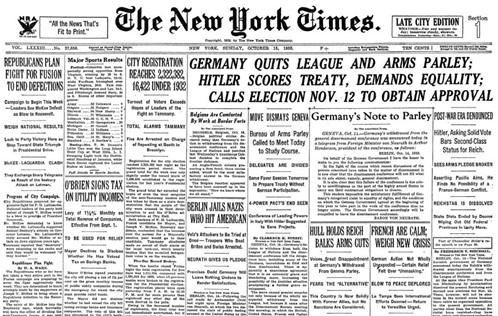
Germany Repudiates the Treaty of Versailles - May 17, 1933
In a speech to the Reichstag on 17 May 1933, Adolf Hitler denounced the Treaty of Versailles because, in part, it had imposed such large reparations payments as to leave Germany in economic shambles.

“It is not wise to deprive a people of the economic resources necessary for its existence without taking into consideration the fact that the population dependent on them are bound to the soil and will have to be fed. The idea that the economic extermination of a nation of sixty-five millions would be of service to other nations is absurd. Any people inclined to follow such a line of thought would, under the law of cause and effect, soon experience that the doom which they were preparing for another nation would swiftly overtake them."
Required
1

Which action should the United States take?

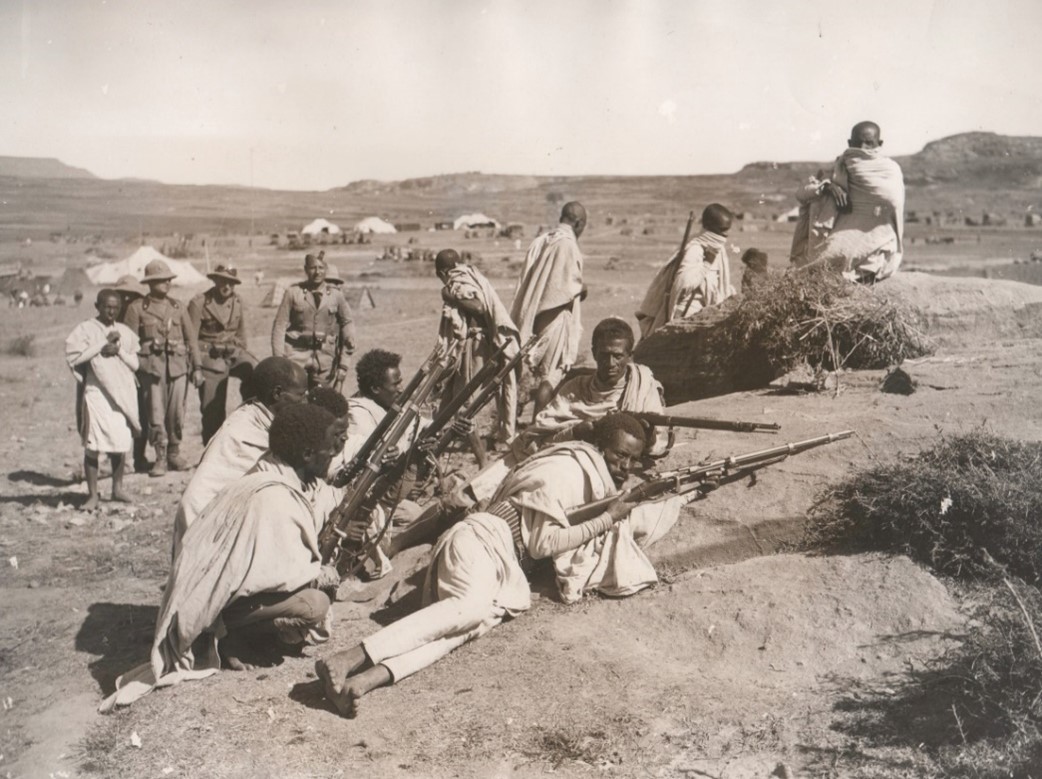
Italy Invades Ethopia October 1935:
Benito Mussolini, the Fascist leader of Italy, had adopted Adolf Hitler's plans to expand German territories by acquiring all territories it considered German. Mussolini followed this policy when he invaded Abyssinia (now Ethiopia) the African country situated on the horn of Africa. Mussolini claimed that his policies of expansion were not different from that of other colonial powers in Africa. The aim of invading Ethiopia was to boost Italian national prestige, which was wounded by Ethiopia's defeat of Italian forces at the Battle of Adowa in the nineteenth century (1896), which saved Ethiopia from Italian colonization. Another justification for the attack was an incident during December 1934, between Italian and Abyssinian troops at the Wal-Wal Oasis on the border between Abyssinian Somaliland, where 200 soldiers lost their lives.
Italian and Eritrean troops after the capture of Adigrat, 1935.
Required
1

Which action should the United States take?

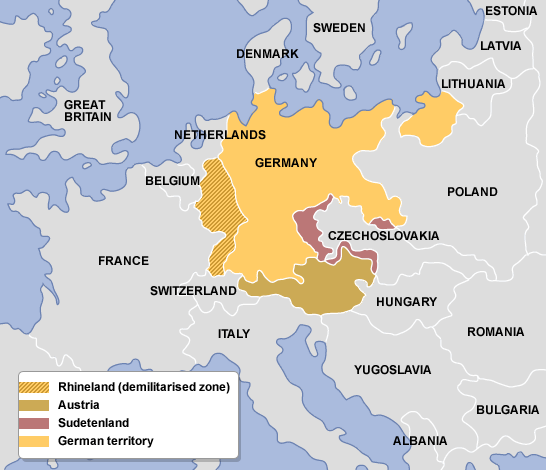
Germany Remilitarizes the Rhineland, March 7, 1936:
Adolf Hitler sent over 20,000 troops back into the Rhineland, an area that was supposed to remain a demilitarized zone according to the Treaty of Versailles. The area known as the Rhineland was a strip of German land that borders France, Belgium, and the Netherlands. This area was deemed a demilitarized zone to increase the security of France, Belgium, and the Netherlands against future German aggression after World War 1. This area of Germany was also important for coal, steel, and iron production. Back in 1935, Adolf Hitler took over control of the Saar region, which was also taken away from Germany in the Treaty of Versailles to reduce the industrial capabilities of Germany.
Required
1

Which action should the United States take?

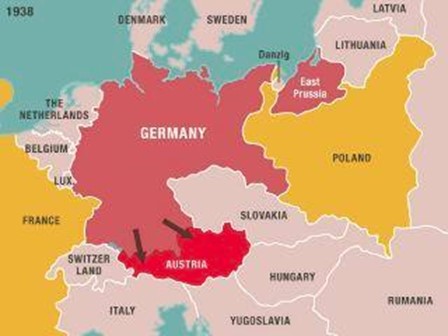
Germany Annexes Austria, March 12, 1938:
In early 1938, Austrian Nazis conspired for the second time in four years to seize the Austrian government by force and unite their nation with Nazi Germany. Austrian Chancellor Kurt von Schuschnigg, learning of the conspiracy, met with Nazi leader Adolf Hitler in the hopes of reasserting his country’s independence but was instead bullied into naming several top Austrian Nazis to his cabinet. On March 9, Schuschnigg called a national vote to resolve the question of Anschluss, or “annexation,” once and for all. Before the plebiscite [direct vote] could take place, however, Schuschnigg gave in to pressure from Hitler and resigned on March 11. In his resignation address, under coercion from the Nazis, he pleaded with Austrian forces not to resist a German “advance” into the country.
Required
1

Which action should the United States take?

Czech crisis and the Munich Conference, Sept 30, 1938:
The Munich Agreement was a settlement reached by Germany, Great Britain, France, and Italy that permitted German annexation of the Sudetenland, in western Czechoslovakia.
After his success in absorbing Austria into Germany proper in March 1938, Adolf Hitler looked covetously at Czechoslovakia, where about three million people in the Sudetenland were of German origin. In April he discussed with Wilhelm Keitel, the head of the German Armed Forces High Command, the political and military aspects of “Case Green,” the code name for the envisaged takeover of the Sudetenland. As Hitler continued to make inflammatory speeches demanding that Germans in Czechoslovakia be reunited with their homeland, war seemed imminent.
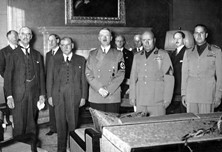
From left to right: Neville Chamberlain, Édouard Daladier, Adolf Hitler, and Benito Mussolini pictured before signing the Munich Agreement.
Required
1

Which action should the United States take?

Italy Invades Albania, April 1930:
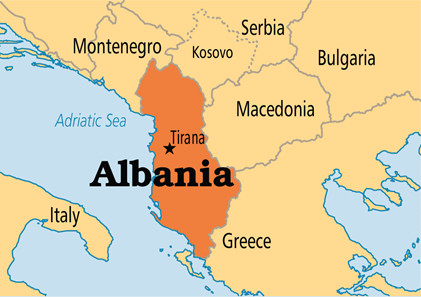
On 25 Mar 1939, Mussolini delivered an ultimatum to the Albanian capital of Tiranë, demanding Albanian to subject to Italian annexation. After King Zog's refusal, Italian warships bombarded the Albanian coast, followed by troop landings on 7 Apr 1939, Good Friday. The selection of the invasion date mirrored a strategy adopted by Hitler, who knew that British politicians were known to be unavailable on weekends and holidays, therefore making those days perfect for launching major initiatives; The British ruling class continued "to take its weekends in the country," criticized Winston Churchill, while "Hitler takes his countries in the weekends." Many of the initial Italian landers drowned in rough Albanian coastal waters, but Albanian resistance proved to be ineffective. King Zog and Queen Geraldine Apponyi, along with the infant Crown Prince Leka, fled to London via Greece. On 12 Apr, the Albanian parliament surrendered. Rather reluctantly, King Vittorio Emanuele III took the crown of Albania. "It was an infamous victory", wrote William Manchester. Mussolini installed Shefqet Verlaci as the head of the puppet government and absorbed the Albanian military under Italian leadership.
Required
1

Which action should the United States take?

Germany Invades Poland, Sep 1, 1939:
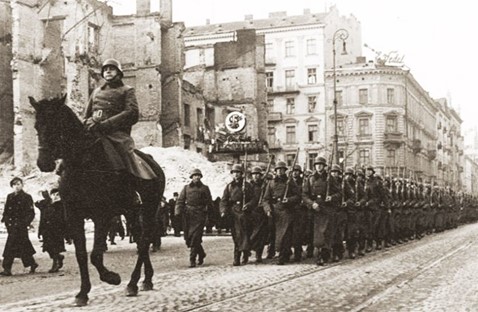
Germany invaded Poland to regain lost territory and ultimately rule their neighbor to the east and begin the process of Hitler's "Final Solution" [Holocaust]. The German invasion of Poland was a primer on how Hitler intended to wage war–what would become the “blitzkrieg” strategy.

Germany's blitzkrieg approach was characterized by extensive bombing early on to destroy the enemy’s air capacity, railroads, communication lines and munitions dumps, followed by a massive land invasion with overwhelming numbers of troops, tanks and artillery. After the German forces had plowed their way through, devastating a swath of territory, infantry moved in, picking off any remaining resistance. Poland fell to German authority within a month of the invasion.
German troops entering Warsaw after surrender of city in 1939.
Required
1

Which action should the United States take?

Germany invades Denmark and Norway, April 1940:
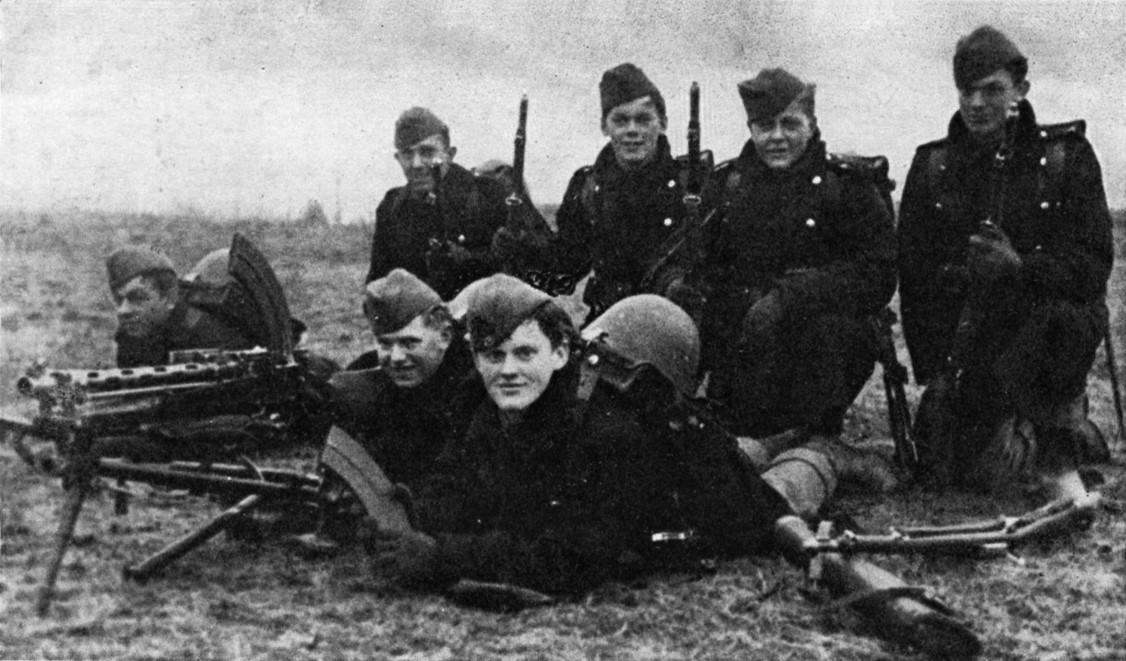
On April 9, 1940, German warships enter major Norwegian ports, from Narvik to Oslo, deploying thousands of German troops and occupying Norway. At the same time, German forces occupy Copenhagen, among other Danish cities.

German forces were able to slip through the mines Britain had laid around Norwegian ports because local garrisons were ordered to allow the Germans to land unopposed. The order came from a Norwegian commander loyal to Norway’s pro-fascist former foreign minister Vidkun Quisling. Hours after the invasion, the German minister in Oslo demanded Norway’s surrender. The Norwegian government refused, and the Germans responded with a parachute invasion and the establishment of a puppet regime led by Quisling (whose name would become a synonym for “traitor”). Norwegian forces refused to accept German rule in the guise of a Quisling government and continued to fight alongside British troops. But an accelerating German offensive in France led Britain to transfer thousand of soldiers from Norway to France, resulting ultimately in a German victory.
Danish troops at Bredevad on the morning of the German attack. Two of these soldiers were killed in action later that day.
Required
1

Which action should the United States take?

Start of the Blitz, Sep 1940:
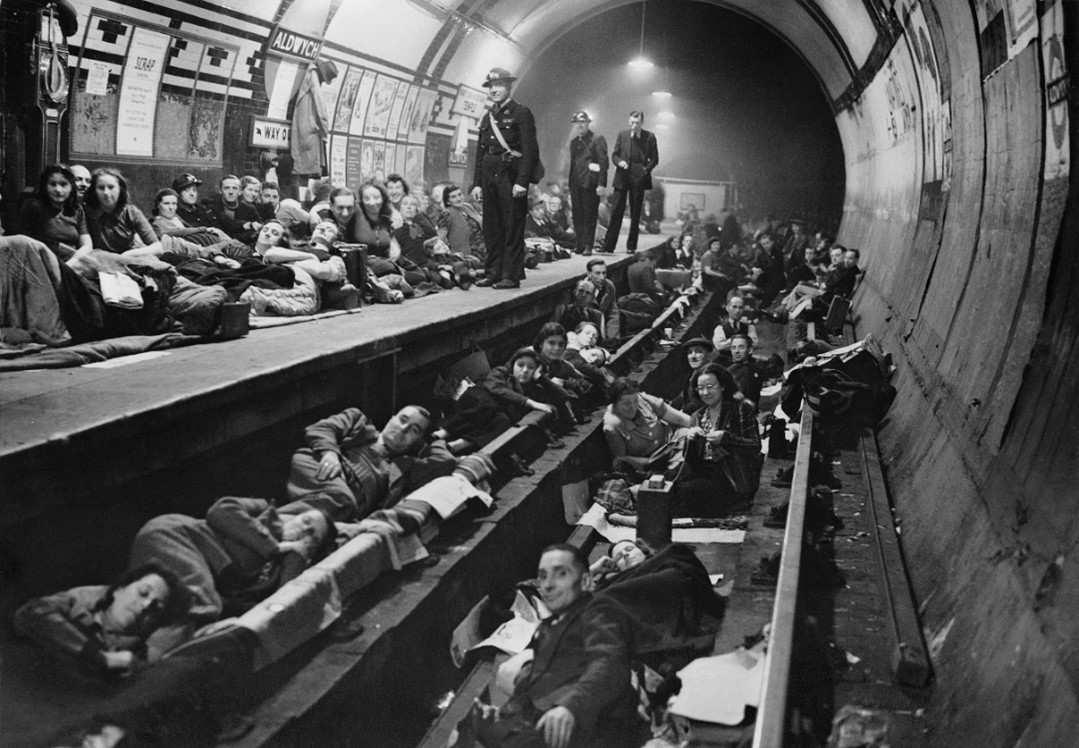
On September 7, 1940, 300 German bombers raid London, in the first of 57 consecutive nights of bombing. This bombing “blitzkrieg” (lightning war) would continue until May 1941.
After the successful occupation of France, it was only a matter of time before the Germans turned their sights across the Channel to England. Hitler wanted a submissive, neutralized Britain so that he could concentrate on his plans for the East, namely the land invasion of the Soviet Union, without interference. Since June, English vessels in the Channel had been attacked and aerial battles had been fought over Britain, as Germany attempted to wear down the Royal Air Force in anticipation of a land invasion. But with Germany failing to cripple Britain’s air power, especially in the Battle of Britain, Hitler changed strategies. A land invasion was now ruled out as unrealistic; instead Hitler chose sheer terror as his weapon of choice.
Aldwych tube station in London, England, being used as a bomb shelter in 1940.
Required
1

Which action should the United States take?

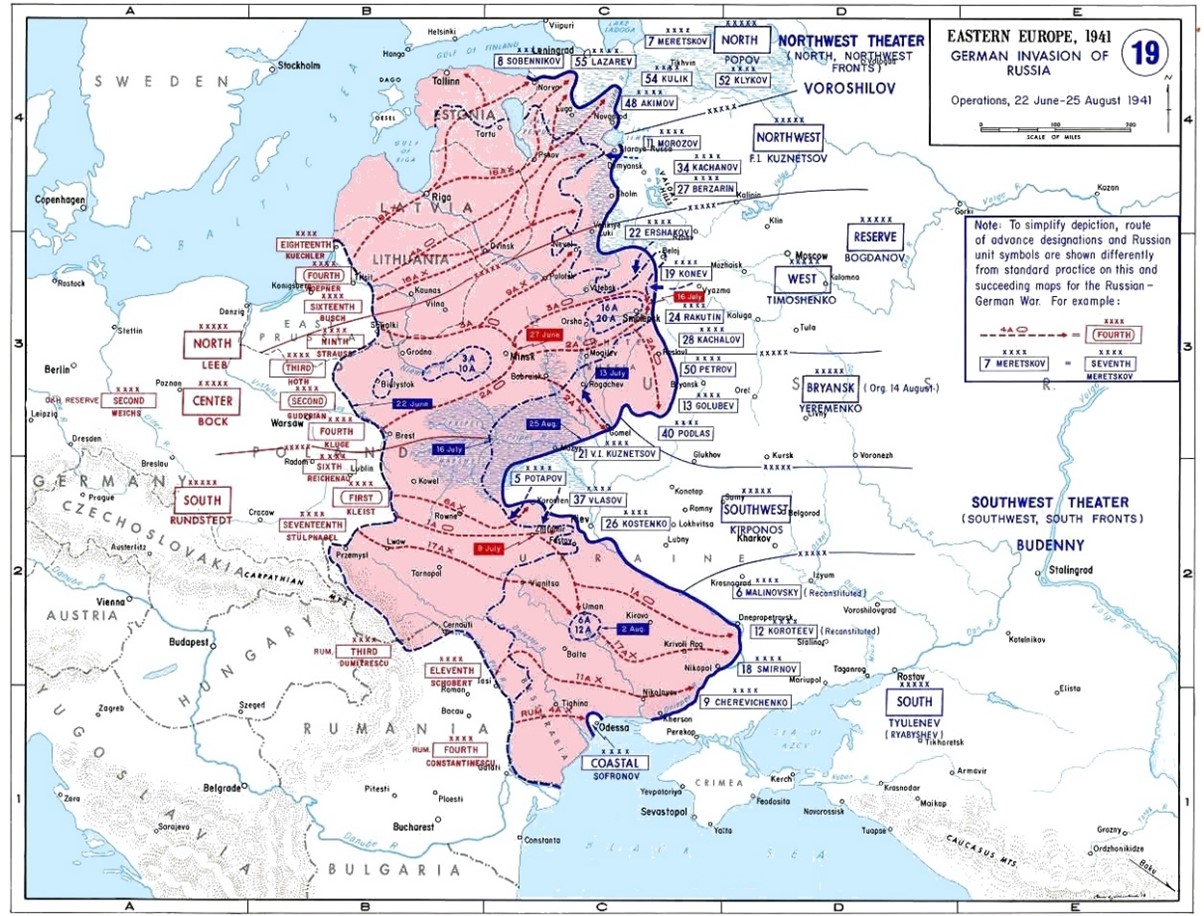
Germany invades Soviet Union, June 1941
On June 22, 1941, Nazi Germany launched a surprise attack against the Soviet Union, its ally in the war against Poland. By the end of the year, German troops had advanced hundreds of miles to the outskirts of Moscow. Soon after the invasion, mobile killing units began the mass murder of Soviet Jews. German military and civilian occupation policies led to the deaths of millions of Soviet prisoners of war and Soviet civilians.
Required
1

Which action should the United States take?

Kearny Incident, Oct 1941:
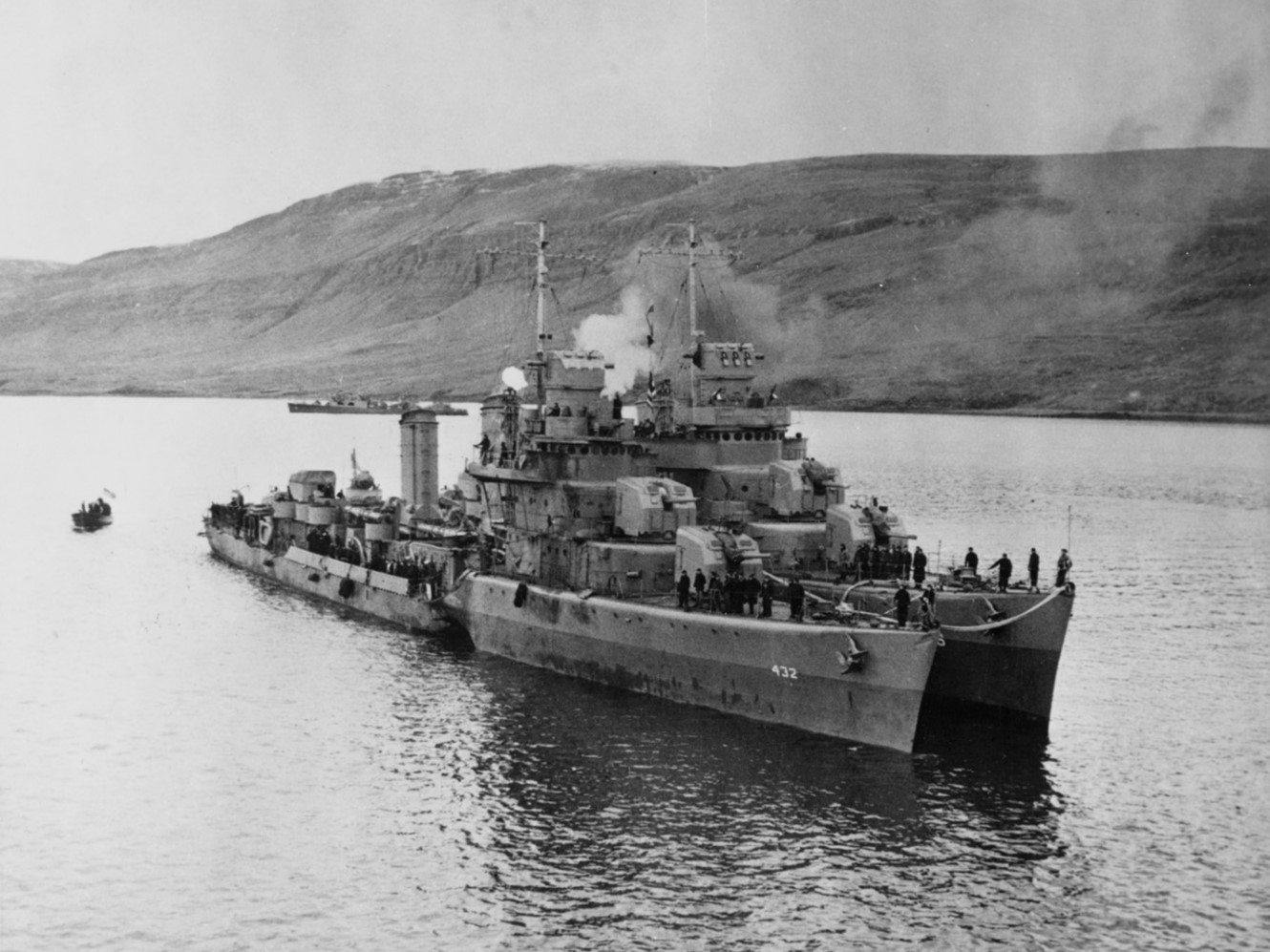
USS Kearny (DD-432), a Gleaves-class destroyer, was a United States Navy warship during World War II. She was noted for being torpedoed by a German U-boat in October 1941, before the U.S. had entered the war. She survived that attack, and later served in North Africa and the Mediterranean.

In the months leading up to the event, America, who had claimed neutrality, was growing more and more involved in the war. In March, the US initiated the Lend-Lease program, sending money, munitions, and food to Britain, China, and later the Soviet Union.

That spring, German U-boats stepped up their attacks in the Atlantic, threatening to interrupt the trans-Atlantic supply line.  The US was sending out “neutrality patrols,” which reported Axis ship and submarine sightings to the British and Canadian navies.  Starting in April, US Navy ships began escorting Allied convoys from Canada to the Mid-Atlantic Meeting Point where they met up with the Royal Navy to take them the rest of the way.
Kearny at Reykjavík [Iceland] alongside Monssen, after she had been torpedoed.
Note the hole in her starboard side.
Required
1

Which action should the United States take?

Required
4

If you were President of the United States or one of the Western European allied nations at that time, how would you have responded to German and Italian military and territorial expansion in the 1930s? Would you have chosen appeasement, like the United States did, or would you have taken action earlier? Perhaps, you wouldnt have taken any action at all. Explain your answer and provide at least three examples from the timeline to support your claim.