COPY (TEACHER USE) America on the Sidelines: Asia 1931-1941
star
star
star
star
star
Last updated almost 4 years ago
12 questions
Note from the author:
Causes of WW2 and U.S. response
Overview: This assignment highlights the major events in Asia and Europe from 1931-1941 that led to World War II. Major wars broke out in Europe, Africa and Asia during this period, but until the end of 1941, the United States was not directly involved in any conflict. The timeline below is designed to illustrate the U.S. response to crises in Europe and East Asia on the brink of World War II. Did the United States and Allies make the right decisions during the 1930’s? Was appeasement the best response?
Grading Criteria: out of 15 points total (formative)
- How well you work with your team and collaborate
- Use of prior knowledge to help inform your decisions
- Thoughtfulness and detail of your answers
- Completion of this in-class activity
Japan Invades Manchuria, Sep 1931
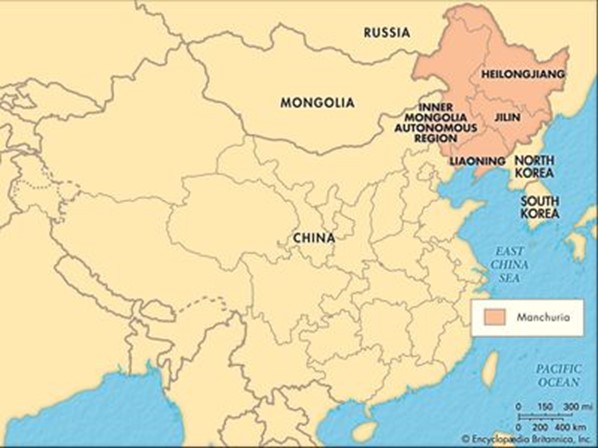
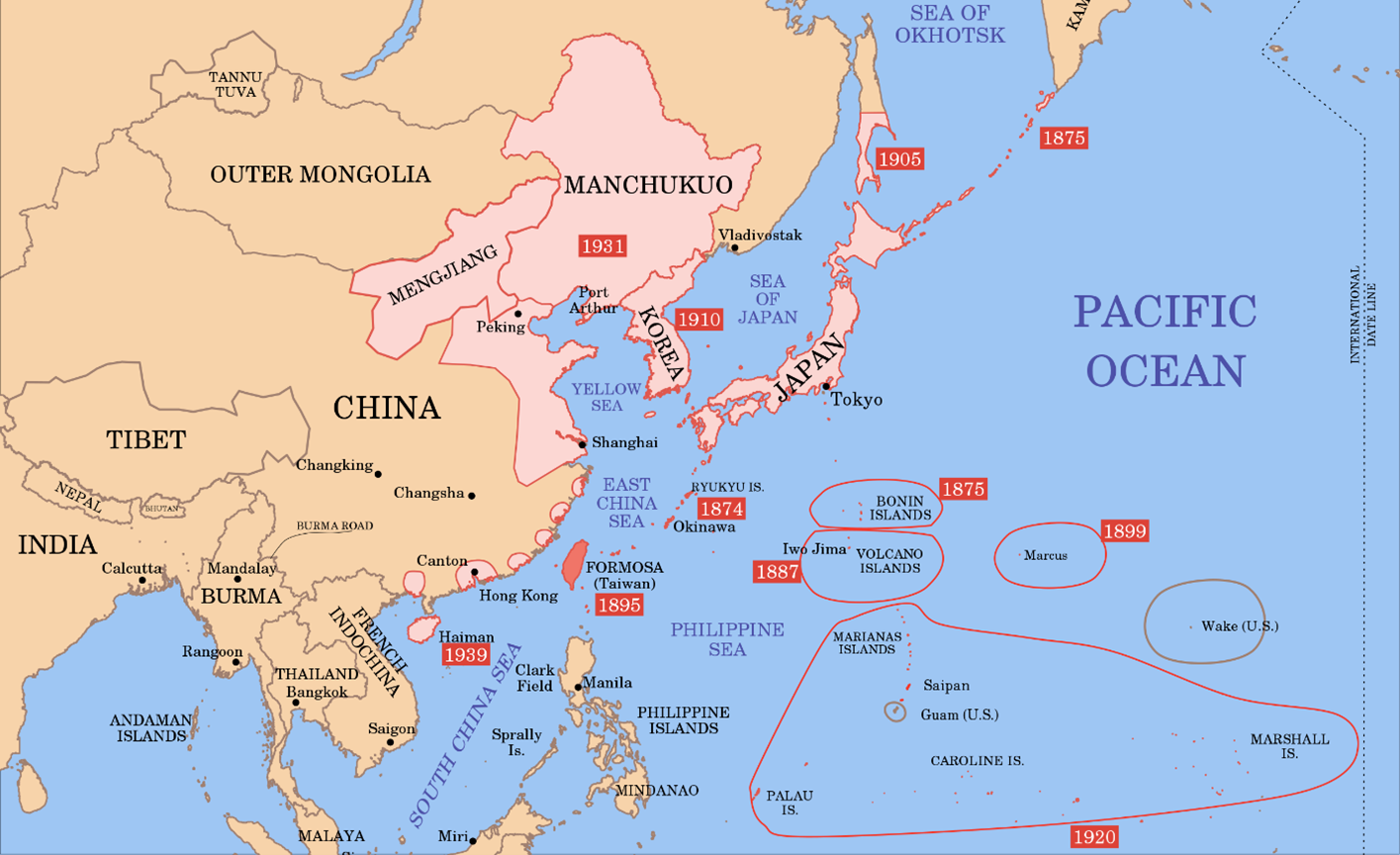
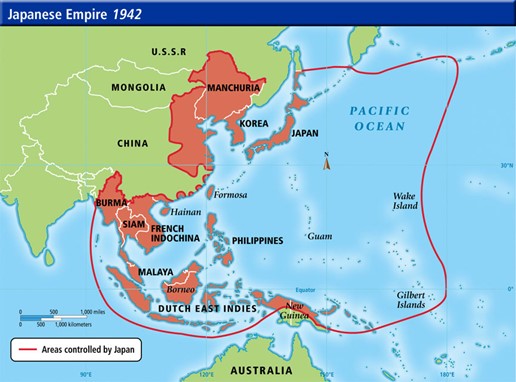
Seeking raw materials to fuel its growing industries, Japan invaded the Chinese province of Manchuria in 1931 and established the Japanese-dominated state of Manchukuo (Manzhouguo) in the area. Most observers believe the incident was contrived by the Japanese army, without authorization of the Japanese government, to justify the Japanese invasion and occupation that followed.
Required
1
Which action should the United States take?
Japan renounces Naval Treaty, Dec 1934
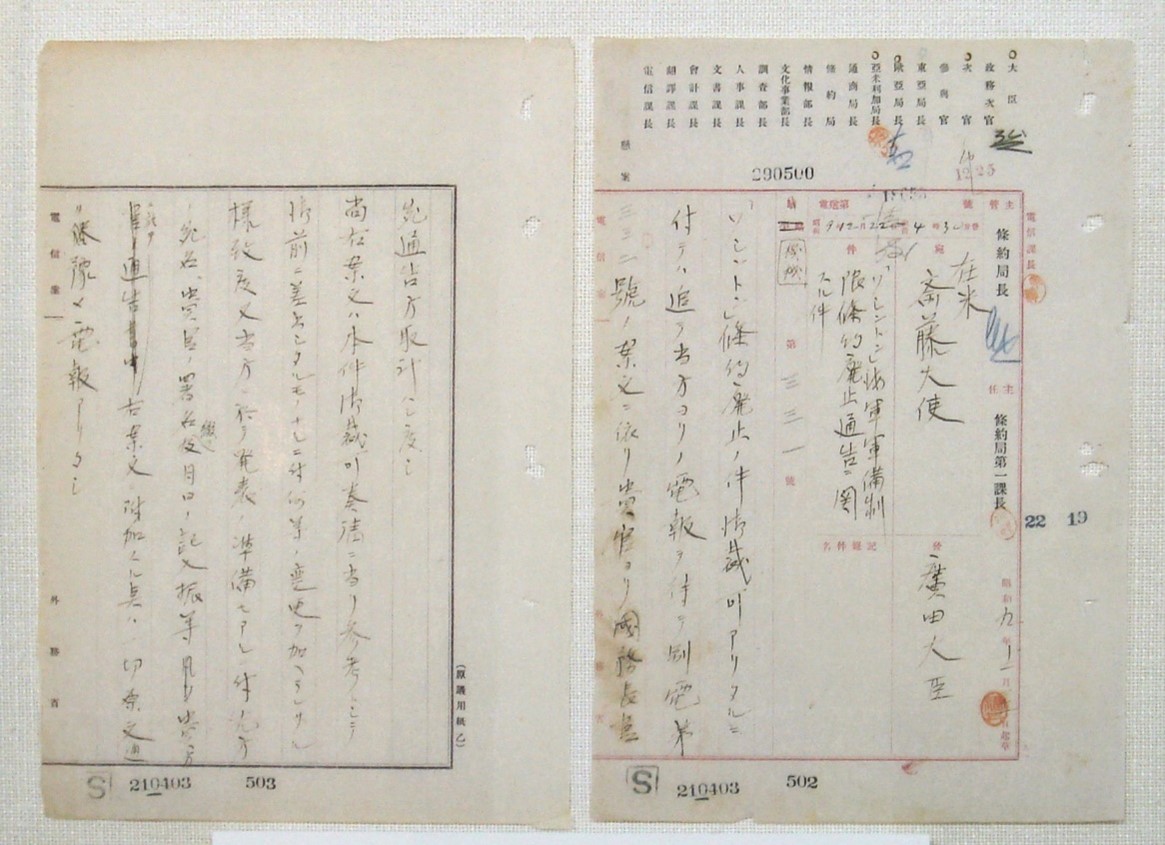
On 19 Dec 1934, Japan, pursuing her territorial expansions in Asia, openly refused to abide by the terms of the Washington Naval Treaty of 1922. While it was indeed limiting her expansion ambitions, it was more so a matter of national face. The Japanese Navy, increasingly controlled by the militaristic Fleet Faction, felt deeply offended that Japan was not viewed as being equals with other world powers such as United States and Britain. The treaty limited Japan to 315,000 in total tonnage of naval strength when the US and Britain were each given a limit of 525,000. The reasons were that the US had to protect two extended coastlines, and Britain had colonial responsibilities world-wide. Japan refused such reasoning, and refused to be treated as a second-rate power.
Required
1
Which action should the United States take?
Japan signs Anti-Comintern Pact, Nov 1936
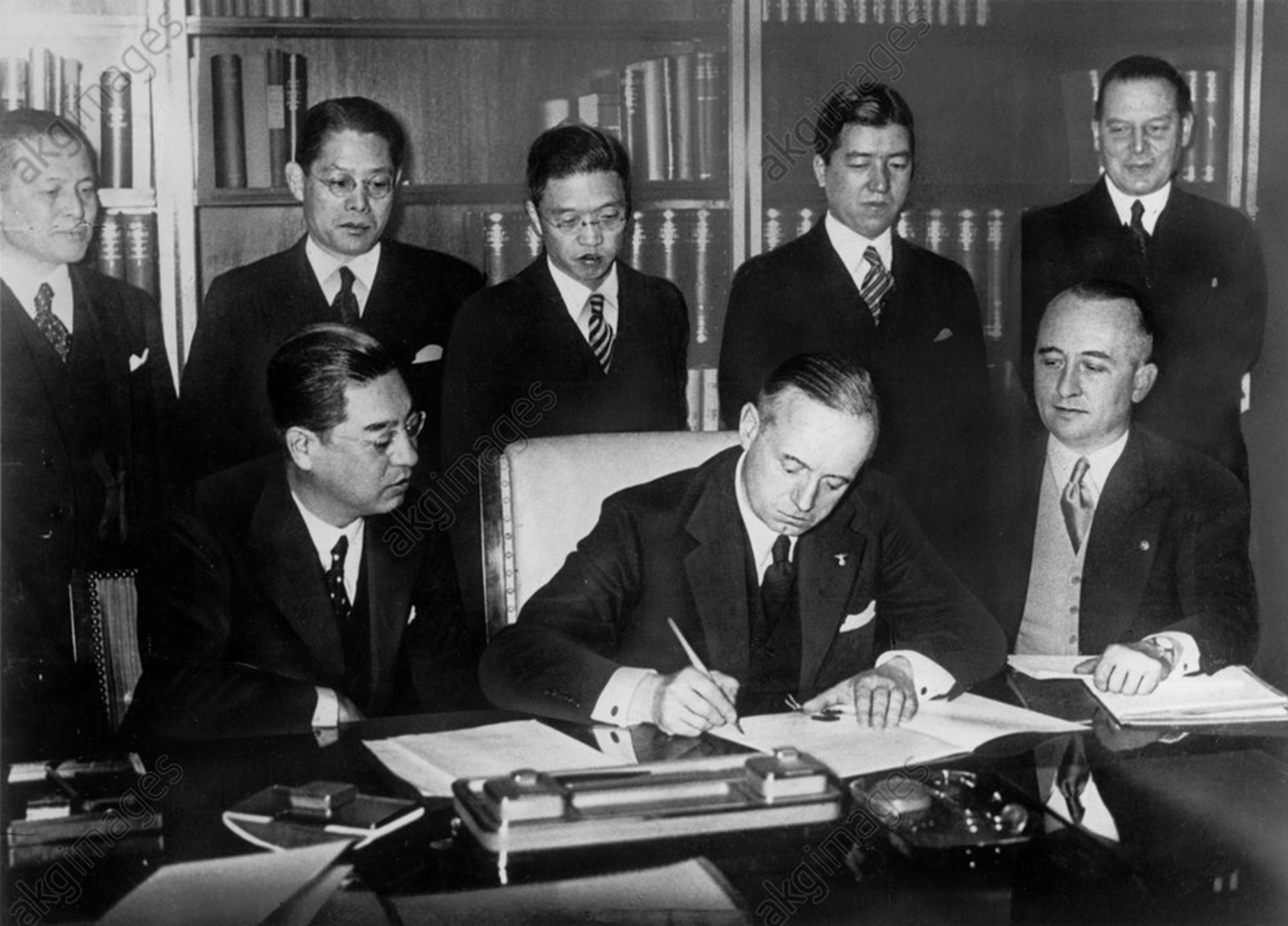
The Anti-Comintern Pact was an agreement concluded first between Germany and Japan (Nov. 25, 1936) and then between Italy, Germany, and Japan (Nov. 6, 1937), ostensibly directed against the Communist International (Comintern) but, by implication, specifically against the Soviet Union.
The treaties were sought by Adolf Hitler, who at the time was publicly protesting against Russian communism and who was interested in Japan’s successes in the opening war against China. The Japanese were angered by a Soviet-Chinese nonaggression treaty of August 1936 and by the subsequent sale of Soviet military aircraft and munitions to China. For propaganda purposes, Hitler and Benito Mussolini were able to present themselves as defenders of Western values against the threat of Soviet Communism.
Required
1
Which action should the United States take?
Japan Invades China, July 1937
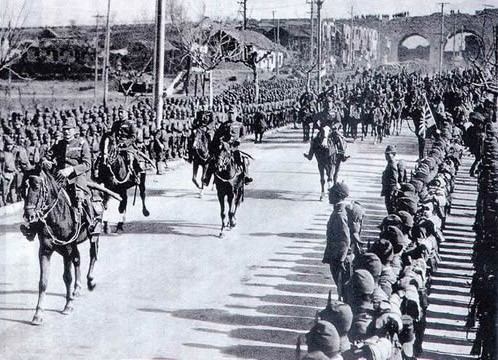
By July 1937 practically all Chinese regional military and political groups had rallied to support the Nationalist government and Chiang Kai-shek in their decision to oppose Japan by every means. The communists, who had urged a united front against Japan since 1935, pledged their support and put their armies nominally under command of the government. From a strictly military point of view, however, Japan was so much better prepared than China that its armies achieved rapid initial success. Within the course of two years Japan obtained possession of most of the ports, the majority of the chief cities as far west as Hankow (Hankou), and the larger part of the railways. Peiping and Tientsin (Tianjin) were occupied in July 1937. After fierce fighting, the Chinese armies were driven out of the Shanghai area by the middle of November 1937.
Required
1
Which action should the United States take?
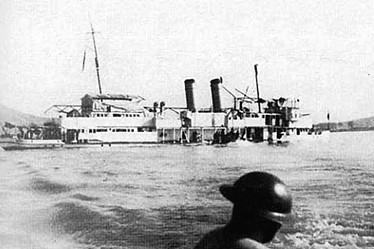
Panay Incident, Dec 11, 1937
On 11 December 1937, USS Panay (PR-5), a gunboat specifically constructed for duty with the Yangtze Patrol, was operating as a station ship at Nanking, China. She was clearly identified by large American flags painted on her superstructure. As Japanese forces assaulted Nanking, Panay took on board four Americans from the U.S. embassy, as well as a small group of American and foreign nationals evacuated from the city. Panay then moved upriver.
On 12 December, Panay was traveling in a convoy with three American Standard Oil vessels, Meiping, Meian, and Meihsia, when the Japanese army ordered operationally subordinate Japanese naval aircraft to attack “any and all ships” in the Yangtze River above Nanking. The Japanese navy requested verification of the order, which it received at 1327 that day.
Shortly after 1330, three Japanese bombers released bombs onto Panay and Meiping. Panay’s forward 3-inch gun was destroyed, the pilot house wrecked, radio equipment and fireroom disabled. Leaks developed in the hull and the commanding officer and a number of crewmembers and others onboard Panay were injured.
Required
1
Which action should the United States take?
Nanjing Massacre, Dec 1937
During the Japanese invasion of China, Nanking, the capital of China, falls to Japanese forces, and the Chinese government flees to Hankow, further inland along the Yangtze River.
To break the spirit of Chinese resistance, Japanese General Matsui Iwane ordered that the city of Nanking be destroyed. Much of the city was burned, and Japanese troops launched a campaign of atrocities against civilians. In what became known as the “Rape of Nanking,” the Japanese butchered an estimated 150,000 male “war prisoners,” massacred an additional 50,000 male civilians, and raped at least 20,000 women and girls of all ages, many of whom were mutilated or killed in the process.
Required
1
Which action should the United States take?
Japan Offensives in China, 1938-1940
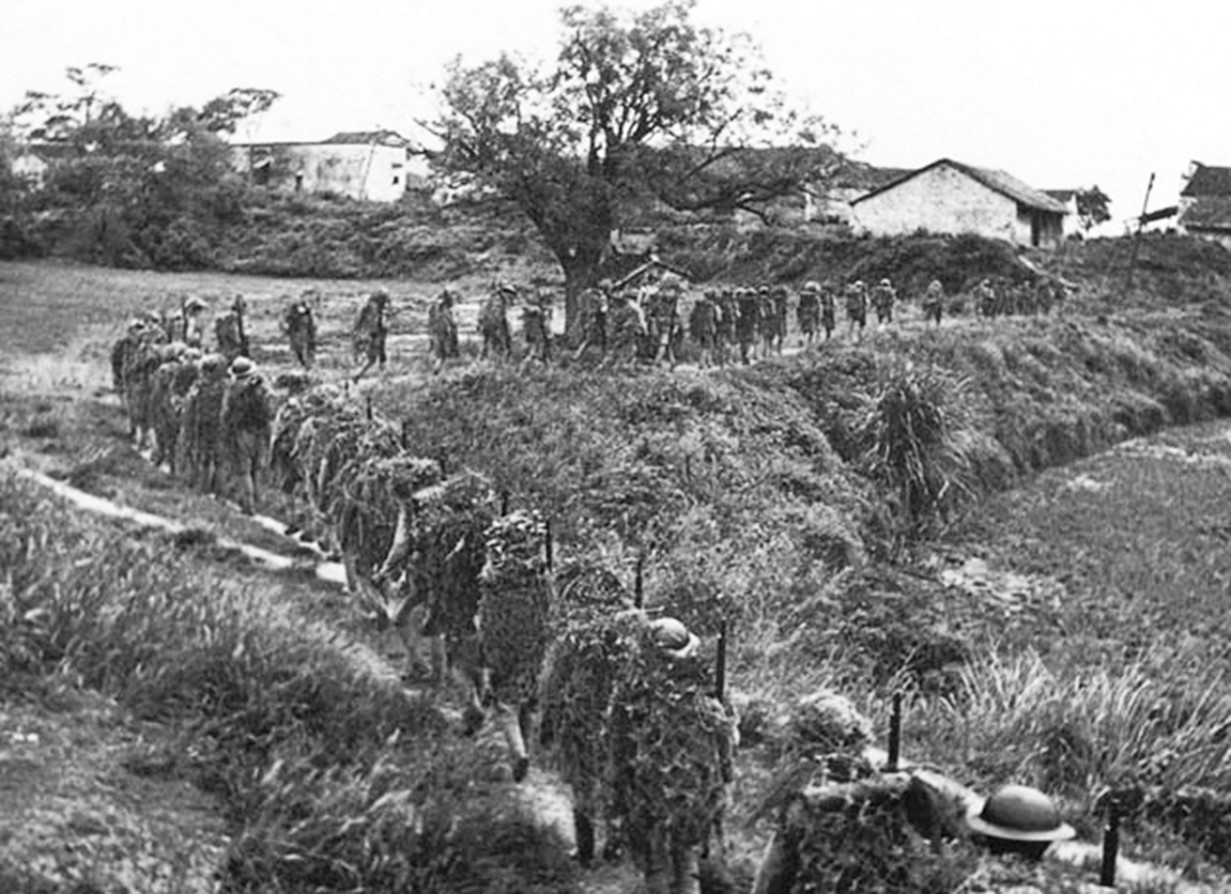
During this period, the main Chinese objective was to drag out the war for as long as possible in a war of attrition, thereby exhausting Japanese resources while building up Chinese military capacity. American general Joseph Stilwell called this strategy "winning by outlasting". The NRA adopted the concept of "magnetic warfare" to attract advancing Japanese troops to definite points where they were subjected to ambush, flanking attacks, and encirclements in major engagements. The most prominent example of this tactic was the successful defense of Changsha in 1939 (and again in 1941), in which heavy casualties were inflicted on the Imperial Japanese Army.
Local Chinese resistance forces, organized separately by both the communists and KMT, continued their resistance in occupied areas to pester the enemy and make their administration over the vast land area of China difficult. In 1940, the Chinese Red Army launched a major offensive in north China, destroying railways and a major coal mine. These constant harassment and sabotage operations deeply frustrated the Imperial Japanese Army and led them to employ the "Three Alls Policy" (kill all, loot all, burn all) It was during this period that the bulk of Japanese war crimes were committed.
Required
1
Which action should the United States take?
Japan Occupes French-Indochina, Sep 1940
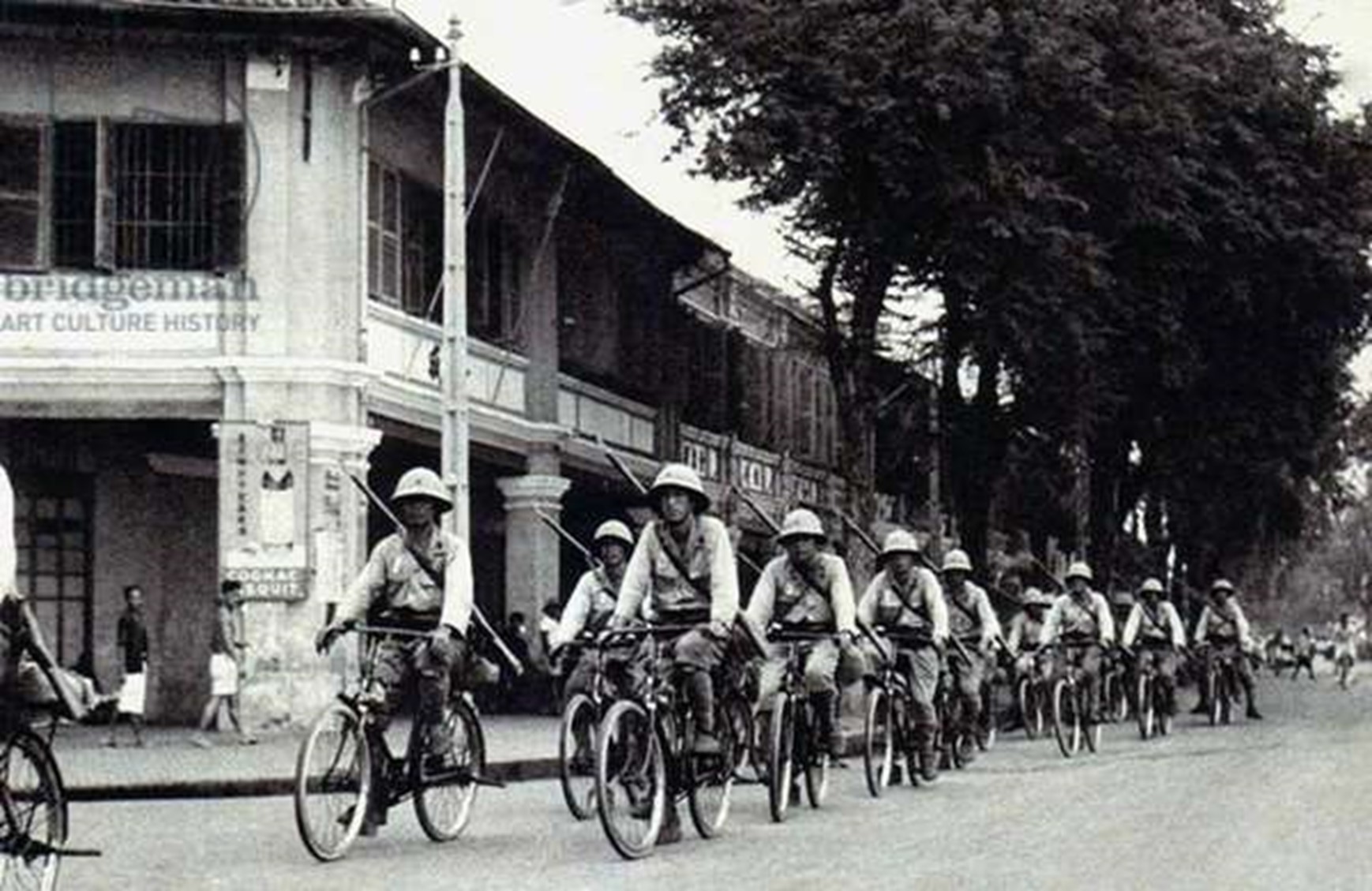
In September 1940, the Japanese occupied Vichy French Indochina (Vietnam, Laos, Camobdia once under French colonization) in order to prevent the Republic of China from importing arms and fuel through French Indochina along the Sino-Vietnamese Railway, from the port of Haiphong through Hanoi to Kunming in Yunnan. The fighting, which lasted several days before the French authorities reached an agreement with the Japanese, took place in the context of the ongoing Sino-Japanese War and World War II. Japan was able to occupy northern Indochina, tighten the blockade of China and make a continuation of the drawn-out Battle of South Guangxi unnecessary.
Required
1
Which action should the United States take?
Japan Proposes East Asia Settlements, Sep 1941
For months the U.S. and Japanese governments had been in talks to try to make peace agreements on the situation unfolding in East Asia. On September 6, 1941 the Japanese Ambassador handed to the Secretary of State a revised proposal. In that proposal it was stated that: Japan would not make any military advance from French Indochina against any adjoining areas, and likewise would not, "without any justifiable reason", resort to military action against any regions lying south of Japan. Japan would "endeavor to bring about the rehabilitation of general and normal relationship between Japan and China, upon the realization of which Japan is ready to withdraw its armed forces from China as soon as possible in accordance with the agreements between Japan and China". The economic activities of the United States in China would "not be restricted so long as pursued on an equitable basis". Japanese activities in the southwestern Pacific area would be carried on by peaceful means and in accordance with the principle of non-discrimination in international commerce, and Japan would cooperate in the production and procurement by the United States of needed natural resources in the said area. (etc.)
Required
1
Which action should the United States take?
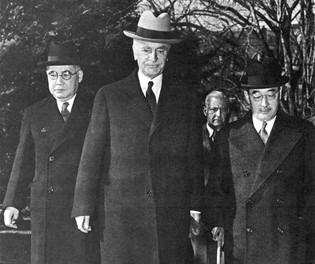
Japan Proposes Modus Vivendi, Nov 1941
On November 20, 1941, Ambassador Kichisaburo Nomura presented Proposal B, known as “modus vivendi” or "coexist peacefully" which offered to withdraw Japanese forces from southern Indochina if the United States agreed to end aid to the Nationalist Chinese, freeze military deployments in Southeast Asia (except for Japan's reinforcement of northern Indochina), provide Japan with "a required quantity of oil," and assist Japan in acquiring materials from the Dutch East Indies. The United States was about to make a counteroffer to this plan, which included a monthly supply of fuel for civilian use. However, President Franklin D. Roosevelt received a leak of Japan's war plan and news that Japanese troopships were on their way to Indochina. He then decided that the Japanese were not being sincere in their negotiations and instructed Secretary Hull to drop the counterproposal.
Required
1
Which action should the United States take?
Japan attacks Pearl Harbor, Dec 7 1941
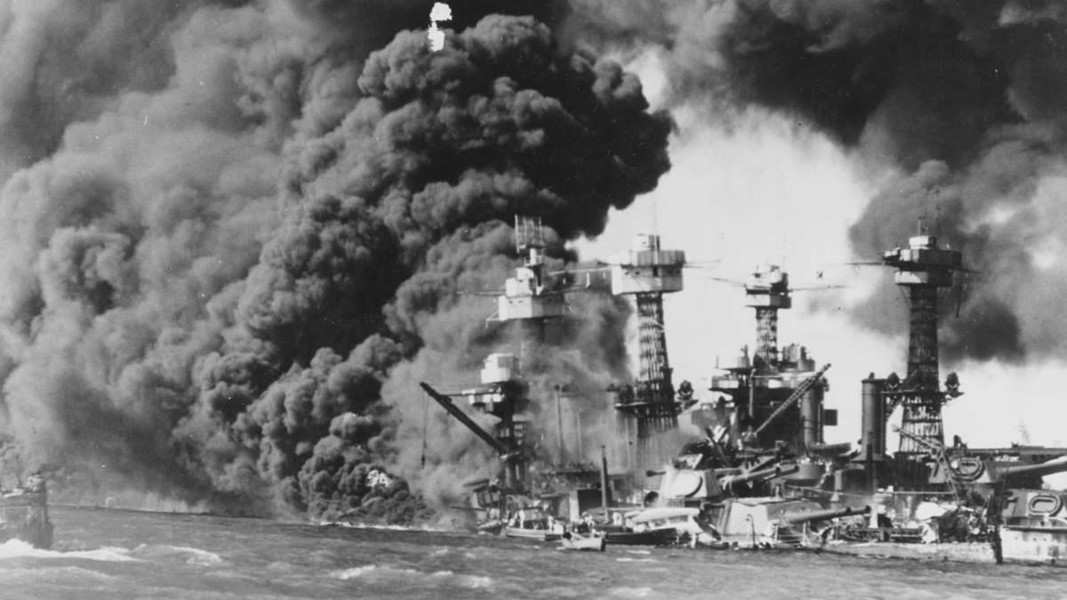
Japan had warned the United States that an attack was imminent, however, officials were uncertain of where the attack would take place nor when. Pearl Harbor is a U.S. naval base near Honolulu, Hawaii, that was the scene of a devastating "surprise" attack by Japanese forces on December 7, 1941. Just before 8 a.m. on that Sunday morning, hundreds of Japanese fighter planes descended on the base, where they managed to destroy or damage nearly 20 American naval vessels, including eight battleships, and over 300 airplanes. More than 2,400 Americans died in the attack, including civilians, and another 1,000 people were wounded.
Required
1
Which action should the United States take?
Required
4
If you were President of the United States or one of the Western European allied nations at that time, how would you have responded to Japan's military and territorial expansion in the 1930s? Would you have chosen appeasement, like the United States did, or would you have taken action earlier? Perhaps, you wouldnt have taken any action at all. Explain your answer and provide at least three examples from the timeline to support your claim.