Air Pressure and Weather
star
star
star
star
star
Last updated over 4 years ago
27 Nsɛmmisa
1
6
1
0
1
1
1
1
1
1
1
1
Our big question today is:
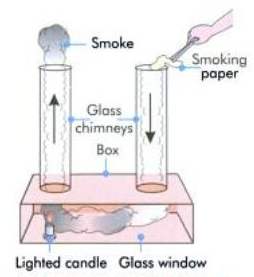
Convection Tube Lab
Air Movement Demonstration
What do you think causes wind?
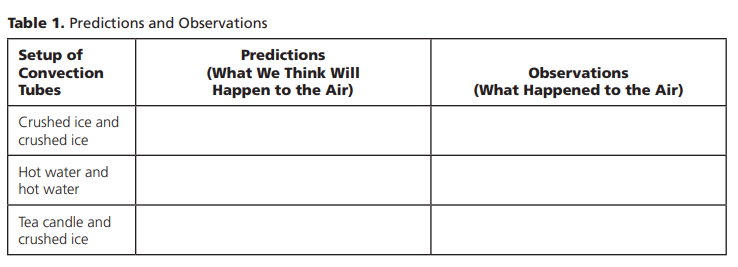
Predict: What do you think will happen to air in convection tubes when there is ice on both sides?
Observe: What happens to air in the convection tubes when there is ice on both sides?
Draw your observations on the diagram below.
Summarize: What did you learn about the way that air moves in today's lab?
Our big question today is:
Welcome!
Air Pressure Demo
Google Form Review
Using only the letters from the words "AIR PRESSURE", how many words can you make? Write them below.
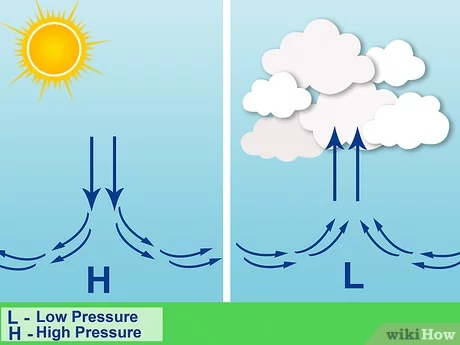
Label the areas of high pressure and low pressure. Use arrows to show the direction that the air is moving. If you missed the live demonstration in class, you may watch what happened here:
https://www.youtube.com/watch?v=xg5NiOwf_Zw

You may retake the Google Form unitl you have a 100%! Please write your final score below:)
Our big question today is:
Weather Terms Review
Air Pressure and Weather
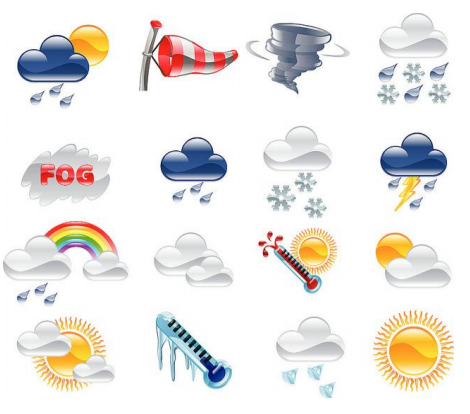
Match the picture and definition to the correct weather term below.
| Draggable item | arrow_right_alt | Corresponding Item |
|---|---|---|
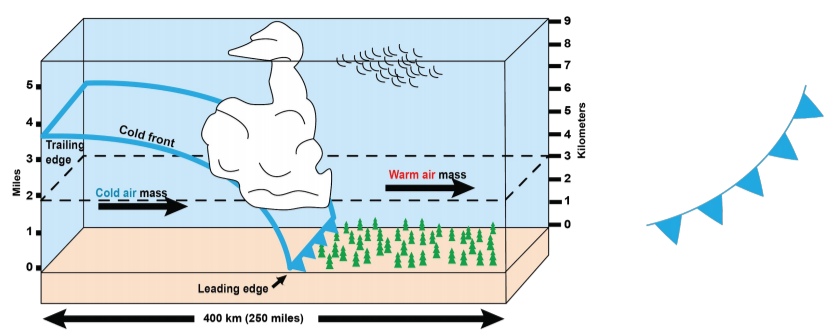
The border between an advancing cold air mass and a retreating warm air mass
| arrow_right_alt | Air Mass |
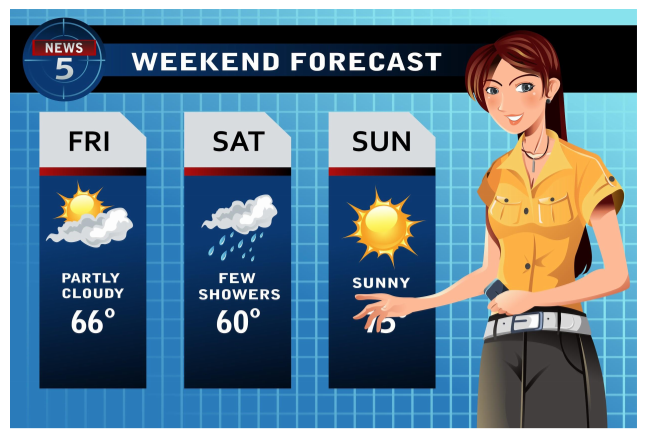
A prediction or estimate of future events
| arrow_right_alt | Atmosphere |
Similar weather for a certain number of days
| arrow_right_alt | Cold Front |
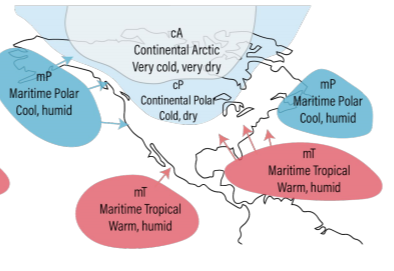
A body of air extending over a large area (1,000 miles or more) that develops and retains specific characteristics of pressure, temperature, and humidity
| arrow_right_alt | Forecast |
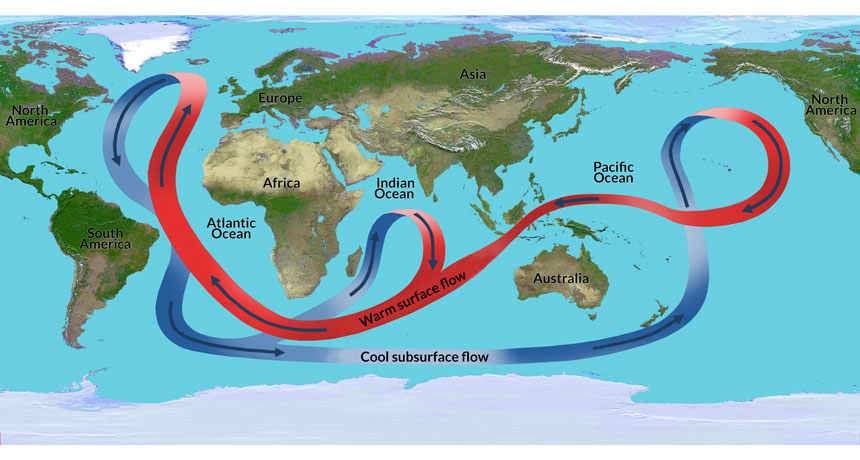
Directional movements of ocean water; surface currents result from steady winds over the ocean surface; deep currents result from density variations due to temperature and salinity differences
| arrow_right_alt | Global Winds |
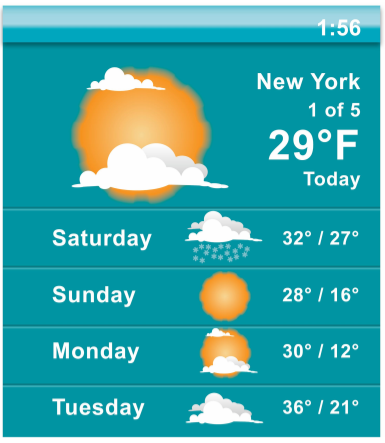
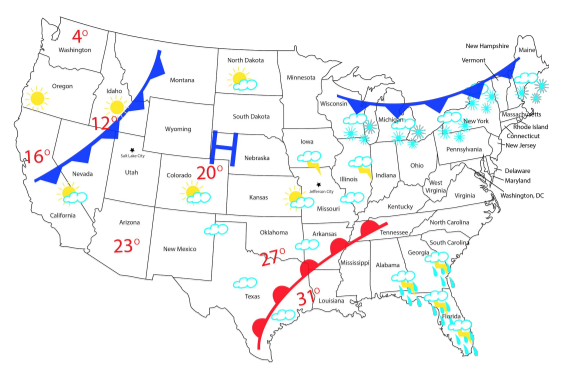
A map or chart that shows the weather conditions at a specific point in time over a specific region
| arrow_right_alt | Landforms |
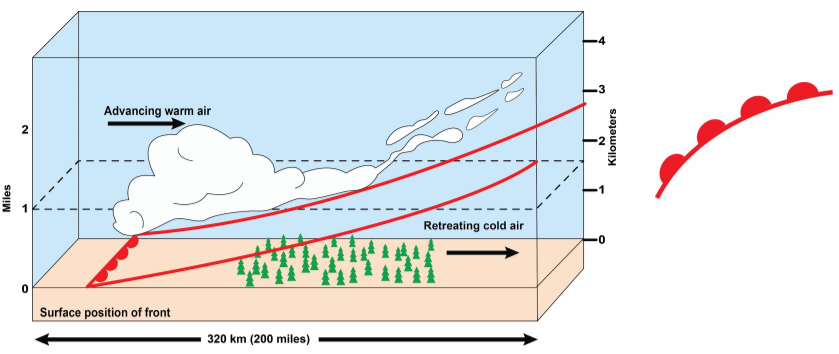
The boundary between an advancing warm air mass and a receding cooler air mass
| arrow_right_alt | Ocean Currents |
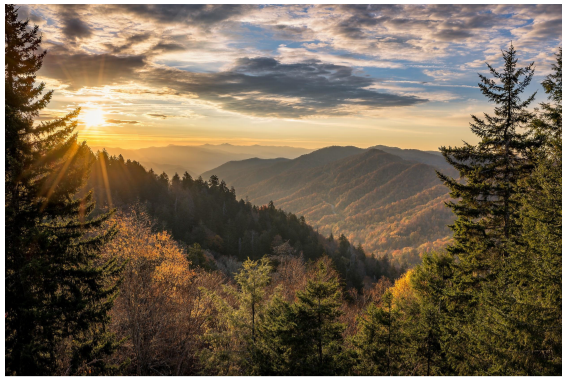
Features on the surface of Earth, such as mountains, hills, dunes, oceans, or rivers
| arrow_right_alt | Warm Front |
| arrow_right_alt | Weather | |
The day-to-day state of the atmosphere
| arrow_right_alt | Weather Map |
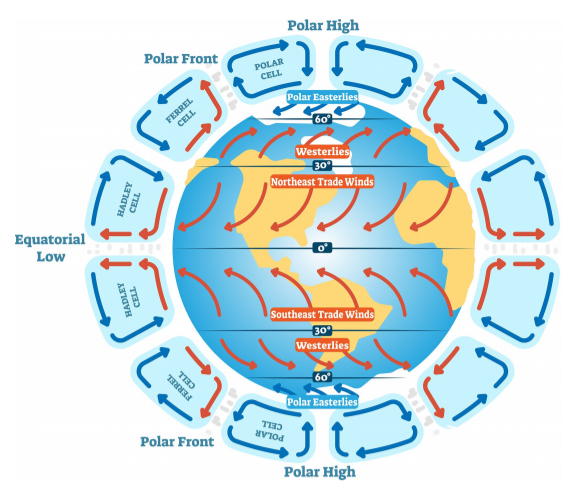
Winds that act as a heat transfer system due to the unequal heating of Earth’s surface
| arrow_right_alt | Weather Pattern |
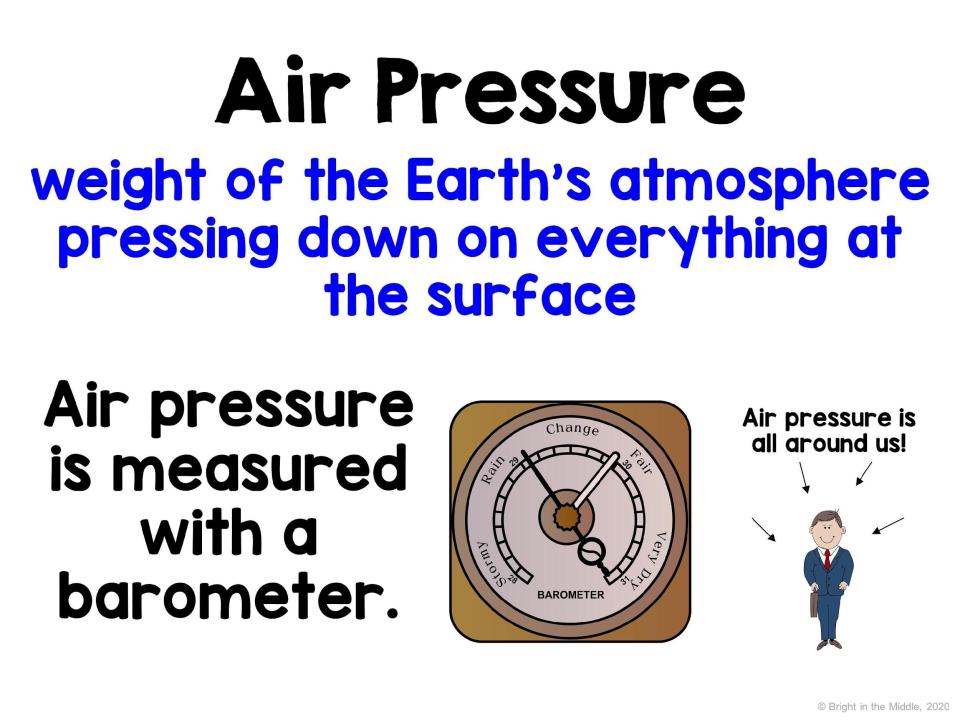
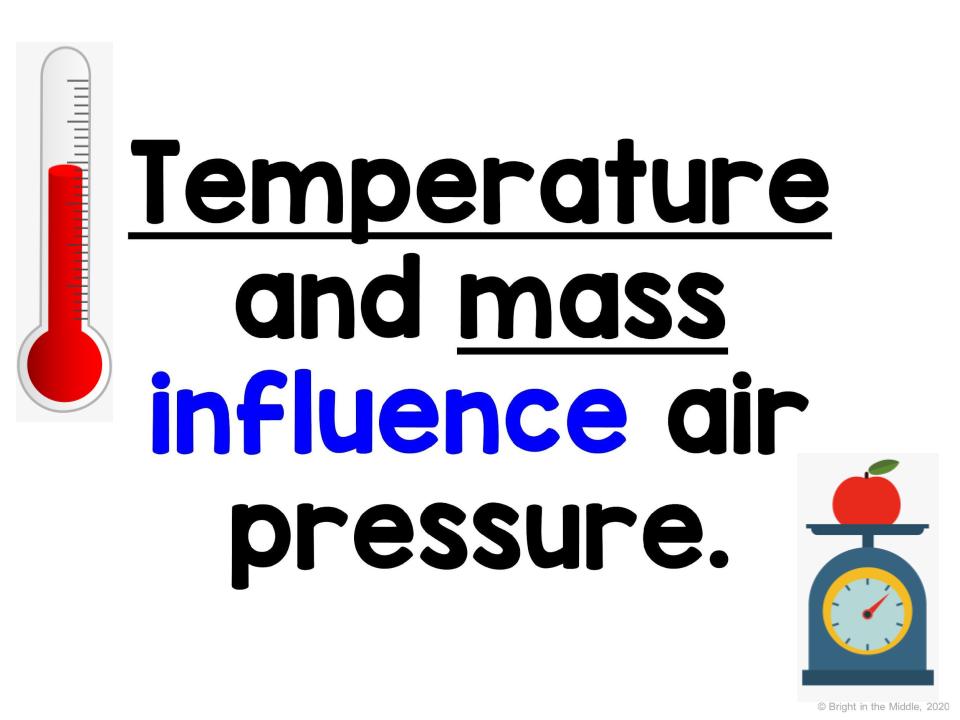
What two factors influence air pressure?
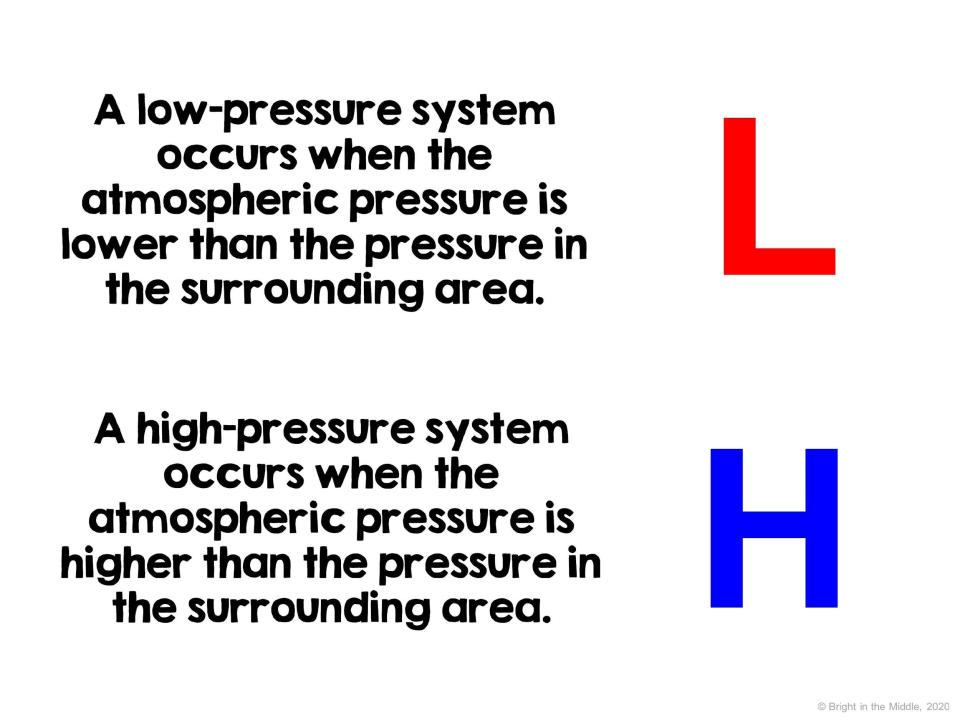
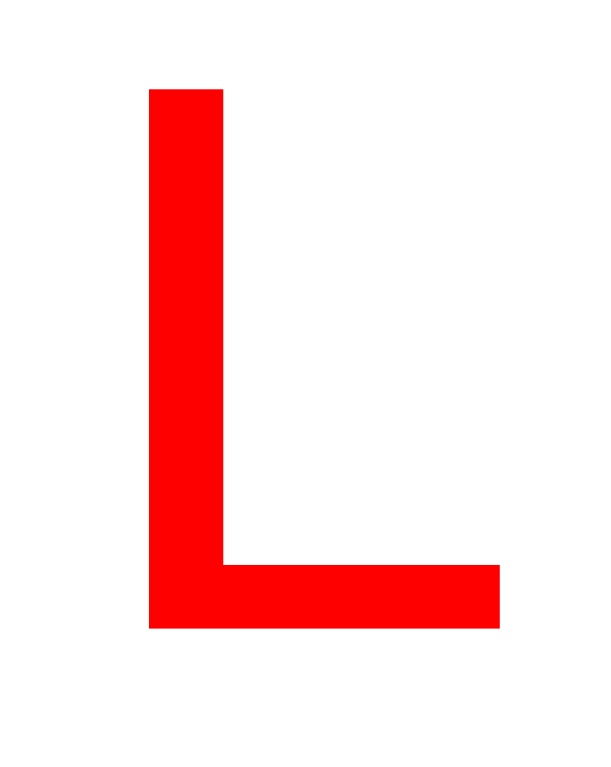
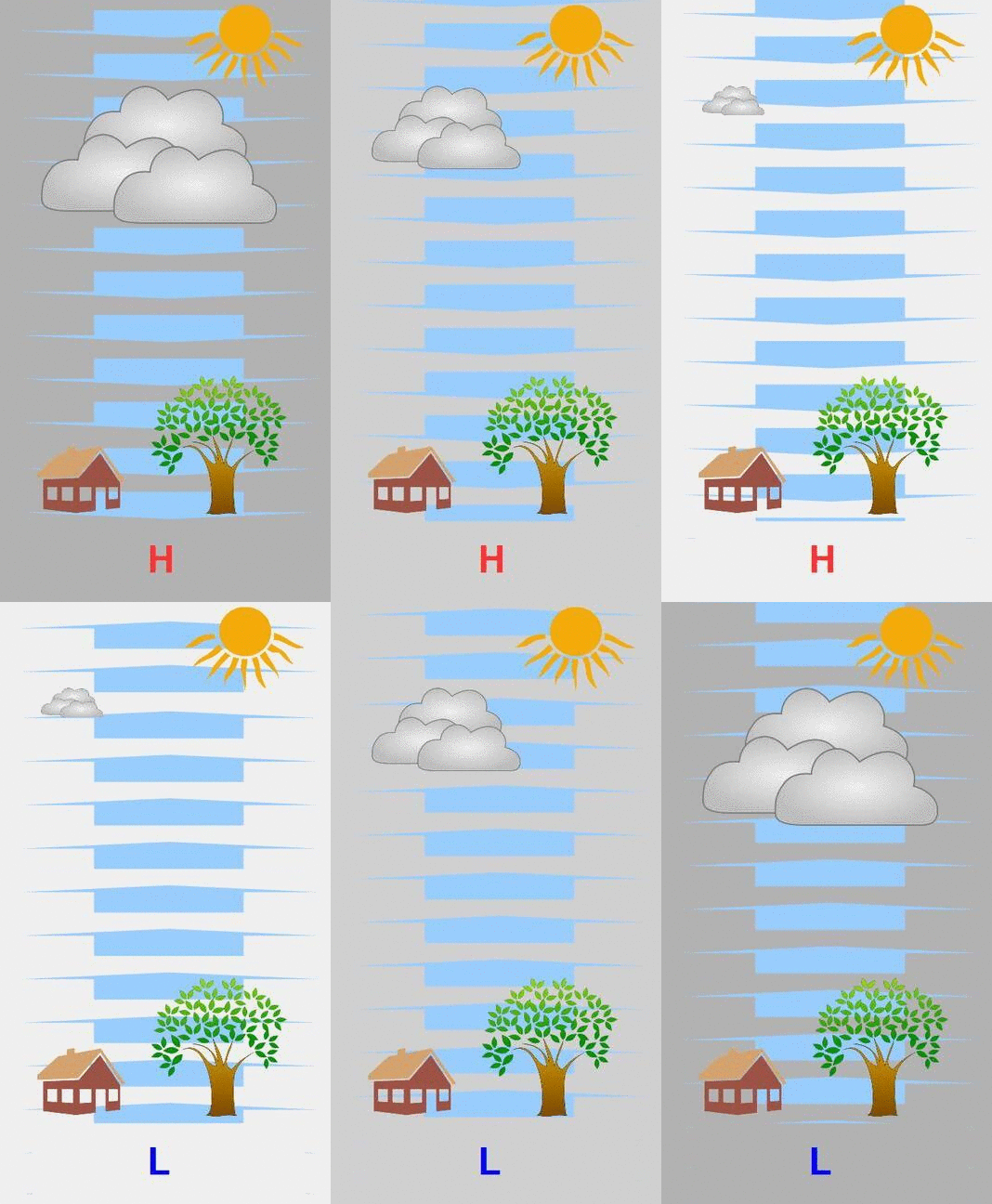
Match the symbol with the correct pressure system.
| Draggable item | arrow_right_alt | Corresponding Item |
|---|---|---|
| arrow_right_alt | Low-Pressure System |
| arrow_right_alt | High-Pressure System |
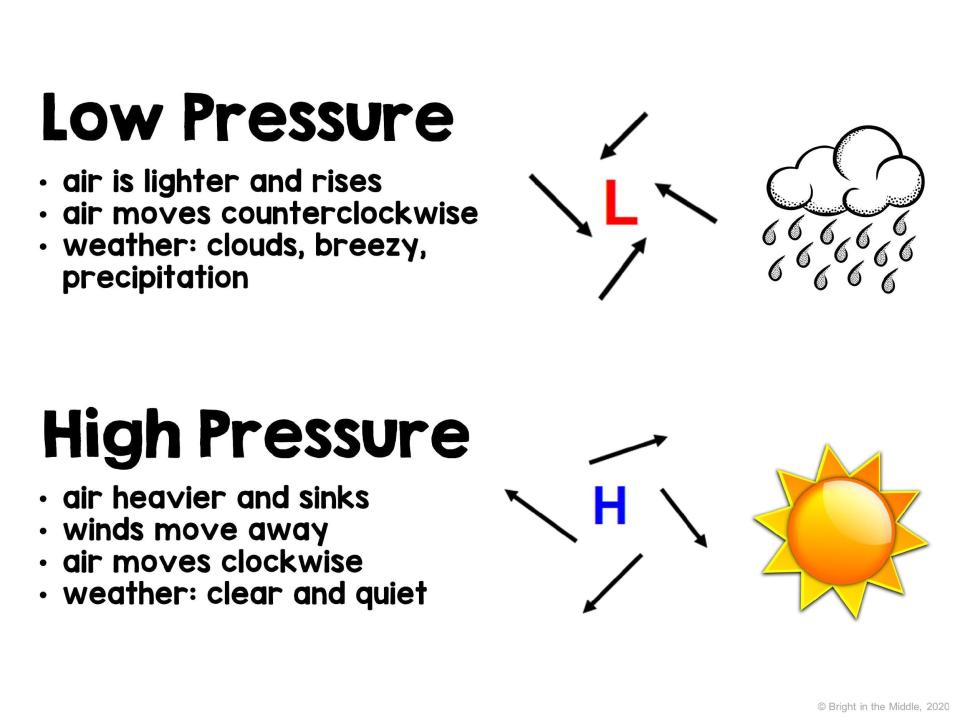
Match the characteristics below with the correct pressure system.
lighter air
heavier air
air rises
air sinks
air moves counterclockwise
air moves clockwise
clouds, breeze, and precipitation
clear and quiet weather
Low-Pressure System
High-Pressure System
Complete the T-chart to show what you have learned about low pressure and high pressure systems.
What causes wind?
Create a diagram to explain. Be sure to use these terms in your response:
high pressure
low pressure
warm air
cool air
rising
sinking
Predict: What do you think will happen to air in convection tubes when there is hot water on both sides?
Predict: What do you think will happen to air in convection tubes when there is a tea candle on one side and ice on the other side?
Observe: What happens to air in the convection tubes when there is hot water on both sides?
Observe: What happens to air in convection tubes when there is a tea candle on one side and ice on the other side?
The layer of gas surrounding a planet that is held in place by gravity
Atmospheric pressure comes from the weight of the air above us.
Pressure is highest at
Rising air leads to
Sinking air leads to
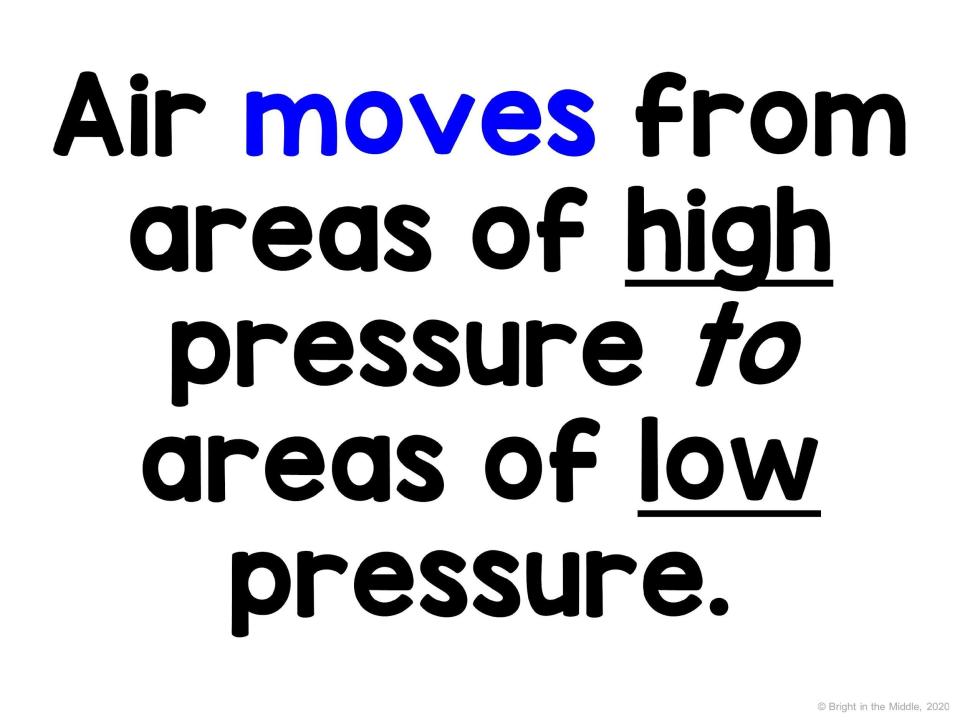
Air naturally wants to flow from
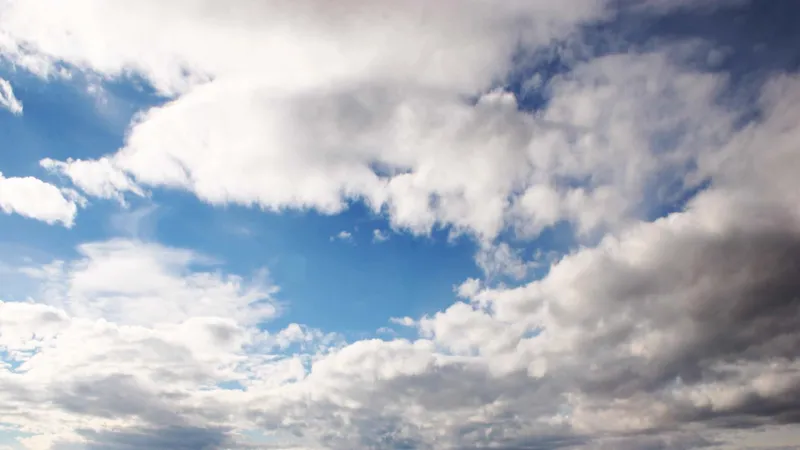
High pressure weather is often calm clear and sunny.
Low pressure weather is often cloudy and rainy.