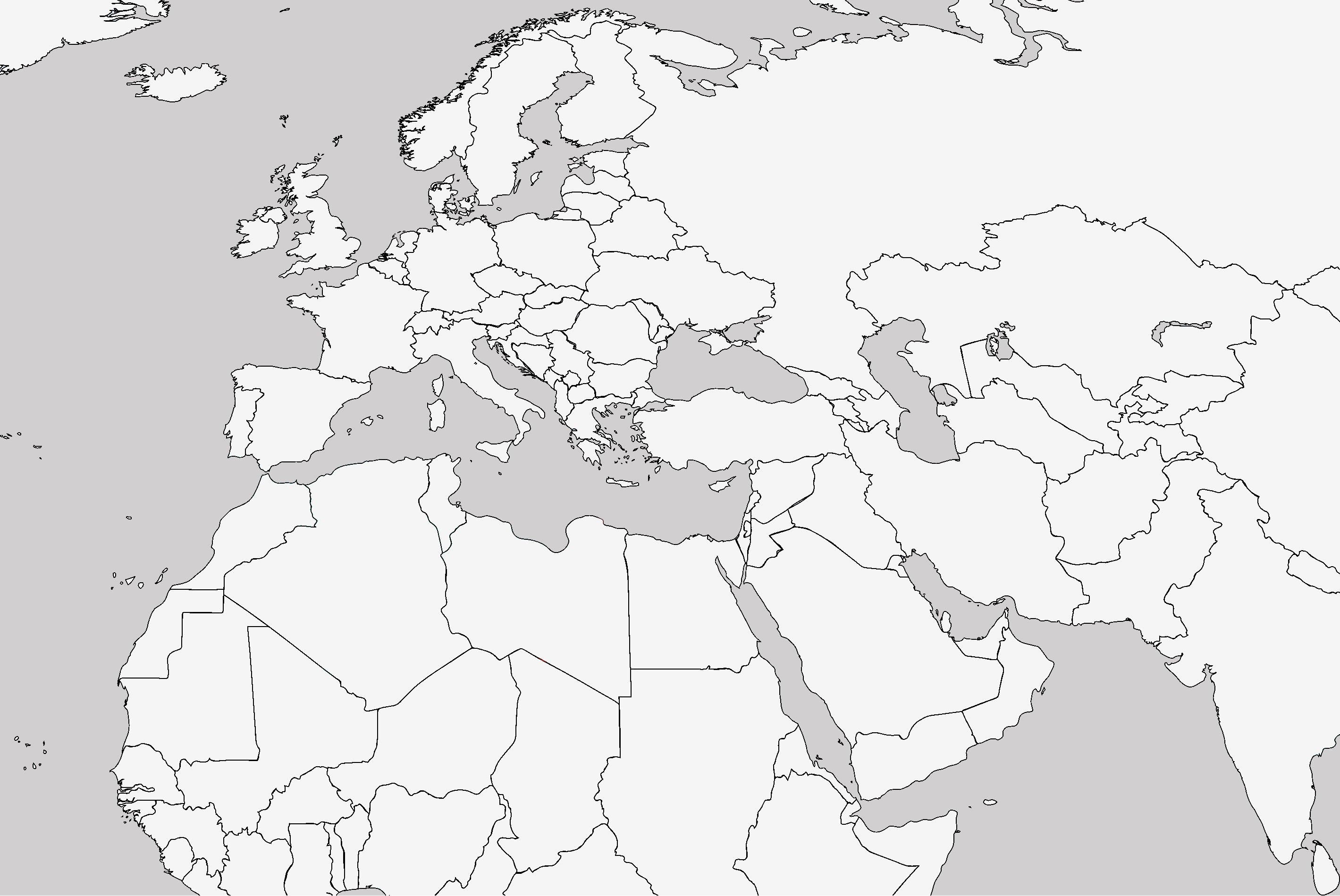
1) Click all of the countries that are mentioned in the above text.
1) Click all of the countries that are mentioned in the above text.
Five people were eating apples, A finished before B, but behind C. D finished before E, but behind B. What was the finishing order?
B
C
A
D
E
The United States has long been considered a nation of immigrants. Attitudes toward new immigrants by those who came before have vacillated between welcoming and exclusionary over the years.
Thousands of years before Europeans began crossing the vast Atlantic by ship and settling en masse, the first immigrants arrived in North America and the land that would later become the United States. They were Native American ancestors who crossed a narrow spit of land connecting Asia to North America some 20,000 years ago, during the last Ice Age.
By the early 1600s, communities of European immigrants dotted the Eastern seaboard, including the Spanish in Florida, the British in New England and Virginia, the Dutch in New York, and the Swedes in Delaware. Some, including the Pilgrims and Puritans, came for religious freedom. Many sought greater economic opportunities. Still others, including hundreds of thousands of enslaved Africans, arrived in America against their will.
Below are the events that have shaped the turbulent history of immigration in the United States since its birth.
1) Click all of the countries that are mentioned in the above text.