Period 6, Day 7-8: American Imperialism and the White Man's Burden

Last updated over 1 year ago
11 questions
Note from the author:
Content Objective: I will be able to explain American imperialism in my own words.

Standard Objective: I will be able to draw reasonable inferences from a text.
Content Objective: I will be able to explain American imperialism in my own words.

Standard Objective: I will be able to draw reasonable inferences from a text.
0

Warm Up: Please rate how well you understood last night's pre-work on a scale from 1 to 4. If you have any questions, drop them in the "Show Your Work" area.

1

Warm Up: Do you know anyone from Cuba, Puerto Rico, Hawaii, Guam, Panama, or the Phillippines? Explain.

If you finish early, identify those 6 countries on the World Map.

0

Warm Up: One interesting historical fact I learned from the pre-work is…

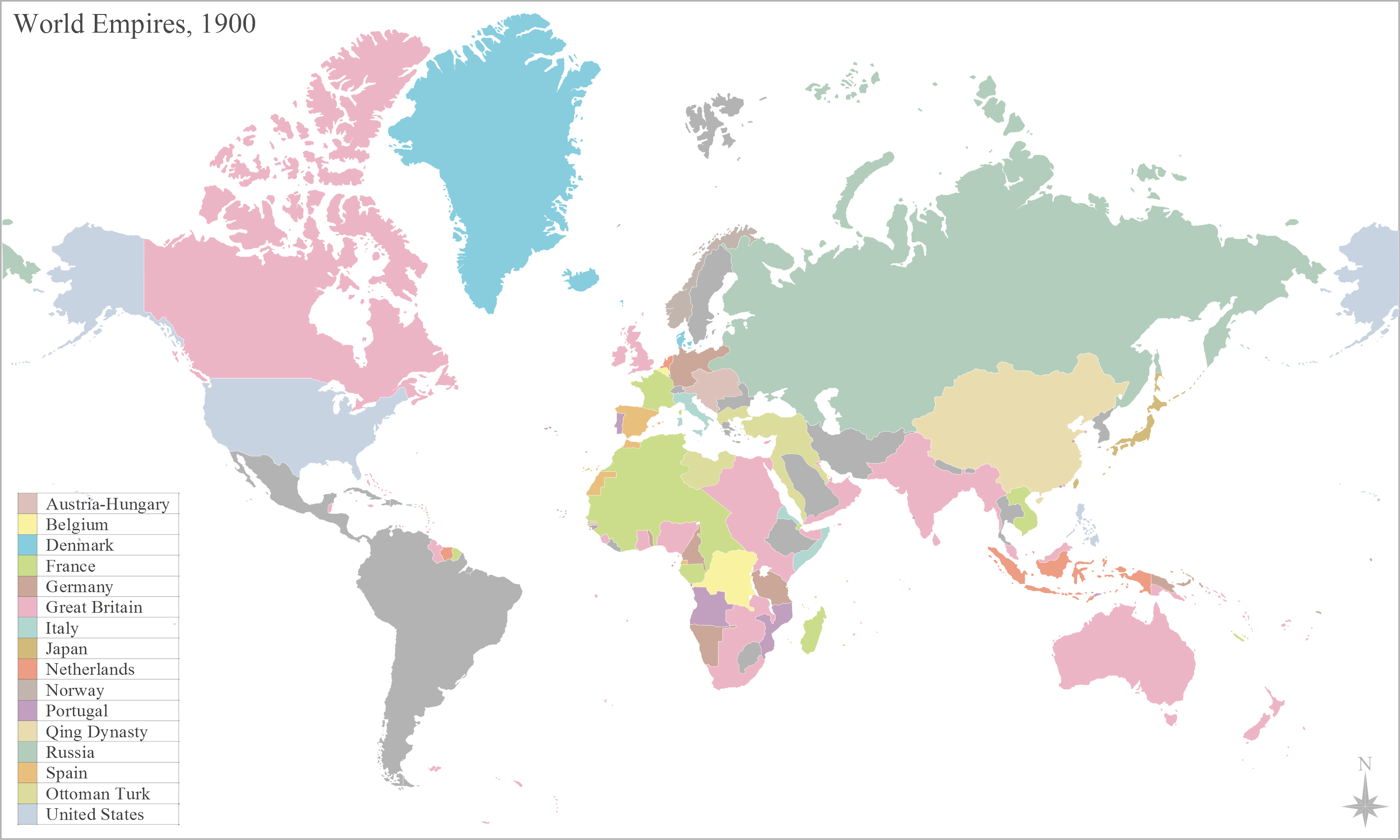
Map of empires in 1900. Note the large number of empires vying for Africa.
Required
1
Between 1870 and 1890, the _______ nations of Europe and Asia, particularly Great Britain, France, Germany, and Japan, scrambled to _______ territory in the undeveloped world. With unmatched firepower and technology, these imperial powers divided Africa and Asia among themselves. Many in the United States feared that if America didn't join the race for _______ , the great powers would leave it behind.
Note: Darwin’s theory of evolution was just becoming widespread during this time, and many people were applying the “survival of the fittest” concept to individuals and countries.
Required
1
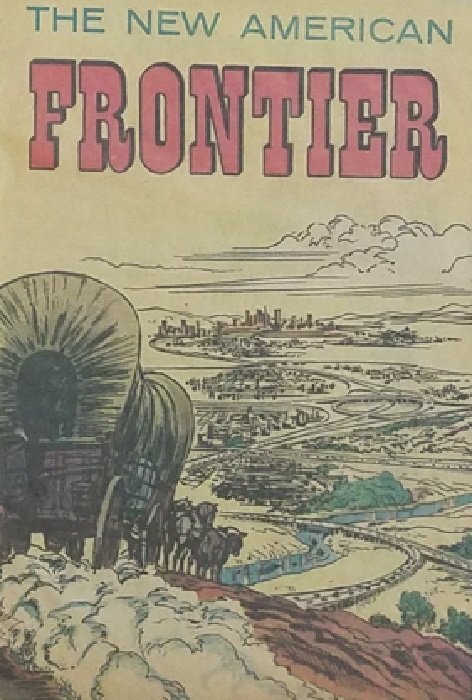
Markets were particularly important for the United States, which had emerged as the world's _______ industrial power in the wake of the Gilded Age. Americans were beginning to fear that new markets within the United States were drying up now that _______ had been achieved. In 1893, eminent historian Frederick Jackson Turner declared that the American _______ was now closed, leading many to fear that the pioneering spirit central to the American identity was in jeopardy.
1
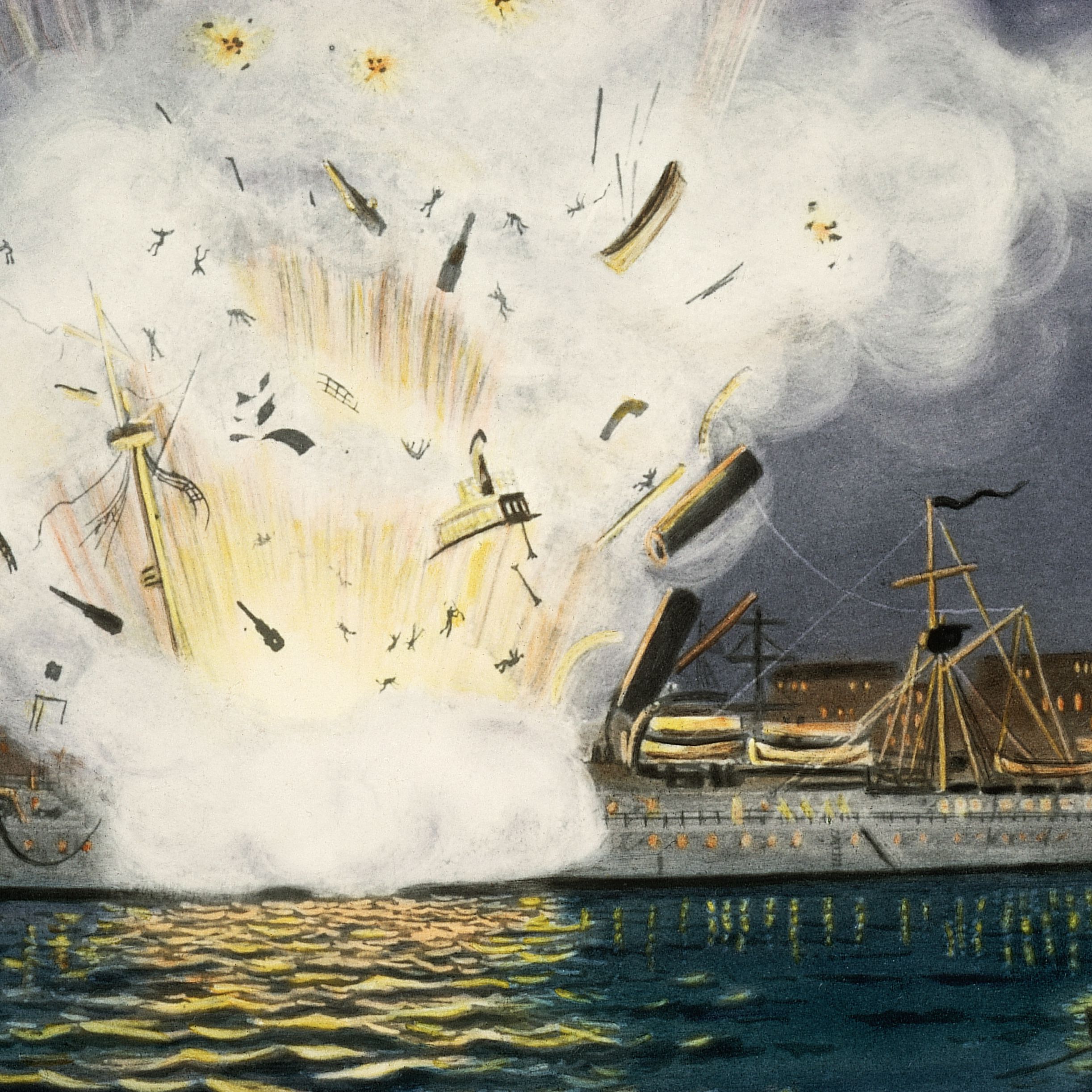
While the United States was considering its fate now that relentless expansion west was no longer possible, Cuban rebels were attempting to overthrow _______ colonial rule. After the U.S.S. _______ , an American warship, exploded in Havana harbor, the United States declared war on Spain. Within six weeks the United States had triumphed in the Spanish-American War - acquiring significant _______ over Cuba, annexed Hawaii and claiming Puerto Rico, Guam, and the Philippines as _______ in the process.
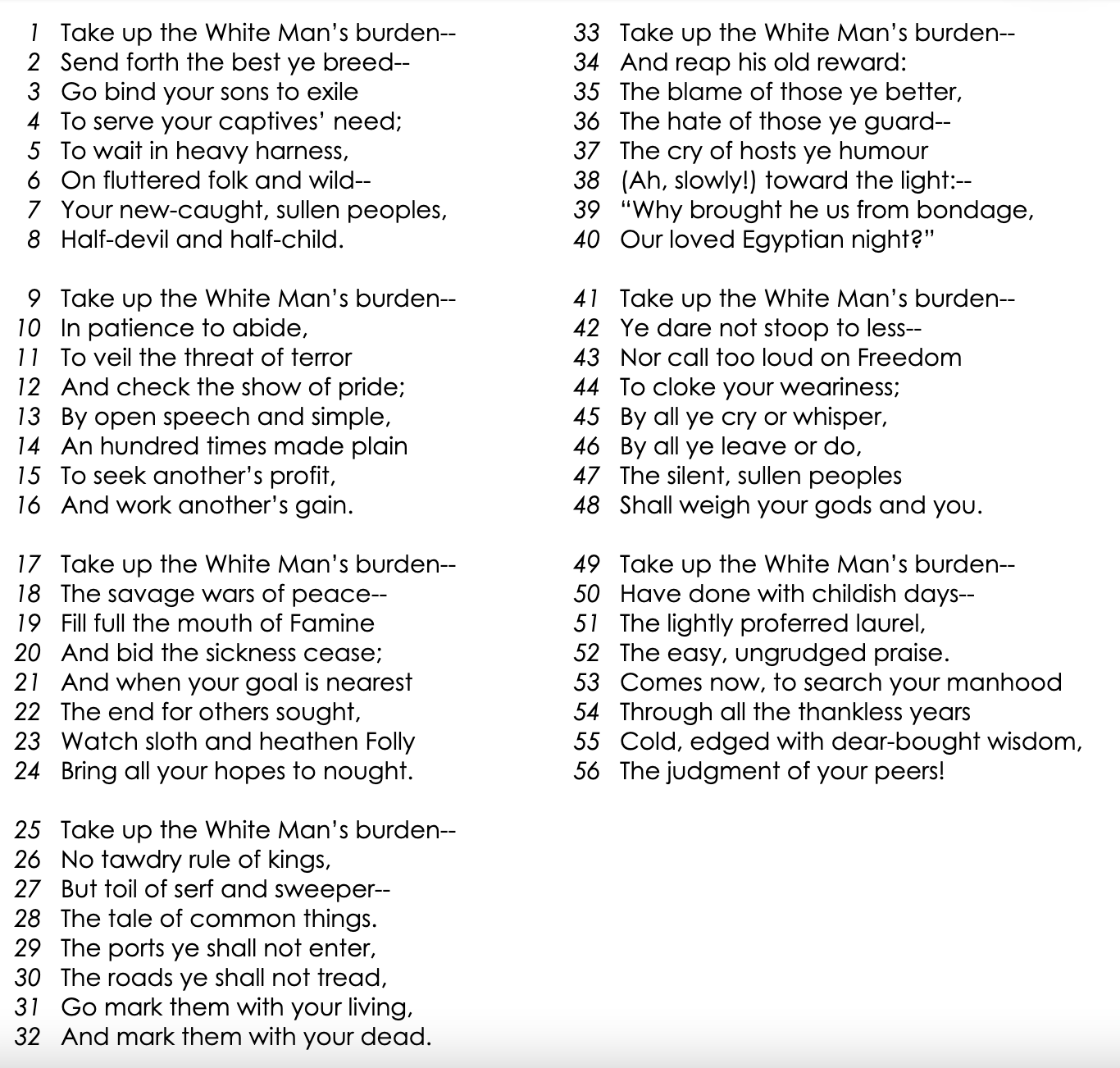
Applying Knowledge: Today, we are going to analyze a poem written in February 1899 by British novelist and poet Rudyard Kipling entitled "The White Man's Burden.”
1

According to Kipling, what is the “white man’s burden”?

1

What rewards does Kipling suggest that the “white man” gets for carrying this “burden”?

1

How is Kipling’s perspective about American imperialism portrayed in this political cartoon?

1

Exit Ticket: According to the poem, does the author support American imperialism? Explain how you know by selecting a key word or phrase from the text to analyze under "Show Your Work."

0

Exit Ticket: Please evaluate how well you understood today’s lesson on a scale from 1 to 4: