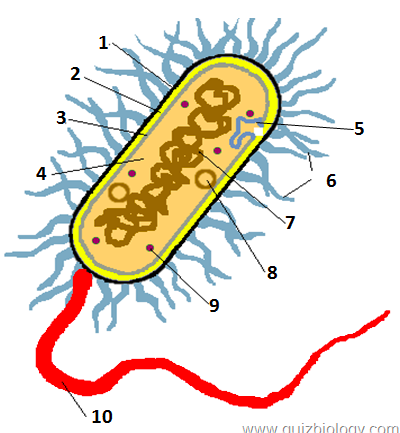
6 (helps bacteria stick to surfaces and do conjugation)
arrow_right_alt
cell wall
10
arrow_right_alt
cell membrane
1
arrow_right_alt
ribosome
9 (makes proteins)
arrow_right_alt
nucleoid/bacterial chromosome
2
arrow_right_alt
flagellum
7 (majority of bacteria genome)
arrow_right_alt
pilus
8 (extra small loop of DNA)
arrow_right_alt
plasmid
Required
1 point
1
Question 2
2.
Cell parts (organelles) found in bacteria (and all other cells also!) that make proteins _______ (no CAPS)
Required
1 point
1
Question 3
3.
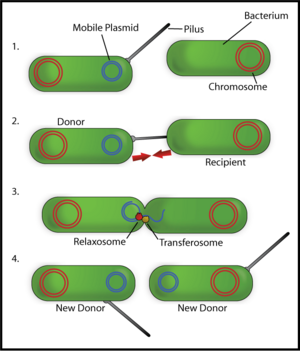
Small loop of DNA that bacteria can copy and share with other bacteria during conjugation _______ (no CAPS)
1 point
1
Question 4
4.
Process by which bacteria reproduce - literally translates into "split into 2 pieces _______ (no CAPS)
Required
1 point
1
Question 5
5.
Which statement does NOT describe what is happening or true about the process in the diagram
Required
5 points
5
Question 6
6.
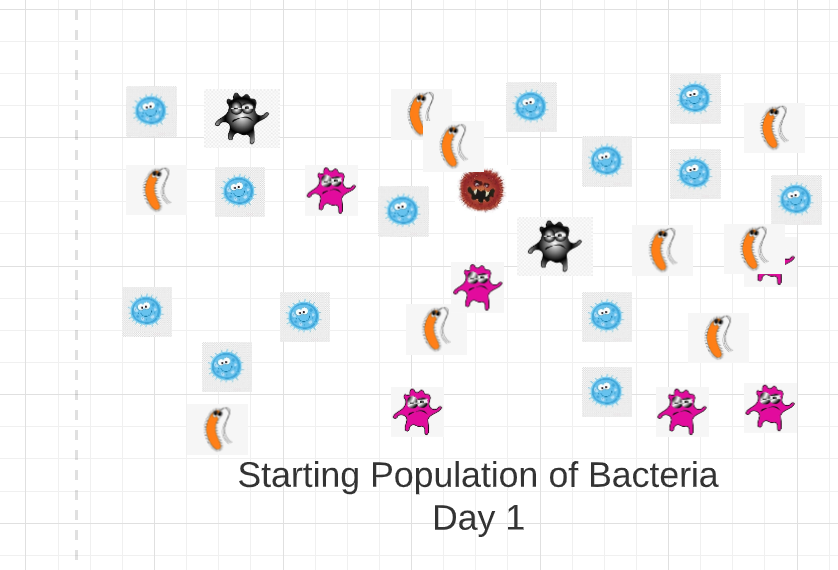
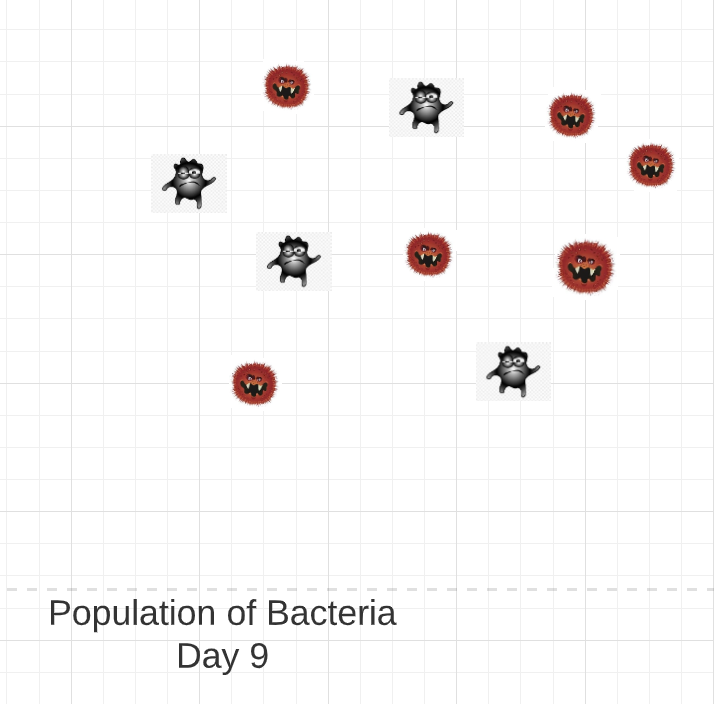
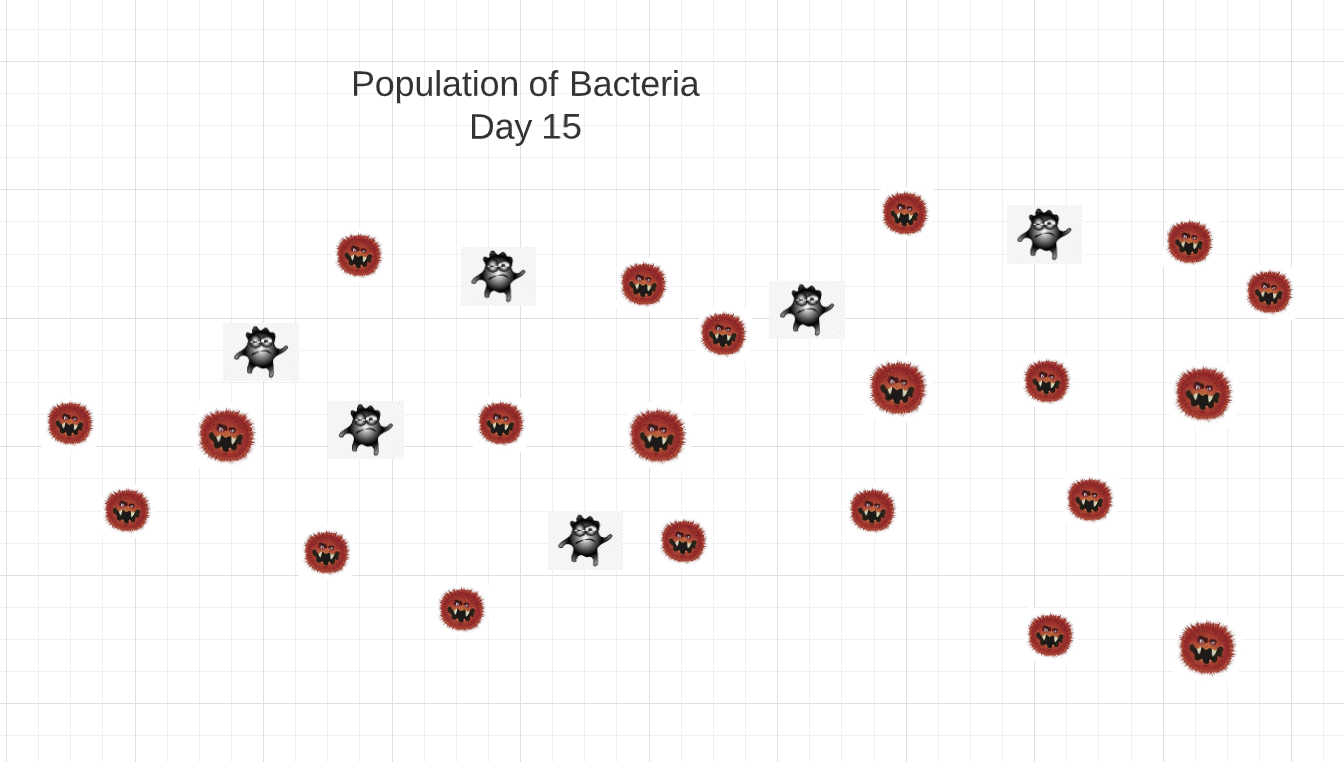
Picture 1 below is the starting population of the bacteria ... Picture 2 (below picture 1) is the population on day 9 - 1 day after the person stopped taking the antibiotic on day 8. The person was supposed to take the antibiotic for 14 days. However, the person took the antibiotic for only 8 days and then stopped. Explain what has happened to the bacterial population and why it has happened! Focus on what happened between day 1 and day 8 and then between day 9 and day 15.
Required
4 points
4
Question 7
7.
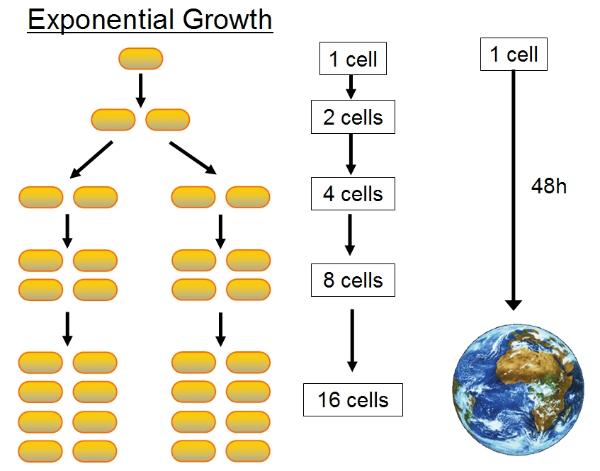
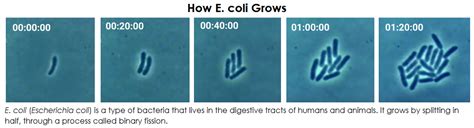
Select all correct descriptions based on these images showing the speed of bacteria population growth when the bacteria have "perfect" conditions for growth and reproduction
5 points
5
Question 8
8.
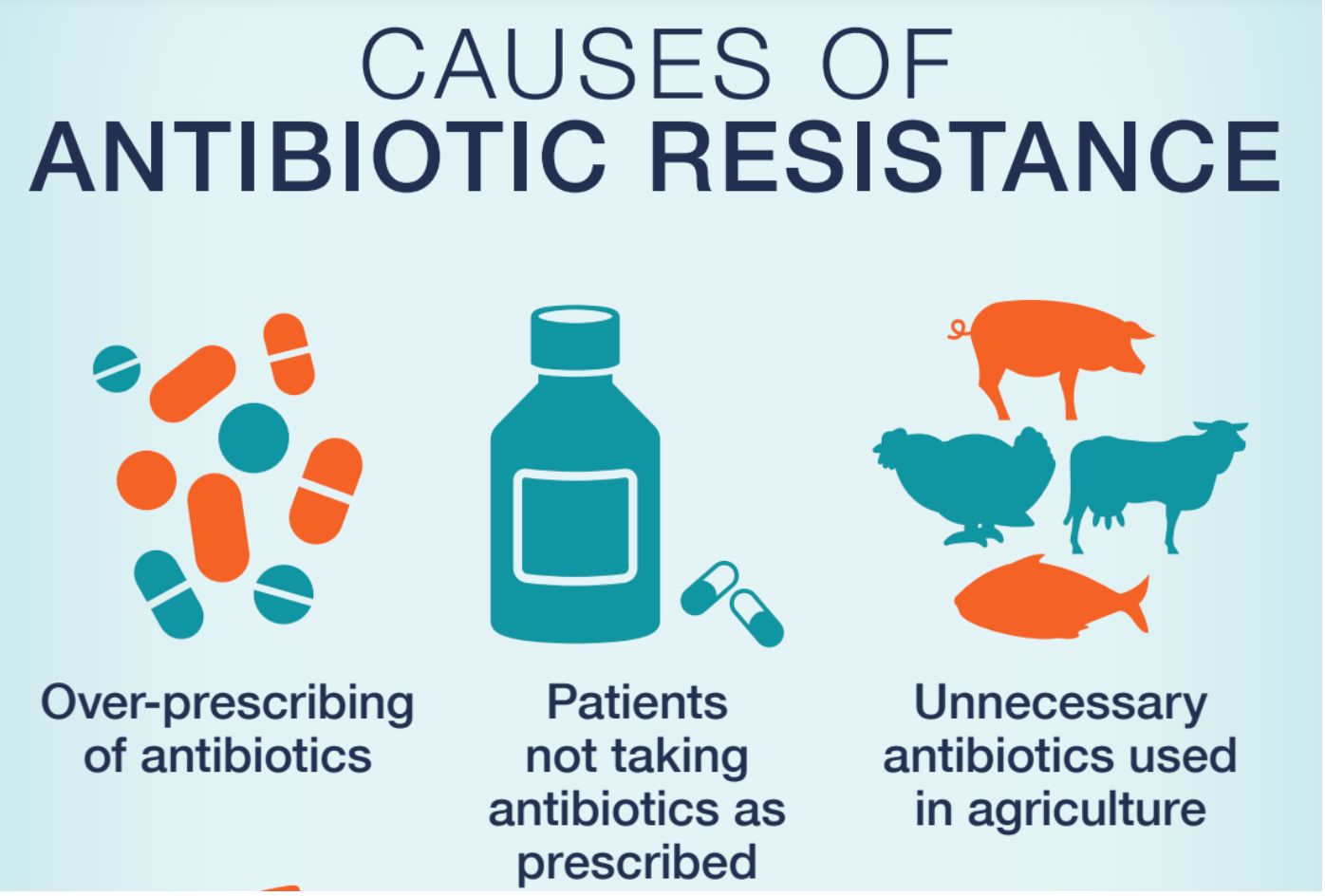
Why do the 3 behaviors below lead to the creation of antibiotic resistance?
6 points
6
Question 9
9.
From "Your Microbial Friends" note-taking, choose what you believe is the MOST IMPORTANT FUNCTION (job) your microbial "friends" (microbiome) do for you... Identify WHAT the microbes do, HOW they do it, and WHERE the function takes place.