Nat Geo Chp 9 Sect 2.1-2.2
star
star
star
star
star
Last updated over 4 years ago
30 Nsɛmmisa
1
1
1
1
1
1
1
1
1
1
1
1
1
1
1
1
1
1
1
1
1
1
1
1
1
1
1
1
1
1
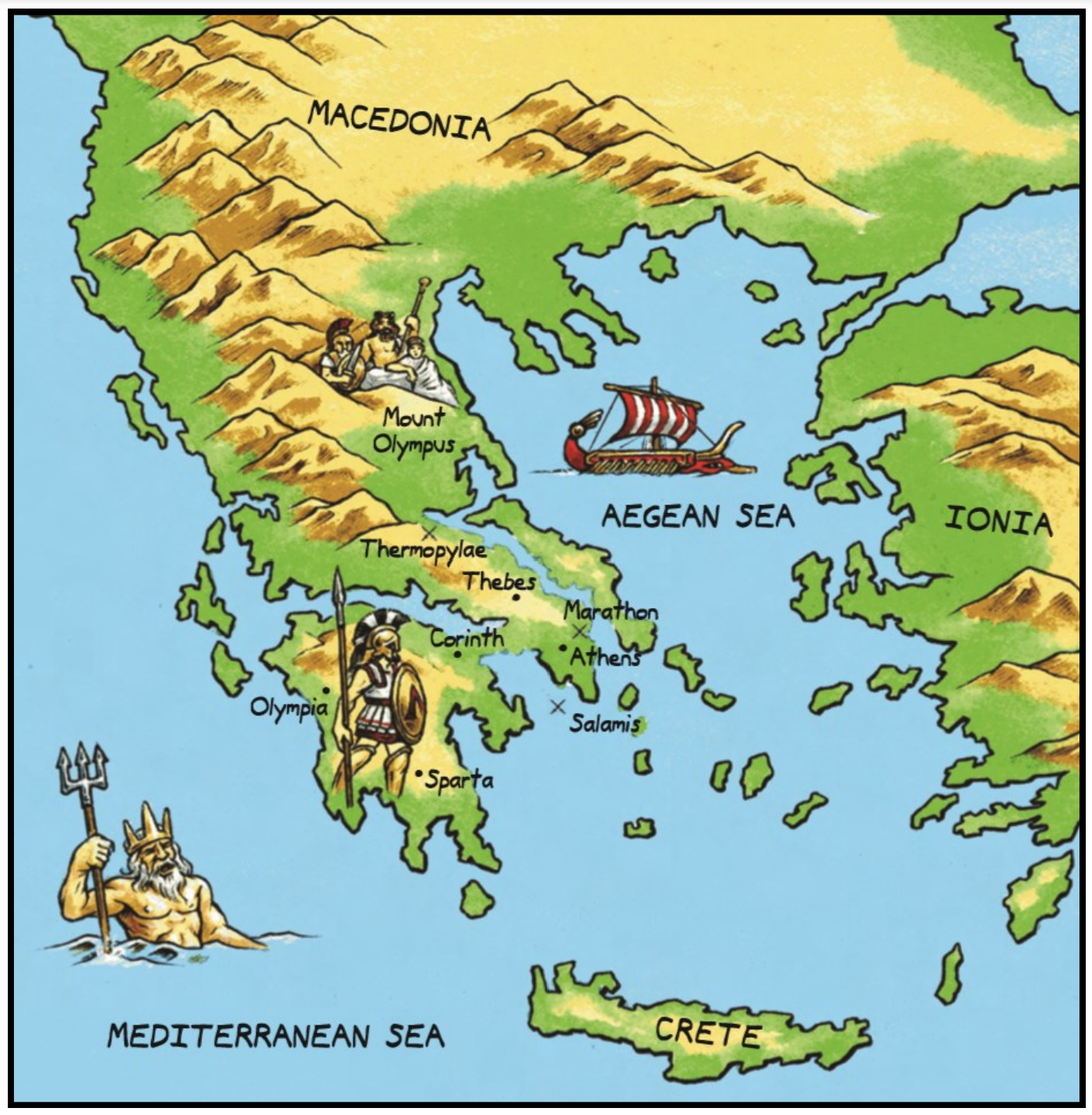
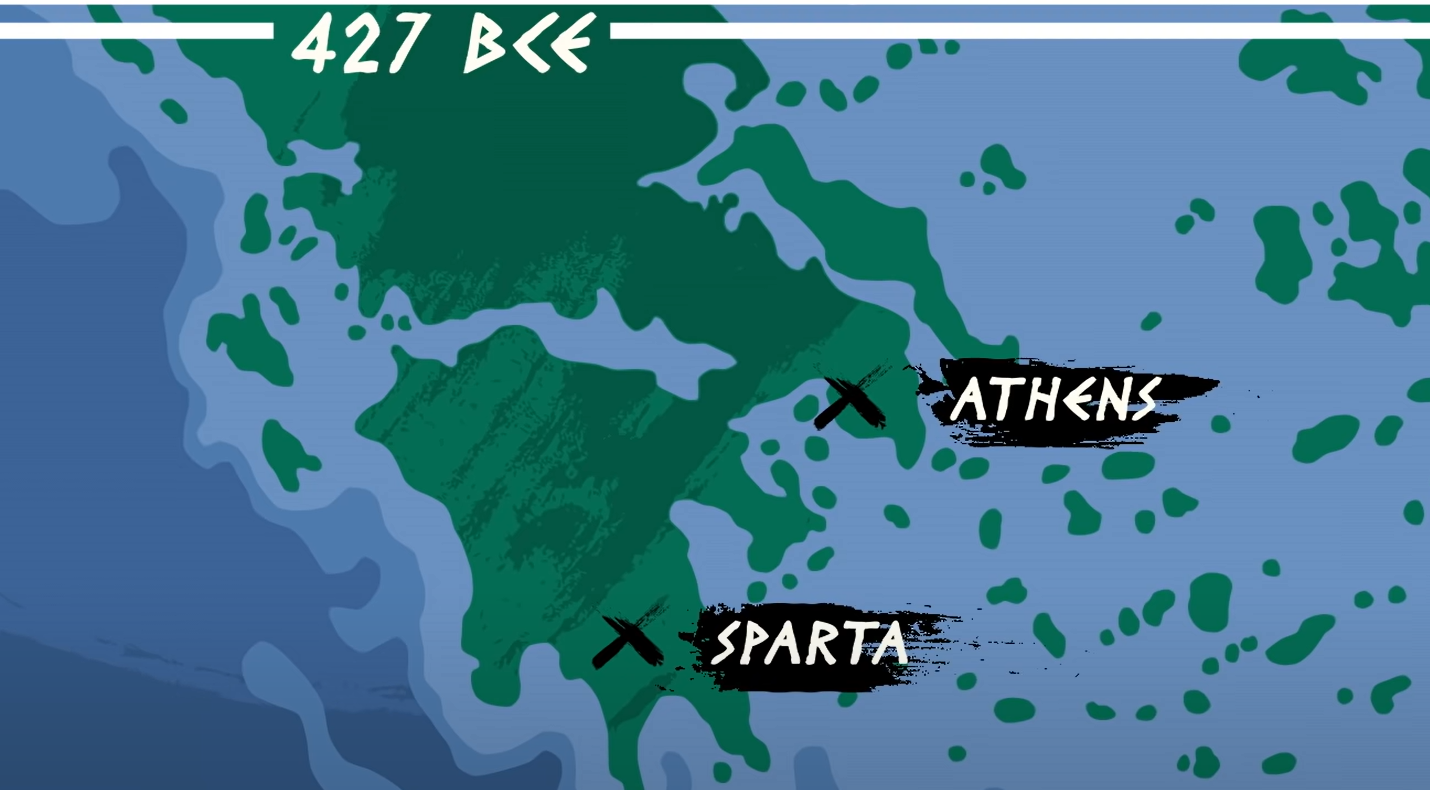
The Spartans lived in one of the most fertile areas of southern Greece. Sparta was located in the _____ _____ _____, protected by mountains that made attacking this city-state difficult.
Select the aspects of Spartans’ unique government
Order the Spartan social class hierarchy from most important to least important.
helots
traders
landowners
kings
_____ were state-owned slaves captured from conquered lands.
The _____ was at the center of everything in Sparta—and everything in Sparta was centered on the _____.
At
Spartan women...
What effect did Sparta’s commitment to the military have on other aspects of its society and culture (like art)?
Why didn't Sparta use walls to defend their city?
Every Spartan was expected to be
In training, Spartan boys endured
Aside from learning how to fight, Spartan boys also learned how to ...
Spartan girls learned...
Upon their death, only men who died in
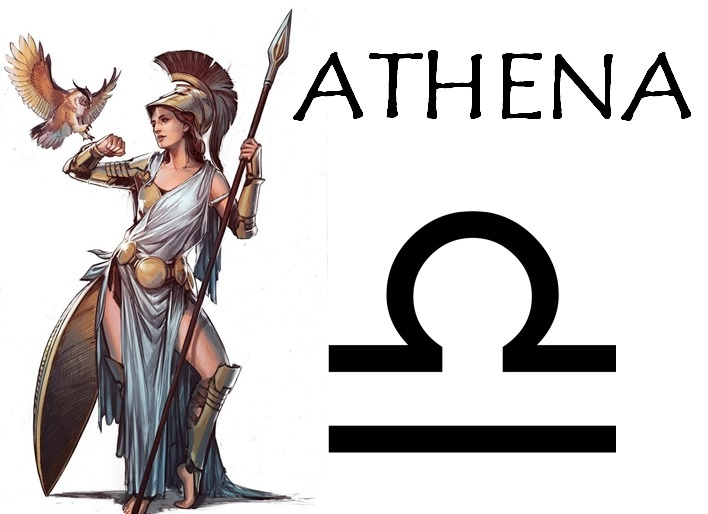
Athena was the Greek goddess of
In order to be a citizen in Athens, you had to be
Athenians valued
Athenian girls learned
_____ improved conditions for the poor by limiting the power of the aristocracy and allowing an assembly of free citizens to pass laws.
Athens established
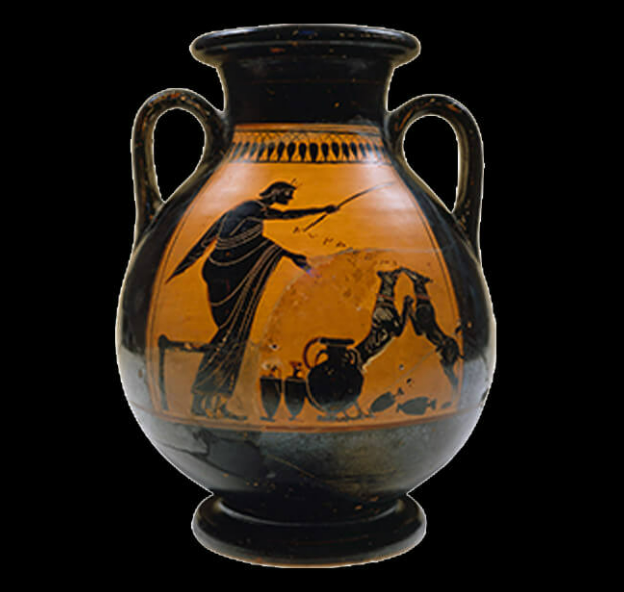
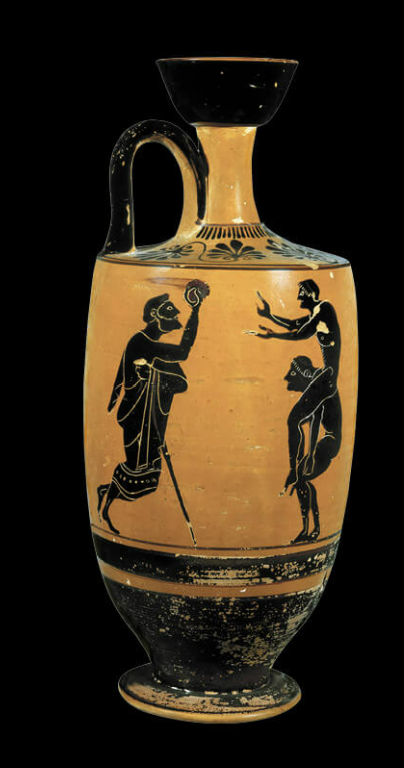
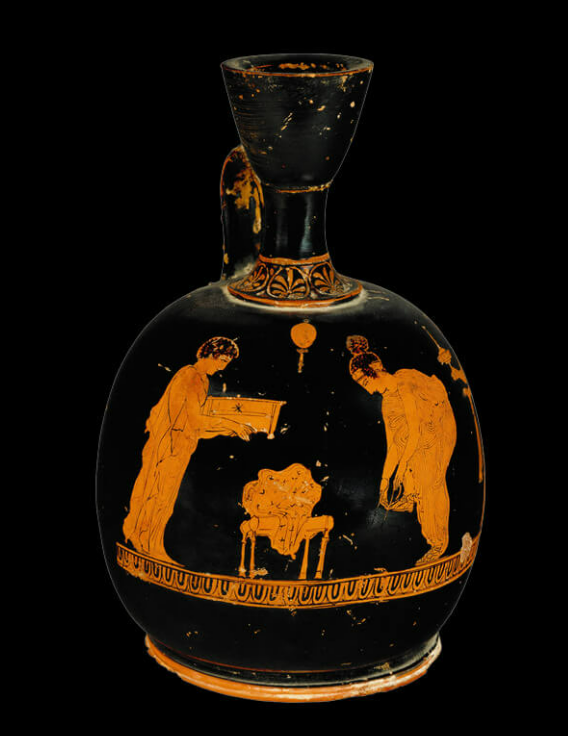
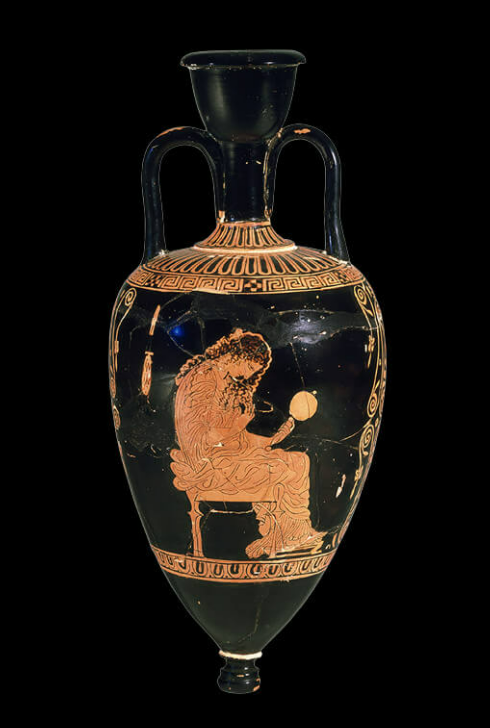
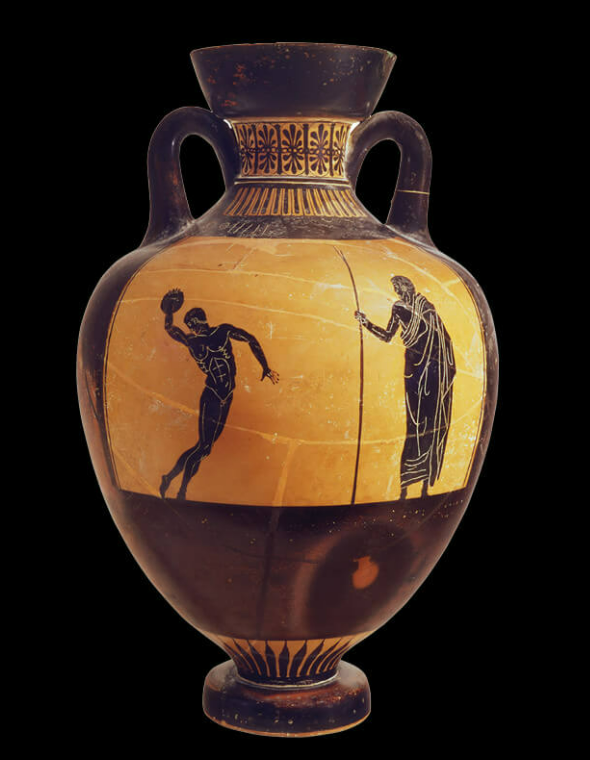
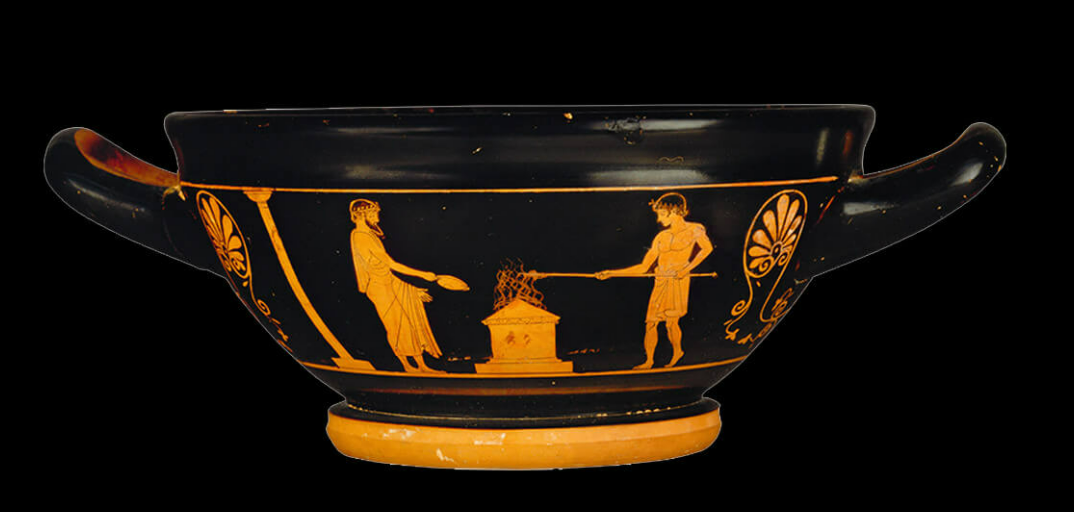
What does the art on ancient Greek pots allow a glimpse of?
Match the pot with the daily activity it displays.
| Draggable item | arrow_right_alt | Corresponding Item |
|---|---|---|
| arrow_right_alt | Athletes throw a ball to a trainer | |
| arrow_right_alt | A servant attends to a woman tying a shoe. | |
| arrow_right_alt | A merchant watches over his goods. |
Match the pot with the daily activity it displays.
| Draggable item | arrow_right_alt | Corresponding Item |
|---|---|---|
| arrow_right_alt | A priest and an acolyte [assistant] light a fire. | |
| arrow_right_alt | A young woman combs her hair. | |
| arrow_right_alt | An athlete learns how to throw a discus. |
The
The
What killed a third of Athen's population during the war?
What can you infer?
"The couple are grateful to the gods that three of their four children have survived past infancy."
What is an agora?
What does the word "Pnyx" mean?
What does "Tis agoreuein bouleutai?" mean?