EMS 2.1 (3/24) Version B
star
star
star
star
star
Last updated about 3 years ago
10 Nsɛmmisa
0
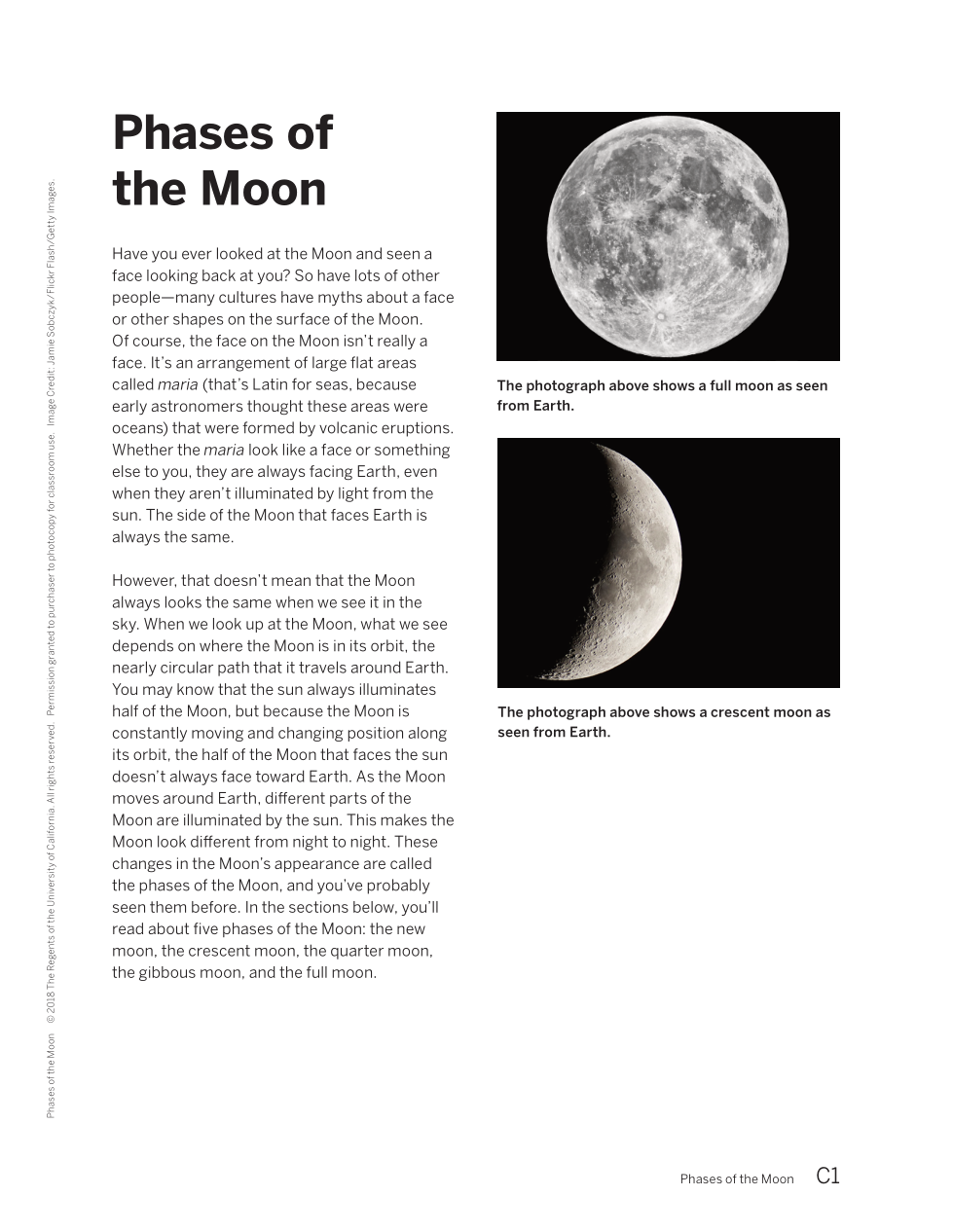
How would you describe the term ‘orbit’, in context of the article?
How would you describe the term ‘orbit’, in context of the article?
0
0
How would you describe the term ‘orbit’, in context of the article?
Describe what causes the Moon to look different from night to night?
Summarize/describe the key ideas from of the text (paragraph 1 and 2).
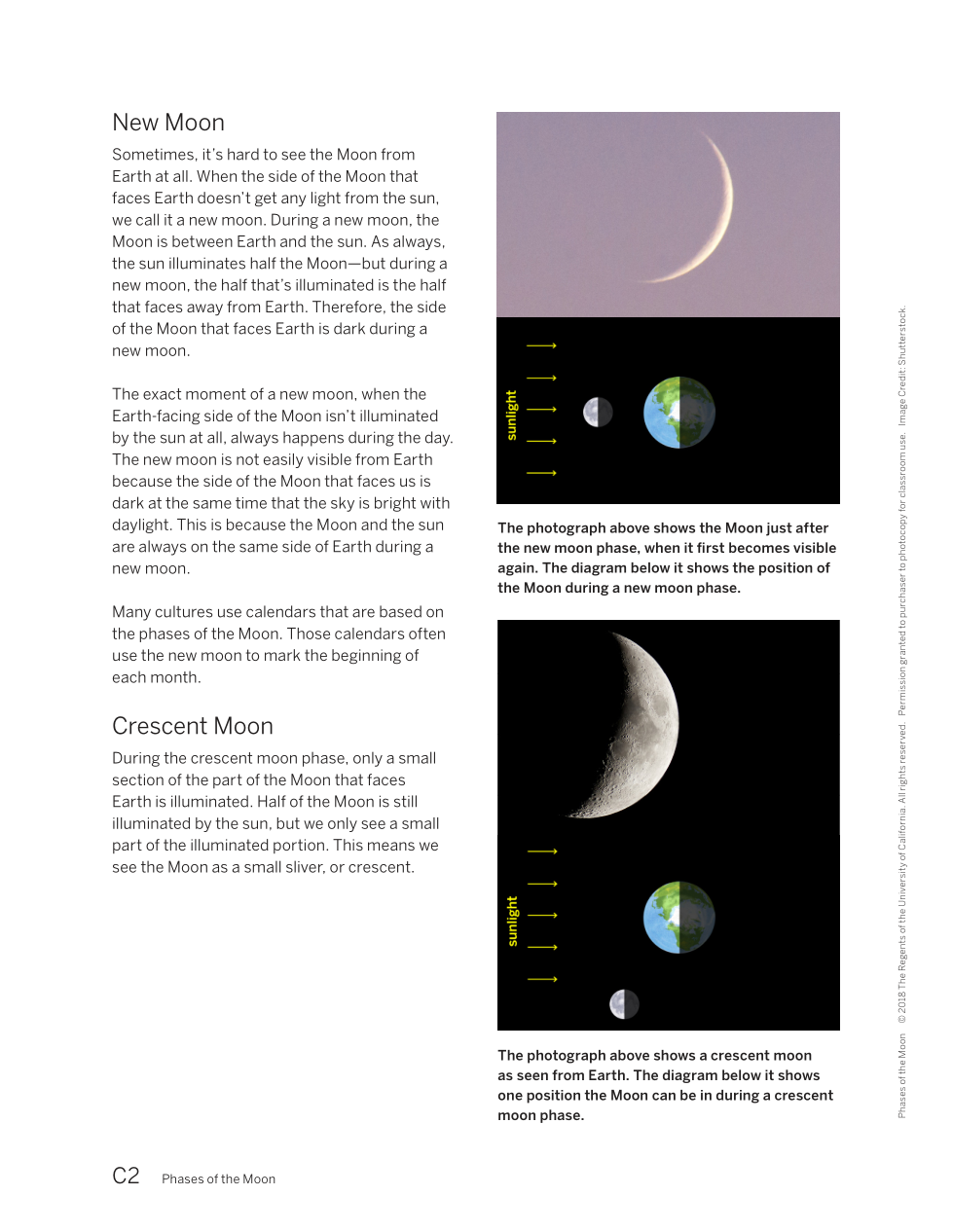
Describe the position of the Sun, Earth, and Moon when you would see a New Moon from Earth?
Describe the position of the Sun, Earth, and Moon when you would see a Crescent Moon from Earth?
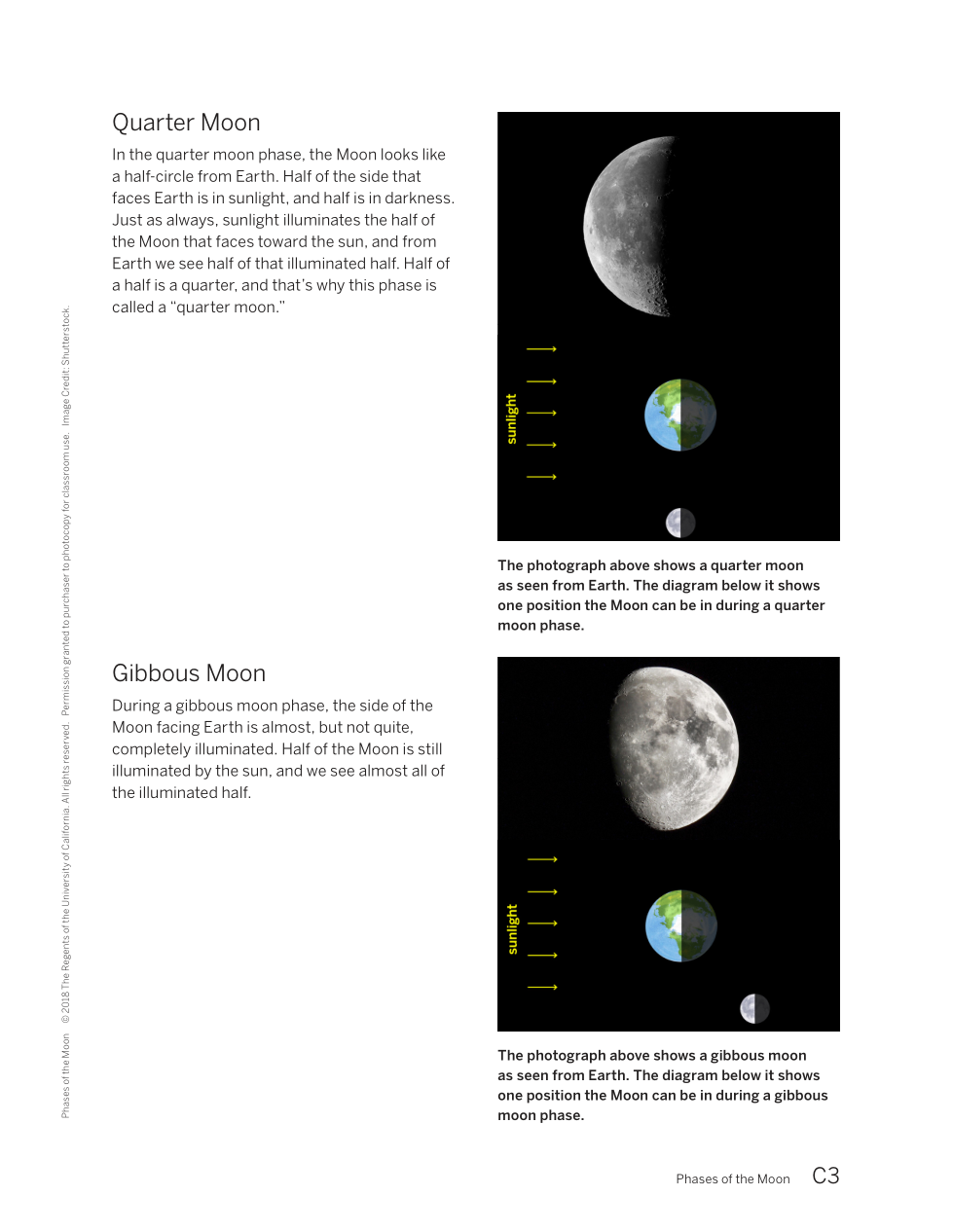
Describe the position of the Sun, Earth, and Moon when you would see a Quarter Moon from Earth?
Describe the position of the Sun, Earth, and Moon when you would see a Gibbous Moon from Earth?
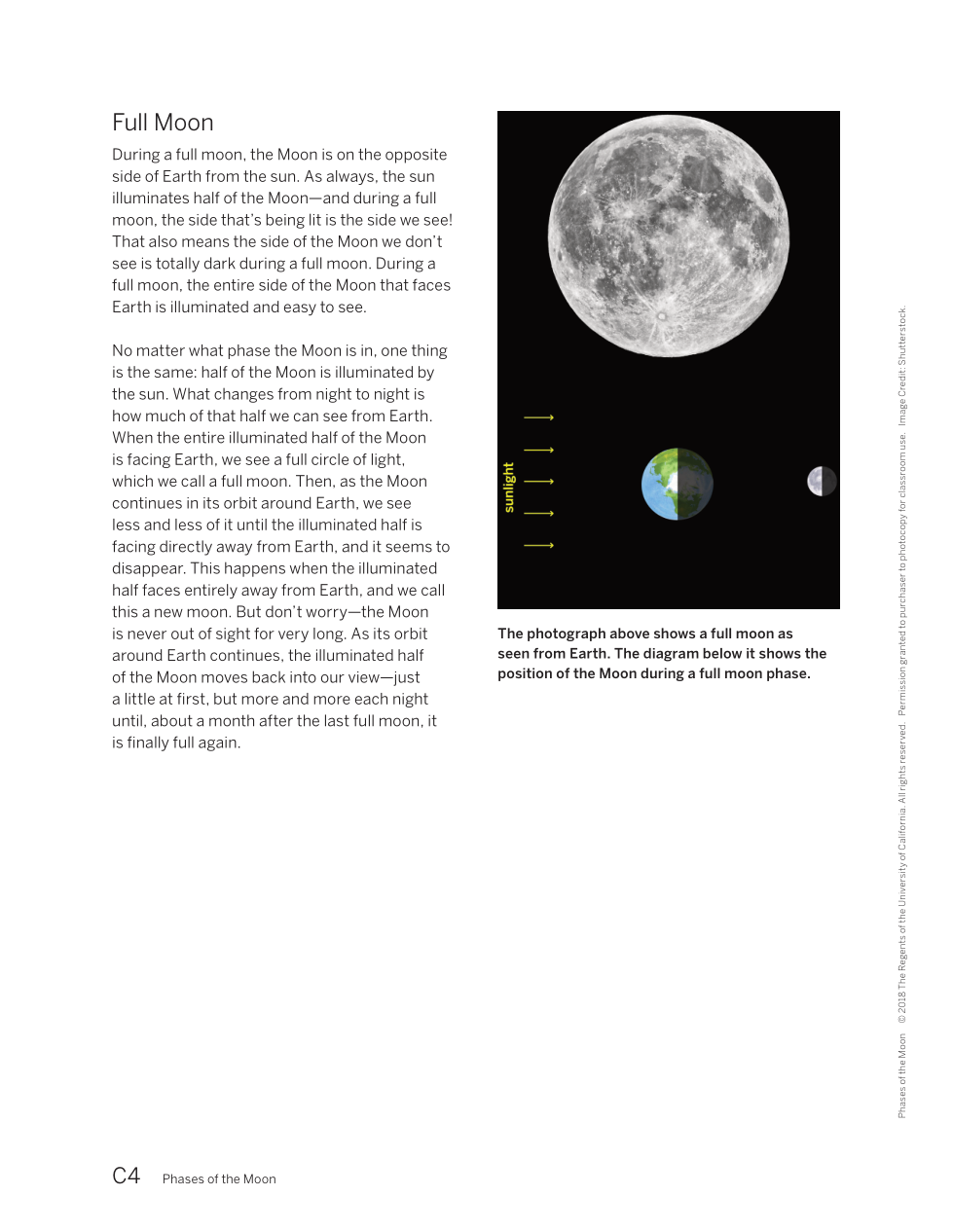
Describe the position of the Sun, Earth, and Moon when you would see a Full Moon from Earth?
Even though half of the moon is always illuminated by the sun, what factors play into why we sometimes see more or less than half of the moon on different nights?
What causes patterns of different moon phases each night?
CFS:
Accurately identifies the light on the moon based on its position
Accurately describes the relationship between the moons position and the appearance from Earth