Part 1: Precipitation
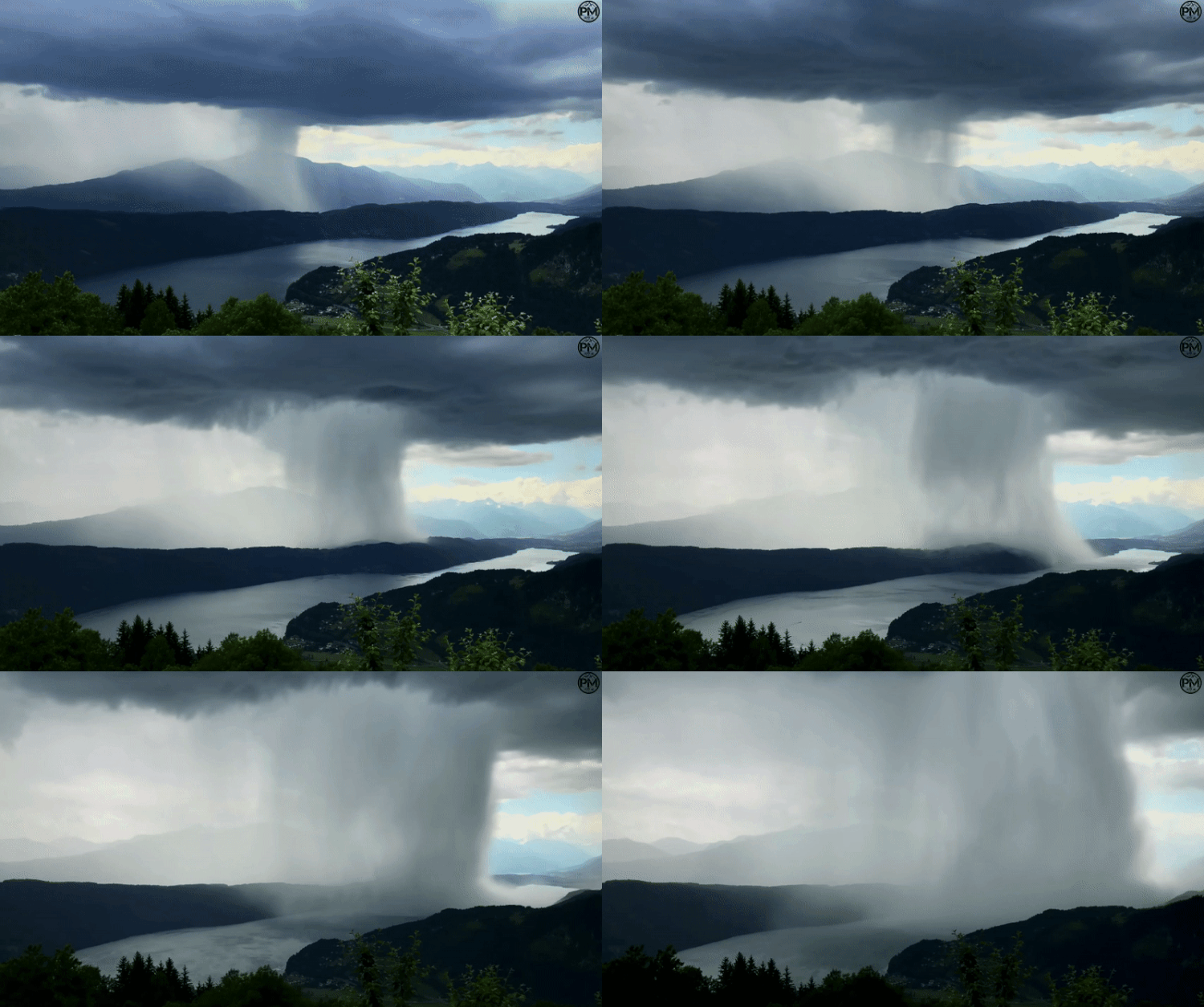
Cloudburst!
Part 1: Precipitation
Cloudburst!
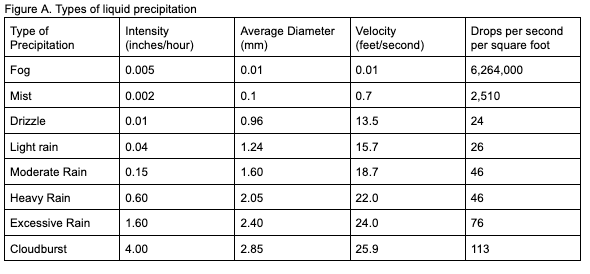
What patterns do you observe between the size and speed of liquid precipitation?
Knowing this, what would you expect the relationship would be between size and speed of solid precipitation?
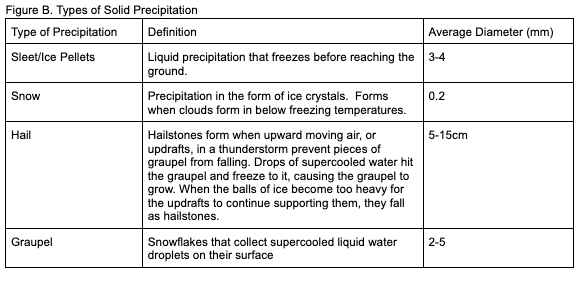
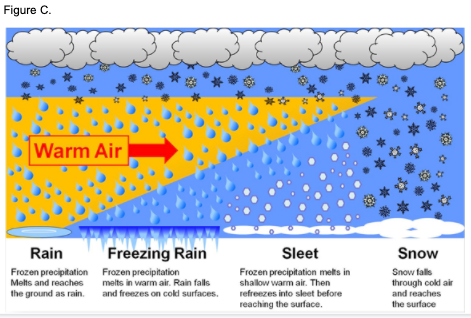
Based on the figures, what determines what kind of solid precipitation can occur in an area?
Which type of solid precipitation do you think is the most dangerous? Why do you think this?
Part 2: Drought
Drought is defined as below-average precipitation affects the amount of moisture in soil as well as the amount of water in streams, rivers, lakes, and groundwater.
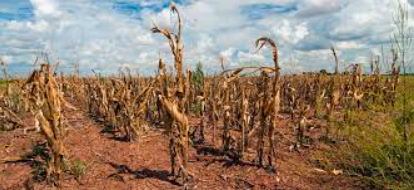
In order to know if an area is experiencing drought, what 2 pieces of information would we need for that area?
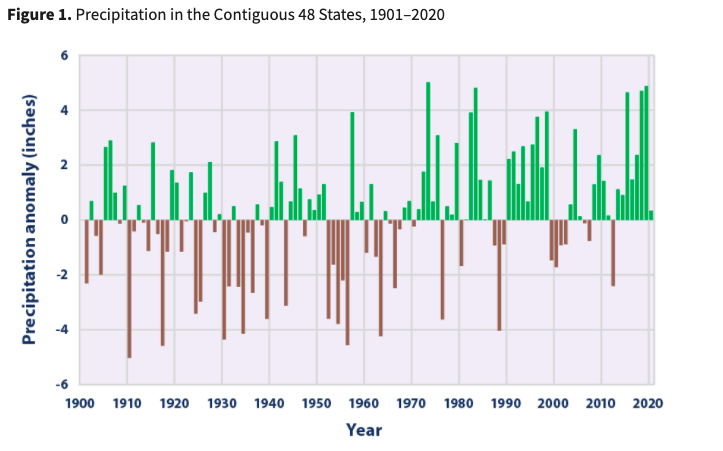
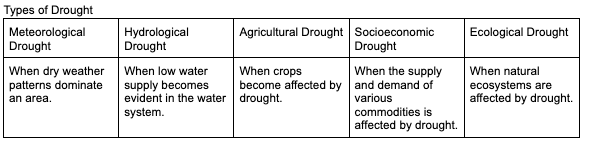
A few weeks ago we read about how the South Western United States is experiencing a megadrought. We also saw that overall, precipitation has not decreased over time. How is it possible that we are experiencing a megadrought when we are also seeing an increase in overall precipitation?
Climate Zones
In the late 1800s and early 1900s a German climate scientist named Wladimir Koppen divided the world's climates into categories. His categories were based on the temperature, the amount of precipitation, and the times of year when precipitation occurs. The categories were also influenced by a region’s latitude—the imaginary lines used to measure our Earth from north to south from the equator.
Today, climate scientists split the Earth into approximately five main types of climates. They are:
A: Tropical. In this hot and humid zone, the average temperatures are greater than 64°F (18°C) year-round and there is more than 59 inches of precipitation each year.
B: Dry. These climate zones are so dry because moisture is rapidly evaporated from the air and there is very little precipitation.
C: Temperate. In this zone, there are typically warm and humid summers with thunderstorms and mild winters.
D. Continental. These regions have warm to cool summers and very cold winters. In the winter, this zone can experience snowstorms, strong winds, and very cold temperatures—sometimes falling below -22°F (-30°C)!
E: Polar. In the polar climate zones, it’s extremely cold. Even in summer, the temperatures here never go higher than 50°F (10°C)!
What characteristics determine the climate zone of an area?
Knowing what you know about the definition of drought and the climate zones on Earth, would all climate zones on Earth experience drought with the exact same change in precipitation? For example, if the tropical rainforest experienced 10 inches of rain less than normal, would that have the same impact or result in an official drought the same way as if a dry climate experienced 10 inches of rain less than normal? Explain.
Causes of Drought
Some droughts have occurred naturally, plaguing humankind throughout much of our history. Until recently naturally occurring droughts were often natural phenomena triggered by cyclical weather patterns, such as the amount of moisture and heat in the air, land, and sea.
Altered weather patterns
The distribution of rainfall around the world can also be impacted by how air circulates through the atmosphere. When there is an anomaly in surface temperatures, particularly over the sea, air circulation patterns are altered.
This changes how and where precipitation falls around the world and the new weather patterns will most likely throw water supply and demand out of sync, as is the case when earlier-than-usual snowmelt reduces the amount of water available for crops in the summer.
Excess water demands
Drought can also result because of an imbalance in the supply and demand of water. As the global human population continues to balloon, and intensive agricultural practices continue to be employed, more water is required to sustain the human race as well as the agricultural practices. This continues to tip the scales, making droughts a reality with each passing day.
A study estimated that between 1960 and 2010 the human consumption of water increased the frequency of drought in North America by 25%. The situation is worsened by dwindling rainfalls, forcing people to pump more water from rivers, aquifers and reservoirs. Doing this depletes valuable water resources that could take years to replenish and could permanently impact future water availability.
At the same time, demand for water supplied by upstream lakes and rivers, particularly in the form of irrigation and hydroelectric dams, leads to the diminishing or drying out of downstream water sources, further contributing to droughts in other regions.
Trees and plants are important as they release moisture to the atmosphere, resulting in clouds forming and rainfall falling, returning the moisture to the ground. Unfortunately, the human race is the best at destroying these natural resources.
When forests and vegetation disappear, less water is available to feed the water cycle, making entire regions more vulnerable to drought. Meanwhile, deforestation and other poor land-use practices, like intensive farming, continue to diminish soil quality and reduce the land’s ability to absorb and retain water.
As a result, soil dries out faster, inducing agricultural droughts, and less groundwater is replenished, contributing to hydrological drought.
Global warming
As the name suggests, the planet is being warmed at alarming rates and could result in droughts. Global warming is mostly associated with human activity such as releasing greenhouse gases which cause a trapping effect, causing global temperatures to rise.
With increased temperatures, water from rivers, streams, lakes and other bodies of water will continue to evaporate and other practices will result in less of it coming back down as rain. This will therefore result in less rainfall and of course droughts.
Rising temperatures have the effect of making wet regions wetter and dry regions drier. For wetter regions, warm air will absorb more water, leading to larger rain events while in more arid regions, warmer temperatures mean water evaporates more quickly.
Climate change also alters large-scale atmospheric circulation patterns, causing a shift in storm tracks off their typical paths. This, in turn, magnifies weather extremes, which is one reason why climate models predict the already parched U.S. Southwest and the Mediterranean will continue to get drier.
We talked about the megadrought a few weeks ago. Knowing what you know now about the causes of droughts and the different types of droughts, what do you think is causing the megadrought in the South Western US? Explain.
Effects of Drought
Drought can lead to a wide range of environmental, social, and economic impacts. Below are just a few examples of the far-reaching consequences of drought.
Agriculture
Drought can reduce the water availability and quality necessary for productive farms, ranches, and grazing lands. It can also contribute to insect outbreaks, increases in wildfire, and altered rates of carbon, nutrient, and water cycling—impacting agricultural production and critical ecosystem services.
Transportation
Drought impacts port and waterway transportation and supply chains, resulting in increased transportation costs. Higher temperatures that coexist with drought can impact roads, airport runways, and rail lines.
Wildfire
Drought can be a contributing factor to wildfire. Dry, hot, and windy weather combined with dried out (and more flammable) vegetation can increase the probability of large-scale wildfires.
Public Health
Drought can cause significant human health outcomes, including decreased water quantity and quality, increased incidence of illness and disease (e.g., Valley Fever), adverse mental health outcomes as livelihoods are challenged, and overall, increased mortality rates.
Ecosystems
Drought can alter or degrade critical functions of healthy ecosystems, including reduced plant growth, reduction or extinction of local species, and landscape-level transitions (e.g., a forest being replaced by a grassland).
Water Quality
During drought, decreased water levels, warmer temperatures, and soil runoff can lead to algal growth, lower dissolved oxygen levels, and increased turbidity, posing health risks for human and aquatic life.
Have you heard of or experienced, or know of any places where these effects are recently or currently occurring?
This is an easy solution to droughts and can be employed with ease at home. With rainwater harvesting, homes can store the water they get from rain and then use it when they need it in dry conditions, rather than exhausting present water bodies like rivers. If a house has a primary water source, then rainwater harvesting provides them with an auxiliary option that they can use when water is not available.
This is something that needs to be employed by everyone in the world and can result in billions of trees planted daily. It is a piece of old-age advice but still applies today. Planting more trees will improve the quality of the environment and increase the success of precipitation.
It can also reverse the drought and arid conditions of an area if the trees are maintained well until maturity. With planting more trees, the other solution is to avoid the existing ones, unless more are planted.
For instance, the Amazon in South America is being destroyed at alarming rates, and scientists have warned that decades of human activity and a changing climate will bring the jungle near a “tipping point.”
The deforestation coupled with forest fires and global temperature rises will soon result in the water cycle being irreversibly broken and locking in a trend of declining rainfall and longer dry seasons that began decades ago.
We have, for long, relied on non-renewable sources for our energy, like petroleum. The extraction and use of these energies results in more greenhouse gases being pumped into the atmosphere, resulting in global warming, and of course droughts. The alternative is to switch to renewable sources like wind and solar, which have little to no effect on the environment and will not result in droughts.
These can be used at the local, national, regional and international levels. Stringent laws need to be implemented on those who use practices that can result in droughts or other environmentally damaging results. Doing this will stop climate change and solve the ongoing droughts. They include limiting the amounts of greenhouse gases being pumped into the atmosphere and higher taxes for non-compliance.
This includes educating the younger generation on the need to protect, preserve and improve the environment, recycling, reusing and planting more trees. The education curriculum, the news media and companies also need to stress the need to care for the environment, so that it becomes an individual task to prevent droughts.
Do you think all of these solutions would be equally effective at minimizing effects/preventing drought? Explain.
Do you think all of these solutions are equally possible/feasible? Explain.
What type of liquid precipitation falls the slowest?
What type of liquid precipitation falls the fastest?
What type of precipitation is the smallest in diameter?
What type of precipitation is the largest in diameter?
Which type of liquid precipitation covers the largest area at a time?