"America" by Claude McKay
star
star
star
star
star
Last updated over 4 years ago
12 Nsɛmmisa
Hyɛ no nsow a efi ɔkyerɛwfo no hɔ:
The questions are a combination of NewsELA, Common Lit and me, myself.
The questions are a combination of NewsELA, Common Lit and me, myself.
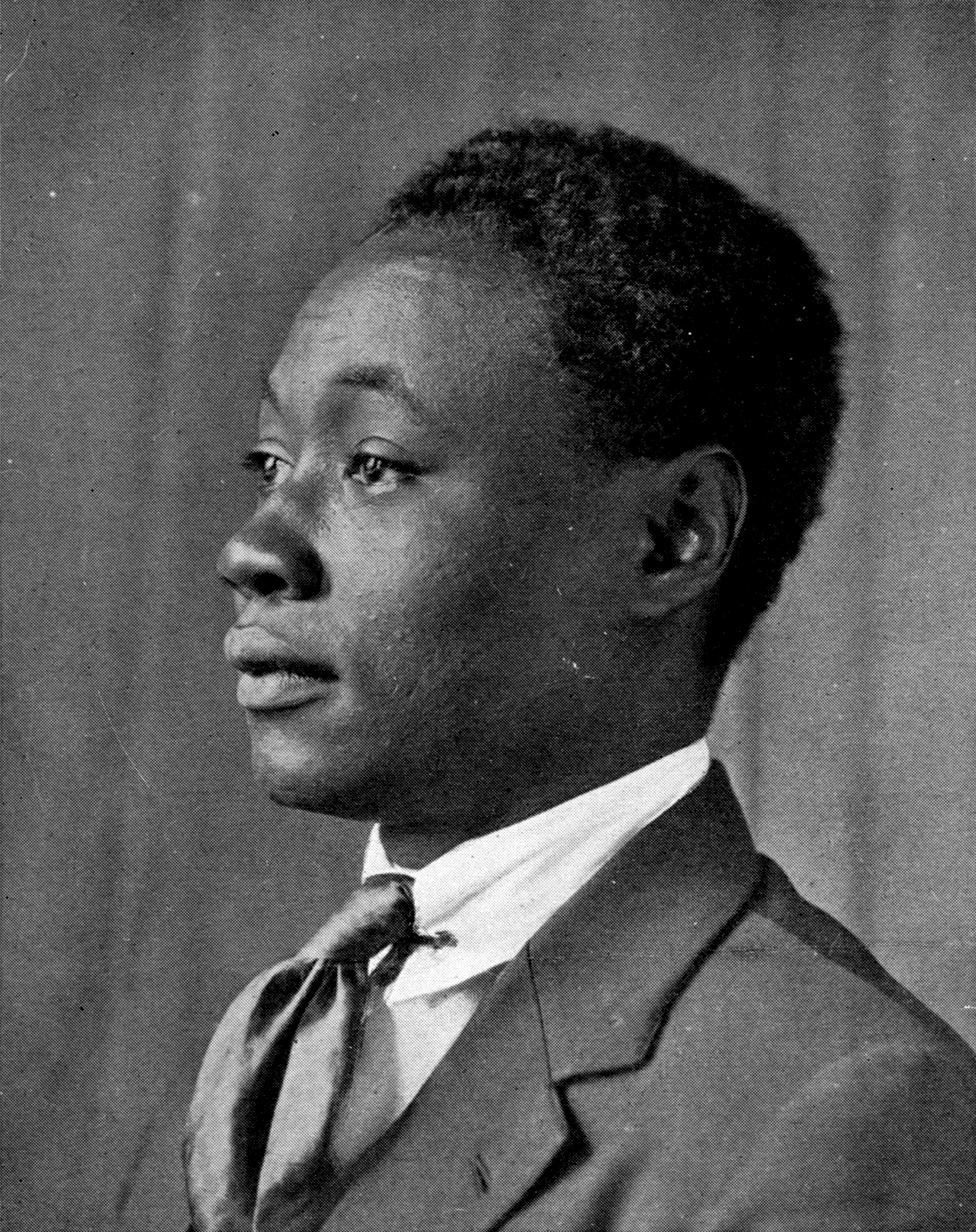
Editor's Note: The poet Claude McKay was born in Jamaica in 1889 and attended college in the United States. He published his first sonnets in 1917 and continued to work with the poetic form. The poem below is also a sonnet. In addition to poetry, McKay also wrote novels and essays about Black lives. He was an inspiration to the younger Black poets of the Harlem Renaissance like Langston Hughes. McKay died in 1948.
Although she feeds me bread of bitterness,
And sinks into my throat her tiger's tooth,
Stealing my breath of life, I will confess
I love this cultured hell that tests my youth!
Her vigor flows like tides into my blood,
Giving me strength erect against her hate.
Her bigness sweeps my being like a flood.
Yet as a rebel fronts a king in state,
I stand within her walls with not a shred
Of terror, malice, not a word of jeer.
Darkly I gaze into the days ahead,
And see her might and granite wonders there,
Beneath the touch of Time's unerring hand,
Like priceless treasures sinking in the sand.
Place the letters in order of the poems rhyme scheme.
b
a
c
a
b
a
b
b
a
a
a
c
b
b
Read the following lines from the poem.
Her vigor flows like tides into my blood, / Giving me strength erect against her hate.
How does the poet’s use of a simile contribute to the meaning of the lines?
In line 11, the word "darkly" is most likely used to convey which of the following?
"bread of bitterness" and "tiger's tooth" are examples of what device?
Read the following lines from the poem.
I stand within her walls with not a shred / Of terror, malice, not a word of jeer.
Which answer choice is the BEST definition of the word “jeer” as used in the lines?
What are the female pronouns referring to?
Part A: Which of the following BEST describes the speaker of the poem?
Part B: Which lines best support the answer to number 4?
How would the meaning of the poem change if it were written as a story?
What is the MOST LIKELY reason the author chose to use a rhyming couplet in the last two lines of the poem?
Identify a major theme of the poem. What word or phrase do you think is the most important in building that theme in the poem? Explain your choice using evidence from the poem.