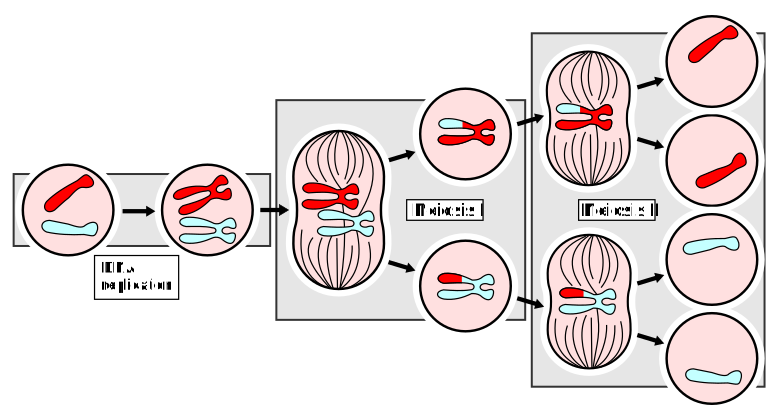
Examine the image above carefully. At the end of meiosis one, the daughter cells are
Examine the image above carefully. At the end of meiosis one, the daughter cells are
Examine the image above carefully. At the end of meiosis one, the daughter cells are
Meiosis is cell division, so is mitosis. Which of the following statements correctly describes the difference between the two processes?
During Meiosis I, split to form haploid cells. During Meiosis II, split to produce 4 genetically different cells
At the end of mitosis, the daughter cells can become different types of body cell. At the end of Meiosis, however, the daughter cells become
During Meiosis I, occurs during Prophase I, increasing the genetic variation in the cells. During Metaphase I, the tetrads line up randomly along the middle of the cell, called . Together, these two processes increase the genetic of the final 4 daughter cells.
Which cell division process leads to genetic variation?
What is the purpose of meiosis in organisms?
How many divisions occur in meiosis?