Understand and describe geologic processes in the formation of rock strata to determine the age and type.
1 point
1
Question 1
1.
Match the following terms. Need to review? Watch this video.
Draggable item
arrow_right_alt
Corresponding Item
fault
arrow_right_alt
Stacked horizontal layers
intrusion
arrow_right_alt
a rock is cut by another rock, then it is older than the rock which has cut it
Law of Superposition
arrow_right_alt
fractures in Earth's crust where rocks on either side of the crack have slid past each other
Law of Cross-cutting
arrow_right_alt
Enters from bottom and occupies some space of another layer
1 point
1
Question 2
2.
Label the following layers/geologic events.
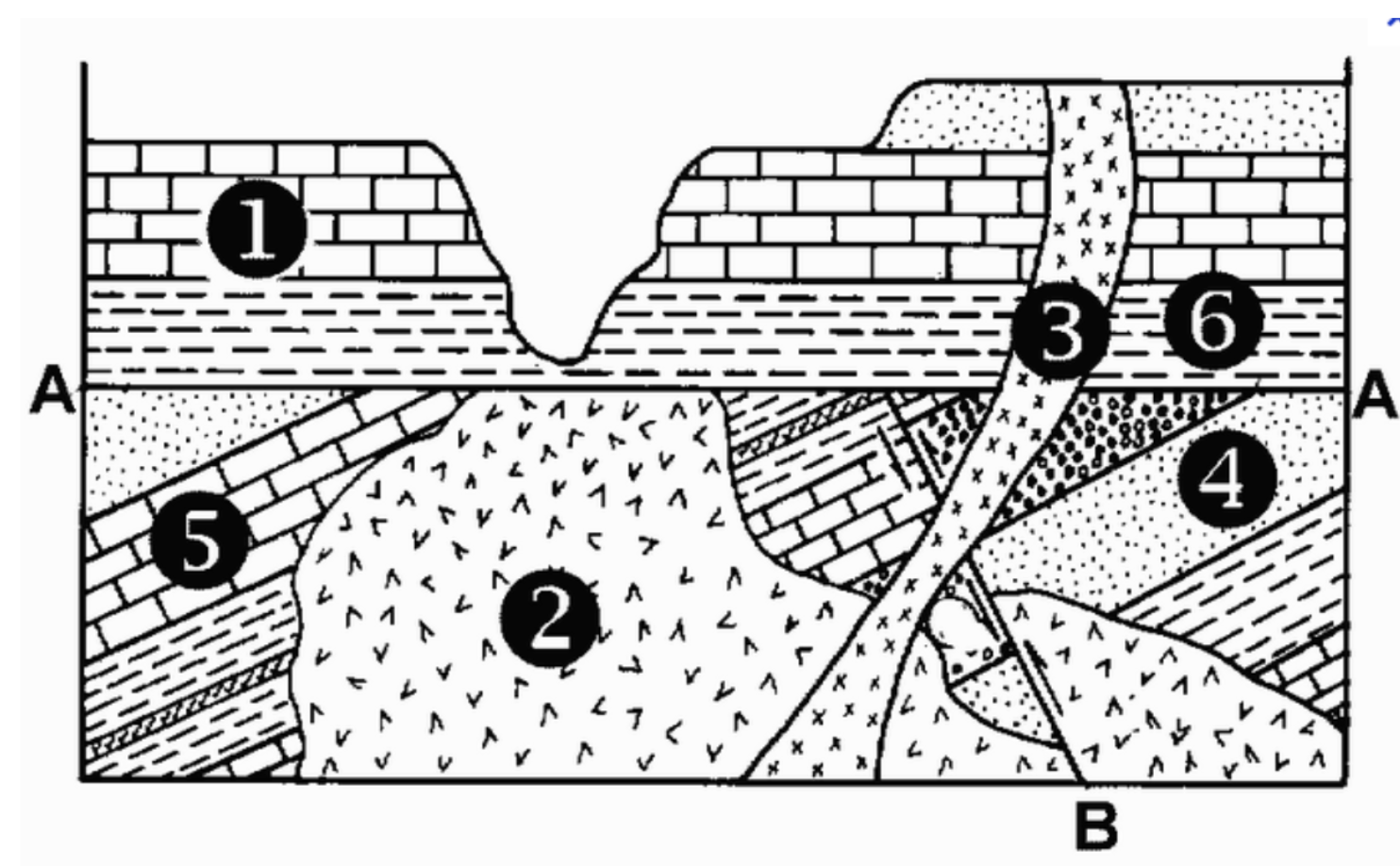
Draggable item
arrow_right_alt
Corresponding Item
3
arrow_right_alt
uncomformity
B
arrow_right_alt
fault
6 & 1
arrow_right_alt
intrusion
A
arrow_right_alt
Law of superposition
1 point
1
Question 3
3.
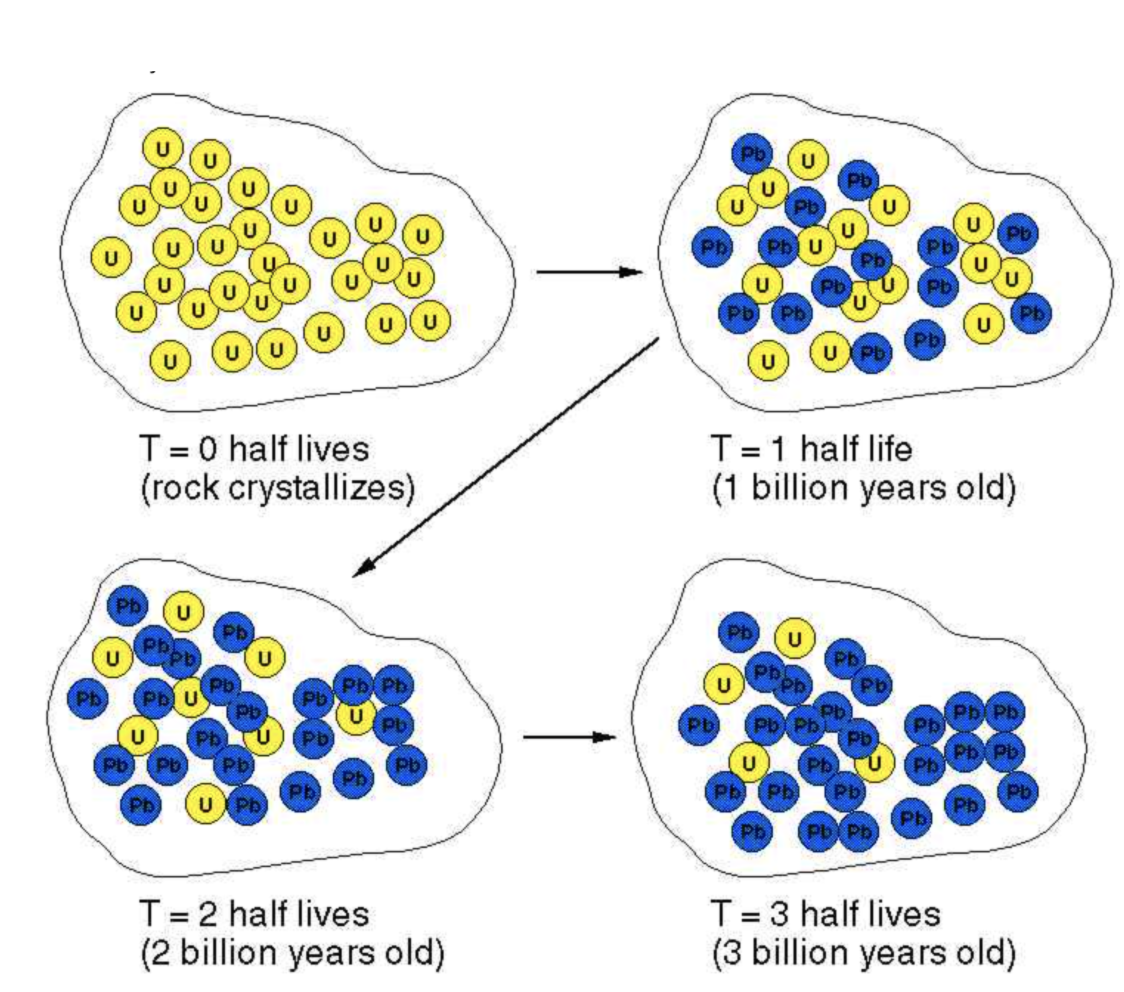
Describe this model of absolute dating. Need to review? Watch this video.
1 point
1
Question 4
4.
Uranium has a half life of 4.5 billion years. A scientist dated a rock sample to be 18 billion years old. How many half lives have passed?
SLO 2
Construct and use a model of the geologic timescale for Earth’s 4.6 billion year history.
SLO 3
Track major events in Earth’s History with evidence: fossil record, volcanic activity, atmospheric changes, asteroid impacts, etc.
On the back of your foldable, list at least 5 events in chronological order that you think are most important in Earth's history. Include how long ago this occurred and a colored illustration.
Example:
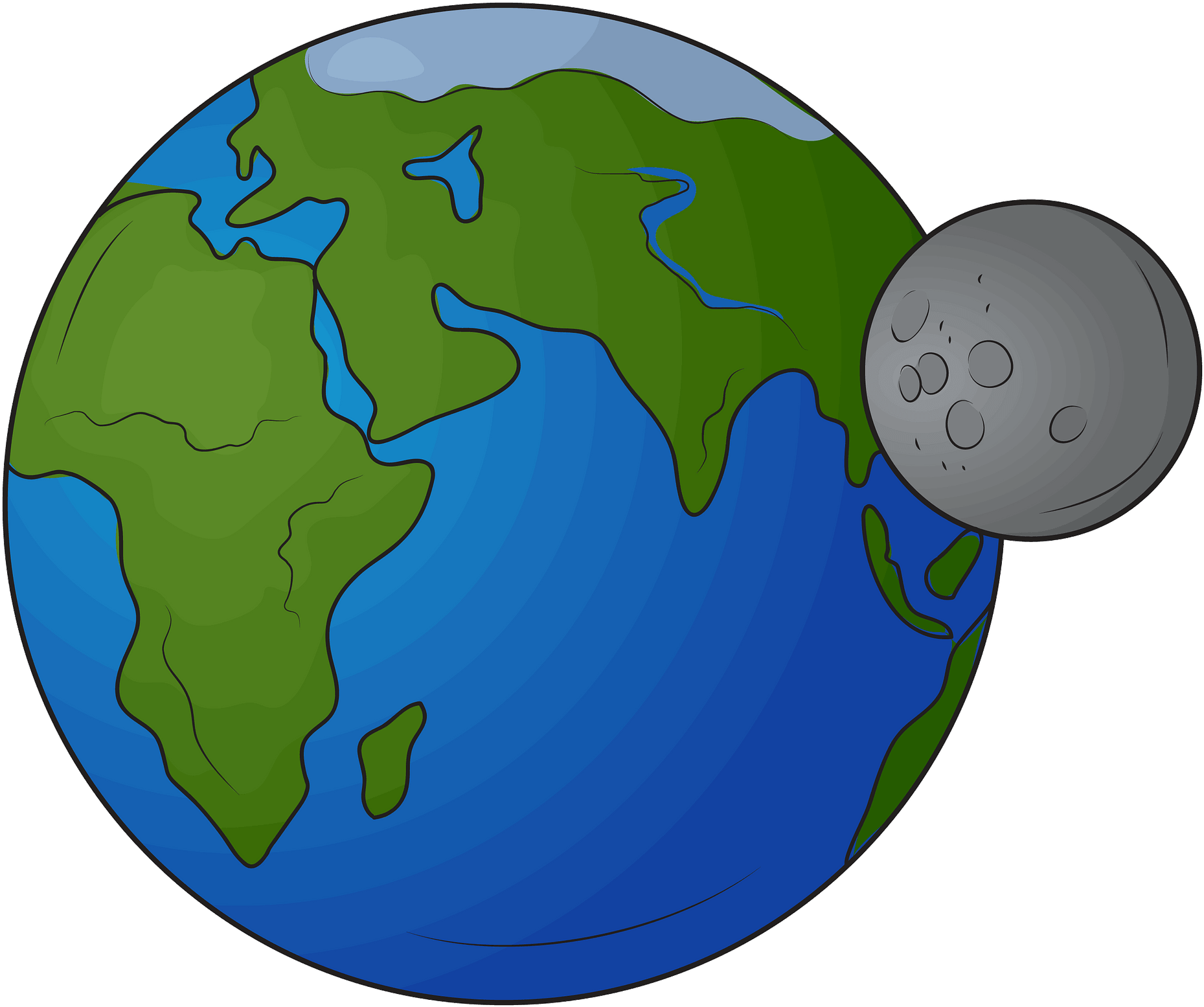
4.5 BYA- Formation of the Earth & Moon
1 point
1
Question 5
5.
Take a Picture of the back of your foldable and insert it here.
2 points
2
Question 6
6.
Check in with a group member. What important event did they include in their timeline that you did not put in yours?
SLO 4
Investigate the diversity of prehistoric ecosystems with patterns and abundance of fossils and other markers.
2 points
2
Question 7
7.
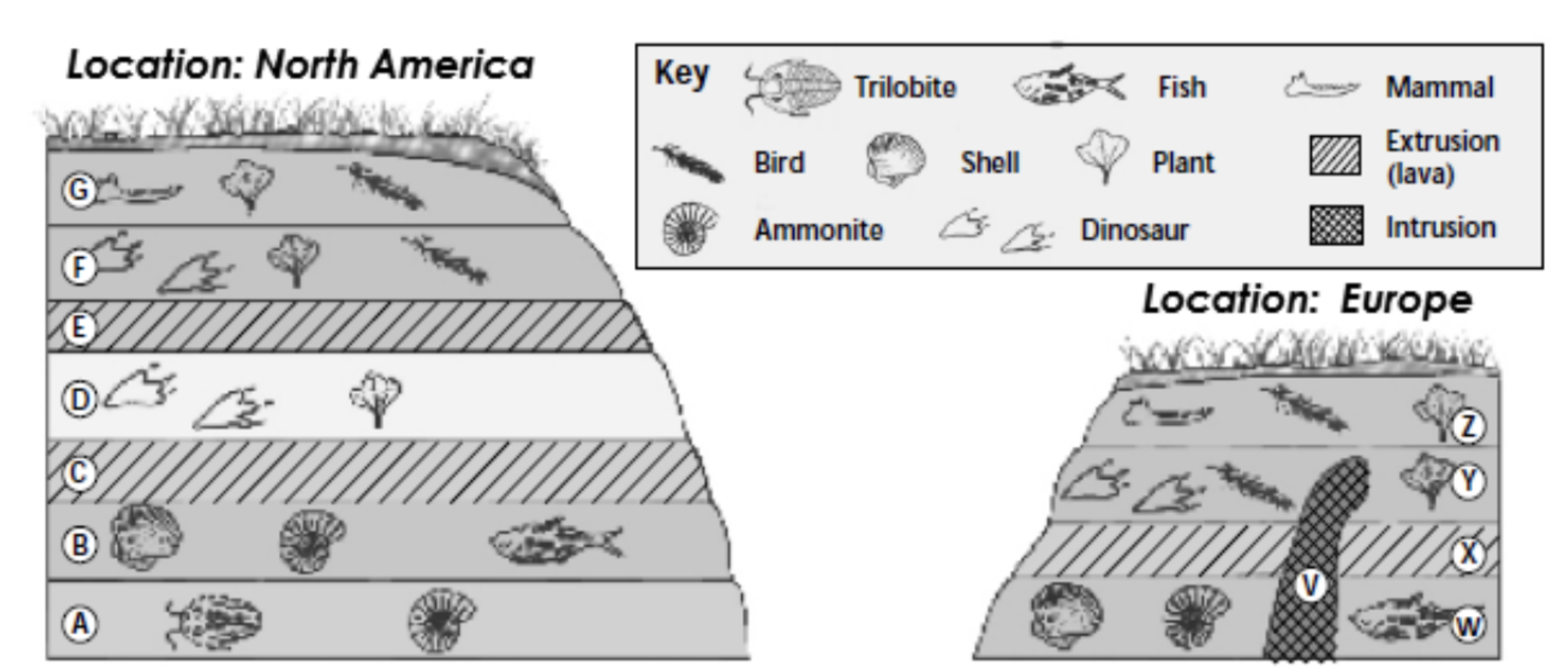
Use the index fossils in the image below to determine which rock layers in North America were formed at the same time as the corresponding layer in Europe.
Draggable item
arrow_right_alt
Corresponding Item
B
arrow_right_alt
W
F
arrow_right_alt
X
G
arrow_right_alt
Y
E
arrow_right_alt
Z
1 point
1
Question 8
8.
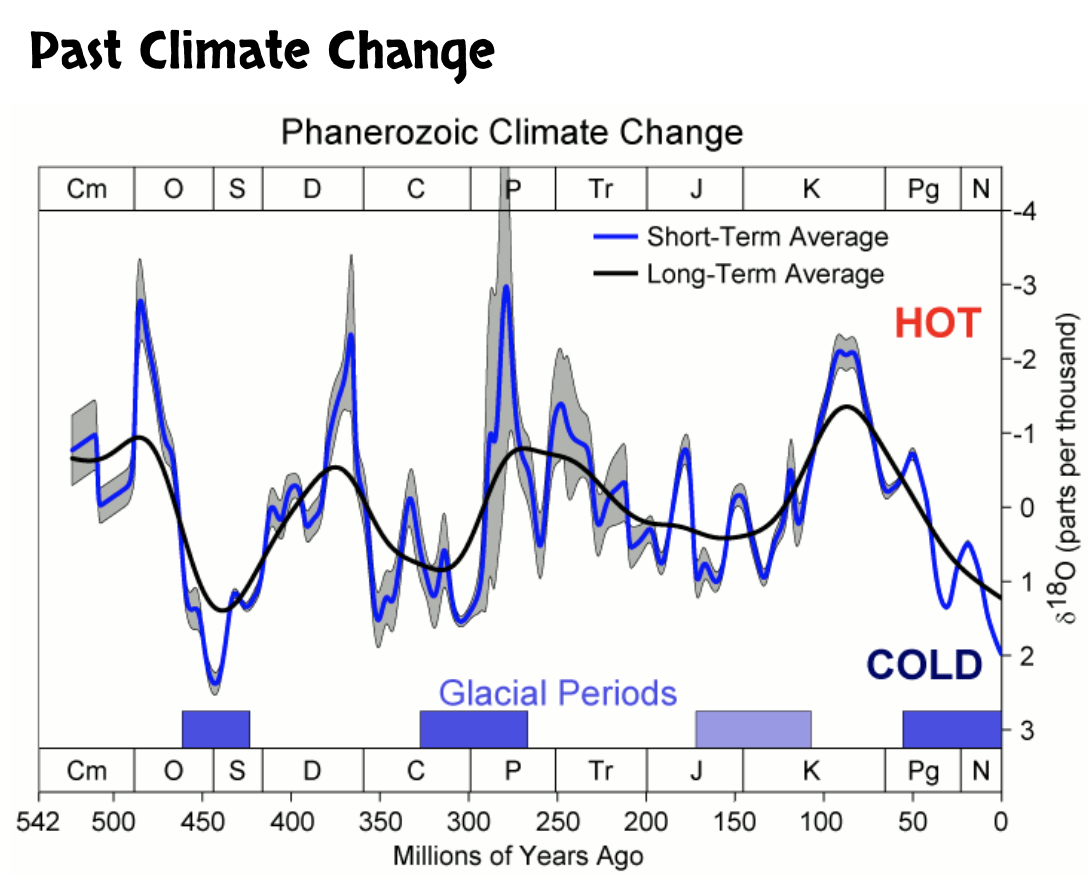
What sea level would you expect for this low point on the graph: (Would sea level rise or fall?)
1 point
1
Question 9
9.
What sea level would you expect for this high point on the graph: (Would sea level rise or fall?)
SLO 5
Use anatomical similarities and differences (in fossils and embryos) to infer evolutionary relationships among modern organism and between modern and fossil organisms
1 point
1
Question 10
10.
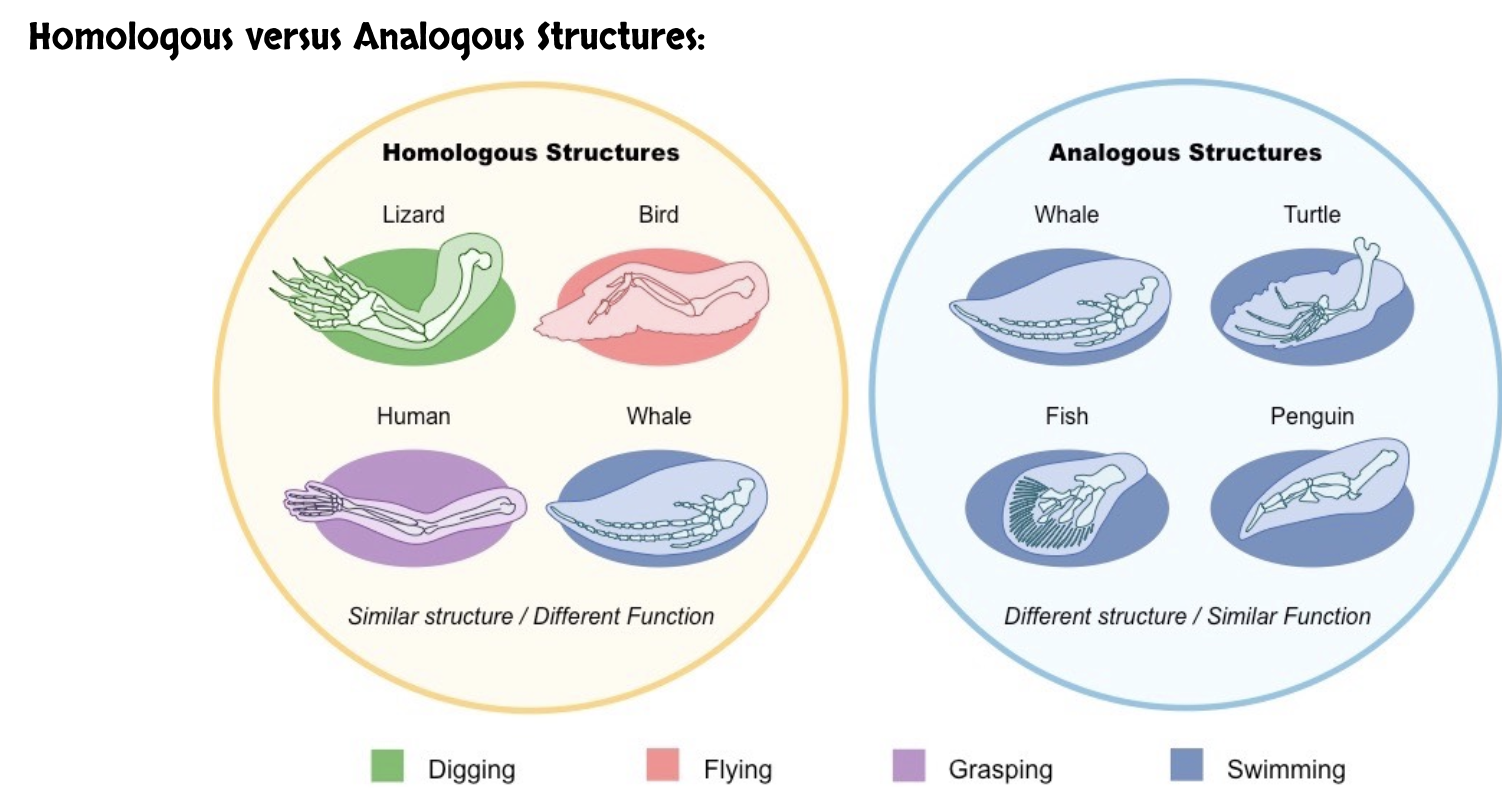
Discuss with your group member, the difference between homologous and analogous structure and write your thoughts below:
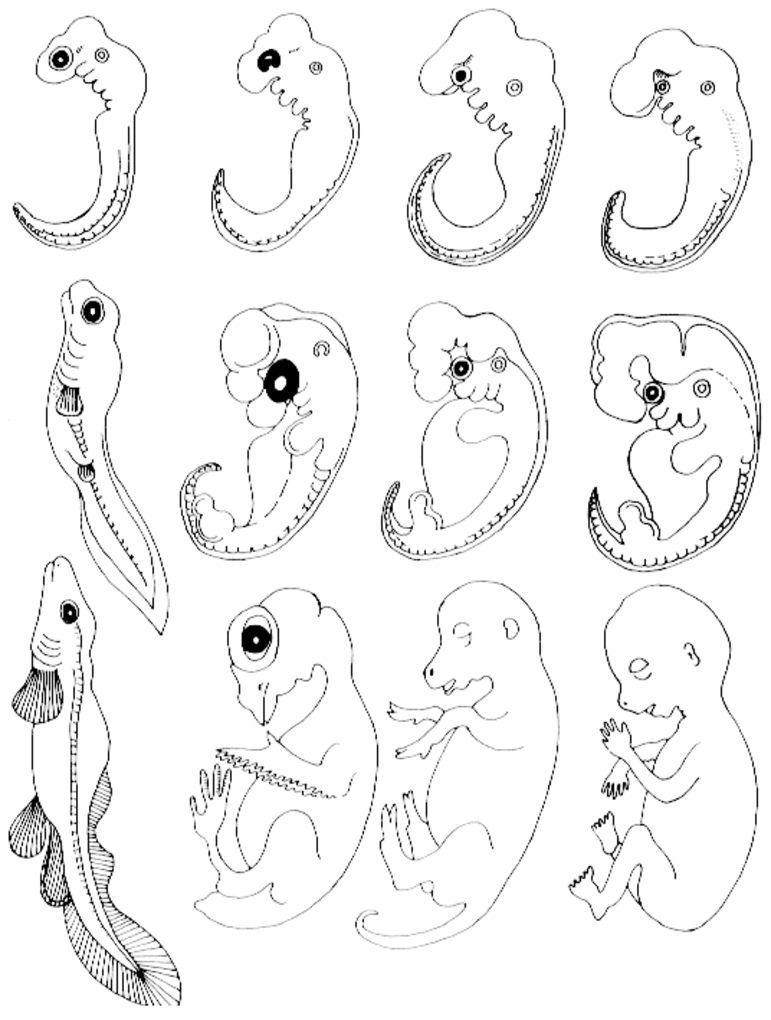
Use this link to complete the EMBRYO Card Sort in DESMOS.
1 point
1
Question 11
11.
Which embryos were easiest to match? Why?
1 point
1
Question 12
12.
Which embryos were most difficult to match? Why?
SLO 6
Used the fossil record to identify patterns of increasing complexity of anatomical structures over time
2 points
2
Question 13
13.
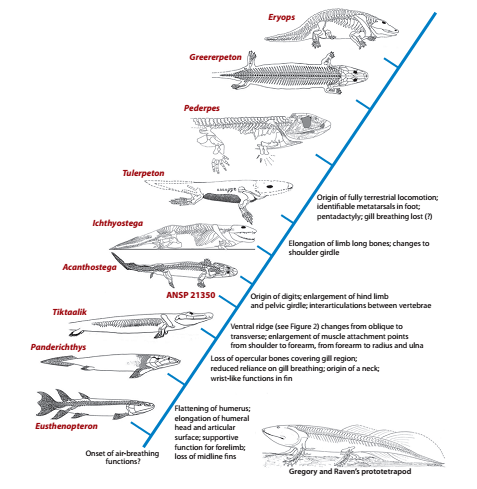
What adaptations did organisms that left the ecosystem of the ocean and moved to the land have to develop in order to be more successful in their new terrestrial ecosystem?
2 points
2
Question 14
14.
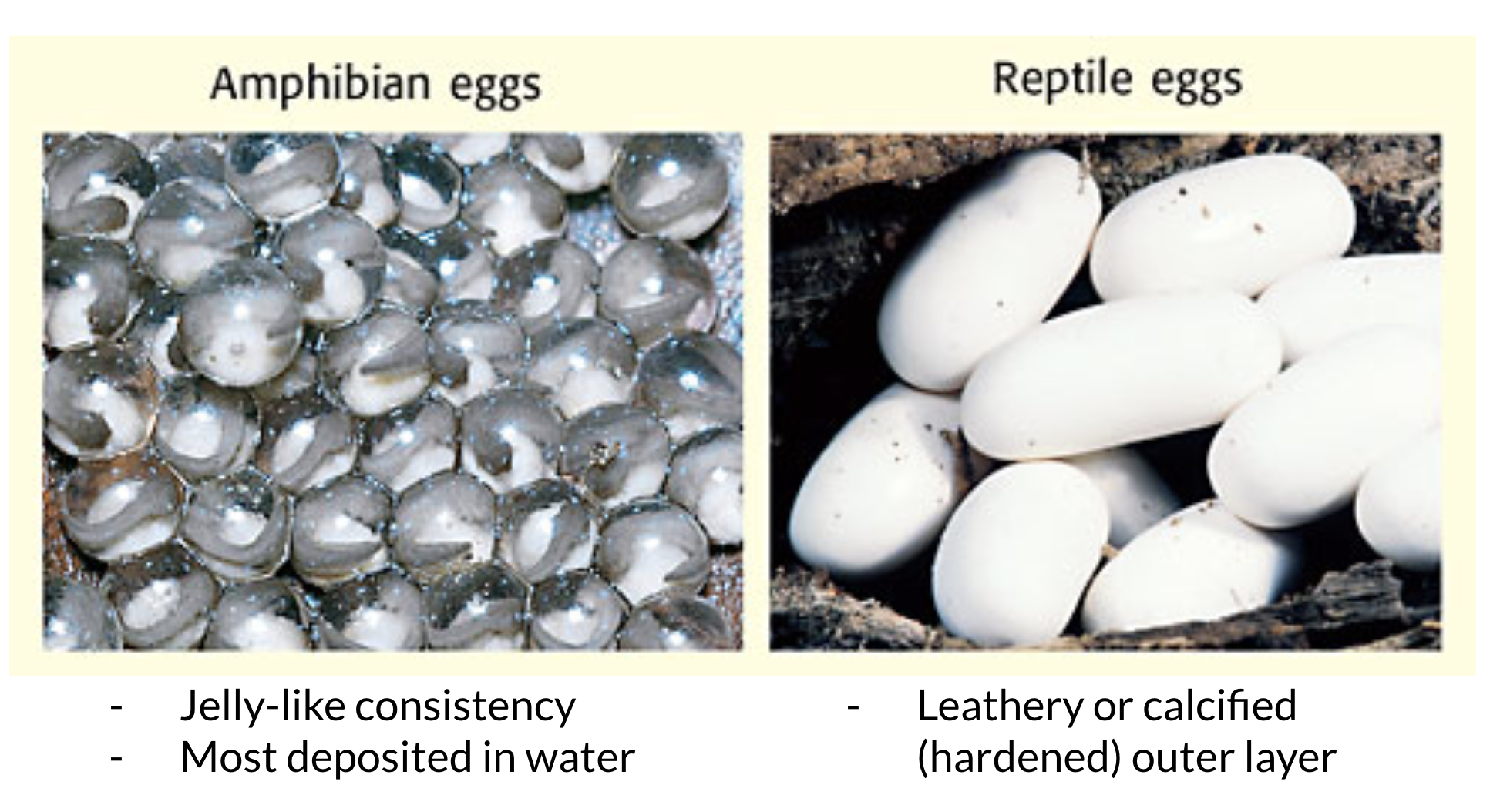
Based on the images of the eggs of amphibians and reptiles, what change in the complexity of the eggs allowed the reptiles to live solely on land? Why was this adaptation necessary?
Finished early? Try this Surviving Extinction Game.