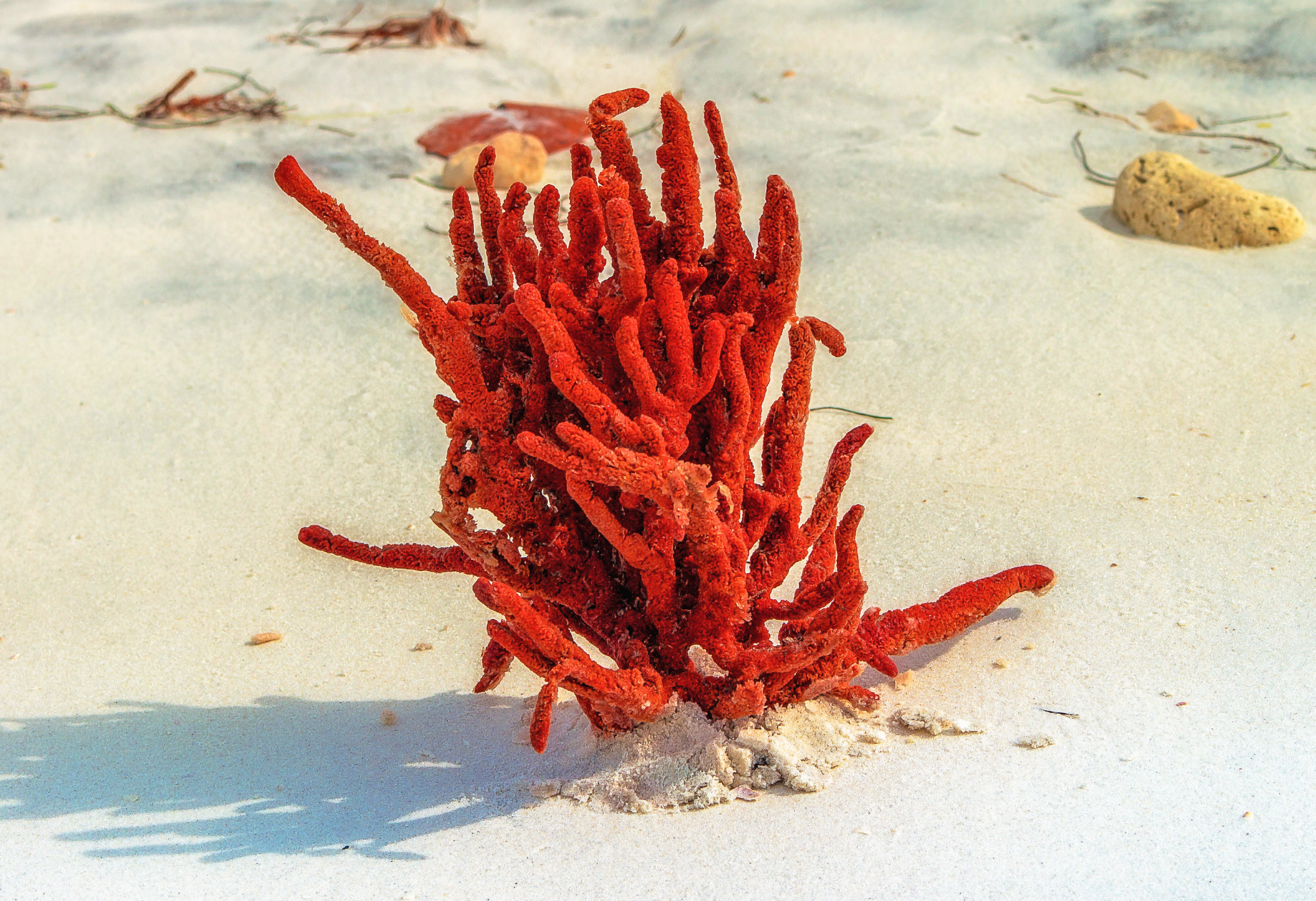
This animal appears to exhibit ___.

This animal appears to exhibit ___.
Organisms in the animal kingdom are usually ____. (mark all that apply)
A large majority of animals in the animal kingdom have ___.
Humans have ___.
Humans have ___.
Animals with no head, whose bodies are set up around a circular pattern, are said to exhibit which trait?
This animal appears to exhibit ___.
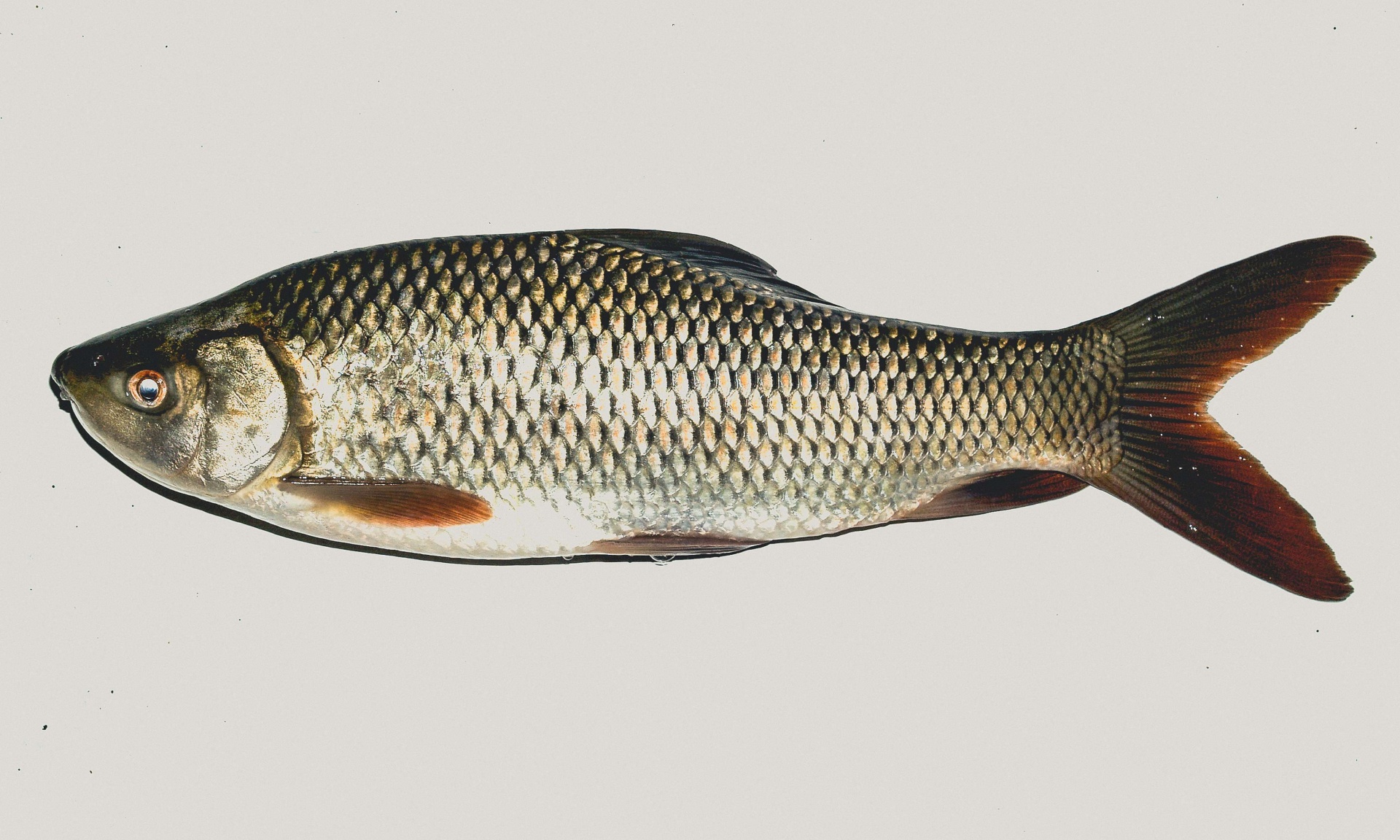
This animal appears to exhibit ___.
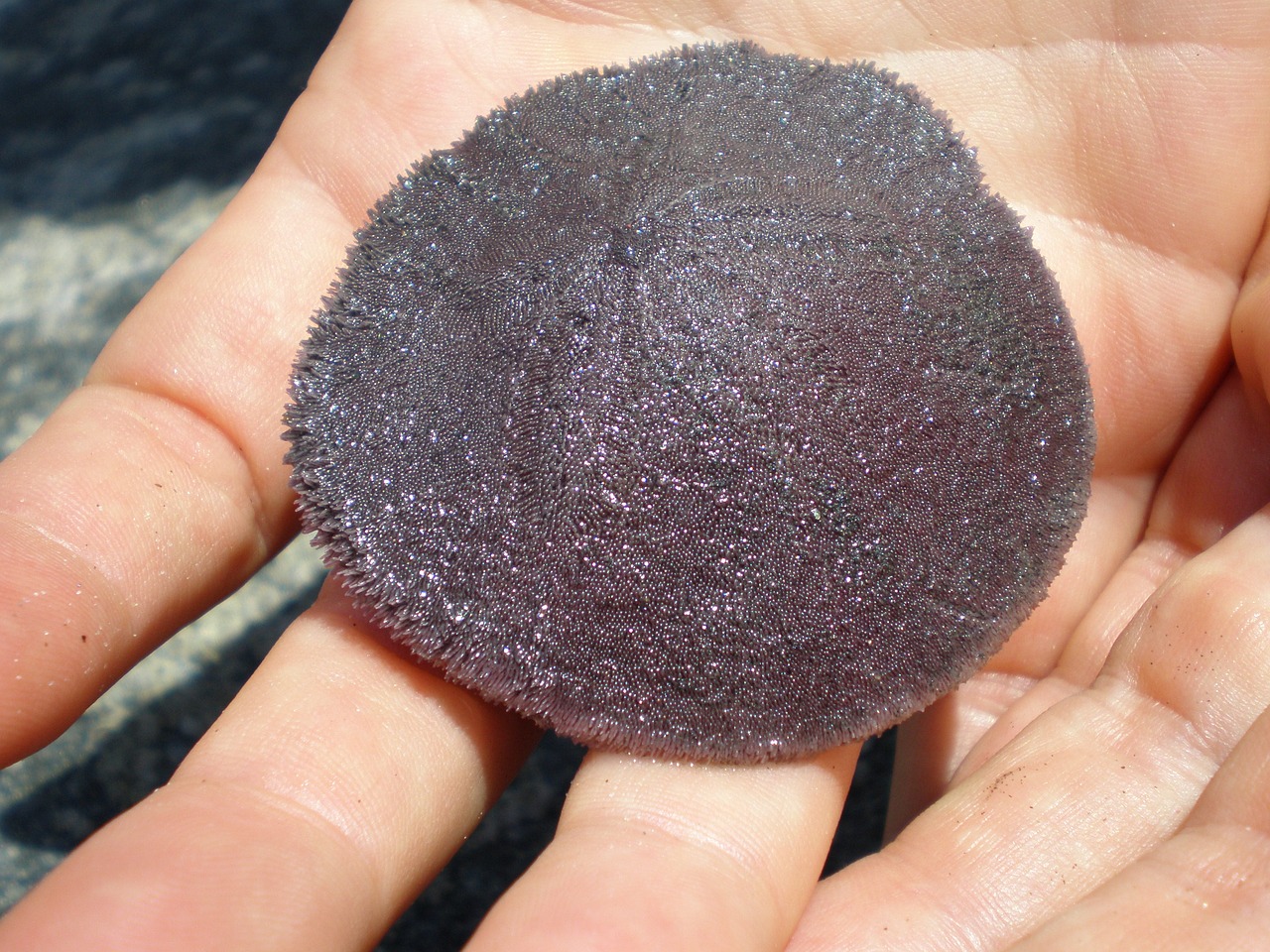
This animal appears to exhibit ___.
Which of the following phyla consists of animals that are usually microscopic?
Which of the following phyla consists of animals that are usually aquatic? Choose the best answer.
Which of the following phyla consists of animals that change symmetry when they become adults?
Which of the following phyla consists of animals that are usually aquatic? Choose the best answer.
Which of the following phyla consists of animals that are usually vertebrates? Choose the best answer.
Which classes of chordates breathe air as adults? Mark all that apply.
Which classes of chordates usually exhibit external fertilization, in which eggs are fertilized after leaving the body? Mark all that apply.
Which of the following is a true statement about organ systems?
Homeostasis is when your body is maintaining ___.
You discover a new animal. You identify it as a Chordate. You now need to determine its class. Ask three questions below that would provide you with enough evidence to properly classify this organism. (For example: What does it eat? but don't use that one) You will not have to answer the questions nor will you have to actually classify the organism. You will be graded on whether or not your questions can lead you to the answer of what class this organism belongs in.
