Twa kɔ nsɛm atitiriw so
Log in
Sign up for FREE
arrow_back
Laabri

2021 STAAR Grade 3 Reading

star
star
star
star
star
Last updated almost 4 years ago
34 Nsɛmmisa
1
3.3.C
1
3.9.D.ii
1
3.10.A
1
3.9.D.ii
1
3.3.D
1
3.10.C
1
3.3.B
1
ELA 3.8C
1
3.10.A
1
3.8.C
1
3.10.D
1
3.6.F
1
3.6.F
1
3.6.F
1
3.10.D
1
3.10.D
1
3.3.C
1
3.3.D
1
3.9.D.ii
1
3.10.A
1
3.10.C
1
3.7.C
1
3.10.A
1
3.6.F
1
3.9.B
1
3.10.D
1
3.6.F
1
3.6.F
1
3.6.F
1
3.7.C
1
3.10.A
1
3.6.F
1
3.6.F
1
3.9.D.ii

Content accessed from https://tea.texas.gov/student-assessment/testing/staar/staar-released-test-questions

Copyright information provided below.

All content on this site is copyrighted by the Texas Education Agency and cannot be used without the express written permission of TEA, except under the following conditions:

  1. Texas public school districts, charter schools, and education service centers can copy materials for district and school educational use.

  2. Residents of the state of Texas can copy materials for personal use.

Do not alter or make partial copies of web content. Do not charge for the reproduced materials or any document containing them except to cover the cost of reproduction and distribution.

If you are in Texas but are not an employee of a Texas public school district or charter school, you must get written approval from TEA to copy materials and enter into a license agreement that may involve paying a licensing fee or a royalty fee.

For more information, email Copyrights@tea.texas.gov.

Asemmisa {{asɛmmisaAhyɛnsode}}
1.

In paragraph 6, the suffix -less helps the reader know that the word helpless means —

Asemmisa {{asɛmmisaAhyɛnsode}}
2.

Which text feature helps the reader locate information about why many animals leave porcupines alone?

Asemmisa {{asɛmmisaAhyɛnsode}}
3.

What is the most likely reason the author wrote this selection?

Asemmisa {{asɛmmisaAhyɛnsode}}
4.

Which section is most likely to give information about what a porcupine eats?

Asemmisa {{asɛmmisaAhyɛnsode}}
5.

Which word is a synonym for nibble in paragraph 4?

Asemmisa {{asɛmmisaAhyɛnsode}}
6.

What is the most likely reason the author includes the map in the selection?

Asemmisa {{asɛmmisaAhyɛnsode}}
7.

Which words from paragraph 14 best help the reader understand what cradled means?

Asemmisa {{asɛmmisaAhyɛnsode}}
8.

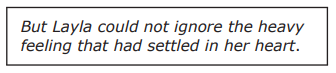
The details in paragraph 1 are important to the plot of the story because they help the reader understand that Layla —

Asemmisa {{asɛmmisaAhyɛnsode}}
9.

What is the main message of the story?

Asemmisa {{asɛmmisaAhyɛnsode}}
10.

Which of these events leads to Layla finding the geode?

Asemmisa {{asɛmmisaAhyɛnsode}}
11.

Read this sentence from paragraph 10.

The imagery in this sentence suggests that Layla feels —

Asemmisa {{asɛmmisaAhyɛnsode}}
12.

Read paragraph 11.

What do these sentences show about Layla?

Asemmisa {{asɛmmisaAhyɛnsode}}
13.

What is the most likely reason Layla decides against taking the geode home?

Asemmisa {{asɛmmisaAhyɛnsode}}
14.

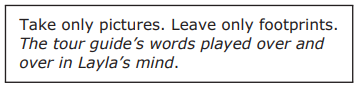
What can the reader tell about how Layla feels toward the tour guide?

Asemmisa {{asɛmmisaAhyɛnsode}}
15.

The imagery in the first sentence of the story helps the reader understand that Layla is —

Asemmisa {{asɛmmisaAhyɛnsode}}
16.

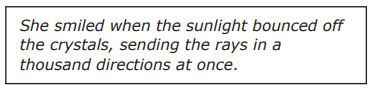
Read this sentence from paragraph 13.

The author uses this description to suggest that —

Asemmisa {{asɛmmisaAhyɛnsode}}
17.

The prefix un- helps the reader understand that unnoticed in paragraph 1 means —

Asemmisa {{asɛmmisaAhyɛnsode}}
18.

Which word means the opposite of curved in paragraph 3?

Asemmisa {{asɛmmisaAhyɛnsode}}
19.

Which section contains information about what sloths eat?

Asemmisa {{asɛmmisaAhyɛnsode}}
20.

What is the most likely reason the author includes the details in paragraph 1?

Asemmisa {{asɛmmisaAhyɛnsode}}
21.

Which idea from the selection does the author best support by including the first three photographs?

Asemmisa {{asɛmmisaAhyɛnsode}}
22.

Which sentence from the selection suggests that the author likes sloths?

Asemmisa {{asɛmmisaAhyɛnsode}}
23.

What is the most likely reason the author wrote this selection?

Asemmisa {{asɛmmisaAhyɛnsode}}
24.

Lines 18 through 21 suggest that the speaker feels —

Asemmisa {{asɛmmisaAhyɛnsode}}
25.

Which sentence best describes the stanzas of the poem?

Asemmisa {{asɛmmisaAhyɛnsode}}
26.

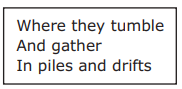
Read lines 15 through 17 of the poem.

These lines help the reader picture the way the leaves —

Asemmisa {{asɛmmisaAhyɛnsode}}
27.

In lines 1 through 4 and lines 28 through 31, the placement of the word “Crunch” is meant to emphasize —

Asemmisa {{asɛmmisaAhyɛnsode}}
28.

Which lines of the poem best show why the speaker likes the leaves?

Asemmisa {{asɛmmisaAhyɛnsode}}
29.

Throughout the poem, the speaker can best be described as feeling —

Asemmisa {{asɛmmisaAhyɛnsode}}
30.

Which sentence supports the conclusion that there are differences in the way bark paper looks even before it is painted?

Asemmisa {{asɛmmisaAhyɛnsode}}
31.

What is the most likely reason the author included paragraph 1 in the selection?

Asemmisa {{asɛmmisaAhyɛnsode}}
32.

How is the paper in the section titled “Make Your Own Amate Painting” different from the bark paper described in the rest of the selection?

Asemmisa {{asɛmmisaAhyɛnsode}}
33.

Which statement best explains why Starr’s discovery was important?

Asemmisa {{asɛmmisaAhyɛnsode}}
34.

Where should a reader look to find information about what happens after bark is stripped from trees?