5.2 Energy in Chemical Reactions
star
star
star
star
star
Last updated almost 4 years ago
16 Nsɛmmisa
Use these resources and the videos provided to help you answer the questions
Breaking bonds always ________________.
Forming or making new bonds always ________________.
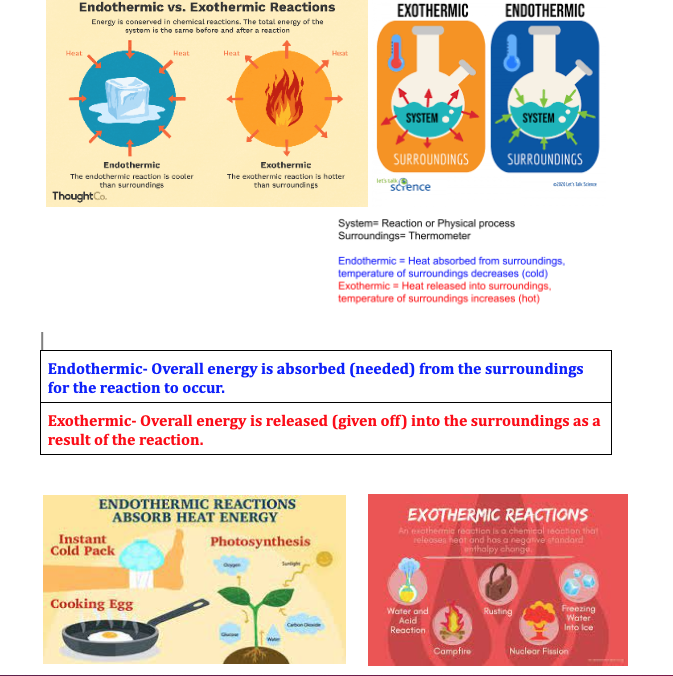
If a reaction overall releases lots of heat energy such as the example in the video, then it is _____________.
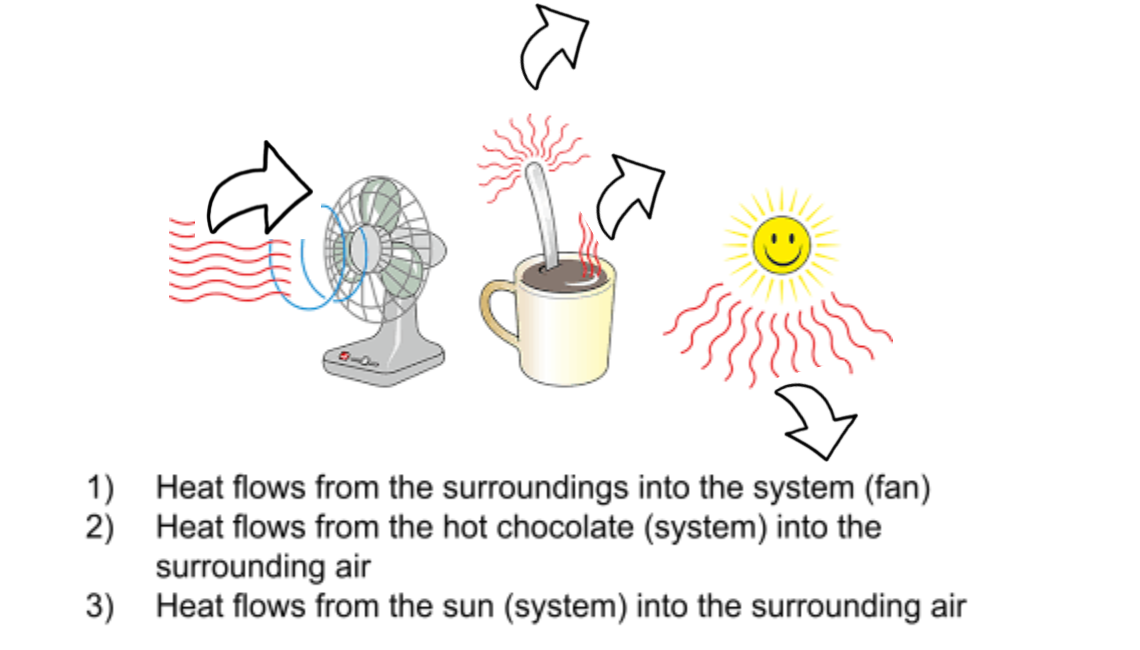
In an endothermic reaction, like the last example in the video, heat is __________
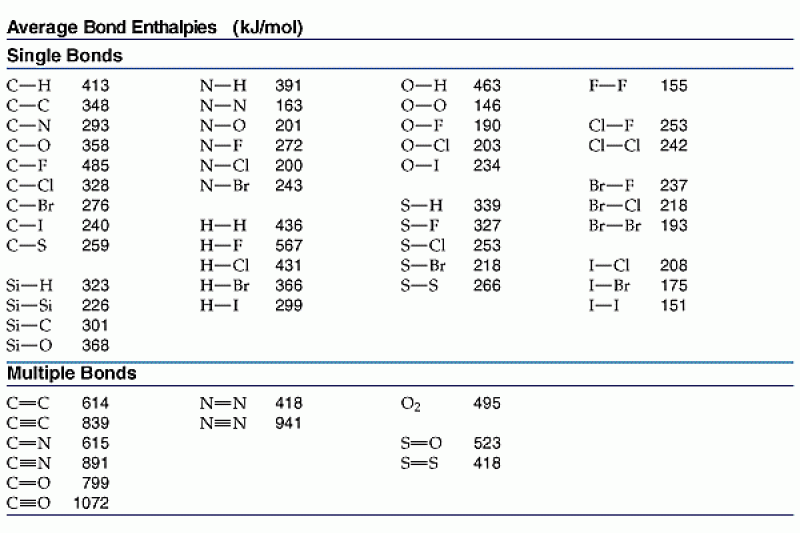
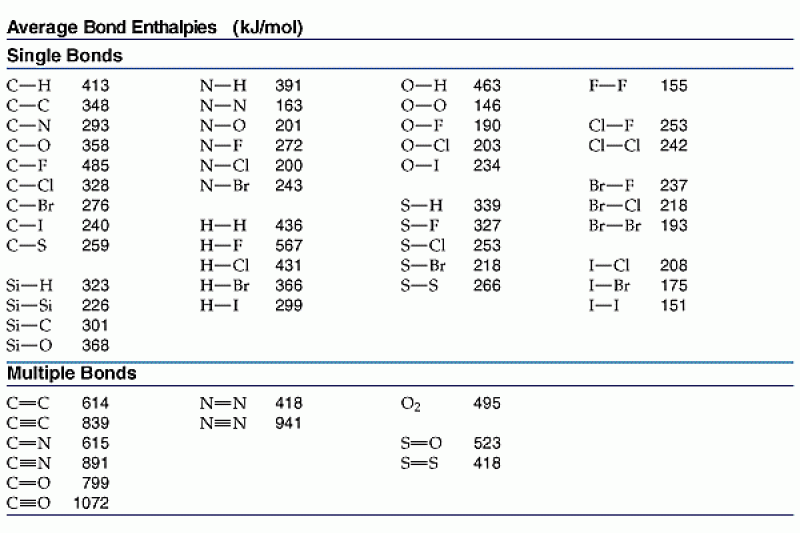
What are 2-3 patterns you notice in the table above?
(i.e. any patterns with the types of elements and the amount of energy needed to break bonds, types of bonds (single, double, triple) related to bond energy etc.)
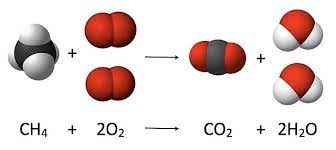
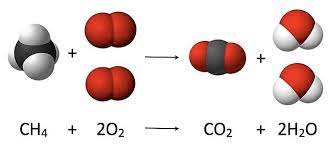
What do bond energies mean in a chemical reaction? Let's look more carefully at a simple combustion reaction
How much energy does it take to break methane (CH4) bonds? (Use the bond energy table to calculate. Remember there are 4 C-H bonds in the molecule)
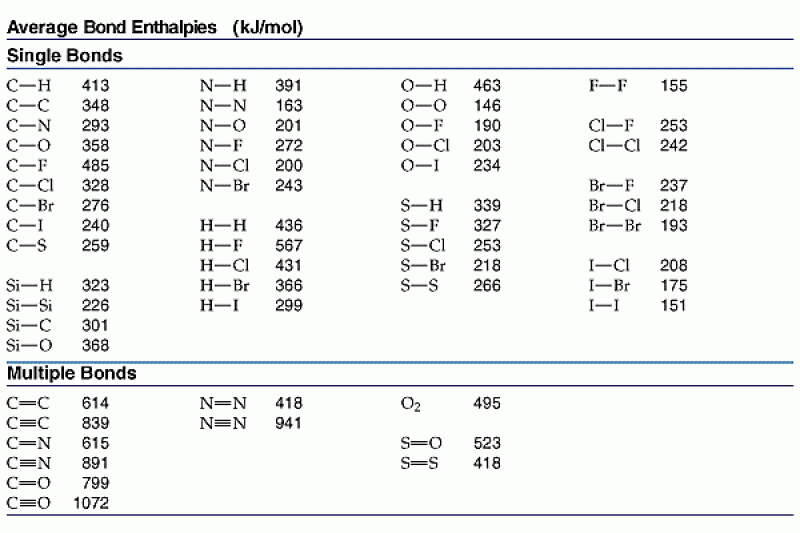
How much energy does it take to break oxygen (O2) bonds? (Use the bond energy table to calculate. Remember that there are 2 O2 molecules that need to break bonds. )
What is the total amount of energy to break all the reactant bonds? (look at last 2 answers to figure this out)
The amount of energy needed to break bonds is equal to the amount of energy that is released when new bonds form.
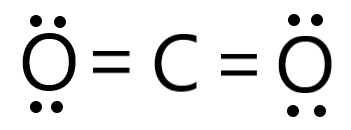
Based on Carbon dioxide's structure (CO2), how much energy is released is when these bonds are formed?
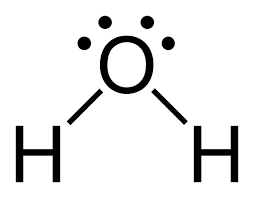
Based on water's structure (H2O), how much energy is released is when these bonds are formed? (Remember that you have 2 total water molecules that will form)
In the chemical reaction above, it takes a total of 2642 KJ/mol to break the reactant bonds in both CH4 and O2. However, there is 3450 KJ/mol of energy that is released when the new products CO2 and H2O form.
Since the amount of energy needed to break bonds is LESS than the amount of energy released in forming new bonds, which is TRUE about this reaction? SELECT ALL THAT APPLY
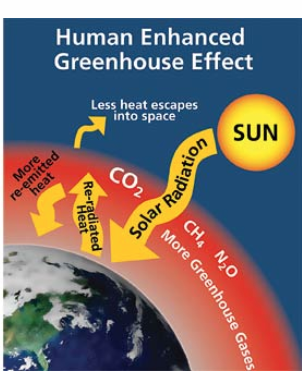
Both Carbon dioxide (CO2) and methane (CH4) are greenhouse gases. This means that they are able to store and trap heat in their bonds, which can then in turn be released back into the atmosphere.
Compare the amount of heat energy that can be released into the atmosphere when carbon dioxide forms versus when methane forms.
Which one has the potential to release more heat energy? (Compare the values from questions 6 and 9)
Which molecule do you think we should be most concerned about in order to reduce the effects of climate change?
What are 3 new things you learned from the video?
What is 1 question you have from the video?
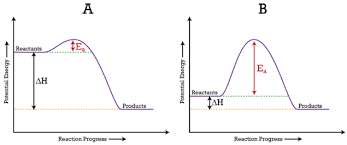
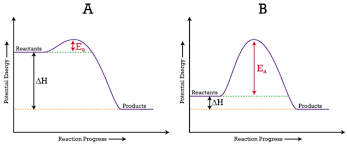
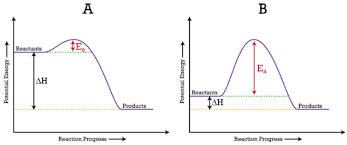
Look carefully at the 2 graphs below that show changes in the potential energy that occur when bonds break and new bonds form during a chemical reaction.
Every chemical reaction starts with a certain amount of potential energy held in the bonds of the reactant molecules.
There is always a certain amount of energy needed to break reactant bonds, this is known as the activation energy or Ea in the diagram.
The change in energy delta H, shows the difference between the potential energy in the product bonds that form from the original potential energy in the reactant bonds.
Based on the video and information above, which do you think is true about diagram A? Select all that apply.
Based on the video and information above, which do you think is true about diagram B? Select all that apply.