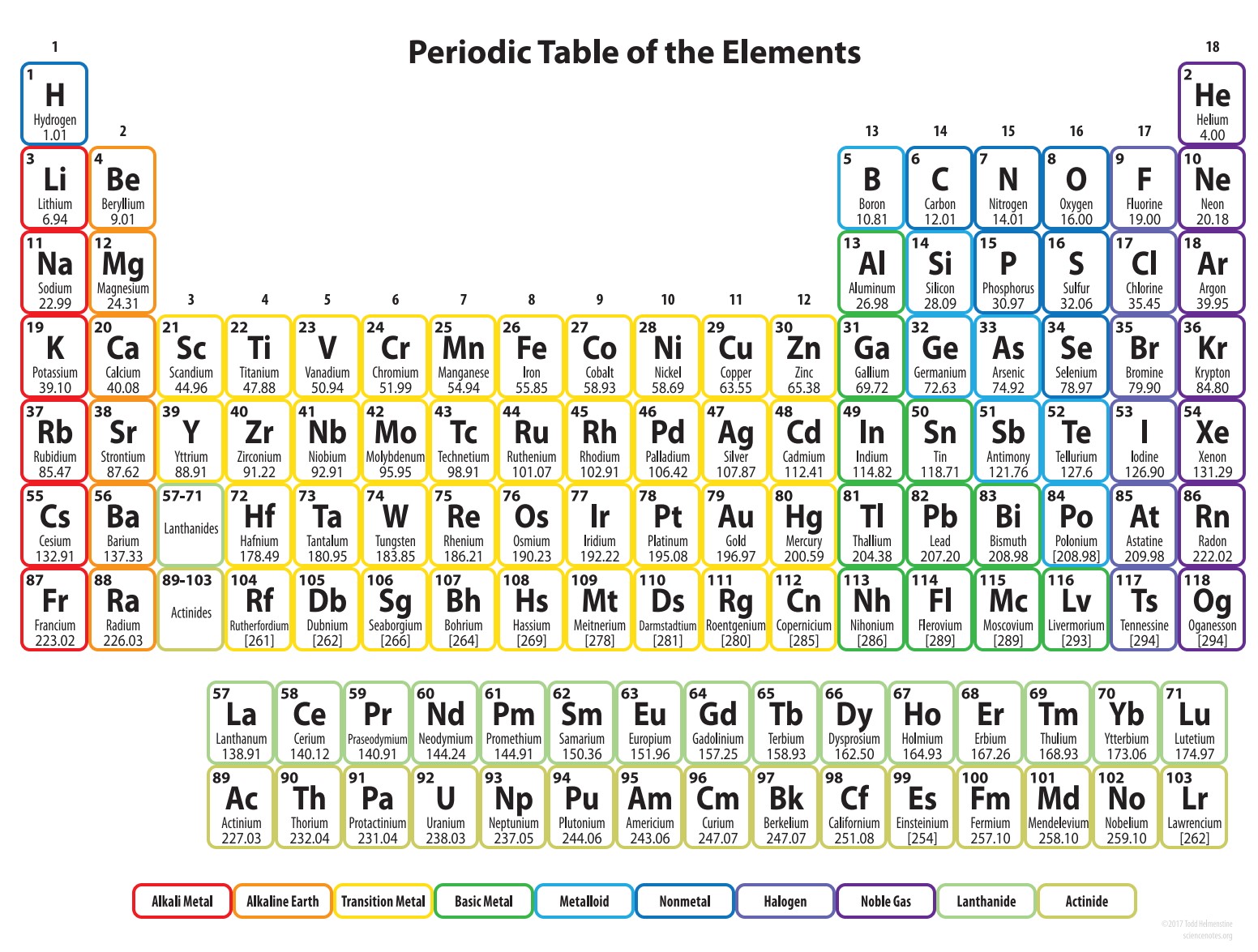
What is the difference between a 'group' and a 'period' on the periodic table?
Required
2 points
2
Question 2
2.
What does the atomic number tell you about an element?
Required
1 point
1
Question 3
3.
Scientist Dmitri Mendeleev created the Periodic Table of Elements.
Required
1 point
1
Question 4
4.
Identify the element that has 20 protons in its nucleus using the periodic table.
Required
2 points
2
Question 5
5.
What is the elemental symbol for Iron?
Required
3 points
3
Question 6
6.
Select all the TRUE statements about molecules.
Required
2 points
2
Question 7
7.
_______ and _______ can both have two or more different atoms bonded together to form substances.
Required
2 points
2
Question 8
8.
Which examples are Physical Changes?
Required
2 points
2
Question 9
9.
What is the difference between a physical change and chemical change?
Required
2 points
2
Question 10
10.
In physical changes, substances might change in _______ but not in composition.
Required
2 points
2
Question 11
11.
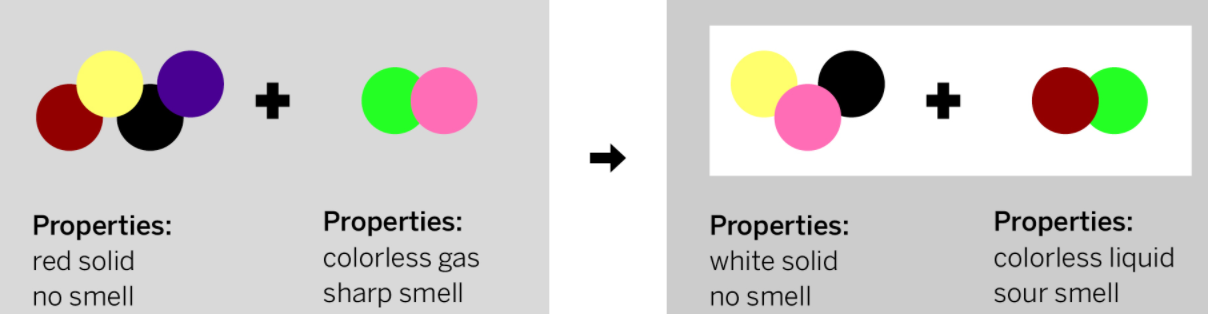
What happens to atoms after a chemical change?
Required
6 points
6
Question 12
12.
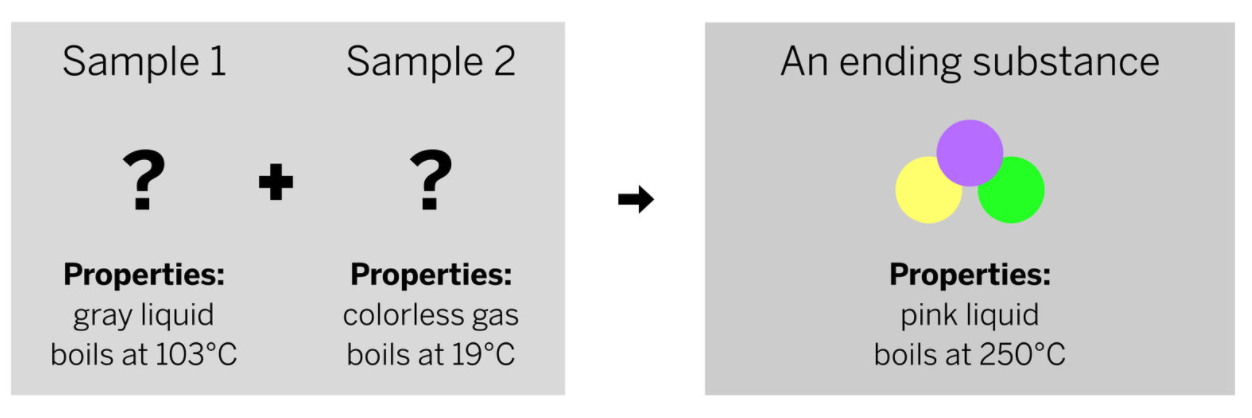
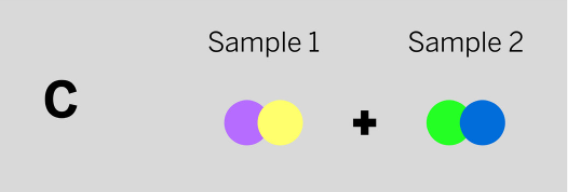
Explain how either choice B or choice C makes the statement about the ending substance a TRUE statement. Use complete sentences when you write your response.
Required
4 points
4
Question 13
13.
Select ALL the options that demonstrate the physical properties of matter.
Required
2 points
2
Question 14
14.
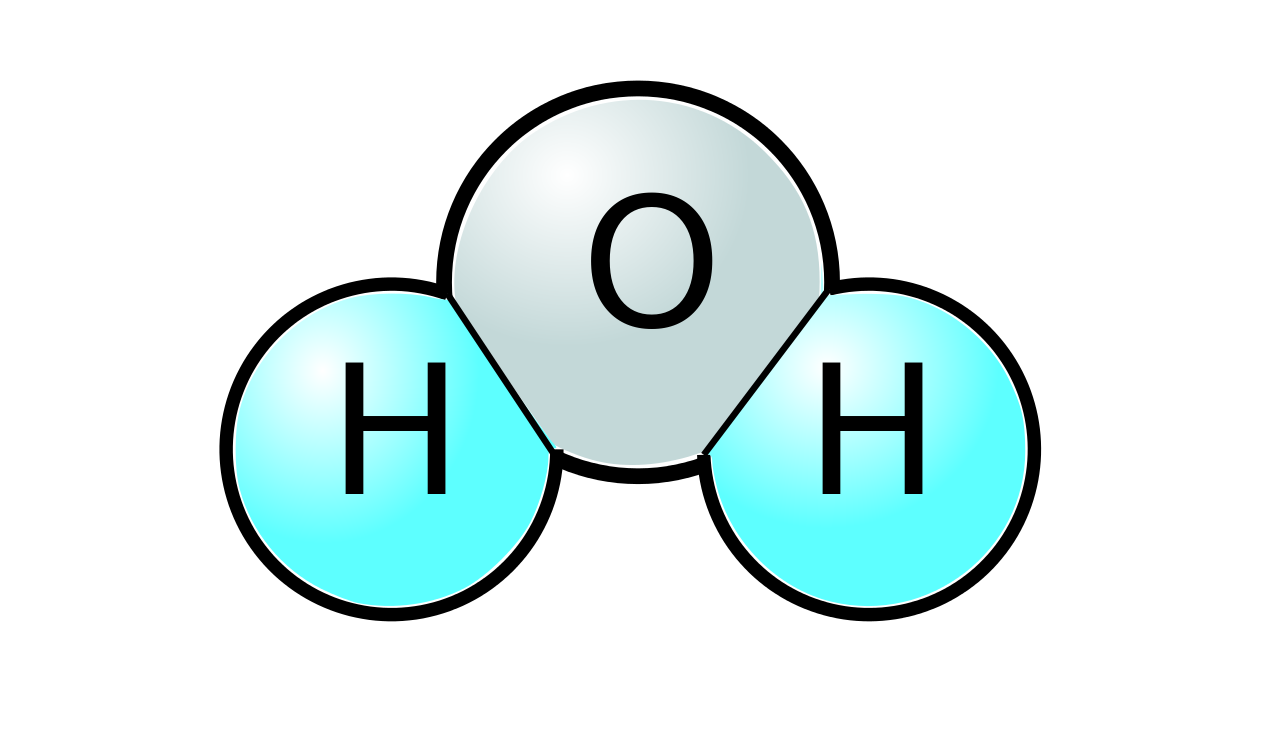
How many atoms are part of this molecule?
Required
2 points
2
Question 15
15.
What is the atomic number of the element - Oxygen?
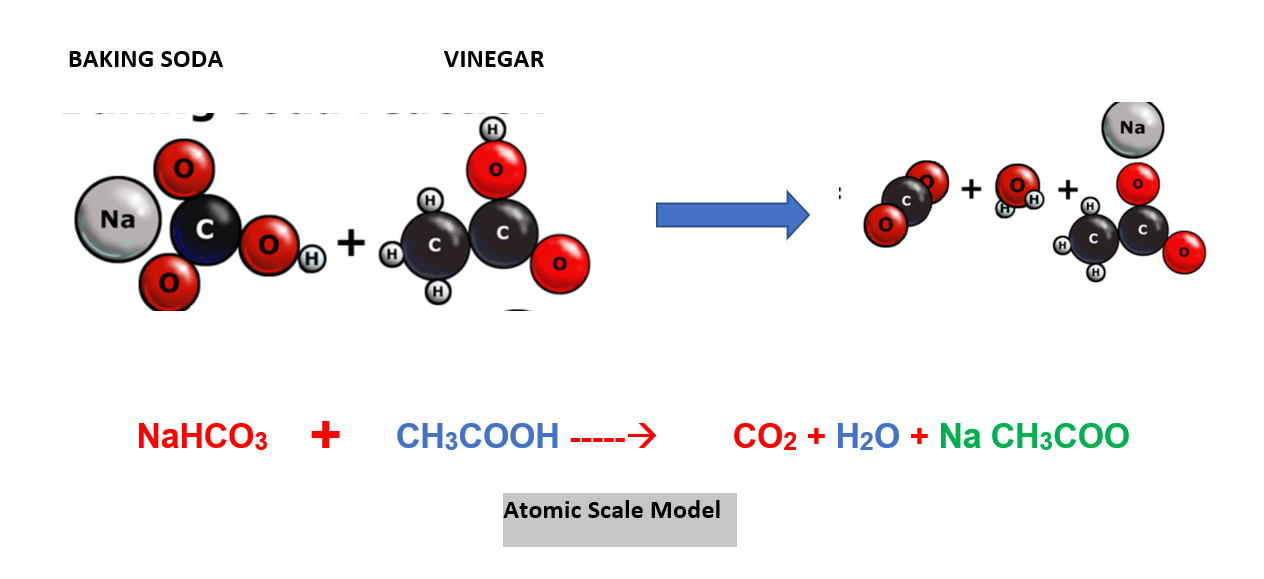
Explain how this chemical formulademonstrates how a chemical reaction has occurred.
Required
4 points
4
Question 16
16.
2 points
2
Question 17
17.
This chemical formula correctly demonstrates the Conservation of Matter Law, which states matter can't be created or destroyed. Matter can only be transformed through conservation through physical or chemical changes.
Required
9 points
9
Question 18
18.
Does this model correctly show why the properties of the ending substances are different from the properties of the starting substances?Describe what could be correct or incorrect about his model.