Unit 5.2 Classwork: The Roaring 20s Stations Activity

Last updated over 1 year ago
9 questions
Note from the author:
Directions: Please answer the following questions based on the stations in class. If you were absent from class, click here to access the station work materials.
1

Warm Up: What does the "American dream" mean to you?

Under "Show Your Work" circle the component that is most important to you.
Stations Activity: Please review the materials at each station and answer the corresponding questions to get a better sense of how the United States developed at the turn on the twentieth century.

All writing should in your own words and in complete sentences.

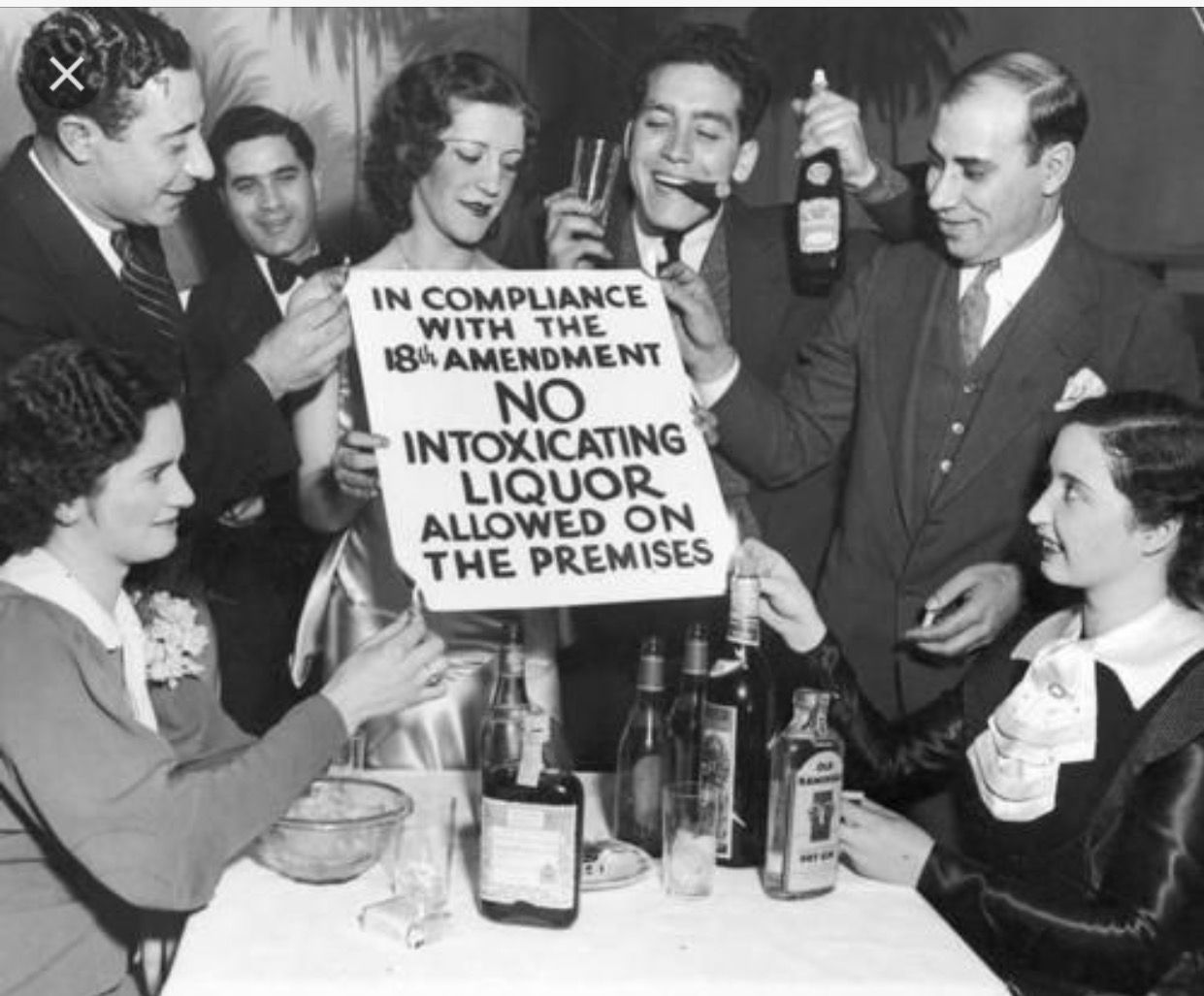
Station 1: Flashy New Lifestyle - Flappers & Bootlegging

1

Fashion: After reading the article in your folder and looking at the images with your group, how would you describe pre and post 1920s fashion?

1

Fashion: In your personal opinion, do you like the style of dress in the 1920s? Why or why not? What similarities do you see between 1920s fashion and 2020s fashion, 100 years later?

1

Prohibition: After reading the article in your folder with your group, how is the history of prohibition and the history of Chicago linked? What was one major effect of prohibition in Chicago?

1

Prohibition: Examine the political cartoon on prohibition in your folder. What is the cartoonist saying about the reasons certain groups of people would want prohibition to continue?

Station Two: The Challenges of Urbanization

Urbanization = The rise of cities and the ways in which cities adapt to the growing urban population.
1

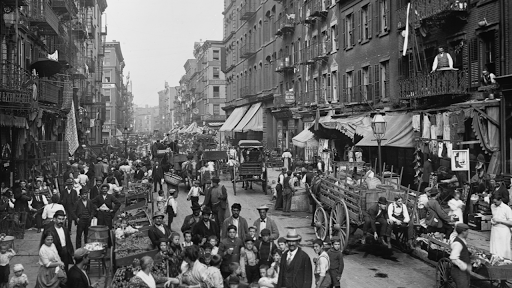
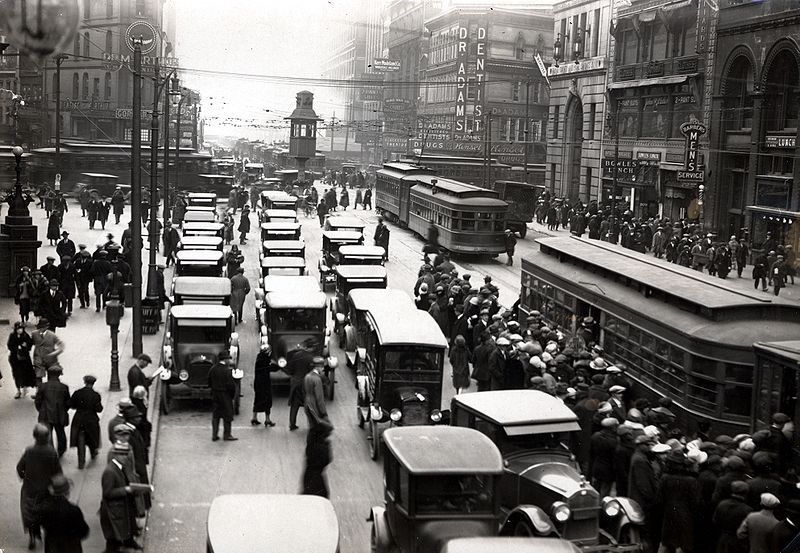
All of the pictures in your folder are primary source images taken from major cities during the Industrial era. As you read the Challenges of Urbanization quotes, decide which image best reflects each component of that reading.

Draggable itemCorresponding Item
"Without dependable trash collection, people
dumped their garbage on the streets. Since garbage was picked up infrequently, people sometimes dumped it into the air shafts, where it attracted vermin. To keep out the stench, residents nailed windows shut."
Image 1
"As the cities grew, so did the challenge of keeping them clean. Horse manure piled up on the streets, sewage flowed through open gutters, and factories spewed foul smoke into the air."
Image 2
"During this time, as the populations of cities increased, so did the homeless population, and pickpockets and thieves flourished. Although New York City organized the first full-time, salaried police force in 1844, it and most other city law enforcement units were too small to have much impact on crime."
Image 3
"The limited water supply in many cities contributed to the spread of fires. Major fires occurred in almost every large American city during the Industrial Era. In addition to lacking water with which to combatblazes, most cities were packed with wooden dwellings, which were like kindlingwaiting to be ignited. The use of candles and kerosene heaters also posed a fire hazard."
Image 4
"As the urban population increased, working-class families in cities had two housing options. They could either buy a house on the outskirts of town, where they would face transportation problems, or rent cramped rooms in a boardinghouse in the central city. Boardinghouses were poorly kept, and exteriors of the buildings were unsightly."
Image 5
"After working-class families left the central city, immigrants often took over their old housing, sometimes with two or three families occupying a one-family residence. These multifamily urban dwellings, called tenements, were overcrowded and unsanitary."
Image 6

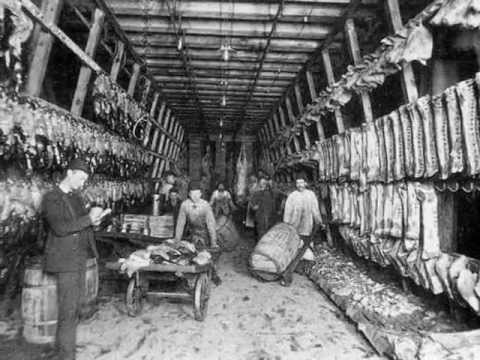
Station 3: Excerpts from Upton Sinclair's The Jungle

In your folder are excerpts from “The Jungle” by Upton Sinclair. He described the filthy conditions of the meat packing industry in Chicago. Sinclair’s vivid and disturbing descriptions of the industry led to the creation of the Food and Drug Administration, which regulates the companies that make our food.
1

Now that you’ve read about the horrendous conditions of the meat-packing industry in Chicago, which two lines were the most shocking to your group? Type the quotes in the box below.

1

Does your group think problems such as these exist in food production today? Consider the conditions of factories, restaurants, and shops from your own lived experience as you explain why or why not.

Exit Ticket:

Let's put everything together! Please make sure your response...
  • supports your opinion using at least two facts from the stations activity.
  • responds in at least three complete sentences.
Example Sentence Starters:
  • In my opinion, the 1920s had a more positive/negative effect on the country because...
  • One example of this is...
  • Another example of this is...
1

After learning about different aspects of the 1920s, do you think the era had a more positive or negative effect on our nation?