What is the difference between you as an individual being scare and your comunity/society as a whole being scared?
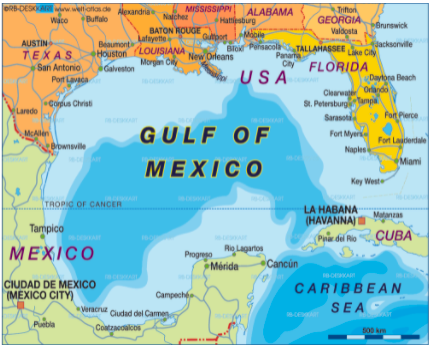
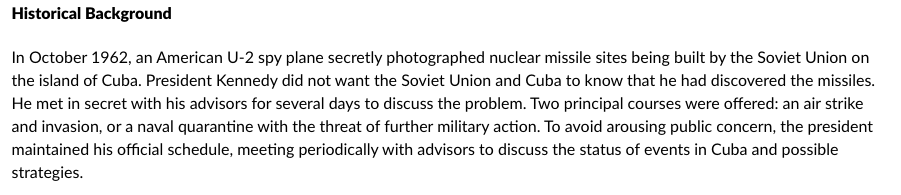
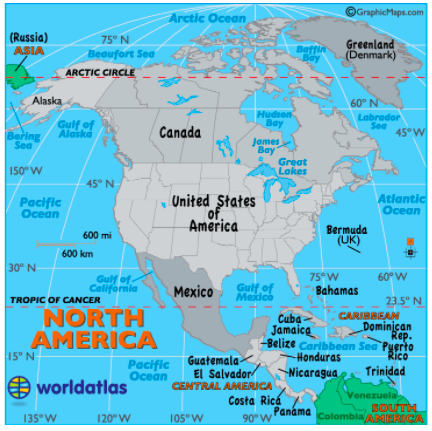
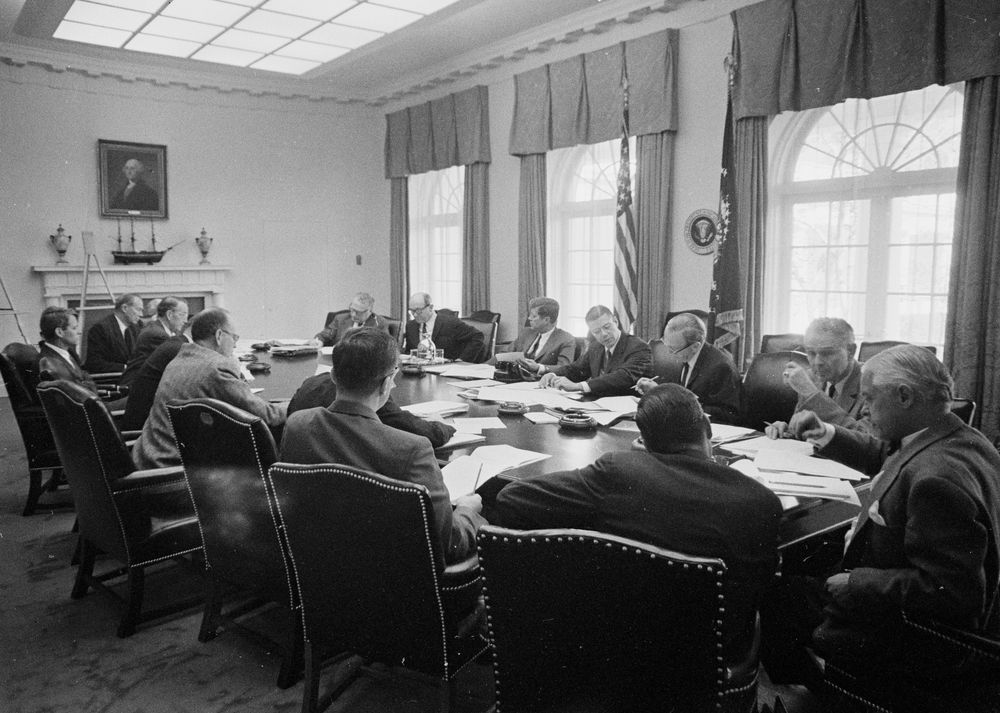
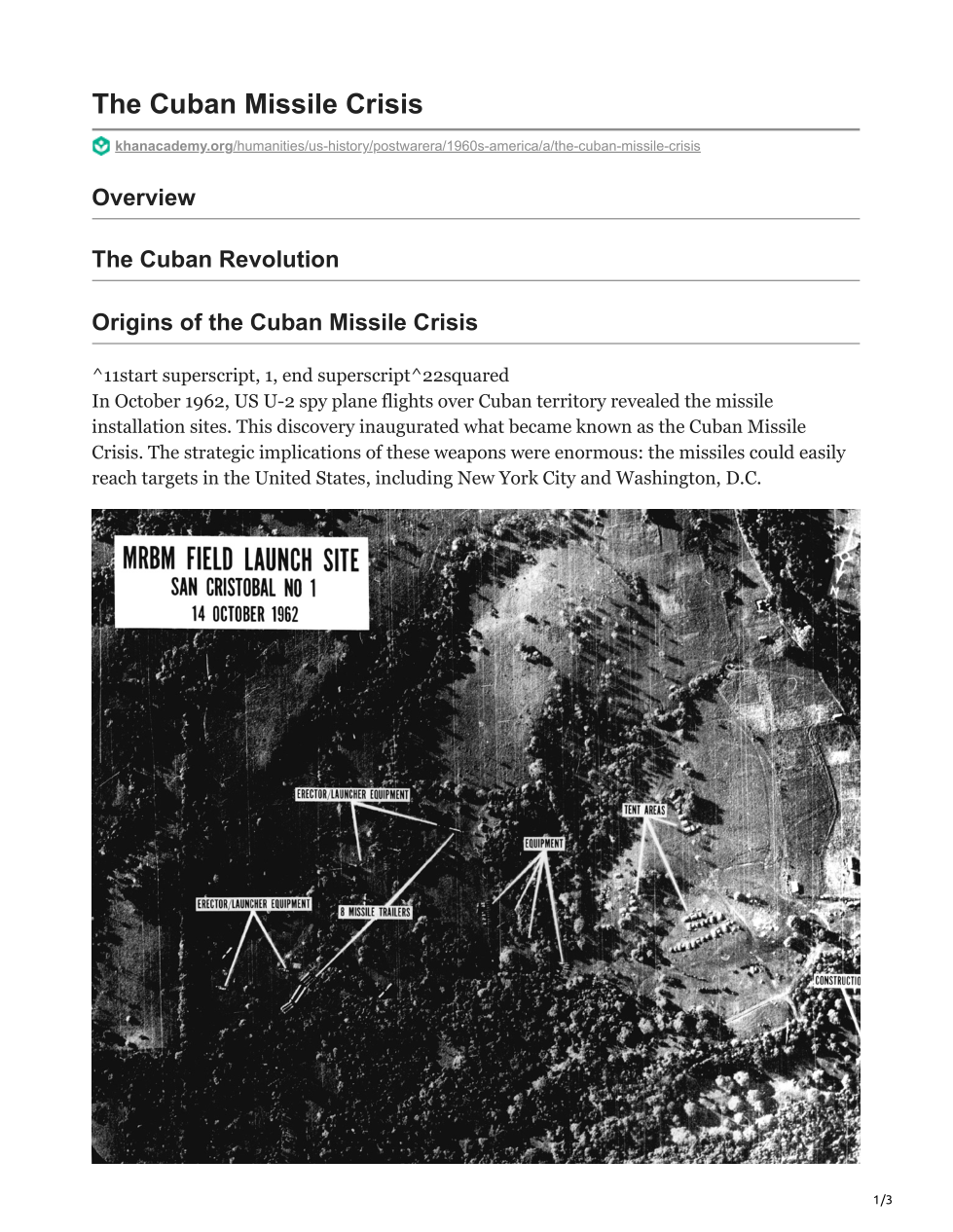
The thirteen days marking the most dangerous period of the Cuban Missile Crisis began on October 16, 1962. On that day, President Kennedy and principal foreign policy and national defense officials were briefed on the American U2 spy plane photographs of nuclear missile sites being built by the Soviet Union on the island of Cuba. Discussions began on how to respond to the challenge. Two principal courses were offered: an air strike and invasion, or a naval quarantine with the threat of further military action. President Kennedy met with his advisors in the Cabinet Room first at 11:50 am, then again at 6:30 pm. This excerpt, from the second meeting, begins with Secretary of Defense Robert McNamara providing a detailed summary of the possible responses to the missiles that were under consideration.
Listent to the following recording from Defense Secretary Robert McNamara’s 10/16/62 discussion of possible responses to the installation of missiles in Cuba. McNamara outlines three approaches: (1) political, (2) “open surveillance,” and (3) military action.
https://www.jfkpresidentsdesk.org/secret-recording-room/
McNamara: Mr. President, could I outline three courses . . . JFK?: [Yes?]. McNamara: . . . of action we have considered and speak very briefly on each one? The first is what I would call the political course of action, in which we, uh, follow some of the possibilities that Secretary Rusk mentioned this morning by approaching Castro, by approaching Khrushchev, by discussing with our allies. An overt and open approach politically to the problem [attempting, or in order?] to solve it. This seemed to me likely to lead to no satisfactory result, and it almost stops subsequent military action. Because the danger of starting military action after they acquire a nuclear capability is so great I believe we would decide against it, particularly if that nuclear capability included aircraft as well as, as, uh, uh, missiles, as it well might at that point. A second course of action we haven't discussed but lies in between the military course we began discussing a moment ago and the political course of action is a course of action that would involve declaration of open surveillance; a statement that we would immediately impose an, uh, a blockade against offensive weapons entering Cuba in the future; and an indication that with our open-surveillance reconnaissance, which we would plan to maintain indefinitely for the future, we would be prepared to immediately attack the Soviet Union in the event that Cuba made any offensive move against this country . . . Bundy: Attack who? McNamara: The Soviet Union. In the event that Cuba made any offensive move against this country. Now this lies short of military action against Cuba, direct military action against Cuba. It has some, some major defects. But the third course of action is any one of these variants of military action directed against Cuba , starting with an air attack against the missiles. The Chiefs are strongly opposed to so limited an air attack. But even so limited an air attack is a very extensive air attack. It's not twenty sorties or fifty sorties or a hundred sorties, but probably several hundred sorties. Uh, we haven't worked out the details. It's very difficult to do so when we lack certain intelligence that we hope to have tomorrow or the next day. But it's a substantial air attack. And to move from that into the more extensive air attacks against the MIGs, against the airfields, against the potential nuclear storage sites, against the radar installations, against the SAM sites means, as, as Max suggested, possibly seven hundred to a thousand sorties per day for five days. This is the very, very rough plan that the Chiefs have outlined, and it is their judgment that that is the type of air attack that should be carried out. To move beyond that into an invasion following the air attack means the application of tens of thousands, between ninety and, and, uh, over a hundred and fifty thousand men to the invasion forces. It seems to me almost certain that any one of these forms of direct military action will lead to a Soviet military response of some type some place in the world. It may well be worth the price. Perhaps we should pay that. But I think we should recognize that possibility, and, moreover, we must recognize it in a variety of ways. We must recognize it by trying to deter it, which means we probably should alert SAC, probably put on an airborne alert, perhaps take other s-, alert measures. These bring risks of their own, associated with them. It means we should recognize that by mobilization. Almost certainly, we should accompany the initial air strike with at least a partial mobilization. We should accompany an, an invasion following an air strike with a large-scale mobilization, a very large-scale mobilization, certainly exceeding the limits of the authority we have from Congress requiring a declaration therefore of a national emergency. We should be prepared, in the event of even a small air strike and certainly in the event of a larger air strike, for the possibility of a Cuban uprising, which would force our hand in some way. Either force u-, us to accept a, a, uh, an unsatisfactory uprising, with all of the adverse comment that result; or would, would force an invasion to support the uprising.
How does Secretary Mcnamara adress a politcal appraoch
How does Secretary Mcnamara adress a open survailance appraoch
How does Secretary Mcnamara adress a military action appraoch
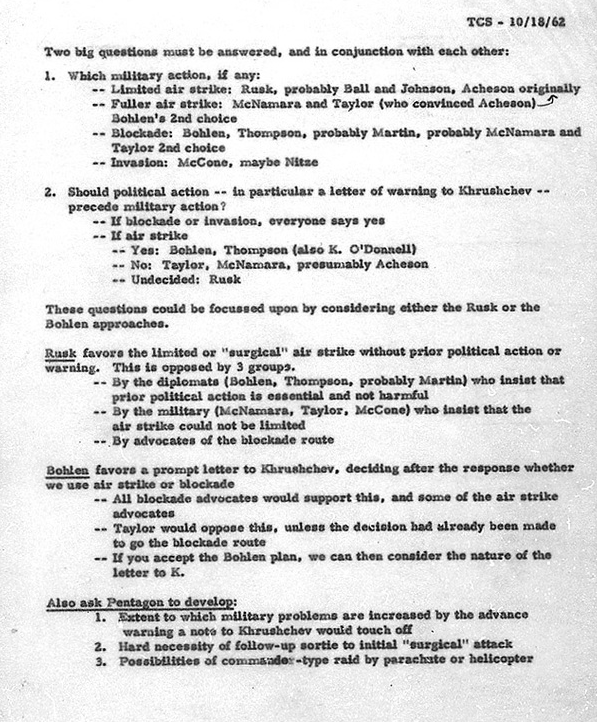
What were the options that Kennedy’s advisors were considering as of October 18th?
What government positions did each of these officials hold? How might their positions relate to their recommendations?
If you were the president, what information would you want to know to rule out or proceed with each of these options?
Who else did JFK consult about the crisis?
What additional option was mentioned in this recording? What was the rationale given by these advisors for this option?
How did JFK describe the plan to proceed with the blockade as of October 18th?
Why might he have taken this position over other options?
What country is he the leader of?
What experiences are depicted? What images are used to show these experiences?
What characteristics of his personality are portrayed? What beliefs and values are shown?
What are his goals during the missile crisis?
What country is he the leader of?
What experiences are depicted? What images are used to show these experiences?
What characteristics of his personality are portrayed? What beliefs and values are shown?
What are his goals during the missile crisis?
What country is he the leader of?
What experiences are depicted? What images are used to show these experiences?
What characteristics of his personality are portrayed? What beliefs and values are shown?
What are his goals during the missile crisis?
Were there winners and losers in the Cuban Missile Crisis? If so, who were they?
What factors contributed to ending the crisis without a war?
What role did leadership play in ending the crisis without a war?