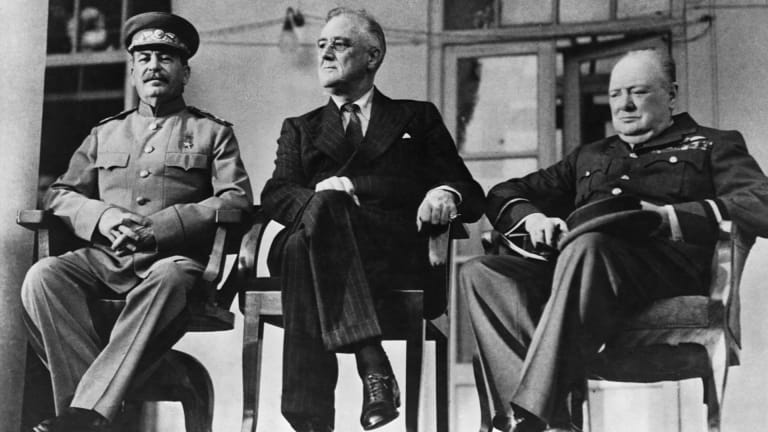
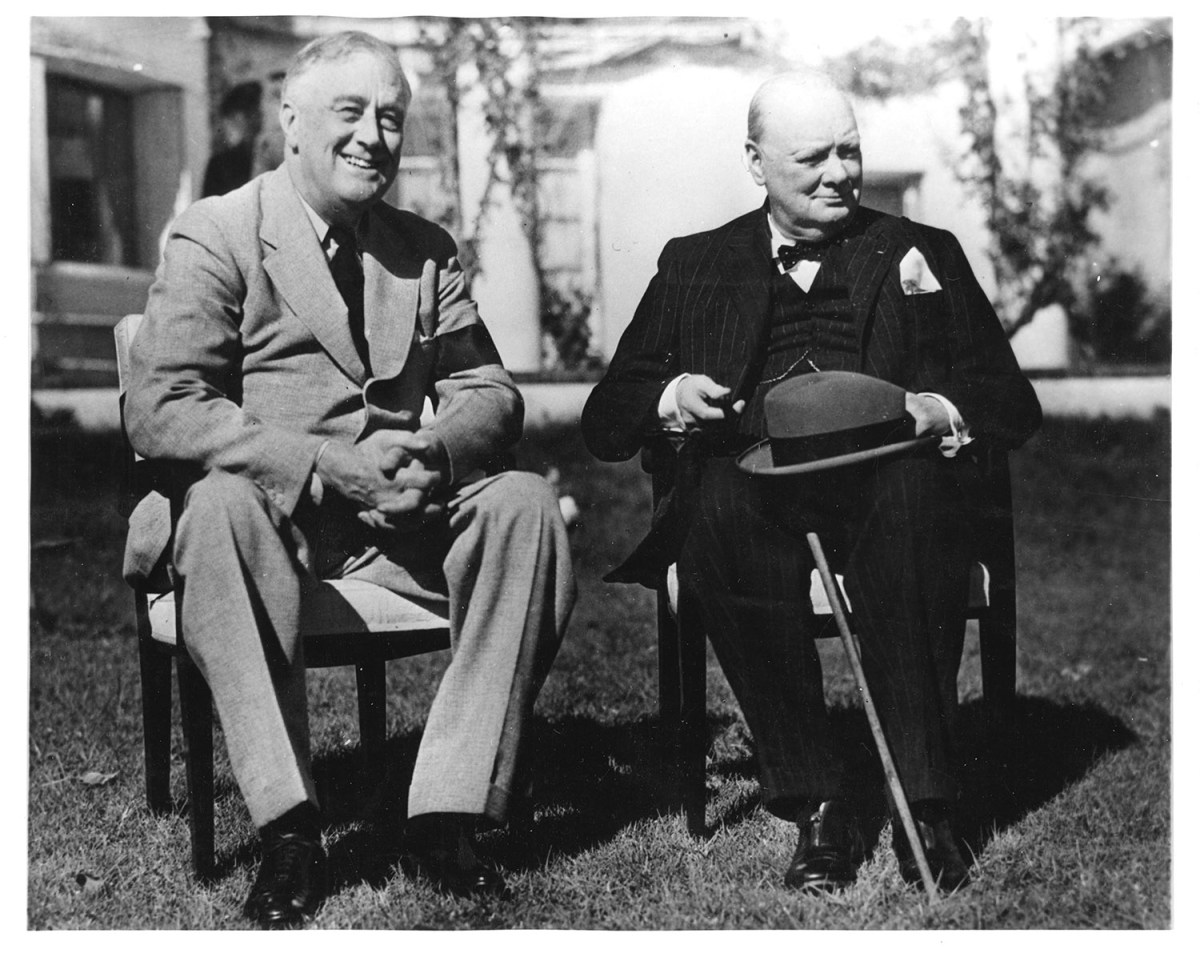
(Background) Winston Churchill and Franklin D. Roosevelt and Joseph Stalin met together in Teheran, to discuss military strategy and post-war Europe, in November 1943. Ever since the Soviet Union had entered the war, Stalin had been demanding that the Allies open-up a second front in Europe. Churchill and Roosevelt argued that any attempt to land troops in Western Europe would result in heavy casualties. Stalin had feared that without a second front, Germany would defeat them.
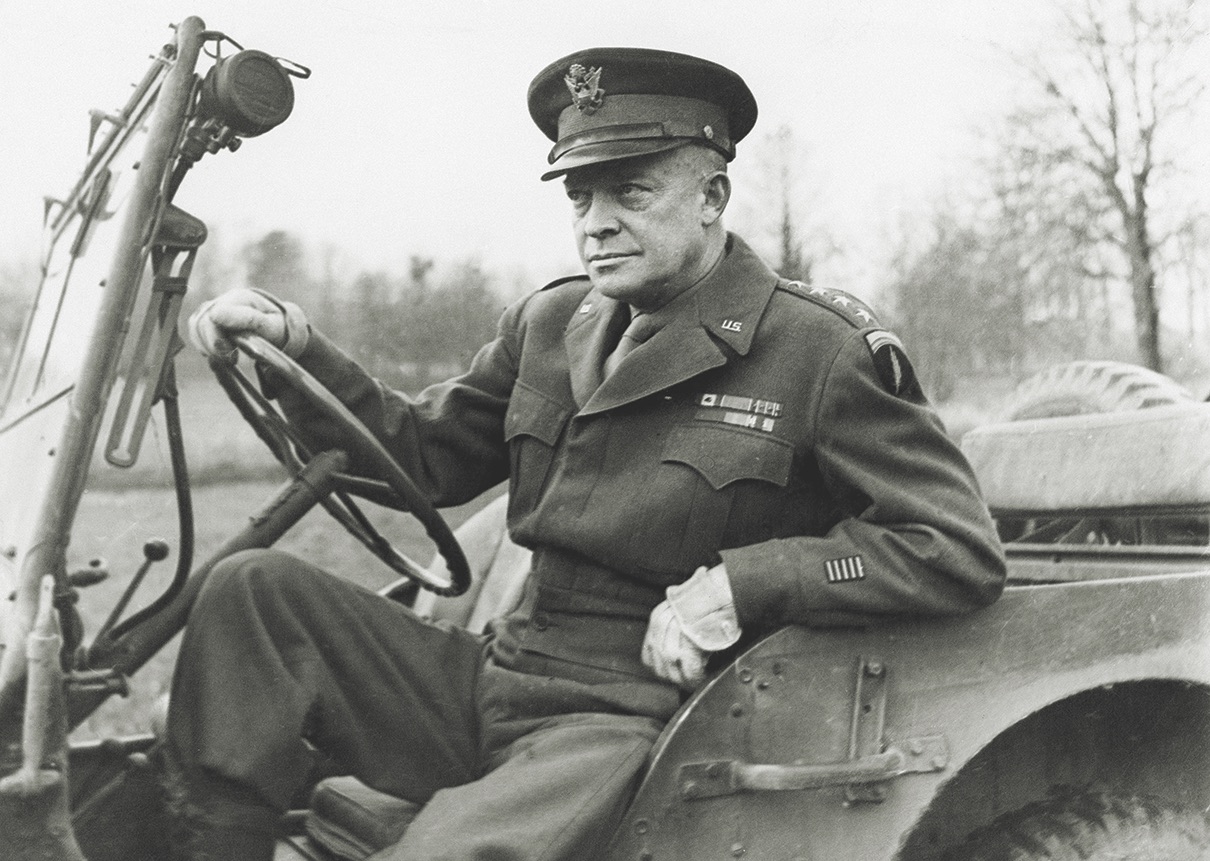
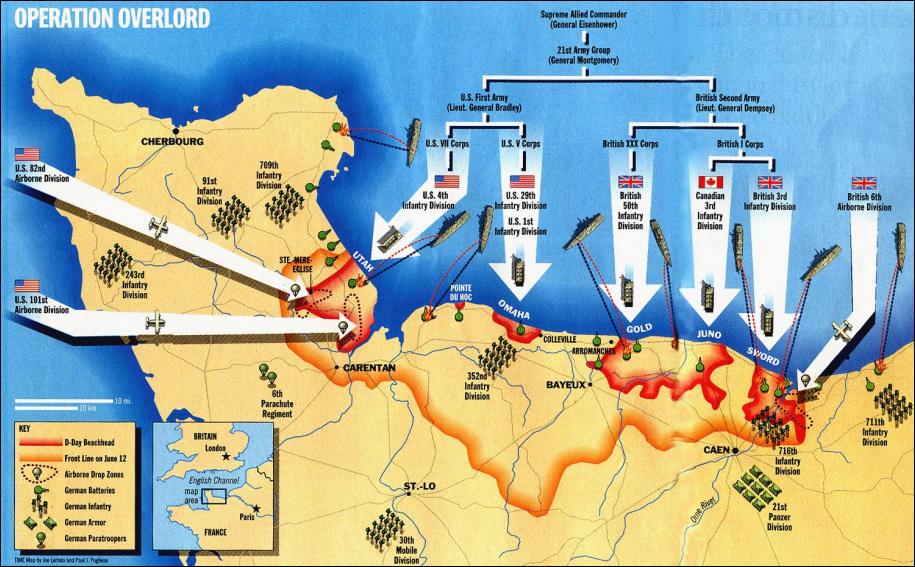
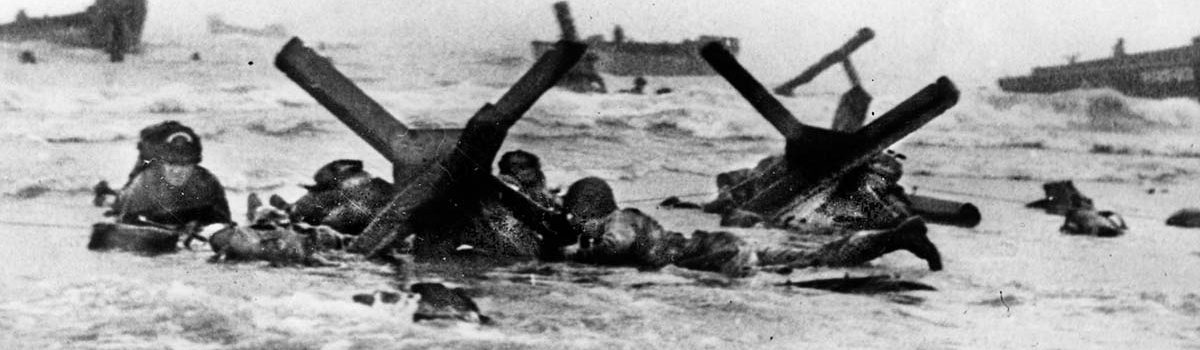
After lengthy discussions it was agreed that the Allies would mount a major offensive in the spring of 1944. General Dwight Eisenhower was put in charge of what became known as Operation Overlord. Eisenhower had the task of organizing around a million combat troops and two million men involved in providing support services. The plan involved assaults on five beaches west of the Orne River near Caen (codenamed Sword, Juno, Gold, Omaha and Utah) by the British 2nd Army and the American 1st Army.
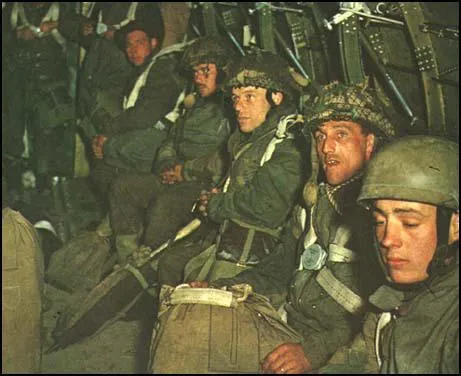
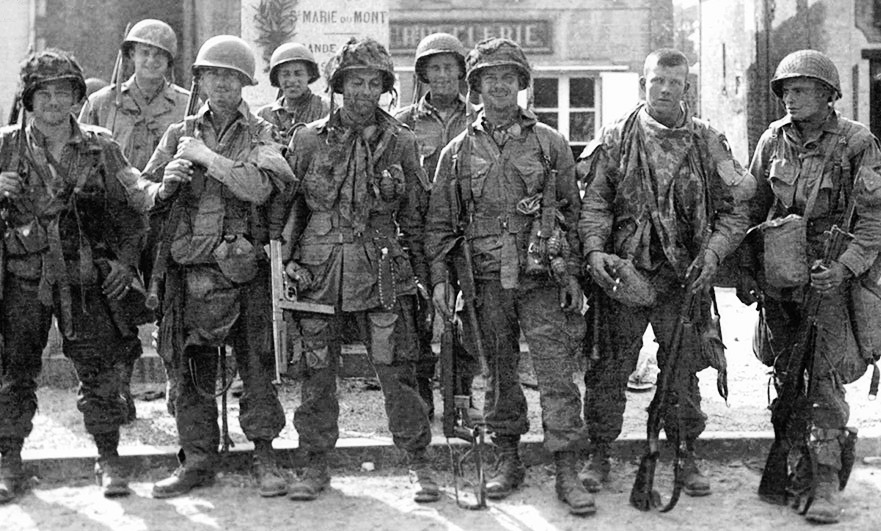
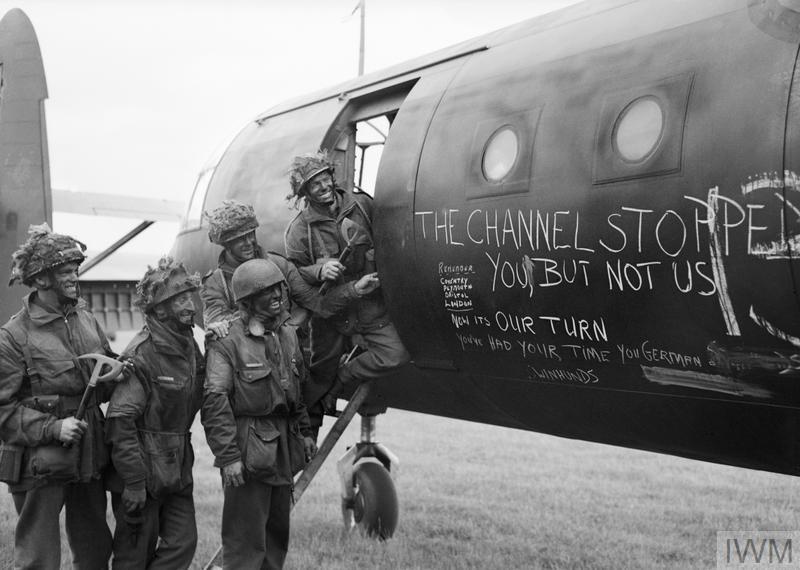
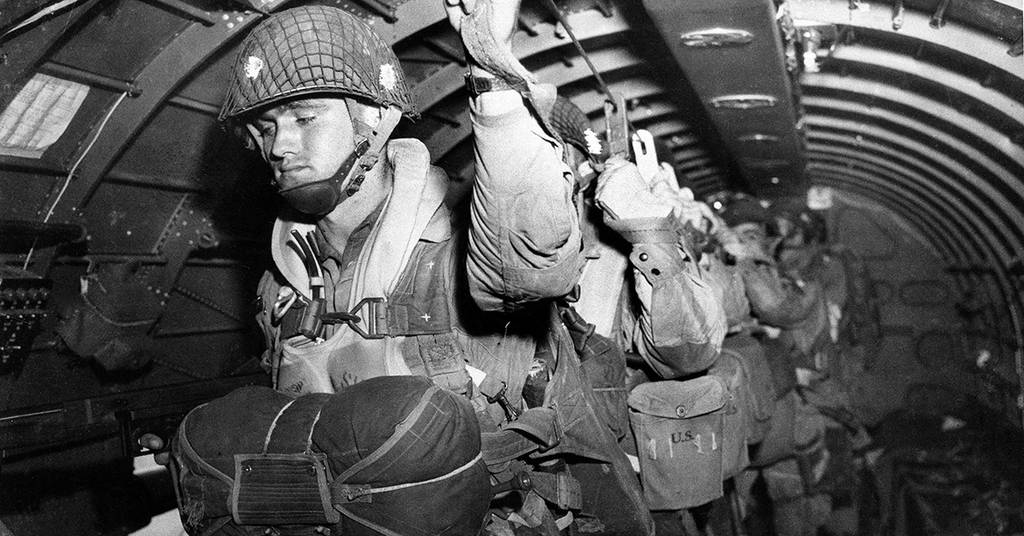
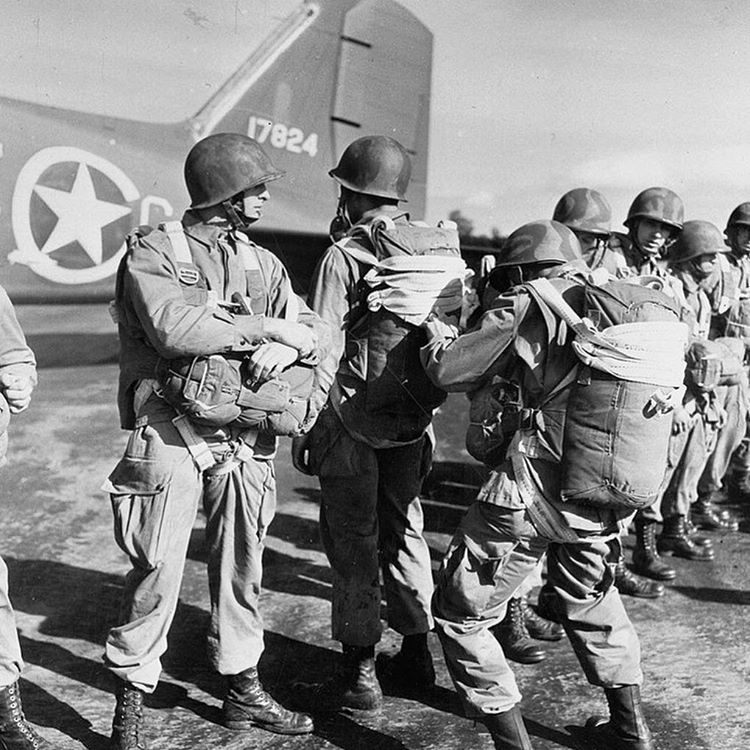
The invasion was preceded by a massive aerial bombardment of German defences. The Allies also sent in three airborne divisions, two American and one British, to prepare for the main assault by taking certain strategic points and by disrupting German communications. The first to land, at 1.30 a.m. on 6th June was the 101st Airbourne Division.
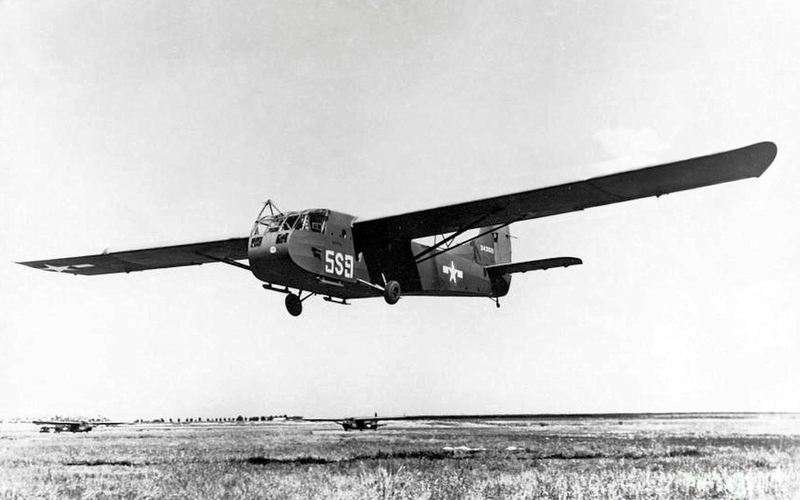
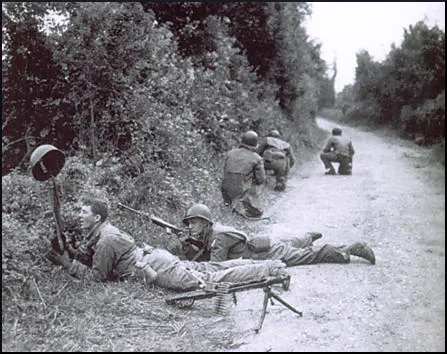
At 4.00 a.m. the first wave of US glider-borne troops came in to land. These men carried the heavier weapons which the paratroopers would need to hold the perimeter. However, the German defences were now fully aware an invasion was taking place and they opened up a heavy fire and a number of the aircraft were shot down. An estimated three-quarters of the gliders did manage to reach the landing zones, but many of them crashed into thick hedgerows and stone walls. A large number of the jeeps and artillery guns brought in this way were lost.
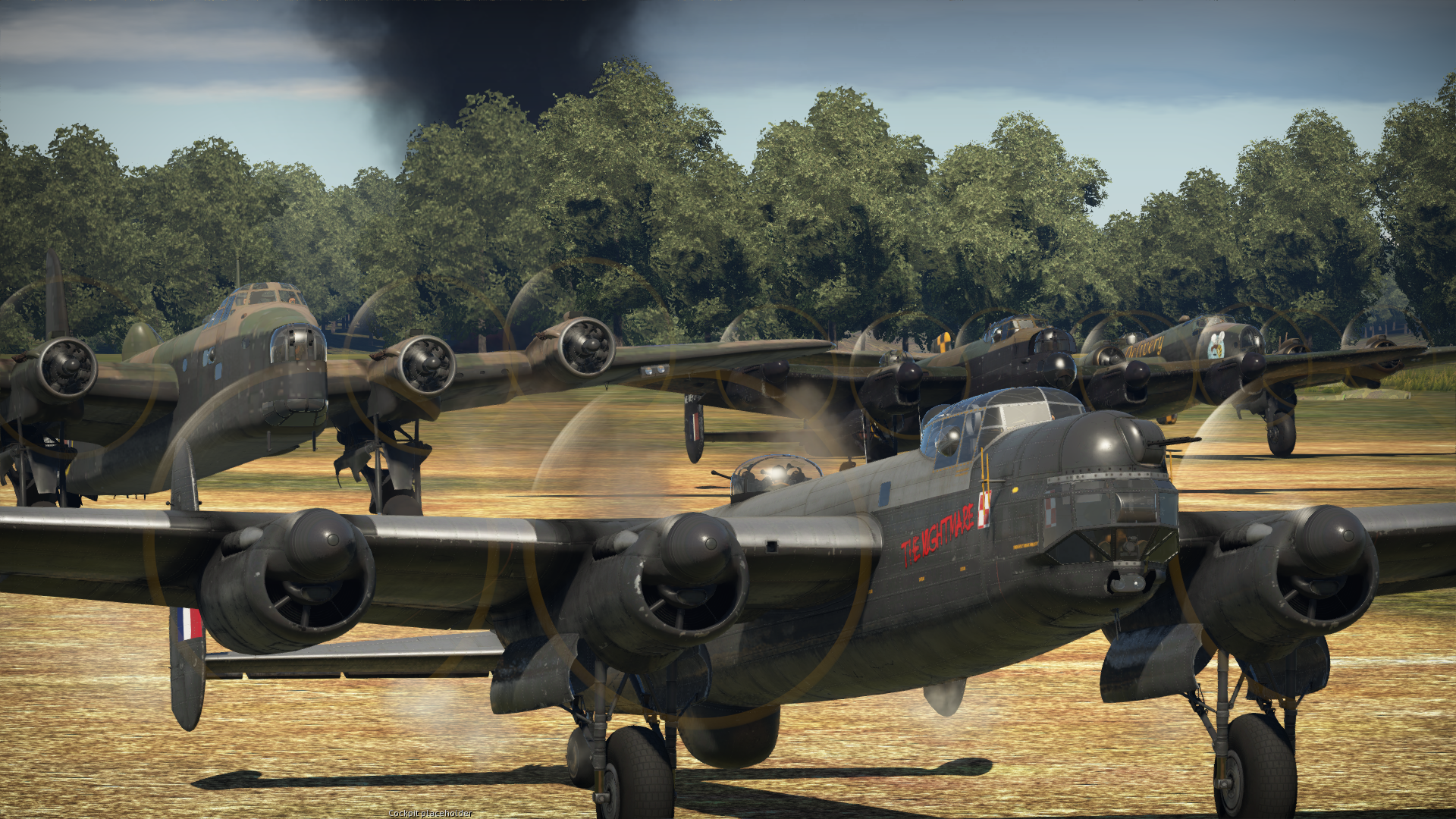
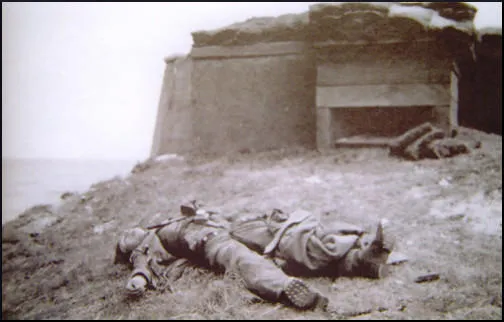
There were necessary preliminaries to the actual beach landings. RAF Bomber Command attacked the coastal batteries, dropping almost 5,000 tons of bombs. It was a cloudy night and they had to make full use of Oboe, a radar system fitted to Mosquitoes, which marked the target for the bombers. At first light, the US Eighth and Ninth Air Forces joined in. During D-Day the Allies flew nearly 15,000 sorties, while the Germans were able to manage only 319.
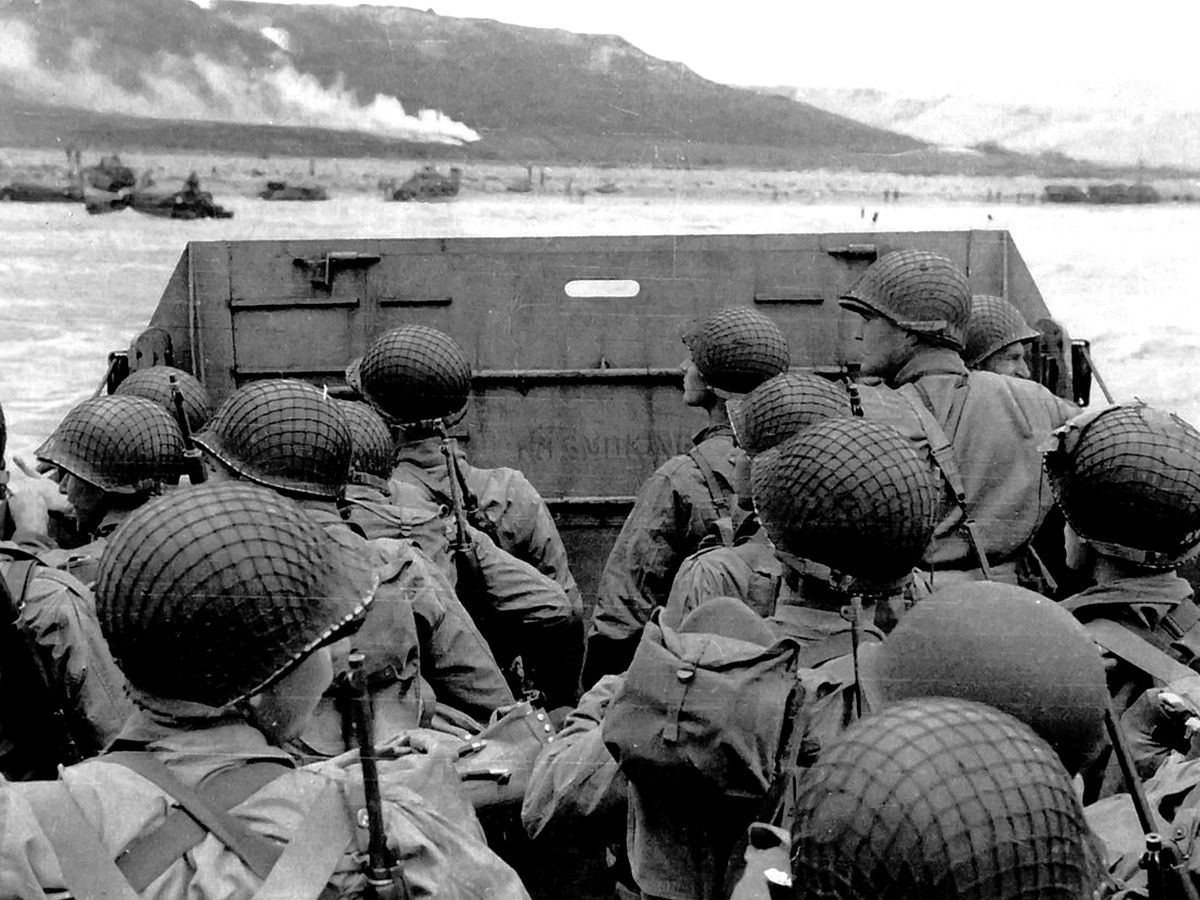
By 2.00 a.m. on 6th June the minesweepers were off the beaches. Their task was to clear the approaches of mines and also the lanes which the bombarding ships would use. The bombarding ships task was to silence the German coastal batteries. Battleships were positioned some 11,000 yards from the coast. The destroyers, on the other hand, had to approach within 5,500 yards and then anchor. This made them more vulnerable to German fire. The third group was the support landing craft, which would go in with the assaulting troops.
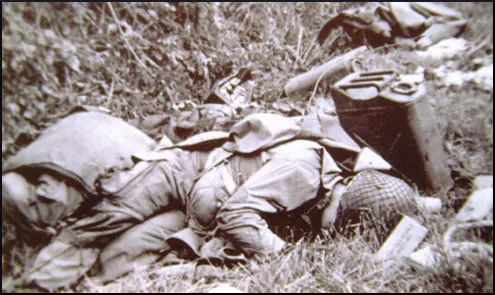
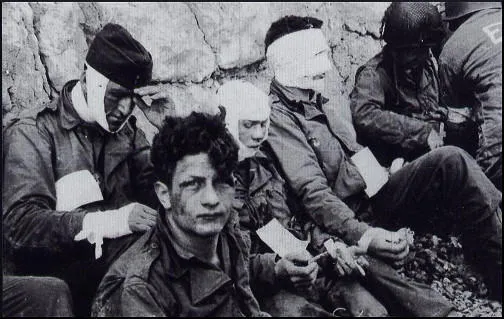
On the first day over 156,000 men were landed on a front of thirty miles. It was the largest and most powerful armada that has ever sailed. The Allied forces suffered 10,300 casualties.